Introduction: The Gaming Revolution
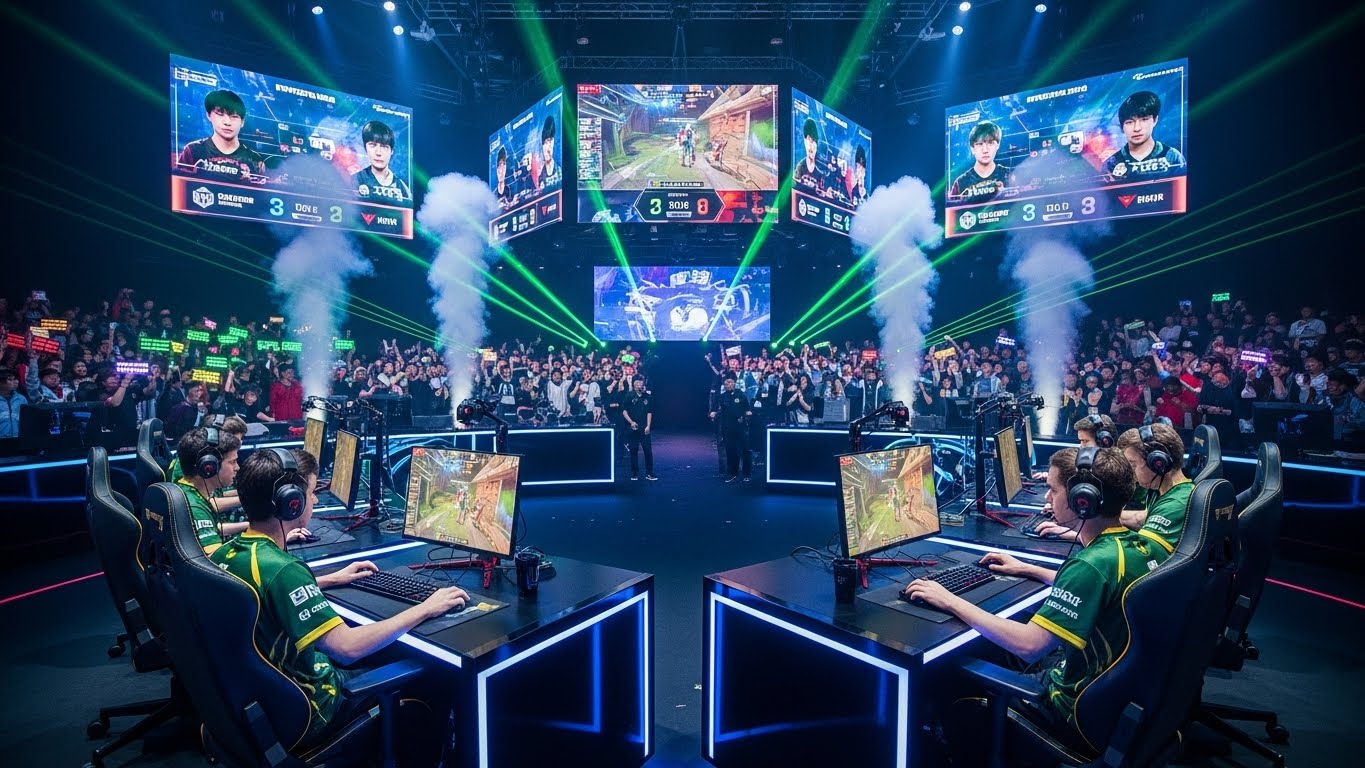
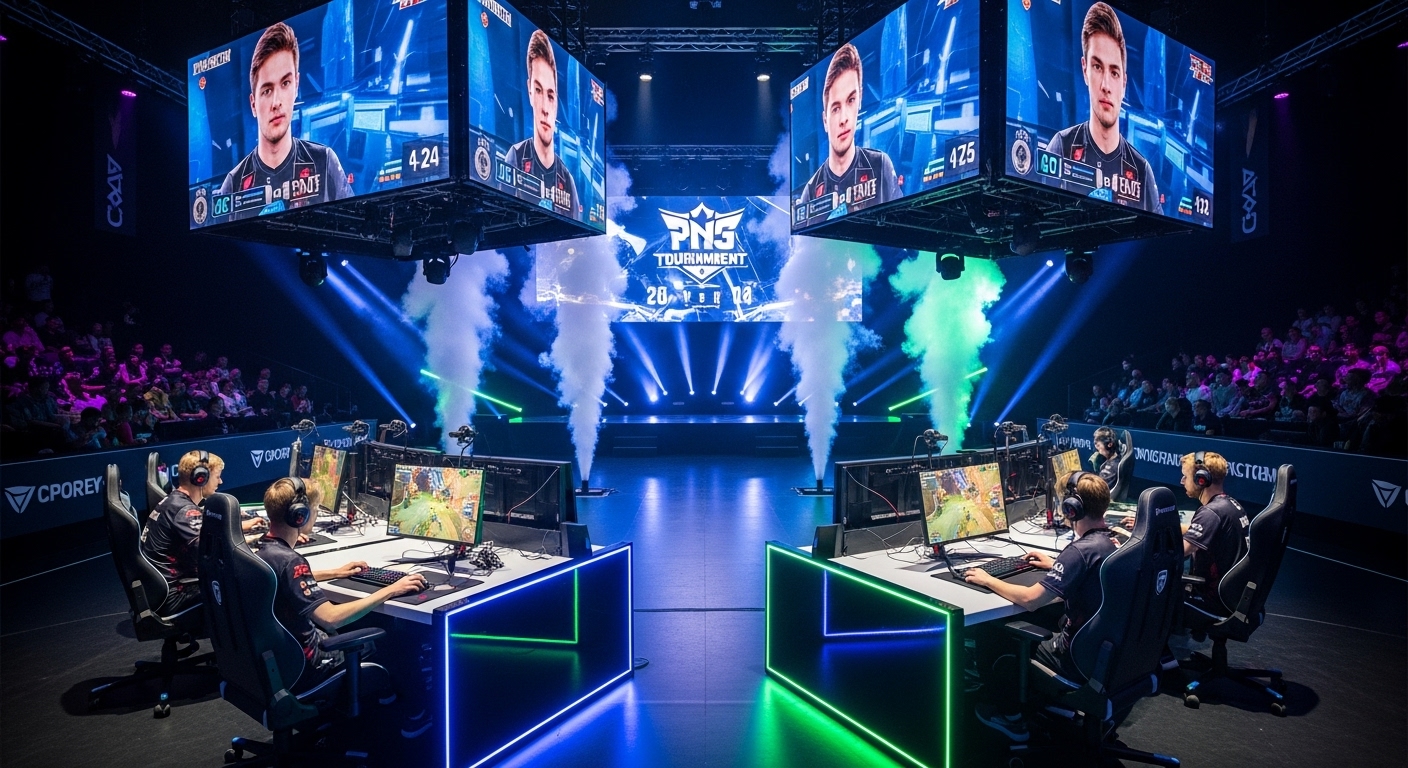
In recent years, a quiet revolution has taken place in the world of entertainment, one that has reshaped the landscape of competitive sports and captured the attention of millions of people around the globe. This revolution is the rise of esports. Esports, short for electronic sports, refers to organized, multiplayer video game competitions, particularly between professional players, individually or as teams. What began as casual online gaming and local tournaments has now evolved into a multi-billion-dollar industry, with professional leagues, massive global tournaments, and a fan base that rivals traditional sports in both size and passion. Esports has become a global phenomenon, with millions of fans tuning in to watch live events and follow their favorite players and teams.
In this blog post, we will explore how esports has transformed from a niche activity into a mainstream powerhouse. We will examine the factors behind its rapid rise, its impact on the entertainment industry, and what the future holds for competitive gaming.
The Birth of Esports: From Hobby to Profession
The roots of esports can be traced back to the early days of online gaming. In the 1990s, as the internet began to expand, gamers found new ways to connect and compete with each other. The release of games like “Doom” and “Quake” allowed players to engage in multiplayer battles, and early online gaming communities began to form. These communities, though small at the time, set the stage for what would become a thriving global industry.
The first significant step towards organized esports occurred in 1997 with the formation of the Cyberathlete Professional League (CPL). This was the first league to host professional-level competitions, with players competing for cash prizes in games like “Quake” and “Unreal Tournament.” The CPL’s success demonstrated the potential for competitive gaming as a serious, professional activity, and it quickly attracted sponsors, media attention, and dedicated fans.
In the early 2000s, esports began to gain further traction with the emergence of games like “StarCraft,” which became immensely popular in South Korea. The Korean gaming scene is often credited with being the birthplace of modern esports. “StarCraft” tournaments were broadcast on television, and top players became national celebrities. This phenomenon paved the way for esports to transition from a niche hobby into a mainstream entertainment industry.
The Explosion of Esports: From Local Tournaments to Global Leagues
By the mid-2000s, esports began to evolve rapidly, fueled by the growing popularity of games like “League of Legends,” “Dota 2,” and “Counter-Strike.” With the advent of platforms like Twitch, a streaming service dedicated to video game content, esports gained a global audience. Twitch allowed fans to watch their favorite players and teams compete live, creating a sense of community and fostering a culture around competitive gaming. This shift made esports more accessible, drawing millions of viewers from around the world.
Esports events like “The International” (Dota 2’s annual championship tournament) and “League of Legends World Championship” became some of the biggest events in the gaming world, attracting millions of viewers and offering multi-million-dollar prize pools. These tournaments quickly grew beyond the confines of gaming enthusiasts to attract mainstream attention. Sponsors, advertisers, and even traditional sports organizations began to see the potential of esports, which led to substantial investments in the industry.
In 2013, the creation of the League of Legends Championship Series (LCS) marked a turning point for esports. The LCS was one of the first major professional esports leagues to adopt a franchised system, similar to traditional sports leagues. Teams were now able to sign players to long-term contracts and create stable, professional organizations with financial backing. This shift allowed esports to thrive as an industry, with leagues, teams, and players operating in a manner similar to professional sports organizations.
The Key Factors Behind Esports’ Rise
Several key factors have contributed to the explosive growth of esports in recent years.
1. The Popularity of Streaming and Content Creation
Platforms like Twitch, YouTube Gaming, and Facebook Gaming have been integral to the rise of esports. These platforms allow gamers to stream their gameplay, interact with their audience in real-time, and build personal brands. Streamers like Ninja, Shroud, and Pokimane have become household names, attracting millions of followers and securing sponsorships from major brands. This rise in content creation has helped grow esports into a cultural phenomenon, with personalities gaining as much fame as traditional athletes.
Streaming has not only helped players build personal followings but has also given esports a platform for live broadcasting. Fans can watch live events, catch replays of their favorite matches, and stay connected with the gaming community 24/7. This constant engagement has created a thriving ecosystem where fans and players can interact, making esports one of the most interactive forms of entertainment today.
2. Accessibility and Inclusivity
One of the most attractive aspects of esports is its accessibility. Unlike traditional sports, which require expensive equipment, dedicated training facilities, and physical prowess, esports can be played by anyone with a computer and an internet connection. This has opened the door for a diverse range of players, regardless of age, gender, or geographic location. Esports is more inclusive than ever, with professional leagues and tournaments hosting players from all corners of the globe.
In addition, esports has become increasingly inclusive for women and underrepresented groups. While historically male-dominated, esports has seen a growing number of female players, streamers, and fans breaking down barriers and challenging stereotypes. Organizations like Women in Esports and various women’s-only tournaments are working to create more opportunities for women to compete at the highest levels.
3. The Growth of Esports Betting and Sponsorships
As esports has gained more mainstream attention, the industry has attracted significant investment, particularly from advertisers and sponsors. Major brands, including Coca-Cola, Intel, and Audi, have partnered with esports organizations, seeing the potential to reach younger, tech-savvy audiences who are difficult to engage through traditional advertising. This influx of sponsorships has provided a financial backbone for esports tournaments and leagues, allowing them to scale up and offer larger prize pools and more professional production value.
Esports betting has also contributed to its growth. Just like traditional sports, fans can place bets on their favorite teams or players, adding another layer of excitement and engagement to the competitions. As esports has become more mainstream, betting platforms and gambling operators have increasingly turned their attention to esports, recognizing its potential to rival traditional sports betting.
The Business Side of Esports: Teams, Sponsorships, and Careers
As esports has evolved into a professional industry, it has created new opportunities for players, coaches, broadcasters, and even content creators. Just like traditional sports, players can now sign multi-million-dollar contracts with esports teams, which provide salaries, sponsorship deals, and benefits. In addition to player salaries, organizations are also investing in staff such as analysts, coaches, and mental health professionals to help players perform at their peak.
Esports teams, like Cloud9, Team Liquid, and FaZe Clan, have grown into global brands, attracting sponsorships from some of the biggest names in the business world. These teams participate in various leagues and tournaments across multiple games, and their success has led to greater visibility and fan engagement. Team owners and investors have capitalized on the growing demand for esports, resulting in multi-million-dollar acquisitions and sponsorship deals.
Additionally, esports has created career opportunities in fields such as game development, event management, marketing, and broadcasting. With esports tournaments now attracting massive viewerships, the demand for professional broadcasters and commentators has skyrocketed, leading to the emergence of a new type of sports media career. Esports content creators, analysts, and casters have become celebrities in their own right, and some even command larger followings than traditional sports commentators.
The Future of Esports: What Lies Ahead
The future of esports is incredibly promising. As technology continues to advance, esports will likely evolve in ways we cannot fully predict. Here are a few trends to keep an eye on:
1. Integration with Traditional Sports
Esports and traditional sports are becoming increasingly intertwined. Major sports organizations like the NBA, NFL, and FIFA are investing in esports and integrating gaming into their operations. The NBA 2K League, for example, has become an official esports league for the NBA, and many football clubs have their own esports teams. This collaboration is expected to continue, blurring the lines between traditional sports and esports.
2. Virtual Reality and Augmented Reality in Esports
The development of virtual reality (VR) and augmented reality (AR) will likely have a profound impact on esports. VR could allow players to fully immerse themselves in virtual worlds, creating a new level of engagement for both players and fans. Augmented reality could enhance broadcasts, providing fans with interactive experiences and real-time data during live events.
3. Global Expansion and New Markets
Esports is growing beyond North America, Europe, and Asia. Regions like Latin America, Africa, and the Middle East are starting to emerge as hotbeds for esports talent and viewership. As internet infrastructure improves and gaming culture spreads, esports will continue to expand into new markets, reaching an even larger global audience.
Conclusion: The Bright Future of Esports
Esports has come a long way from its humble beginnings in the late 20th century. Today, it is a global phenomenon, offering new career paths, entertainment experiences, and cultural impact. With the continued support of technology, sponsorships, and a passionate fan base, esports is set to become one of the most influential forms of entertainment in the world. As competitive gaming continues to grow, it will undoubtedly play a central role in shaping the future of sports, media, and digital entertainment.