Introduction: The Digital Revolution of Competitive Sports
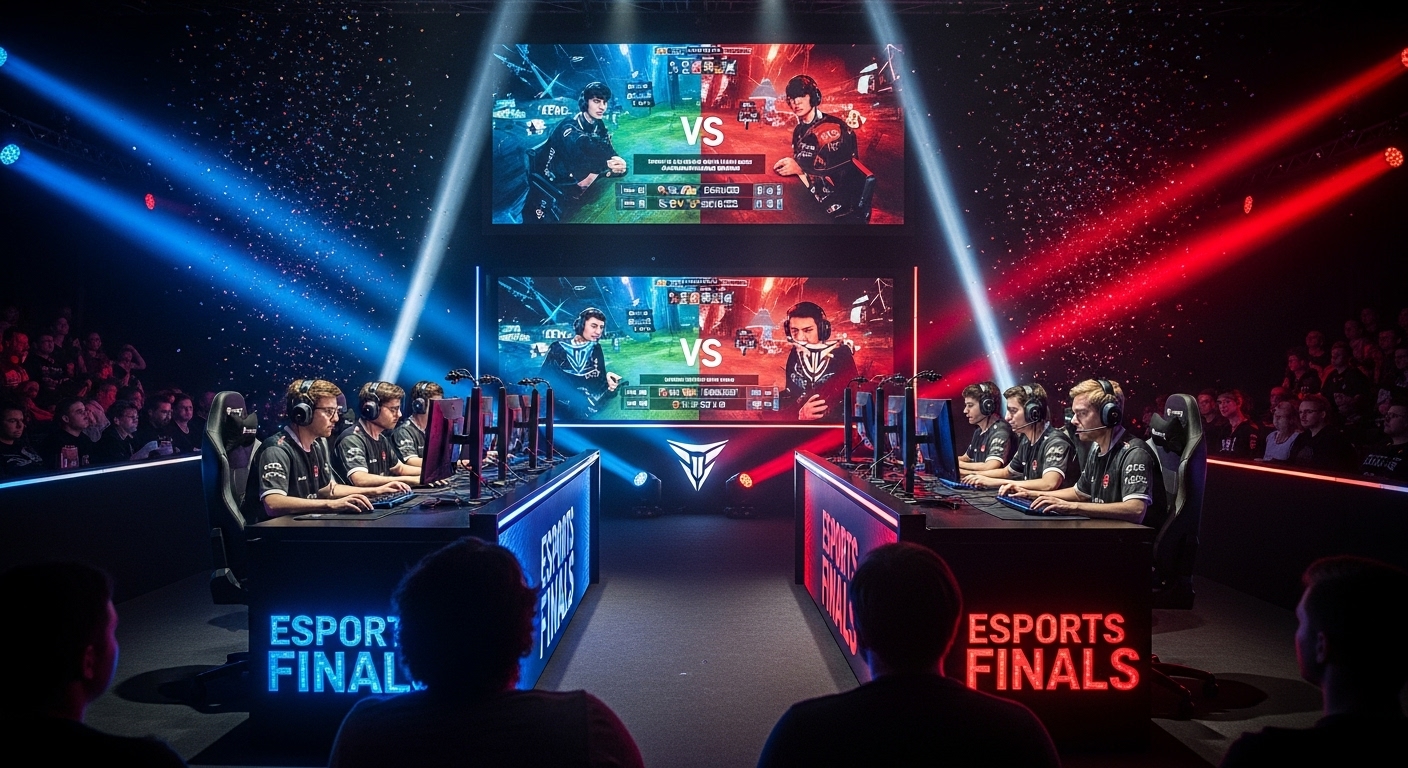
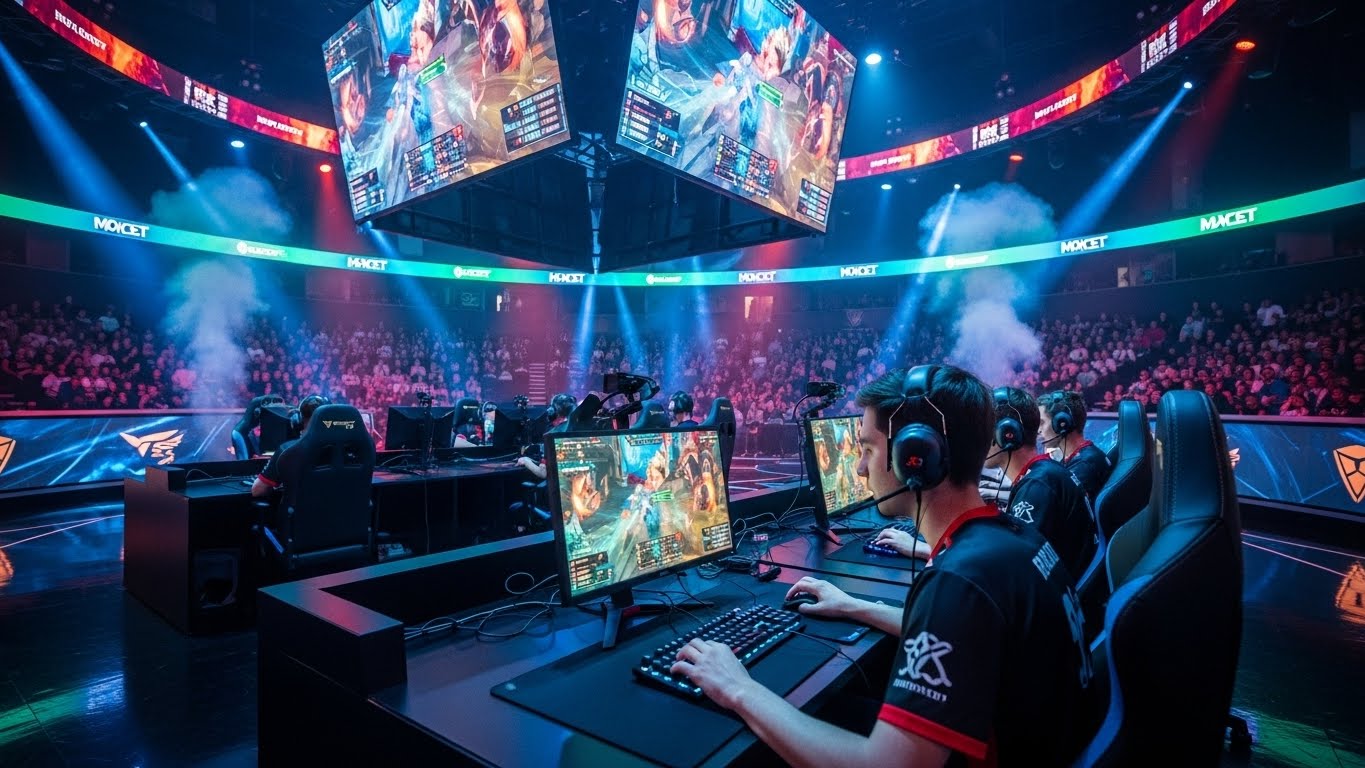
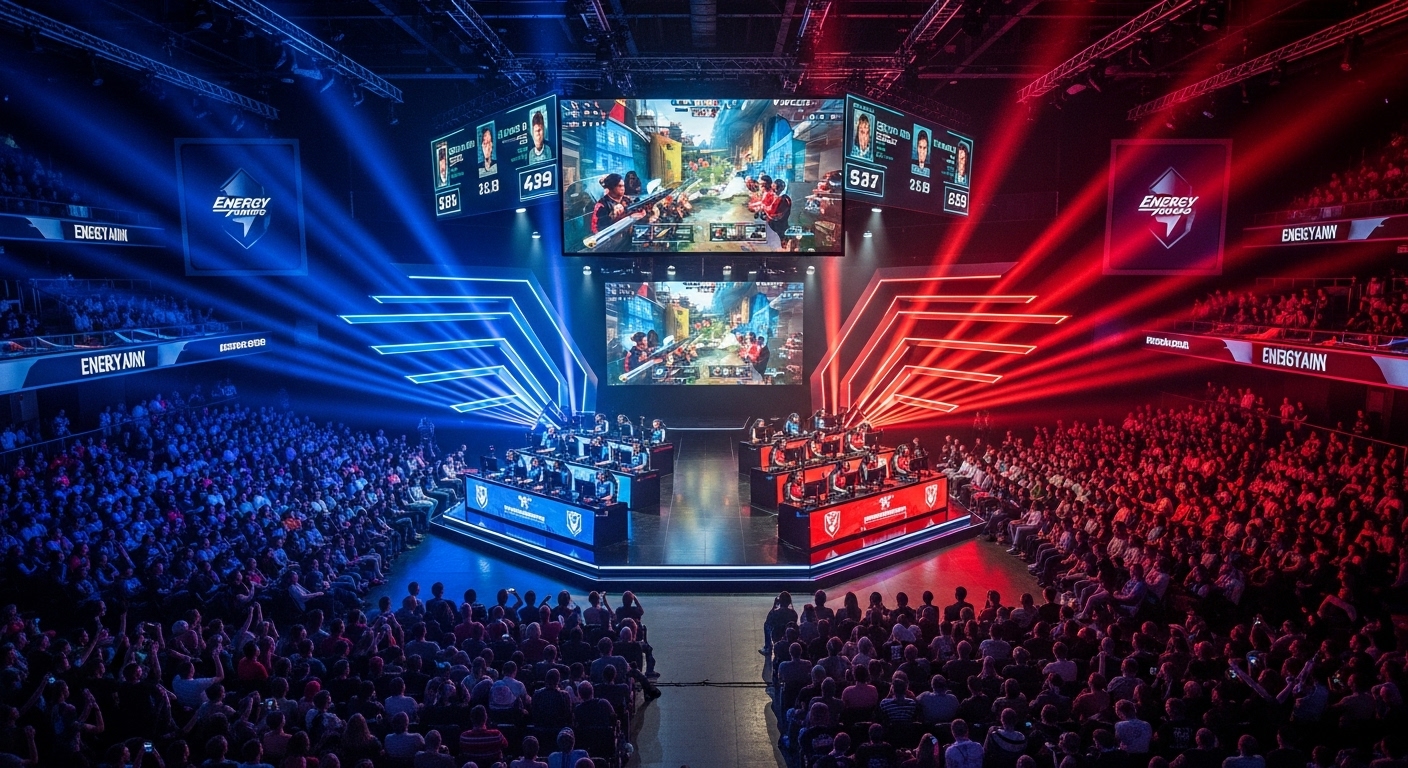
Esports, once a niche hobby for passionate gamers, has exploded into a global cultural and economic powerhouse. It’s not just about playing video games anymore — it’s about competition, teamwork, strategy, and global audiences watching in real-time. From grassroots LAN parties to multi-million-dollar tournaments, esports has evolved into a professional sport, attracting massive sponsorships, streaming platforms, and even government support. This blog explores the rise of esports, its cultural impact, its professionalization, and where it’s headed in the future.
The Birth of Esports: From Arcade Games to Professional Leagues
The story of esports begins with the arcade era. In the 1980s, arcade games like Pong and Space Invaders captivated millions, but it was Street Fighter and Super Mario Bros. that set the stage for competitive gaming. Players began gathering in arcades to challenge each other, forming the first informal competitive gaming communities. These early tournaments were a far cry from the organized esports events we see today, but they were the first steps in the journey to professional gaming.
In the late 1990s and early 2000s, the internet and personal computers began to change the game. Titles like StarCraft, Quake, and Warcraft made it possible for gamers to compete over local area networks (LANs), laying the foundation for online tournaments. The first true esports events, such as the World Cyber Games and Electronic Sports League (ESL), were founded in the early 2000s. These tournaments attracted both players and audiences, marking the transition from informal gaming to organized competitive play.
The Key Games That Shaped Esports
Today, esports covers a variety of game genres, with each offering unique forms of competition. Some games have emerged as pillars of the esports ecosystem, attracting millions of players and viewers worldwide.
MOBAs (Multiplayer Online Battle Arenas)
MOBAs, such as League of Legends (LoL) and Dota 2, are among the most popular games in the esports world. These games typically feature two teams of five players who work together to destroy the opposing team’s base while defending their own. MOBAs are known for their deep strategy, complex gameplay mechanics, and high skill ceilings, which make them both challenging to play and exciting to watch. League of Legends, in particular, has become a staple of professional esports, with annual world championships watched by millions.
FPS (First-Person Shooters)
Counter-Strike: Global Offensive (CS: GO), Call of Duty, and Valorant are prime examples of FPS titles in esports. These games focus on team-based combat, where precision aiming, tactical planning, and quick reflexes determine the outcome of each match. FPS games in esports are often fast-paced and action-packed, with high-stakes tournaments and a dedicated following. CS: GO alone has created a huge esports ecosystem, with professional leagues, major tournaments, and massive prize pools.
Battle Royale Games
The Battle Royale genre has taken the world by storm with games like Fortnite and PUBG (PlayerUnknown’s Battlegrounds). These games combine large-scale maps with the need to be the last player or team standing. What makes Battle Royale games unique in esports is the unpredictability of each match. With so many variables — from terrain to weaponry to player behavior — every game is different, making the experience both exhilarating and full of surprises. Fortnite particularly transformed esports by attracting a younger audience and embracing cross-platform play.
The Professionalization of Esports
As esports grew in popularity, it underwent a process of professionalization, much like traditional sports. This transformation led to the formation of esports organizations, professional teams, and dedicated training regimens. Players no longer compete as amateurs but as full-time professionals, supported by teams, coaches, analysts, and sponsors. The demand for esports talent has skyrocketed, with players often undergoing intensive practice schedules and physical training to perform at the highest level.
The economic structure of esports has also evolved. Prize pools for major tournaments have swelled into the millions, and top players can earn substantial salaries from team contracts, sponsorships, and streaming deals. For example, The International — an annual Dota 2 tournament — has regularly broken records for the largest prize pool in esports history, surpassing $30 million in recent years.
Streaming platforms like Twitch and YouTube Gaming have revolutionized how esports is consumed. Fans can watch live competitions, interact with streamers, and even follow their favorite players in real-time. The ability for players to broadcast their gameplay has also created a new career path for professional streamers, who can earn income through subscriptions, ads, donations, and brand partnerships.
Esports and the Rise of Global Audiences
One of the defining aspects of esports is its global appeal. Players from all corners of the world compete, with regions like North America, Europe, China, Korea, and Southeast Asia producing some of the most successful teams and players. International tournaments like the League of Legends World Championship and ESL One bring together players from across the globe, offering fans the opportunity to witness the best in competitive gaming.
This international appeal has been further fueled by streaming services such as Twitch, which allow viewers from all over the world to watch live broadcasts of major esports tournaments. These events attract millions of viewers, some rivaling traditional sports events in viewership. For example, the League of Legends World Championship Final regularly attracts over 100 million viewers, while other games like CS: GO and Fortnite also draw massive audiences.
The widespread viewership of esports has also attracted mainstream media outlets, with channels such as ESPN and BBC providing coverage of major esports events. These media partnerships have helped esports further integrate into mainstream entertainment, breaking down the barrier between traditional sports and digital competitions.
The Challenges Faced by Esports
While esports continues to thrive, there are significant challenges that need to be addressed for the industry to grow sustainably.
Player Burnout and Mental Health
One of the biggest issues facing professional esports players is burnout. The intense pressure to perform at the highest level, combined with long hours of practice and travel, can take a toll on players’ physical and mental health. Mental health awareness has become a priority for esports organizations, with many offering support services for players to manage stress, anxiety, and the pressures of professional competition.
Diversity and Inclusion
Esports has been criticized for its lack of diversity, particularly when it comes to the representation of women and marginalized groups. Despite gaming’s global and inclusive nature, women are often underrepresented in esports competitions and leadership roles. However, steps are being taken to create a more inclusive environment, with initiatives such as women’s leagues, diversity programs, and awareness campaigns aimed at fostering greater inclusivity within the esports community.
Cheating and Match Fixing
Esports is also grappling with issues of cheating and match-fixing, which can undermine the integrity of competitions. Players and teams caught cheating face bans, but as the industry grows, so do the challenges of maintaining fair play. Anti-cheat technology, better regulation, and education are all necessary to ensure that esports remains a legitimate and competitive sport.
The Future of Esports
The future of esports is incredibly exciting. With technological advancements such as virtual reality (VR), augmented reality (AR), and artificial intelligence (AI) becoming increasingly integrated into the gaming world, esports will continue to evolve and innovate.
Virtual Reality and Augmented Reality
Virtual reality and augmented reality offer the potential to take esports to a whole new level. VR allows for fully immersive gameplay experiences, while AR enhances the real world by blending it with digital elements. These technologies will change how players interact with games, creating even more dynamic and interactive esports experiences.
Expansion into Traditional Sports
Esports and traditional sports are beginning to merge. Many professional sports organizations, such as the NBA and NFL, have embraced esports by creating their own teams and leagues, often in games that simulate their respective sports. This collaboration will help esports gain even more mainstream recognition, with cross-promotional events and shared fan bases.
Esports as an Olympic Event
The prospect of esports becoming an official Olympic event has been discussed for years. While there are still hurdles to overcome in terms of regulation, governance, and inclusion, the growing popularity of esports makes it a strong contender for future Olympic recognition. If this happens, esports will take its place alongside traditional sports as a global spectacle.
Conclusion: The Enduring Appeal of Esports
Esports has come a long way from its humble beginnings as casual, competitive gaming. It is now a professional sport, attracting millions of players, viewers, and sponsors worldwide. The industry continues to grow rapidly, with advancements in technology, increasing media coverage, and a global fanbase.
Esports is more than just a game; it is a cultural phenomenon that has redefined what it means to be an athlete in the digital age. With its rising popularity, esports will continue to impact the world of sports, entertainment, and beyond, offering new opportunities for players, fans, and businesses alike. The digital arena is only getting started, and the future of esports looks brighter than ever.