Introduction: The Digital Frontier of Competitive Gaming
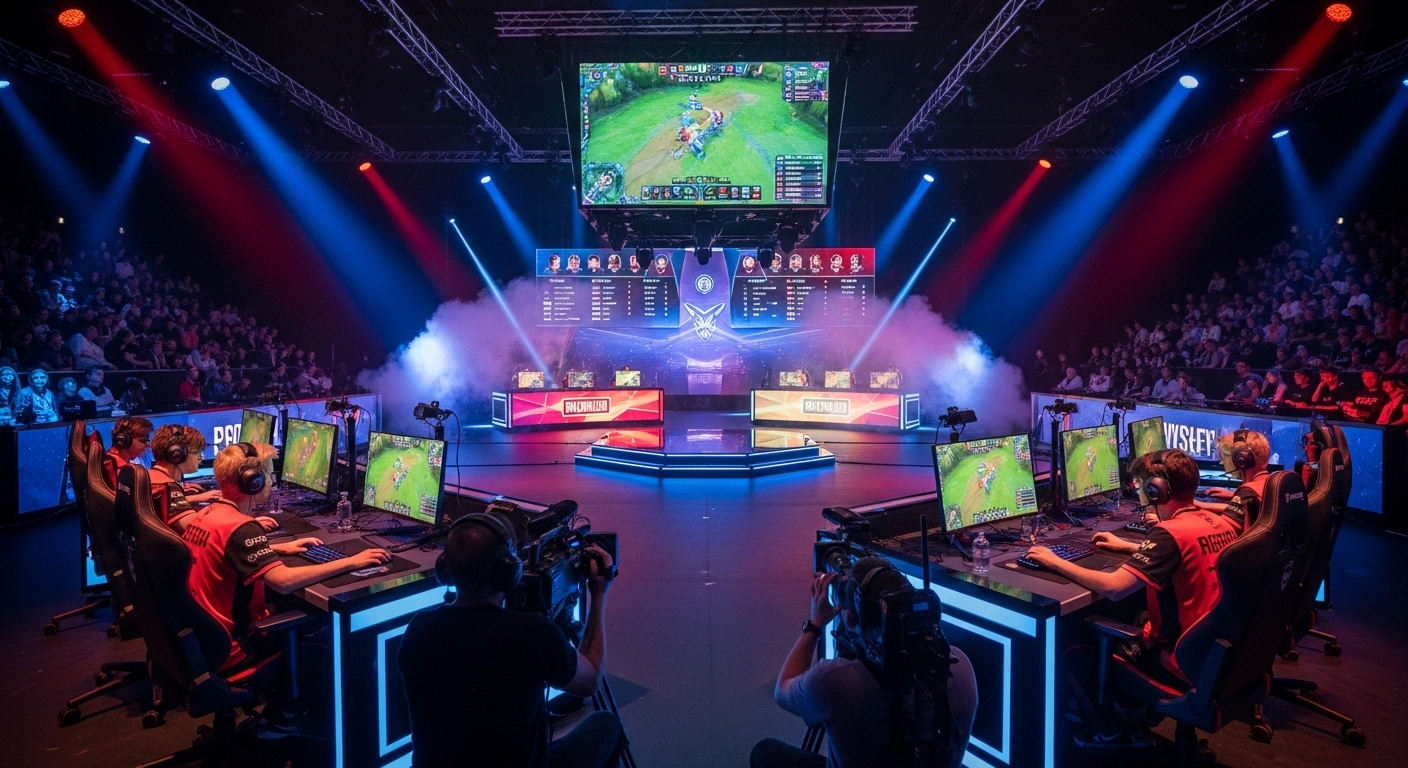
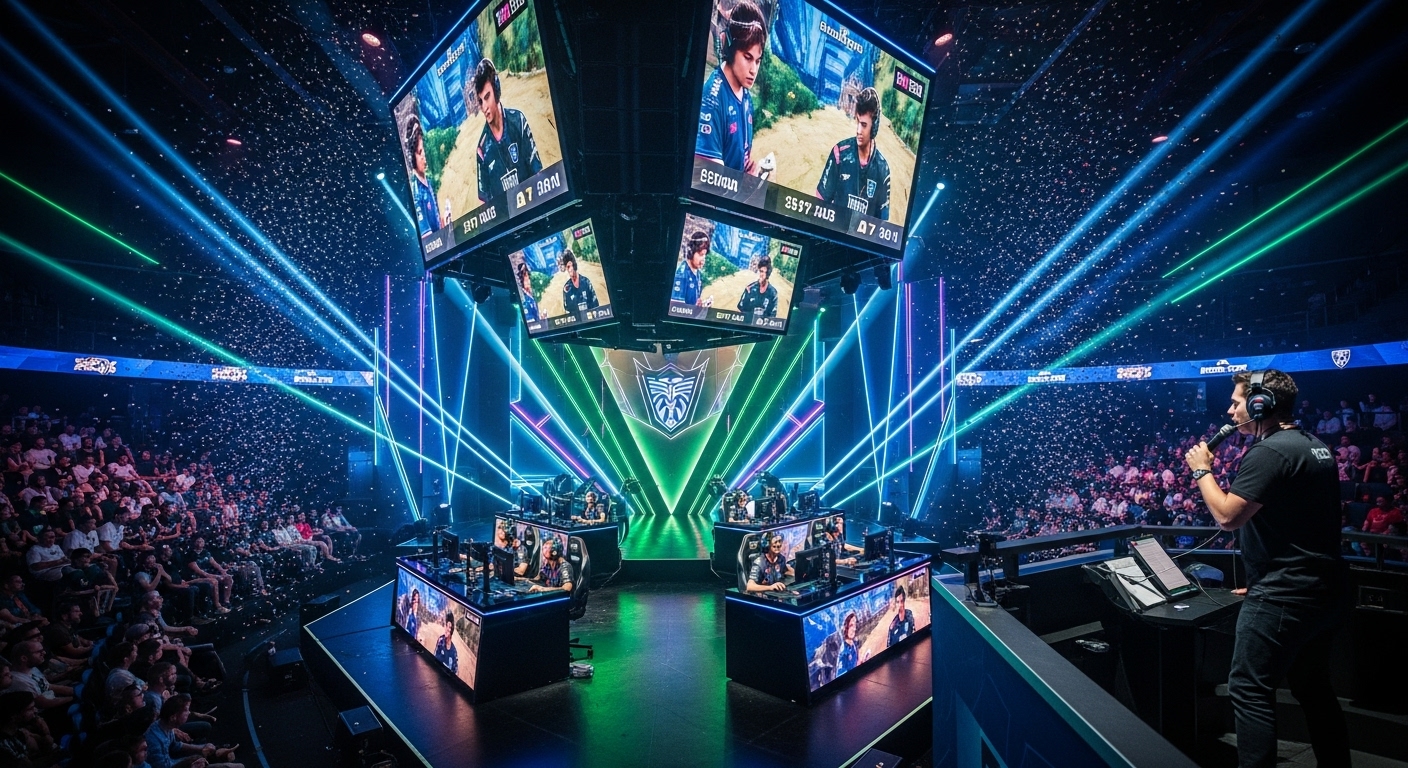
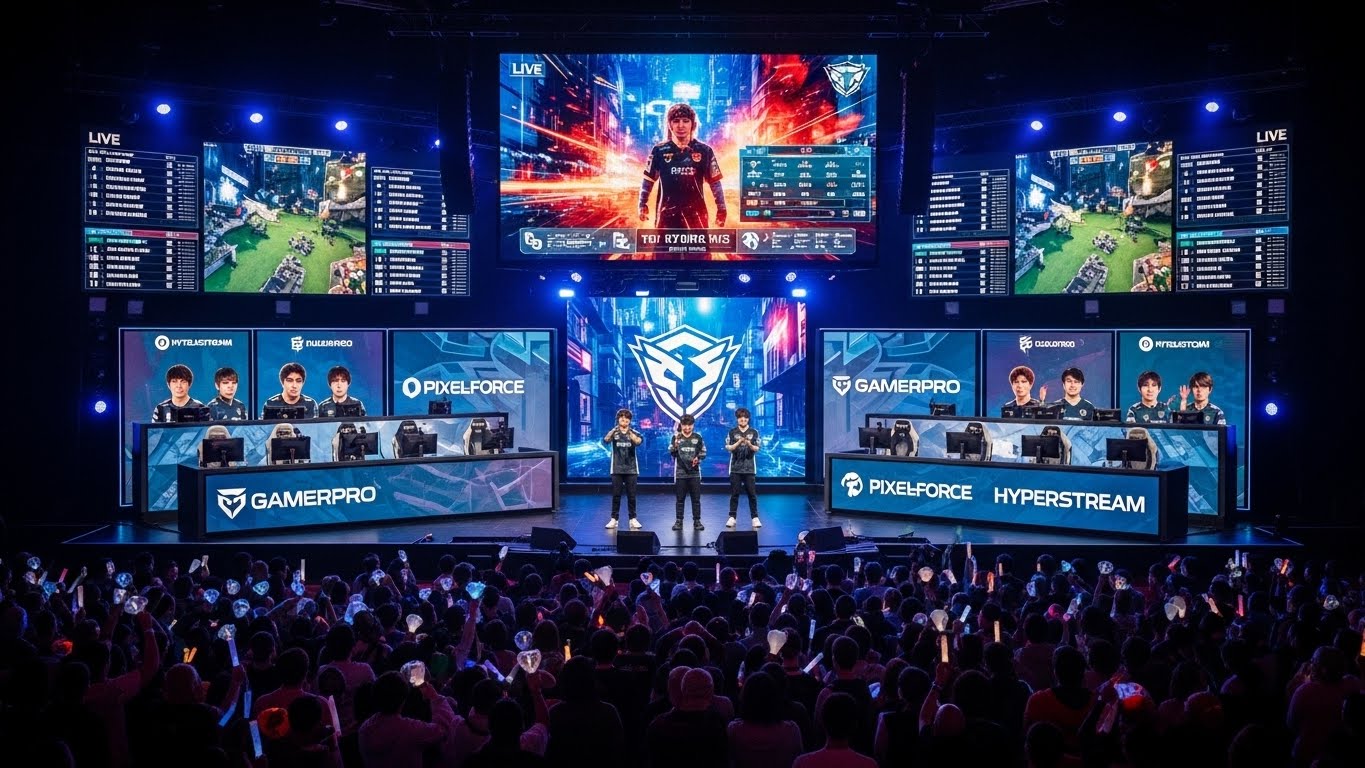
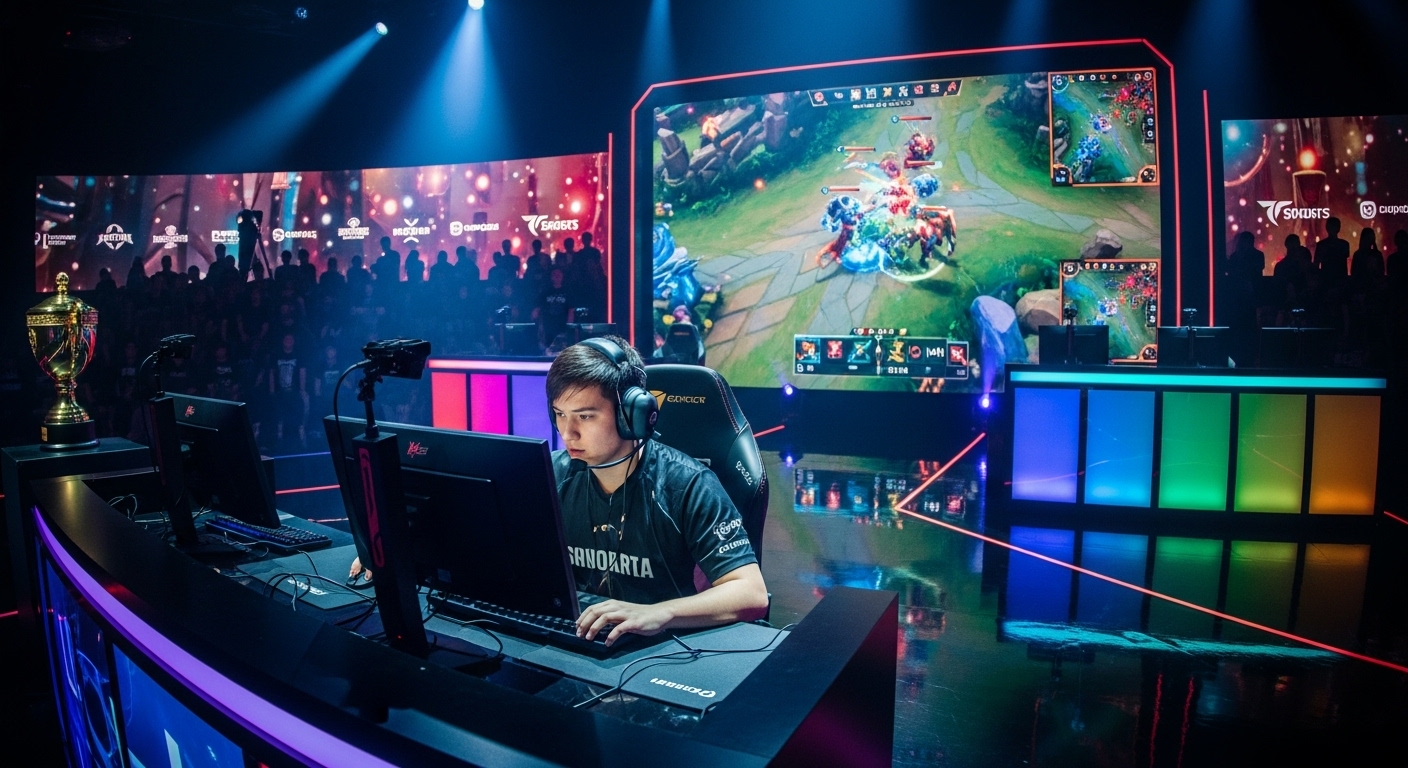
Esports has evolved from a niche hobby into a global phenomenon, capturing the attention of millions worldwide. Unlike traditional sports that rely on physical performance, esports centers on skill, strategy, and coordination in virtual environments. What began as casual gaming competitions among friends has transformed into a professional industry with organized leagues, multi-million-dollar prize pools, and dedicated fan communities. Today, esports is more than just games; it is a cultural and economic powerhouse that influences technology, media, and entertainment.
The History and Evolution of Esports
The concept of competitive gaming dates back to the late 1970s and early 1980s with arcade tournaments for games like Space Invaders and Pac-Man. These events were small but planted the seeds for organized competition. The 1990s marked a turning point with the rise of personal computers and multiplayer games. Titles such as StarCraft, Quake, and Counter-Strike created communities that competed in local and online tournaments, laying the foundation for modern esports.
The 2000s brought a surge in popularity due to high-speed internet and streaming technology. Platforms like Twitch allowed players and fans to connect in real time, making esports accessible to global audiences. Today, esports tournaments fill stadiums, attract millions of online viewers, and have become a serious career path for many professional gamers.
Major Game Genres in Esports
Esports encompasses various game genres, each with its own strategies, fan base, and competitive scene.
Multiplayer Online Battle Arenas (MOBA): Games like League of Legends and Dota 2 dominate this category. MOBA games require teamwork, tactical decision-making, and quick reflexes. Players control unique characters with specific abilities, working together to destroy the opponent’s base. MOBA tournaments often attract millions of viewers, with prize pools reaching tens of millions of dollars.
First-Person Shooters (FPS): FPS games such as Counter-Strike: Global Offensive, Valorant, and Call of Duty test players’ aiming skills, reflexes, and teamwork. FPS esports has a massive following, with professional teams competing in regional and global tournaments for recognition and prize money.
Battle Royale Games: Games like Fortnite and PUBG introduced a survival-based approach to competition. Players or teams compete to be the last one standing, emphasizing strategy, adaptability, and skill under pressure. These games combine the excitement of large-scale competitions with individual and team-based tactics.
Sports Simulation and Fighting Games: FIFA, NBA 2K, and Street Fighter appeal to fans of traditional sports and one-on-one combat games. These titles require mastery of game mechanics and strategy, offering an esports experience that mirrors real-world sports competitions.
Real-Time Strategy (RTS) and Card Games: Games such as StarCraft II and Hearthstone demand strategic thinking, planning, and resource management. Though less visually flashy than other genres, they maintain a dedicated fan base and highly skilled competitive scene.
The Structure of Professional Esports
Professional esports closely mirrors traditional sports in structure and organization. Teams have coaches, analysts, managers, and support staff. Players undergo rigorous training, practicing for multiple hours daily to refine skills, coordination, and communication. Tournaments range from local competitions to global championships, often accompanied by live streaming, commentary, and fan interactions.
The financial dimension of esports has grown significantly. Top-level tournaments now feature prize pools in the millions, while sponsorships and endorsements contribute additional revenue. Brands from technology, energy drinks, and apparel industries invest heavily in esports organizations, seeing it as a way to reach a young, engaged audience.
Professional esports teams have become full-fledged organizations, with contracts, dedicated facilities, health programs, and even psychological support for players. This professionalization has helped esports gain legitimacy and attract mainstream attention.
The Influence of Streaming and Media
Streaming platforms have been crucial to the growth of esports. Services like Twitch and YouTube Gaming allow fans to watch matches, interact with players, and enjoy commentary in real time. This accessibility contrasts with traditional sports, which rely on television networks for broadcasting.
Streaming has also created opportunities for aspiring players. Talented individuals can showcase their abilities online, build a fan following, and attract professional team offers. Esports commentary, or casting, has developed into a specialized skill, combining technical analysis with entertainment, humor, and storytelling. Social media platforms amplify the reach, allowing highlights, memes, and viral content to spread across the globe.
Career Opportunities in Esports
Esports offers a wide range of career paths. Professional players can earn substantial incomes from tournament winnings, sponsorships, and streaming revenue. However, the ecosystem also supports careers for coaches, analysts, event organizers, commentators, game developers, marketers, and social media managers.
Educational institutions worldwide are recognizing esports as a legitimate field of study. Universities offer esports scholarships, degree programs in game management, and courses in digital marketing and content creation. Countries like South Korea, China, and the United States have been at the forefront of integrating esports into academic programs, providing young talent with opportunities to turn their passion into a profession.
Cultural and Global Impact
Esports has become a global cultural movement, transcending national and linguistic barriers. International tournaments unite players and fans from around the world, fostering a shared sense of excitement and community.
In South Korea, esports is part of mainstream culture, with professional players celebrated as celebrities. In other countries, governments and private investors are developing esports infrastructure, creating arenas, training facilities, and regional leagues.
Esports has also helped bridge generational gaps. Parents and older audiences who once dismissed gaming now participate in viewing events, attending competitions, and even supporting their children’s gaming pursuits. This cross-generational engagement highlights esports’ influence as a new form of entertainment and social interaction.
Challenges Facing Esports
Despite its rapid growth, esports faces several challenges. Player burnout is a major concern, as long hours of practice and competition can lead to physical and mental stress. Organizations are increasingly introducing health programs and structured schedules to mitigate these effects.
Maintaining fair play and integrity is another challenge. Cheating, match-fixing, and hacking threaten the credibility of competitions. Strict regulations, anti-cheat systems, and disciplinary measures are essential to preserve competitive integrity.
Gender diversity remains limited in esports. While female players are making progress, the scene continues to be male-dominated. Efforts to create inclusive environments and encourage participation from underrepresented groups are ongoing.
Commercialization presents another challenge. As the industry grows, balancing profitability with community values is essential to maintain authenticity and fan engagement.
The Future of Esports
The future of esports is promising. Emerging technologies such as virtual reality, augmented reality, and artificial intelligence will create immersive gaming and spectator experiences. Virtual arenas and interactive viewing options could redefine how audiences engage with esports competitions.
Educational institutions will likely play a larger role, integrating esports into curricula, campus activities, and scholarship programs. Government recognition of esports as an official sport may pave the way for inclusion in international multi-sport events.
Advancements in cloud gaming and faster internet connectivity will make esports accessible to players from all regions, expanding global participation. As technology evolves, esports will continue to merge competition, entertainment, and community, creating a universal digital experience for players and fans alike.
Conclusion: Esports as a Defining Entertainment Force
Esports has transformed from casual gaming into a global industry that redefines competition and entertainment. It brings together players and fans, fosters innovation, and creates new economic and cultural opportunities. With its blend of strategy, skill, and community engagement, esports represents a new era in entertainment, one that thrives in the digital age.
As esports continues to grow, it will remain a dynamic force that inspires creativity, nurtures talent, and connects people worldwide. It is no longer just a game — it is a testament to the power of digital culture and the limitless potential of virtual competition.