Introduction
Esports has rapidly grown from a small gaming subculture into one of the most influential industries in modern entertainment. What used to be a hobby for dedicated gamers is now a global spectacle attracting millions of viewers, huge sponsorships, major tournaments, and professional athletes who train with precision and dedication. The rise of esports is not just a trend; it is a cultural revolution shaped by technology, community, and a new definition of competition. This blog dives deep into the world of esports, exploring how it emerged, why it matters, and where it is heading.
The Early Days of Competitive Gaming
Long before esports became a billion-dollar industry, competitive gaming started in small, tight-knit communities. Early competitions took place in arcades where players battled for high scores on classic games. These gatherings were casual, yet they planted the seeds for what would become a global phenomenon.
By the late 1990s and early 2000s, the internet made it possible for gamers to connect digitally. Online multiplayer games introduced a new level of competitive spirit. Local tournaments grew into national events, and eventually, international championships emerged. This period marked the beginning of esports as we recognize it today, laying the foundation for organized leagues and professional opportunities.
Esports and the Growth of Gaming Genres
Esports expanded alongside different game genres that captured the attention of players and spectators alike. Each genre brought its own style of competition, crowd appeal, and strategic depth.
Multiplayer online battle arenas became one of the strongest pillars of esports. Games in this genre emphasize teamwork, strategy, and communication, attracting massive audiences who enjoy the dynamic and unpredictable nature of each match.
First-person shooters created fast-paced competitions built on precision and reflexes. These games became iconic in esports history, with tournaments and leagues dedicated to showcasing the skills of top-tier players.
Fighting games contributed another exciting dimension, blending competitive mechanics with the intensity of one-on-one battles. Fans of these games appreciate the skill and mental discipline required to compete at the highest level.
Sports simulation games also found their place in esports. Titles inspired by real-world sports give fans a familiar environment while adding the thrill of digital competition.
Each genre within esports played a crucial role in shaping its overall culture, giving audiences around the world a diverse range of experiences.
The Power of Streaming and Online Platforms
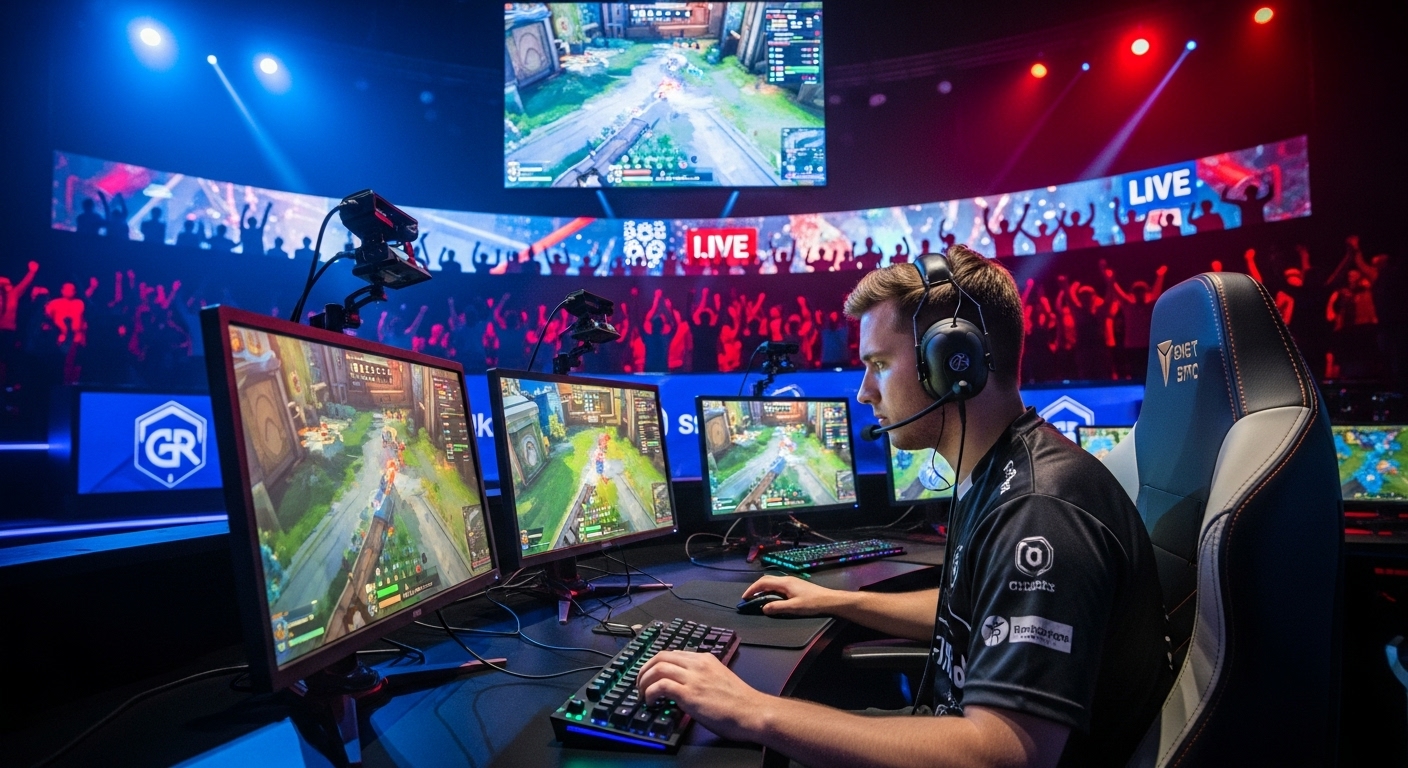
One of the reasons esports exploded in popularity is the rise of live-streaming platforms. Before streaming, viewers relied on recorded content or limited broadcast coverage. Now, fans can watch matches live, cheer for their favorite players, and engage with the community instantly.
Streaming has created a direct connection between players and audiences. Professional gamers share their gameplay, strategies, and personal stories, building loyal fan bases. Amateur players also stream, hoping to grow their presence and enter professional circuits.
Viewers can interact through comments, reactions, and live discussions. This sense of immediate and shared emotion makes esports far more interactive than traditional broadcasts. It has transformed gaming into a highly social experience, strengthening the bond between players and spectators.
The Economics Behind Esports
The economic growth of esports has been extraordinary. What started as small cash prizes has evolved into an industry involving sponsorships, media partnerships, merchandise sales, and enormous tournament payouts. Professional teams operate like traditional sports franchises, complete with managers, coaches, analysts, and training facilities.
Sponsors from technology, lifestyle, energy drinks, and even automotive industries invest heavily in esports because it reaches younger audiences who are digitally active and passionate about the culture. As the industry grows, so do its opportunities, creating jobs related to broadcasting, marketing, event management, and game design.
Many esports tournaments now boast prize pools worth millions, attracting top talent from around the world. The financial success of the industry proves that competitive gaming is not just a hobby but a professional career for many.
Training and Discipline in Esports
Many people outside the gaming world assume esports athletes simply play games all day. In reality, professional players undergo rigorous training similar to traditional athletes. Their schedules include mechanical practice, mental conditioning, team coordination exercises, and analysis of opponents’ gameplay.
Esports requires fast reflexes, strategic thinking, communication skills, and emotional control. Players often train for hours daily, work with nutritionists, engage in physical exercise, and attend team meetings. The discipline involved demonstrates that esports is a serious and demanding profession.
Building a Global Community
Esports brings people together from different cultures, languages, and backgrounds. Fans from across the world gather online and at live events to celebrate their love for competitive gaming. This global connection fosters friendships, collaborations, and shared excitement.
Online forums, social groups, and dedicated communities allow fans to discuss strategies, match highlights, and predictions. The digital nature of esports ensures that anyone with an internet connection can participate, whether as a viewer or player.
Esports has also become a path for aspiring individuals in regions where traditional sports or entertainment opportunities are limited. It offers a platform where talent and dedication matter more than physical location or background.
Esports Events and Tournaments
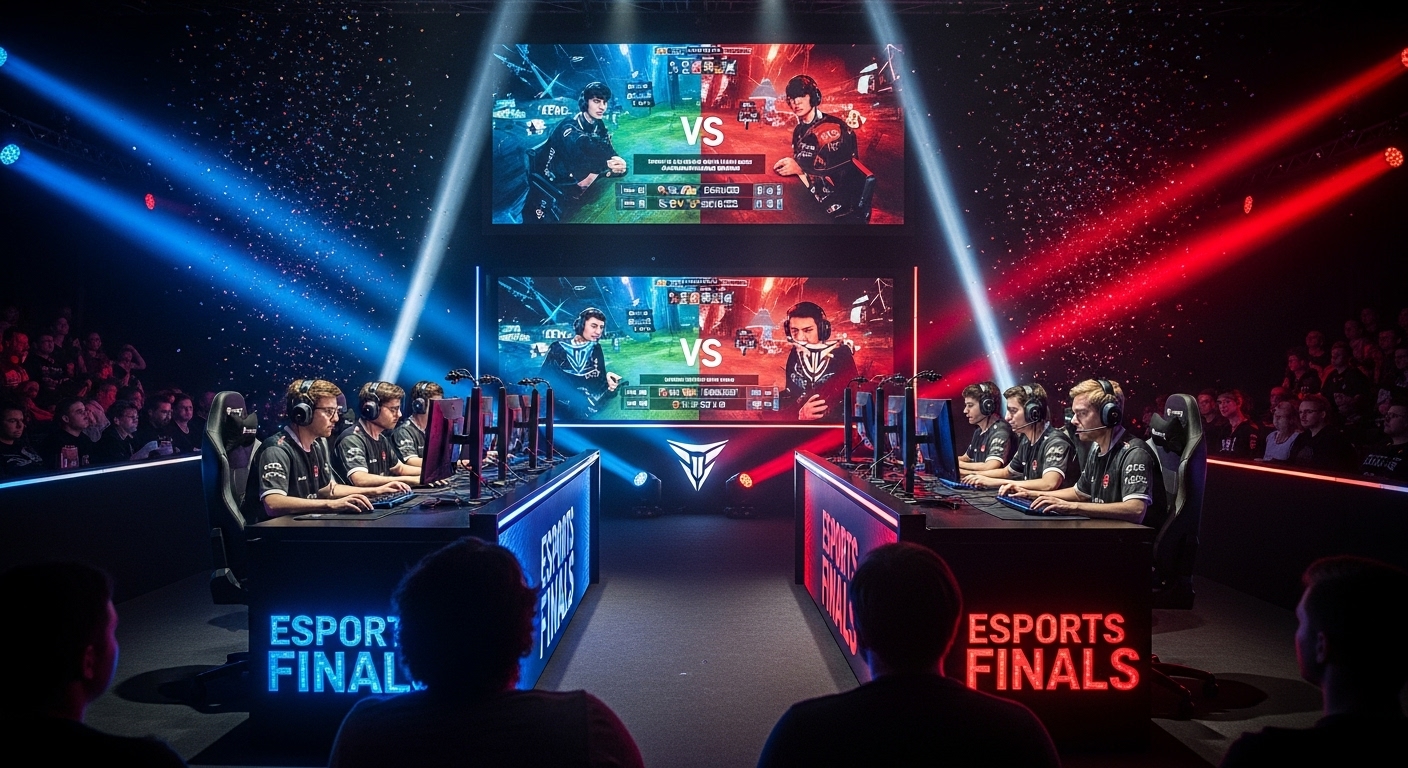
Esports tournaments have grown into major global events. These competitions feature elaborate stage setups, professional commentators, dramatic lighting, and enthusiastic crowds. Some tournaments fill entire stadiums, creating an atmosphere comparable to major traditional sporting events.
International tournaments unite players and fans from around the world. Spectators experience the excitement of live competition, rooting for their favorite teams and witnessing historical moments in esports history.
The growing scale of these events demonstrates the cultural importance of esports. They have become celebrations of skill, technology, and global community.
Technology’s Impact on Esports Advancement
Technology sits at the heart of esports. High-performance gaming equipment, advanced graphics engines, and stable online infrastructures enhance both gameplay and viewer experiences. Innovations in broadcasting deliver high-quality streams, replays, and commentary that elevate the spectacle.
Data analytics help teams analyze opponents’ strategies and improve performance. Artificial intelligence supports training routines and assists with game balancing. As technology evolves, esports will become even more immersive and interactive.
Virtual reality and augmented reality are expected to introduce new forms of competitive experiences, giving players and audiences fresh and exciting dimensions.
Education, Opportunities, and Esports Programs
Schools and universities are beginning to recognize esports as a legitimate field with academic potential. Many institutions have launched esports clubs, scholarships, and degree programs related to gaming, broadcasting, and digital media.
These programs provide aspiring gamers with structured paths into the industry, offering opportunities to develop skills in leadership, communication, and technology. Educational involvement also helps reduce stigma around gaming and highlights the value of esports as a modern career option.
The Future of Esports
Esports shows no signs of slowing down. As technology, gaming culture, and global connectivity continue to grow, esports will evolve with them. Future developments may include more cross-cultural tournaments, innovative competitive formats, and advanced digital environments for both players and fans.
The industry is likely to expand further into mainstream entertainment, collaborating with music, film, sports, and fashion. Mobile gaming will continue to introduce new audiences, especially in regions where console or PC gaming is less accessible.
Esports has become more than a trend. It is a long-term force shaping modern entertainment and culture.
Conclusion
The rise of esports symbolizes the transformation of gaming into a respected and influential form of global competition. It blends technology, skill, teamwork, community, and creativity into a powerful industry with limitless potential. Esports has become a modern arena where passion meets professionalism, and where millions gather to celebrate the thrill of competition.
As we look to the future, one thing remains clear: esports has transcended the screen and become an integral part of the world’s cultural landscape. It continues to grow, inspire, and connect people in ways that redefine what entertainment truly means.