Introduction: The Emergence of a Digital Phenomenon
Over the past decade, the world of competitive gaming, known as esports, has evolved from niche hobby to mainstream entertainment. Once dismissed as mere pastime, esports has grown into a billion-dollar industry with professional players, massive tournaments, and global audiences. Unlike traditional sports, esports thrives entirely in the digital space, leveraging technology, creativity, and strategy. This transformation has redefined what it means to be a competitor and what it means to be a fan.
Esports is more than just playing video games; it is a structured and highly competitive ecosystem. Players train rigorously, coaches strategize, and analysts study every move and statistic. The sheer dedication and skill involved rival those seen in conventional sports. As we explore esports, it becomes clear that its growth is not just a trend—it is a revolution in how people perceive sports, entertainment, and community.
The History of Esports: From Arcades to Global Stages
Esports has a surprisingly rich history that dates back to the 1970s. Early competitive gaming took place in arcades and universities, with players competing in games like Pong and Space Invaders. The first known video game tournament occurred in 1972 at Stanford University, where participants competed in the game Spacewar.
The 1980s and 1990s saw the rise of home consoles and personal computers, which expanded the competitive scene. Games like Street Fighter, StarCraft, and Counter-Strike became popular among early esports enthusiasts. However, it was the advent of high-speed internet that truly propelled esports into a global phenomenon. Online multiplayer gaming allowed players from different countries to compete in real time, setting the stage for the massive tournaments and leagues we see today.
Major Esports Titles and Their Impact
Today, the esports landscape is dominated by a few key game genres, each offering unique competitive dynamics. Multiplayer online battle arena games, or MOBAs, like League of Legends and Dota 2, require strategic thinking, teamwork, and quick reflexes. First-person shooters, such as Counter-Strike: Global Offensive and Call of Duty, emphasize precision, communication, and tactical execution. Fighting games, real-time strategy games, and sports simulations also hold their own competitive communities.
Each game not only entertains players but also fosters a vibrant community of fans. Streamers, commentators, and content creators contribute to a rich ecosystem around each title, turning games into cultural phenomena. The success of these titles demonstrates that esports is not solely about playing a game—it is about storytelling, personalities, and shared experiences that unite global audiences.
The Professionalization of Esports
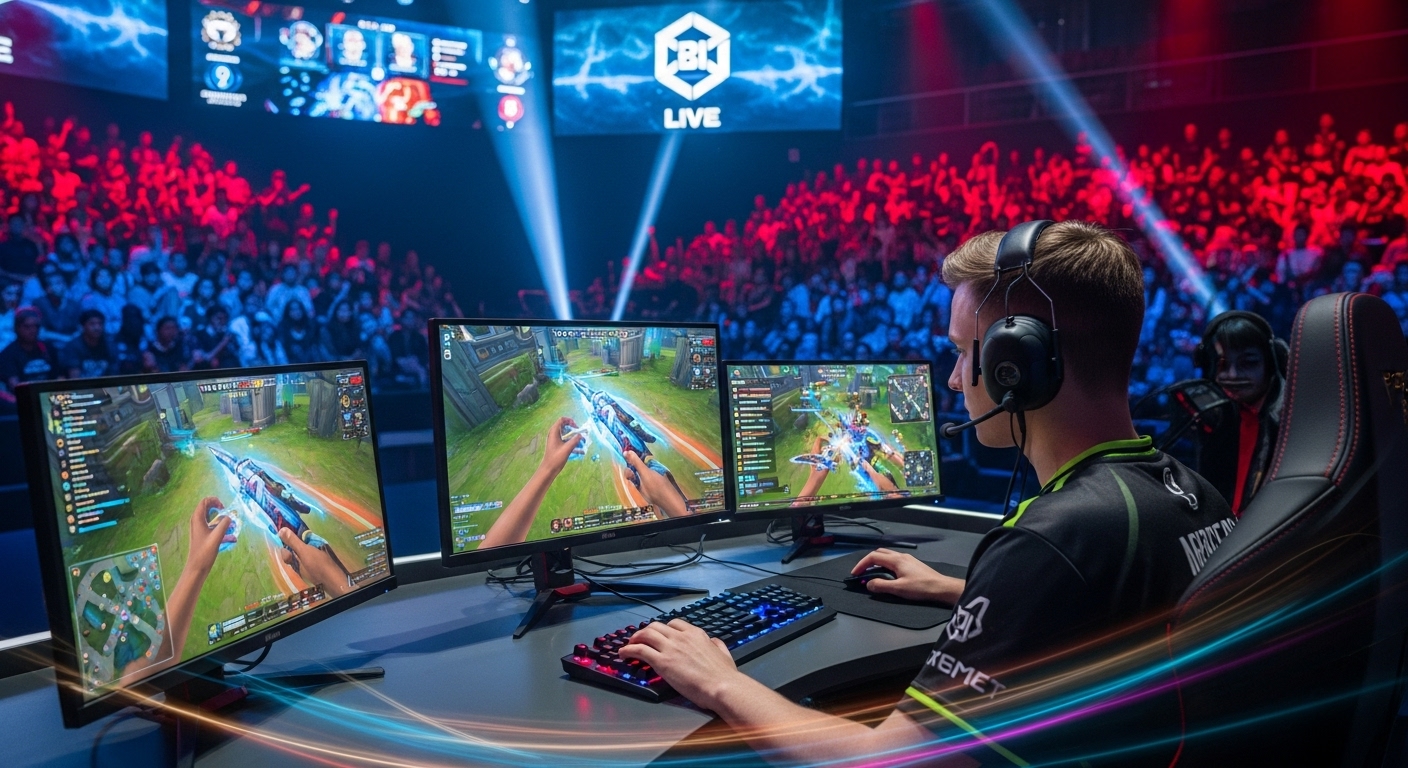
One of the most remarkable aspects of esports is its professionalization. Professional esports players are no longer casual gamers; they are athletes in every sense. Teams recruit and train players full-time, offering salaries, benefits, and sponsorship opportunities. These players follow strict training regimens that include hours of practice, physical fitness routines, mental coaching, and even nutrition plans.
Esports organizations also employ coaches, analysts, and managers, mirroring traditional sports structures. They study opponents, analyze gameplay statistics, and design strategies to gain an edge in competitions. This level of professionalism has attracted investors and sponsors, further legitimizing esports as a serious career path. The emergence of esports academies and structured training programs ensures that aspiring players can develop their skills in a disciplined environment.
Global Tournaments and the Spectacle of Competition
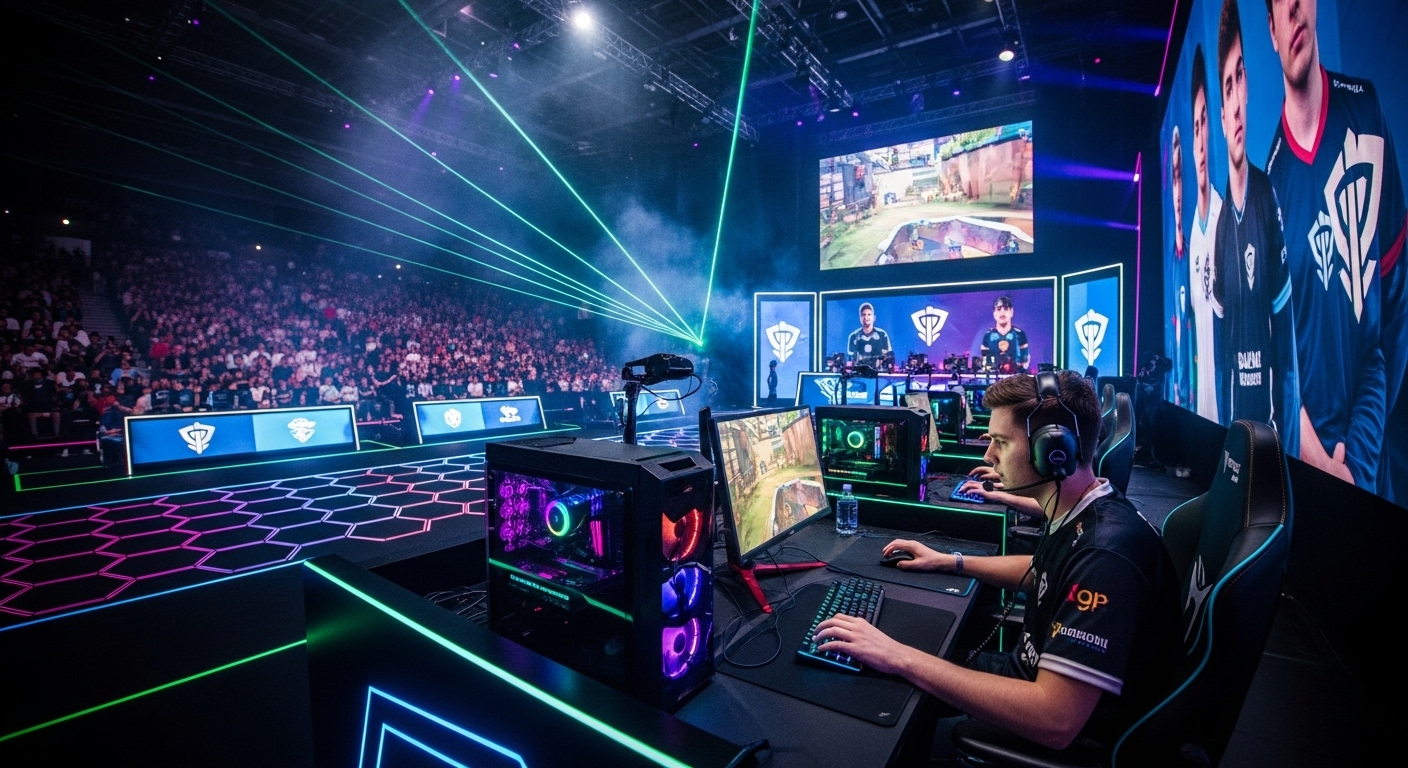
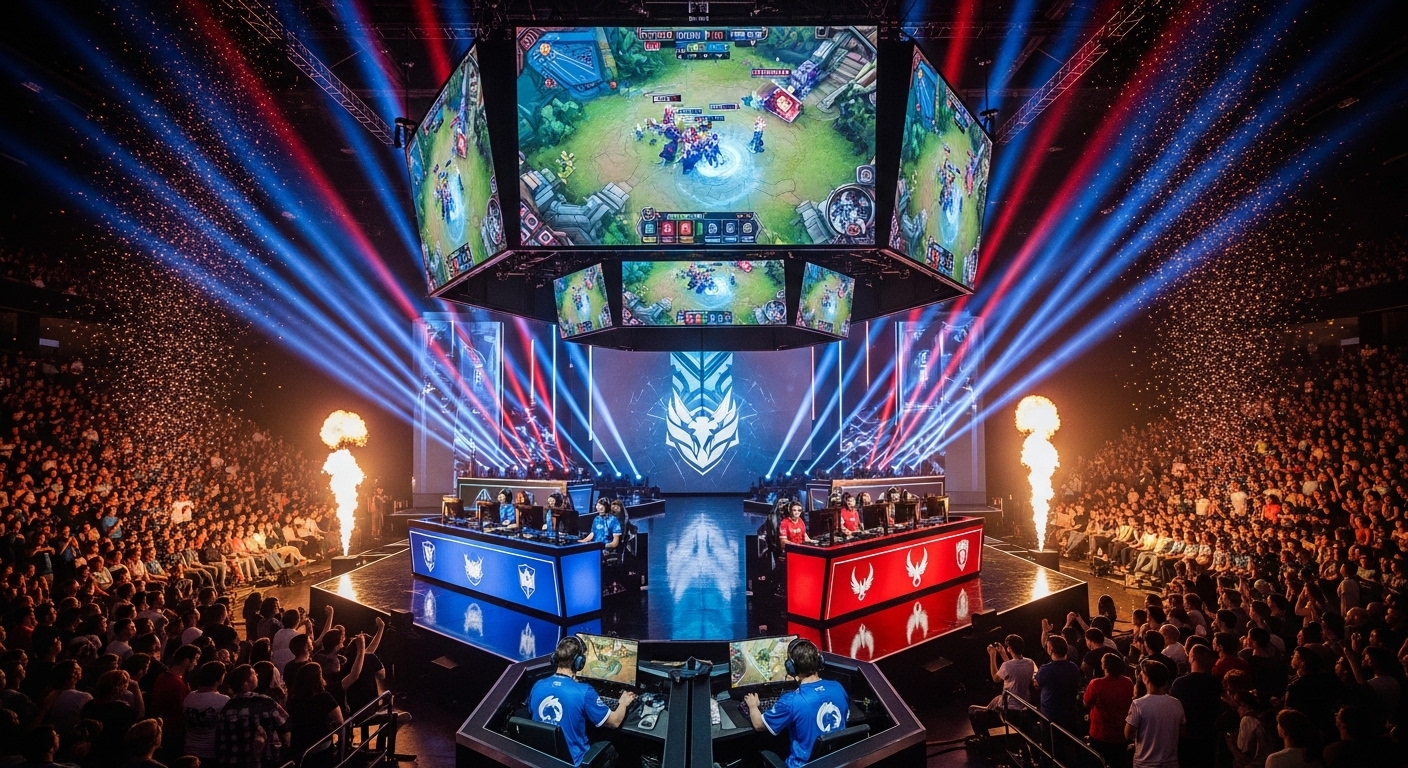
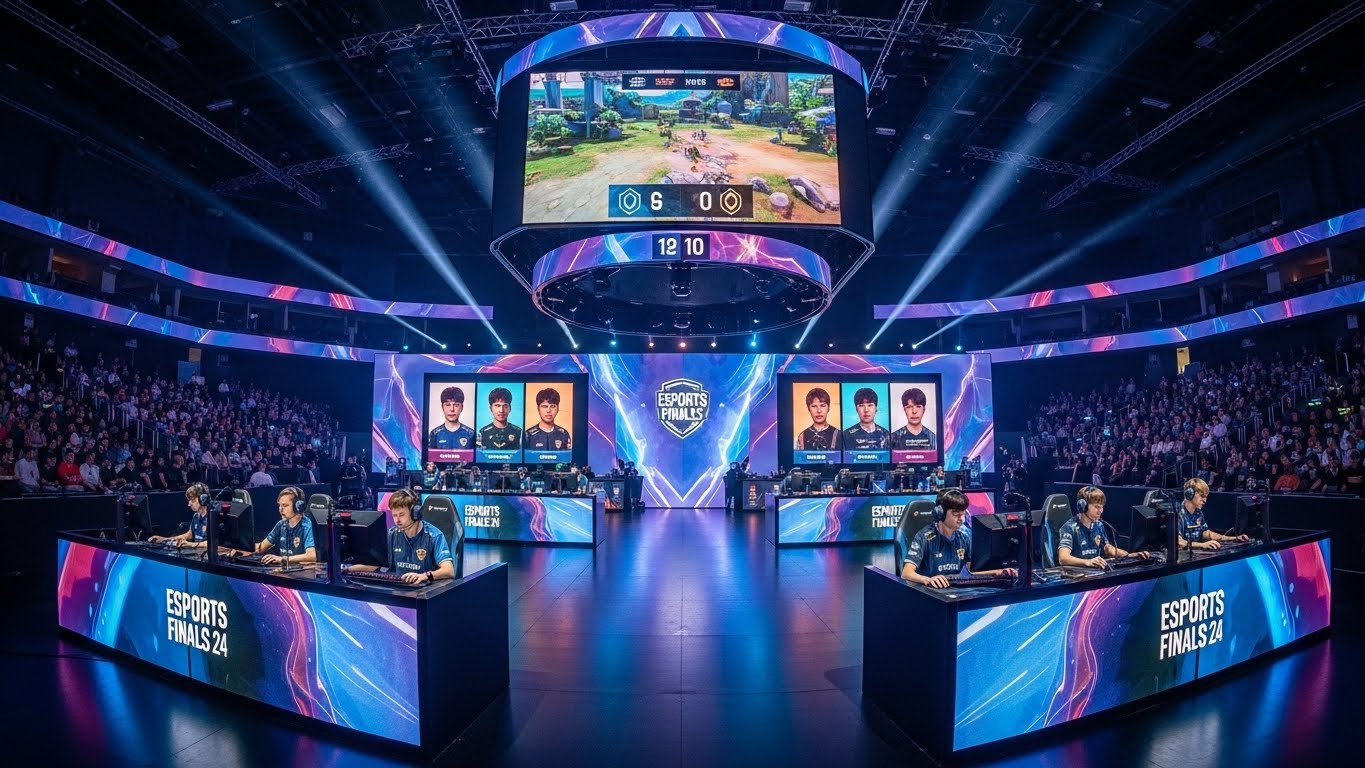
Esports tournaments have become grand spectacles, attracting millions of viewers worldwide. Events like The International, League of Legends World Championship, and the Fortnite World Cup offer prize pools in the millions of dollars, rivaling traditional sports championships. The production quality of these events is on par with major television broadcasts, featuring live commentary, cinematic intros, and elaborate stage designs.
The global reach of these tournaments allows fans from different continents to connect and engage in real time. Streaming platforms play a crucial role in this phenomenon, providing instant access to live matches and interactive content. The rise of esports broadcasting has created a new form of entertainment, where the excitement of competition is enhanced by the ability to engage with commentators and fellow fans simultaneously.
The Economics of Esports: Industry Growth and Revenue Streams
The financial growth of esports is staggering. The industry generates revenue through multiple channels, including sponsorships, media rights, merchandise sales, ticket sales, and streaming platforms. Brands across various sectors, from technology to fashion, invest in esports to reach a young and digitally savvy audience.
Sponsorships are particularly influential, as companies pay top dollar to associate with popular teams and tournaments. Media rights for broadcasting major events also contribute significantly, with streaming platforms monetizing viewership through subscriptions and advertising. Merchandise and in-game purchases provide additional revenue, allowing fans to support their favorite teams and players. This diversified economic model ensures the sustainability and continued expansion of esports as a global industry.
Esports and Technology: Innovation Driving Engagement
Technology plays a central role in the growth of esports. High-performance gaming hardware, fast internet connections, and sophisticated software platforms enable seamless competition. Beyond the basics, innovations such as virtual reality, augmented reality, and artificial intelligence are beginning to shape the esports experience. VR and AR can transform gameplay into immersive experiences, while AI assists with training, strategy analysis, and fan engagement.
Social media and streaming platforms have also revolutionized the way fans interact with esports. Live streaming, instant highlights, and interactive content create a sense of community and participation. Technology not only supports the competitive aspect of esports but also enhances storytelling, branding, and fan engagement, making the industry more dynamic and accessible.
The Cultural Impact of Esports
Esports is more than a form of entertainment; it is a cultural movement. It has challenged traditional notions of sports, competition, and celebrity. Professional gamers are now household names, with fan followings rivaling those of traditional athletes. Esports has also influenced fashion, music, and digital culture, contributing to the rise of gamer-centric media and events.
The community aspect of esports cannot be understated. Online forums, streaming chats, and fan clubs create spaces for shared passion and social interaction. For many, esports provides a sense of belonging and identity, connecting people across geographical and cultural boundaries. This cultural significance is a major reason why esports has grown beyond a niche interest into a global phenomenon.
Challenges Facing Esports
Despite its rapid growth, esports faces several challenges. Player burnout and mental health concerns are significant issues due to the high-pressure environment and long hours of practice. Cheating and hacking also pose threats to the integrity of competitions. Additionally, the lack of standardized regulations and governance in some regions can create uncertainty and hinder sustainable growth.
Another challenge lies in public perception. While esports has gained recognition, some skeptics still dismiss it as entertainment rather than legitimate sport. Addressing these challenges requires continued investment in player welfare, fair play measures, and education about the competitive and strategic aspects of esports.
The Future of Esports: Opportunities and Possibilities
The future of esports is filled with exciting possibilities. As technology continues to advance, esports will likely become even more immersive, interactive, and accessible. Cloud gaming, virtual reality tournaments, and AI-assisted coaching could redefine the competitive landscape. Additionally, integration with traditional sports and educational programs may further legitimize esports as a career path and social institution.
Global expansion will continue to play a crucial role, with emerging markets contributing new talent, audiences, and investment. Esports could also influence other entertainment industries, inspiring crossovers with movies, music, and live events. The potential for esports to become a permanent fixture in global culture is immense, driven by innovation, creativity, and community engagement.
Conclusion: Esports as a Catalyst for Change
Esports represents a transformative shift in entertainment, competition, and digital culture. It has evolved from humble beginnings into a professional, global industry with millions of dedicated fans. Beyond the spectacle and financial growth, esports fosters community, creativity, and innovation, offering opportunities for players and audiences alike.
As the industry matures, it will continue to challenge traditional notions of sports and entertainment, providing a platform where skill, strategy, and personality converge. Esports is not just the future of gaming—it is a reflection of how technology and culture can come together to redefine human experiences. For players, fans, and entrepreneurs, esports is a digital arena where opportunity, passion, and innovation collide.