Over the past decade, esports has evolved from a niche pastime into a global phenomenon. Once considered a subculture, esports has now established itself as a legitimate and thriving industry, with millions of fans, professional players, and huge financial investments. From the first LAN parties to sold-out arenas, esports has transformed the way people view competitive gaming and entertainment. In this post, we will explore the growth of esports, its impact on the gaming industry, and the future of this electrifying world.
What is Esports?
Esports, short for electronic sports, refers to organized, multiplayer video game competitions, particularly between professional players, individually or as teams. Unlike casual gaming, esports requires skill, strategy, and teamwork, with players competing in popular titles across genres like strategy, first-person shooters, and sports simulations. Popular games such as League of Legends, Dota 2, Counter-Strike: Global Offensive, Overwatch, and Fortnite have paved the way for competitive gaming to become a mainstream activity.
The competitive aspect of esports is often associated with large-scale tournaments, where top players and teams from around the world compete for substantial cash prizes, sponsorships, and glory. These events attract thousands of live viewers and millions more online, making esports a highly engaging and globally recognized phenomenon.
The Growth of Esports
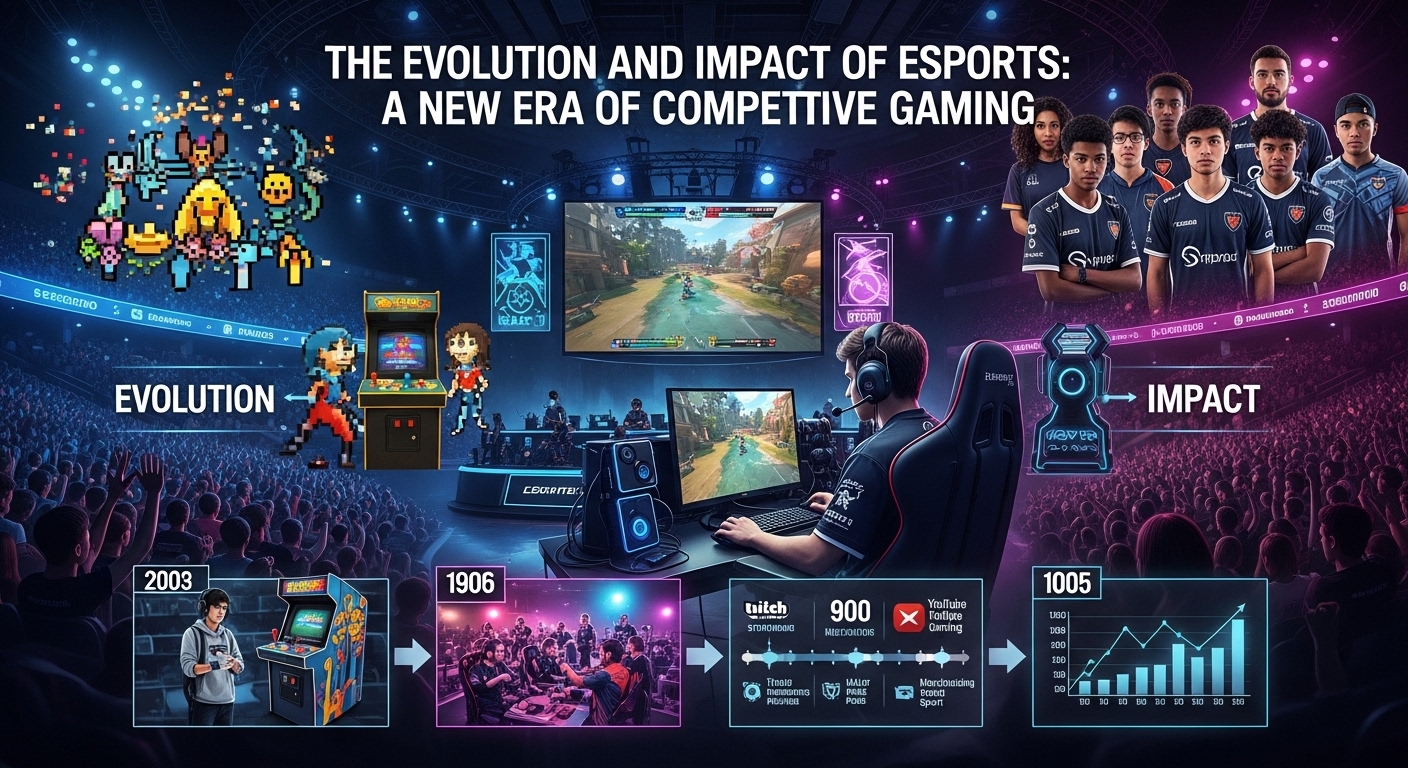
The rise of esports can be traced back to the early 2000s when competitive gaming began to move beyond local tournaments into more organized, international events. However, it wasn’t until the late 2000s and early 2010s that esports truly began to gain momentum, driven by the advent of platforms like Twitch, YouTube, and various streaming services. These platforms made it easier for fans to watch their favorite players and teams live, creating a new avenue for the esports community to flourish.
One of the major milestones in esports’ growth was the launch of games that emphasized team play and required skill and coordination. League of Legends, released in 2009, was one such game that revolutionized the esports scene. Riot Games, the developer behind League of Legends, quickly recognized the potential of the competitive gaming market and began hosting regular tournaments that attracted top-tier players and thousands of spectators. Over time, these tournaments became more professional, with broadcasting contracts, sponsorship deals, and global audiences.
Another significant factor contributing to esports’ rapid rise was the growth of sponsorship and advertising opportunities. As esports became more popular, brands began to see the potential to market their products to a young, tech-savvy, and engaged audience. Sponsorship deals with companies like Coca-Cola, Intel, and Nike helped esports organizations grow their infrastructure and offer better incentives to players and fans alike. Prize pools for major esports tournaments grew exponentially, with The International, an annual Dota 2 tournament, featuring a prize pool of over $40 million in 2021.
Esports Ecosystem: Players, Teams, and Tournaments
Esports is not just about players; it’s an entire ecosystem comprising players, teams, coaches, analysts, and broadcasters. The competitive gaming scene has evolved into a multi-faceted industry, with various stakeholders contributing to its growth.
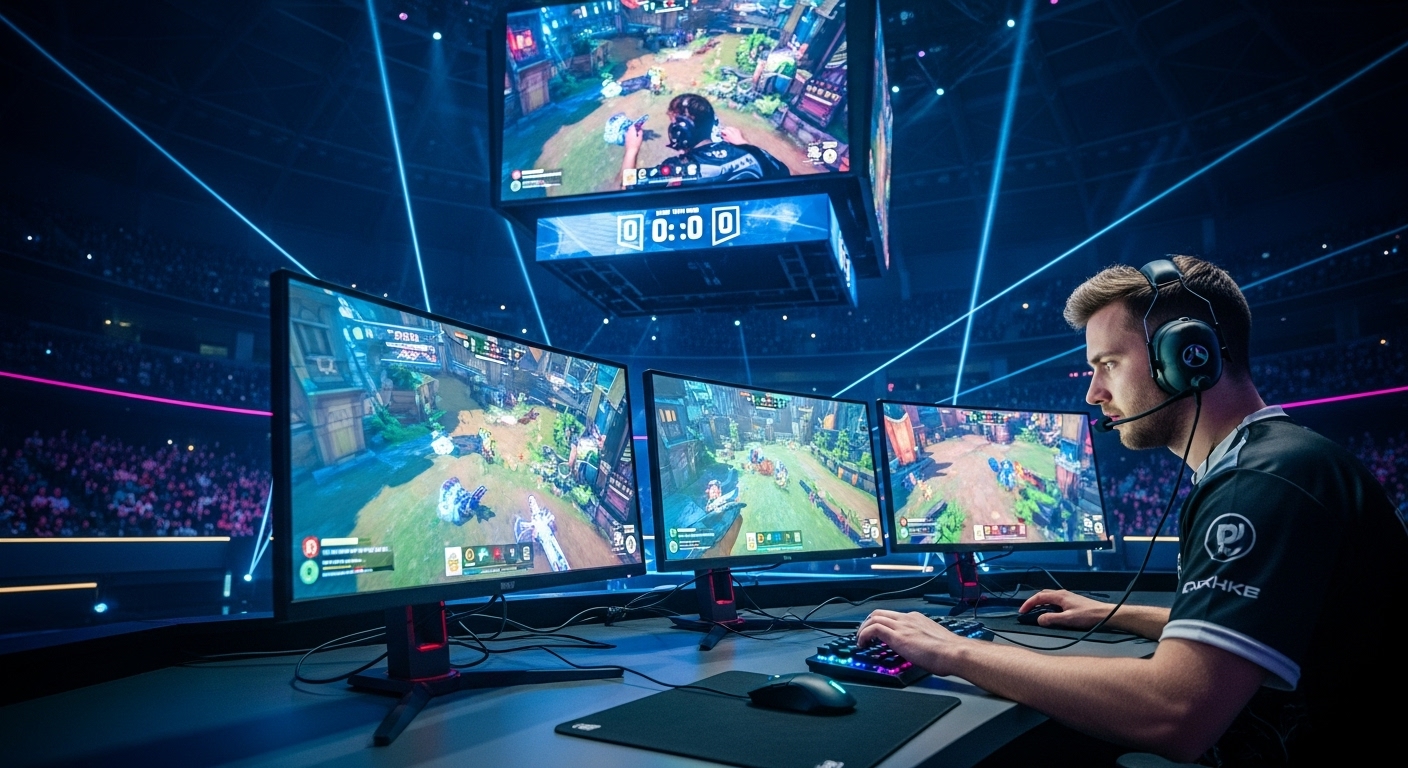
Players: Professional esports players are the heart and soul of the industry. Many players start their careers as casual gamers, participating in online matches and honing their skills. The road to becoming a professional is long and requires immense dedication, as only the most skilled players rise to the top. Unlike traditional athletes, esports players don’t require physical prowess, but they do need exceptional hand-eye coordination, strategic thinking, and the ability to work well in high-pressure environments.
Teams: Professional teams are organizations that sign top players and compete in various esports tournaments. These teams are often backed by large sponsors and investors, with each team having its own management structure, coaches, and analysts. Just like traditional sports teams, esports teams also have their own fanbase and brand identity. Teams like Team Liquid, Fnatic, Cloud9, and T1 have become household names, each cultivating a loyal following of fans around the world.
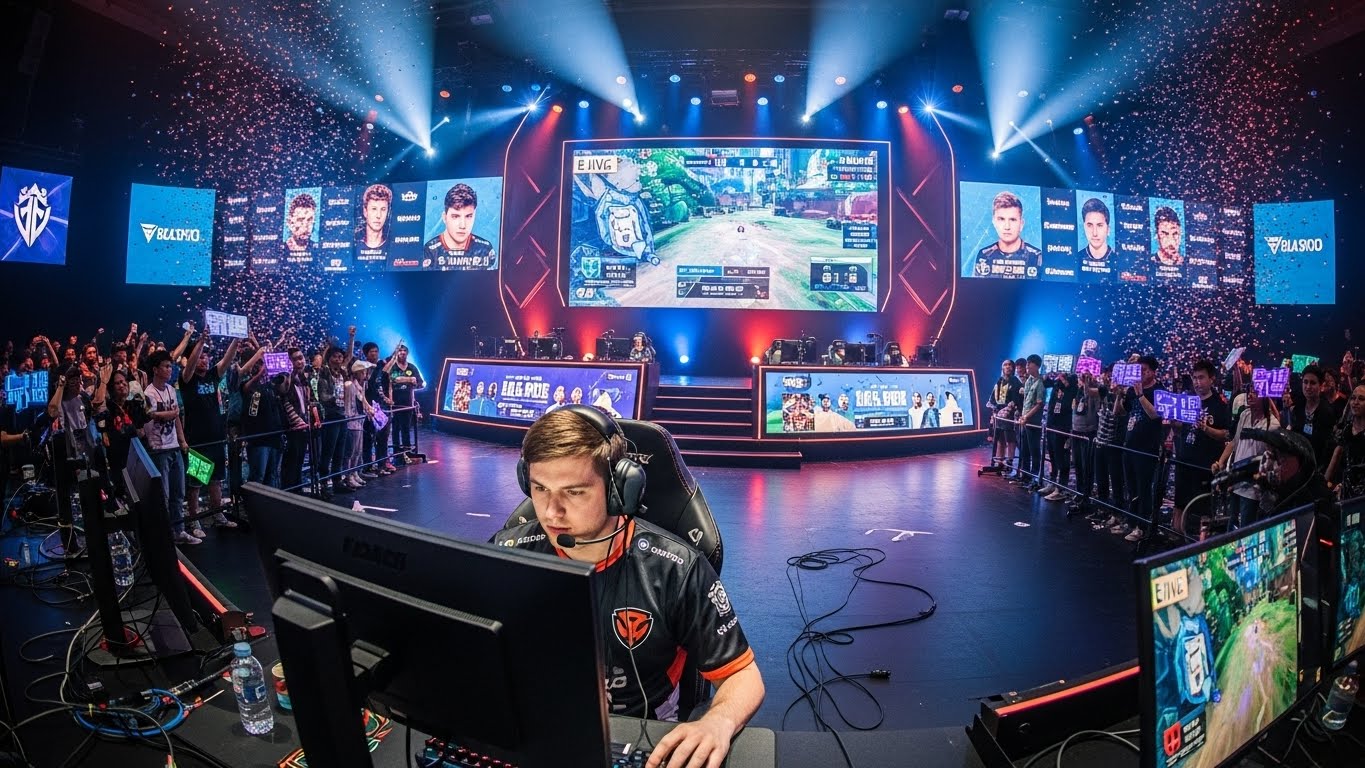
Tournaments: Tournaments are the pinnacle of competitive esports. These events are held at regional, national, and global levels, with the most prestigious tournaments often taking place in large arenas or convention centers. The prize pools for these tournaments can be substantial, often reaching millions of dollars. Major tournaments include The International, League of Legends World Championship, CS:GO Major Championships, and Overwatch League Finals. These events are not only opportunities for players to showcase their skills but also serve as entertainment spectacles for viewers, featuring live commentary, pre-match analysis, and post-match interviews.
The Global Audience: Why Esports is So Popular
One of the defining features of esports is its global reach. What was once a localized hobby has now become a worldwide phenomenon, with fans from every continent tuning in to watch live competitions. The global popularity of esports can be attributed to several factors.
Accessibility: Esports is easily accessible to people of all ages and backgrounds. All you need is an internet connection and a gaming device to participate in or watch esports events. Streaming platforms like Twitch and YouTube allow fans to watch live events from anywhere in the world, creating an inclusive and interconnected community of fans.
Engagement and Interaction: Esports offers fans the chance to engage with players and teams directly. Viewers can interact with streamers and players through live chats, social media, and fan events. This level of interaction fosters a sense of community and excitement that traditional sports have struggled to match. Fans also get the opportunity to cheer for their favorite players and teams, creating a passionate and loyal following.
Youth Appeal: Esports has a particularly strong appeal among younger audiences. According to various studies, the average age of an esports fan is between 18-34 years old, with a high concentration of viewers from Gen Z and millennials. This demographic is more likely to engage with digital content and is accustomed to consuming media through streaming platforms. Esports taps into this growing audience, offering content that is not only engaging but also tailored to their interests and preferences.
The Future of Esports
Esports has grown at an incredible pace, but it’s clear that the industry is still in its early stages. The future of esports is full of potential, with advancements in technology, infrastructure, and internationalization paving the way for even greater growth. Several trends are expected to shape the future of esports in the coming years.
Mainstream Integration: As esports becomes more mainstream, it’s likely that we’ll see further integration with traditional sports. Major sports leagues, including the NBA and NFL, are already investing in esports, either by creating their own esports leagues or partnering with established organizations. The synergy between traditional sports and esports could lead to a new era of hybrid competitions, where athletes from both worlds come together.
Expansion into New Markets: The esports industry has already achieved global reach, but certain regions, particularly in Asia, Europe, and North America, remain at the forefront. As the industry grows, emerging markets in Latin America, the Middle East, and Africa present untapped opportunities for expansion. New fans from these regions will likely play a crucial role in shaping the global esports scene in the future.
Esports as an Olympic Sport: One of the most debated topics in esports today is its potential inclusion in the Olympic Games. While the International Olympic Committee has yet to formally recognize esports as a legitimate Olympic sport, there have been discussions about its inclusion in future Games. Given the massive popularity of esports, it’s not out of the question that we could one day see professional esports players competing on the global stage at the Olympics.
Conclusion
Esports has firmly established itself as a global industry that is changing the way we view gaming, competition, and entertainment. With its massive global audience, professional players, and substantial financial backing, esports is far more than just a passing trend. It’s a dynamic and rapidly evolving ecosystem that continues to attract new fans, players, and investors each year. As the world of esports continues to grow and evolve, it will undoubtedly remain a central part of the digital entertainment landscape for years to come. Whether you’re a casual gamer or a die-hard fan, there’s no denying that esports is here to stay.