Introduction
Esports has rapidly transformed from a niche hobby into a global cultural force. What started as small gaming tournaments held in basements or local arcades has evolved into massive international events filling stadiums and capturing the attention of millions. The rise of esports represents more than just entertainment; it signals a shift in how we perceive competition, community, and even career opportunities. In today’s digital age, gaming is not just a pastime anymore. It is a legitimate profession, a booming industry, and a cultural connector for people of all backgrounds. This blog explores how esports has grown, the factors behind its popularity, and what the future may hold for this dynamic world.
The Evolution of Esports
Esports did not appear overnight. Its origins date back to early computer and arcade games, where players would compete for high scores. As technology improved and internet connectivity expanded, competitive gaming evolved from local gatherings to worldwide tournaments. What truly accelerated esports was the shift toward online multiplayer games. This allowed players from different continents to compete without needing to be in the same physical space. Eventually, developers began to design games specifically structured around competition, leading to the formation of professional leagues and organized circuits. Today, esports stands as a multi-billion-dollar industry, driven by passionate communities, advanced technology, and an ever-growing global audience.
The Games That Defined the Competitive Scene
A handful of games have played a major role in shaping esports into what it is today. Each title introduced unique mechanics and communities that pushed the competitive scene forward. Real-time strategy games challenged players’ critical thinking and multitasking abilities. First-person shooters tested precision, teamwork, and decision-making under pressure. Multiplayer online battle arenas introduced deep strategic layers requiring players to master intricate roles, characters, and tactics. These games set the foundation for professional play, allowed new stars to rise, and brought global recognition to esports. Each title contributed to creating a competitive landscape as diverse as it is exciting.
The Growth of Professional Players and Teams
Professional esports athletes dedicate countless hours to refining their skills. They train like traditional athletes, with structured schedules, coaches, analysts, and performance evaluations. Many teams now operate within official organizations complete with training facilities, nutrition plans, and mental health support. The existence of player contracts, sponsorship deals, and competitive salaries highlights how far esports has come. These athletes are not simply gamers; they are professionals who compete at the highest level of digital performance. Their dedication not only elevates the quality of tournaments but also inspires younger players who dream of entering the scene.
The Rise of Global Esports Tournaments
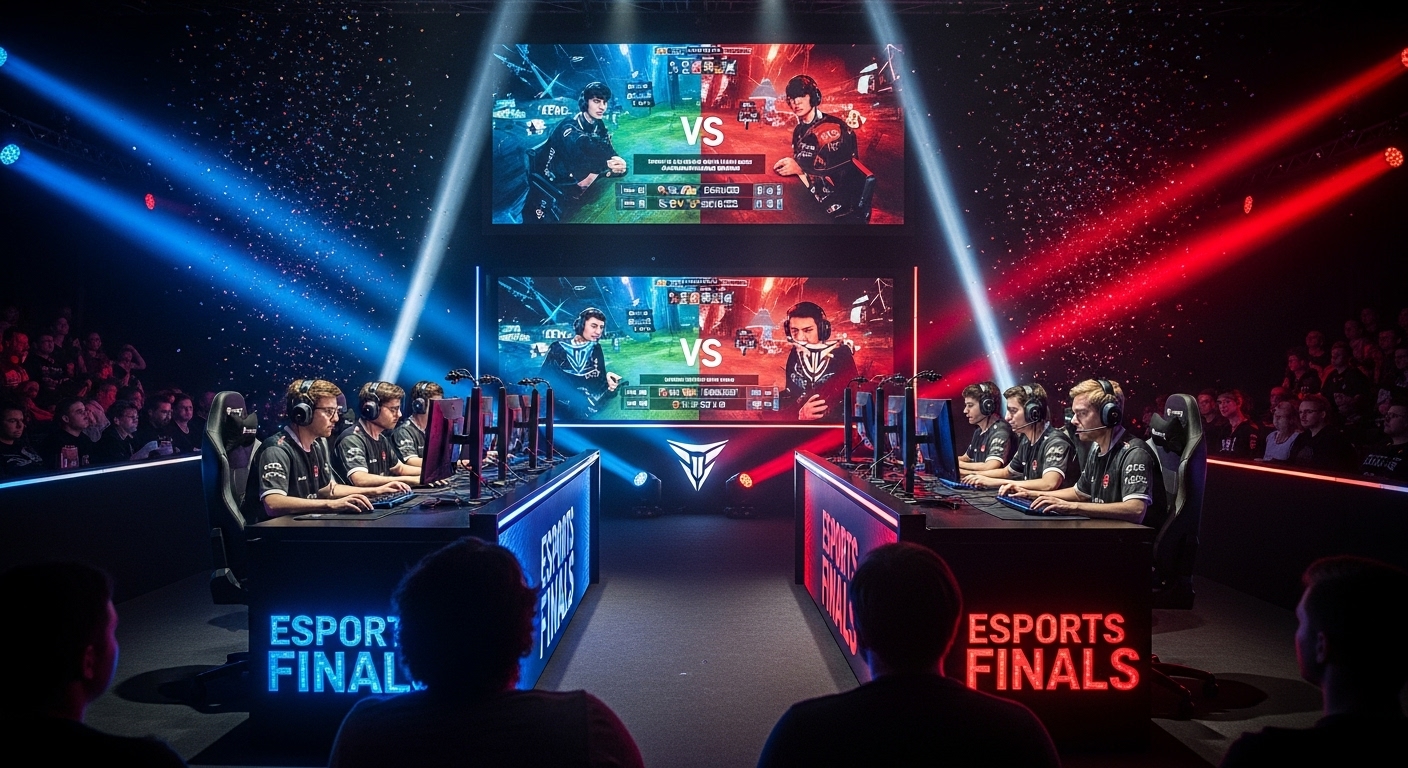
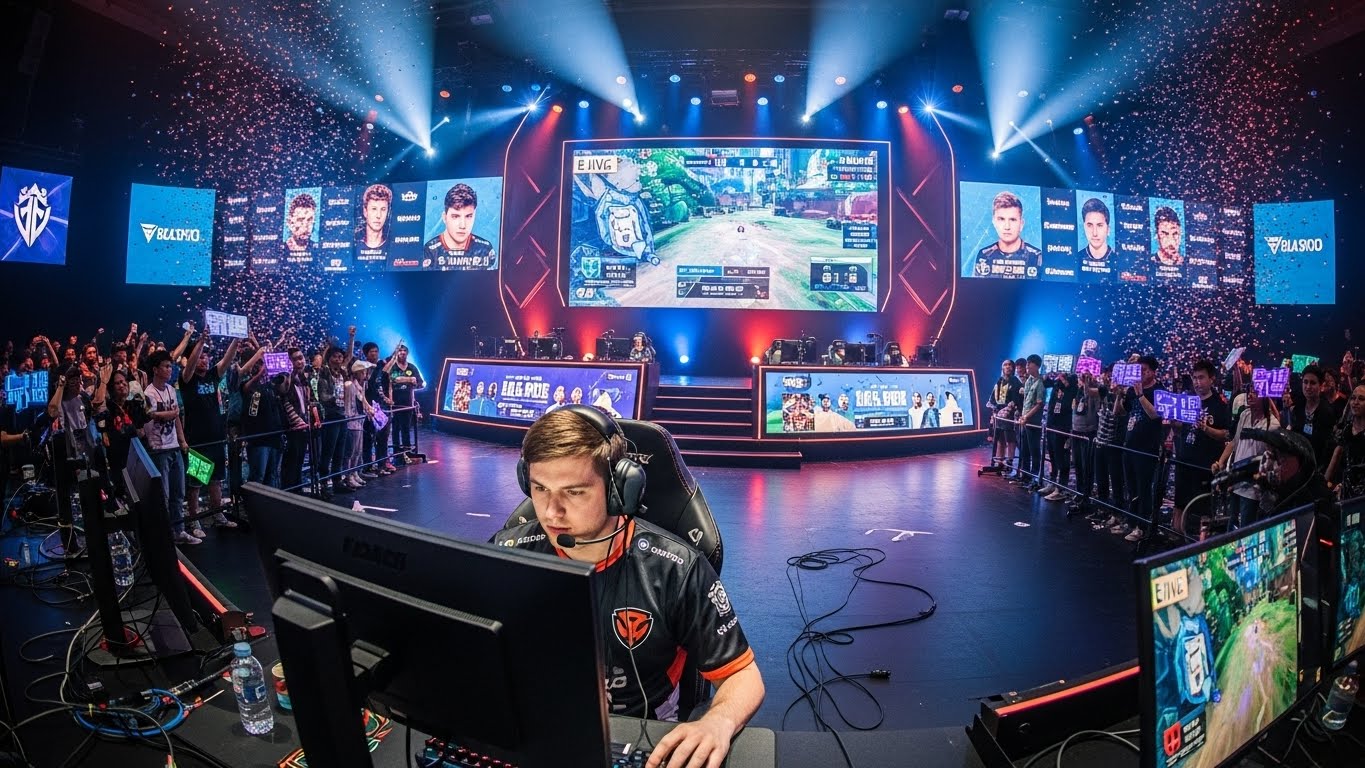
Large esports tournaments have become spectacles similar to traditional sporting events. They draw massive live audiences, feature dramatic opening ceremonies, and offer life-changing prize pools. Fans travel across countries to support their favorite teams, bringing a new dimension of fandom and community to the digital world. These events are broadcast with expert commentary, analysis segments, and advanced production quality that rivals mainstream sports. The excitement, unpredictability, and high stakes of these tournaments contribute to the explosive growth of esports viewership. As more games develop competitive ecosystems, the demand for such events continues to expand.
Streaming and Content Creation in Esports
Streaming platforms have become essential pillars of the esports ecosystem. They allow players to showcase their gameplay, interact with fans, and build personal brands. Many professional gamers started as streamers, using their platforms to gain visibility and connect with communities. Streaming has made esports more accessible by removing geographical barriers and allowing fans to engage directly with players. It also provides financial opportunities through sponsorships, viewer support, and partnerships. Content creation now exists alongside professional competition, creating a dynamic environment where entertainment and high-level skill coexist.
The Role of Technology in Esports Expansion
Technological advancements have played a significant role in the success of esports. High-performance gaming equipment, faster internet, and improved game engines allow for smooth and visually rich competitive experiences. Innovations like virtual reality, augmented reality, and advanced spectator tools are shaping the way fans enjoy esports content. Better broadcasting technology has made tournaments feel more immersive, giving viewers instant replays, detailed breakdowns, and unique camera angles. As technology continues to advance, esports will become even more interactive, engaging, and accessible to global audiences.
Community Culture and Global Appeal
One of the strongest aspects of esports is its community. Fans form tight-knit groups around their favorite games, teams, and players. Online forums, social media communities, and in-game interactions help build a sense of belonging. Unlike traditional sports, esports communities thrive on constant communication, shared strategies, and fan-generated content. The global nature of gaming means people from different cultures, languages, and backgrounds unite through competition. Esports celebrates diversity and allows anyone with an internet connection to participate in the culture. This sense of togetherness is a major reason why the industry continues to flourish.
Esports in Education and Career Development
Esports is no longer restricted to entertainment. It is entering classrooms, universities, and professional development programs. Many educational institutions now offer esports scholarships, recognizing gaming as a legitimate path for talented students. Academic programs focused on esports management, game design, and digital marketing are emerging as well. Beyond playing, the industry creates jobs in broadcasting, coaching, analytics, event planning, and content production. For many young people, esports provides a modern career direction that aligns with their passions. This acceptance within educational systems demonstrates how deeply esports has influenced society.
Mental and Physical Well-Being in Esports
As esports grows, so does the conversation around sustaining player health. Competitive gaming can be mentally demanding, requiring strategic thinking, emotional control, and resilience. Professional players face pressure to perform, making mental health support essential. Organizations now integrate psychologists, performance coaches, and lifestyle specialists to help players maintain balance. Physical health is equally important. Many teams encourage regular exercise, ergonomic setups, and healthy routines to counteract long hours of gameplay. This focus on wellness helps legitimize esports as a serious professional field with long-term career potential.
Esports and Traditional Sports: Changing Perceptions
A major cultural shift is happening as traditional sports organizations embrace esports. Many established sports teams invest in esports divisions, recognizing the growth potential and the youthful audience it attracts. This crossover challenges outdated assumptions that gaming is passive or non-athletic. In reality, esports requires coordination, quick reflexes, teamwork, and strategic planning. Just like traditional sports, it fosters healthy competition and emotional engagement. As these worlds merge, esports gains more credibility, and traditional sports gain access to new audiences and technologies.
The Economic Impact of Esports
Esports is a powerful economic driver. Revenue comes from sponsorships, merchandise, tournaments, media rights, and advertising. Brand partnerships bring additional funding and visibility, while gaming companies develop competitive ecosystems that fuel long-term engagement. The economic benefits extend to content creators, event organizers, and technology providers. Cities hosting major tournaments experience boosts in tourism, hospitality, and local business. Esports has proven itself capable of stimulating entire economies through digital entertainment and global collaboration.
Challenges Facing the Industry
Despite its rapid growth, esports still faces challenges. Player burnout, inconsistent league structures, and concerns about fairness are ongoing issues. Ensuring diversity, inclusion, and equitable opportunities remains an important focus. Some regions face limited access to technology or infrastructure needed to participate. Additionally, maintaining long-term financial stability requires constant innovation and responsible management. Addressing these challenges will determine how far esports can continue to grow and whether it can maintain its global momentum.
The Future of Esports
The future of esports looks bright and full of potential. As technology evolves, so will the way audiences interact with competitive games. Virtual reality competitions, advanced training tools powered by artificial intelligence, and global youth development programs could shape the next phase of esports. More schools may integrate esports into their academic and extracurricular offerings, leading to further acceptance and recognition. As new games emerge, fresh communities will form, ensuring that the industry remains vibrant and dynamic. Esports is on a path toward becoming one of the most influential forms of entertainment and competition in the world.
Conclusion
Esports has transcended the screen to become a cultural, economic, and technological phenomenon. It unites millions of people, inspires the next generation of competitors, and offers opportunities once unimaginable in the world of gaming. Its evolution from casual entertainment to a global powerhouse shows the limitless potential of digital innovation. Whether through professional play, streaming, community engagement, or educational programs, esports continues to redefine what competition means in the modern age. As it continues to grow, one thing remains clear: esports is more than a trend. It is a movement shaping the future of entertainment, sport, and human connection.