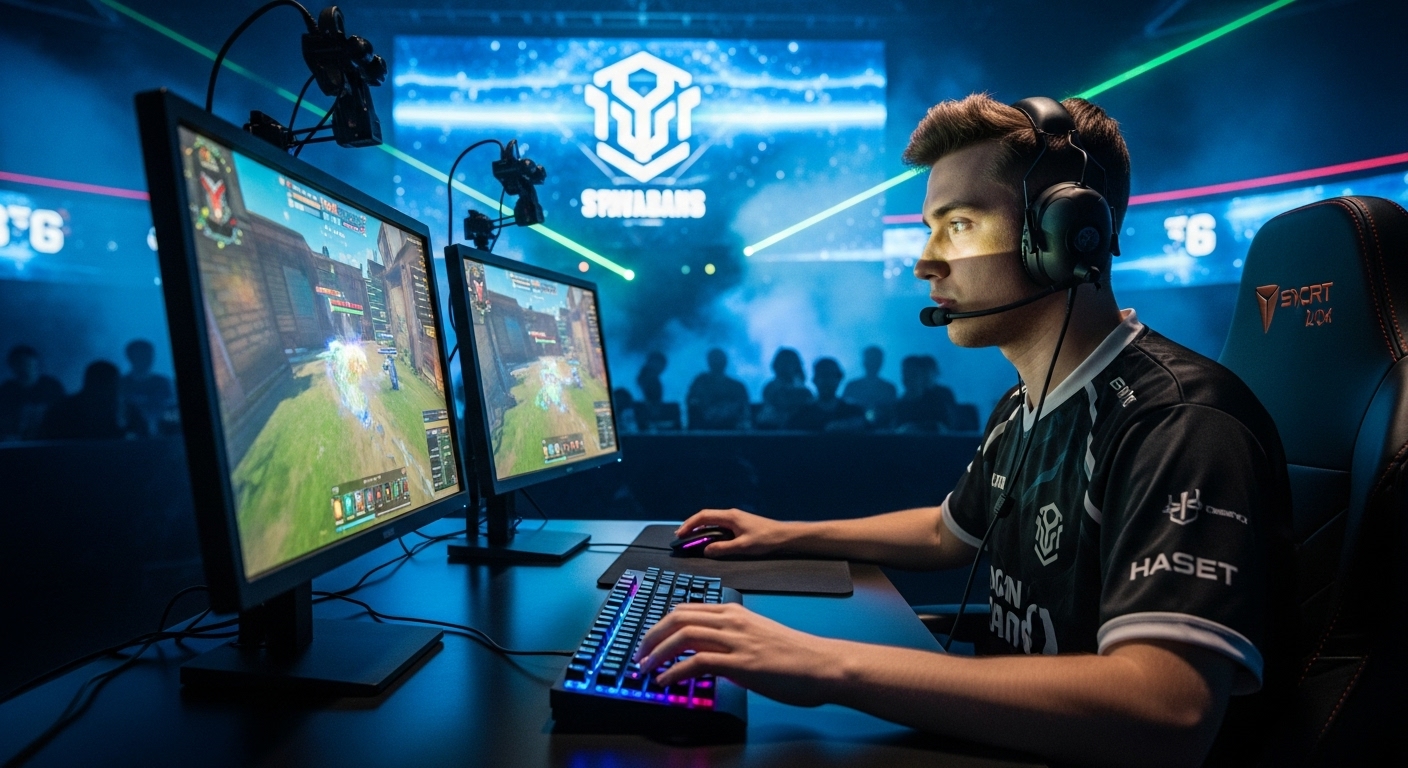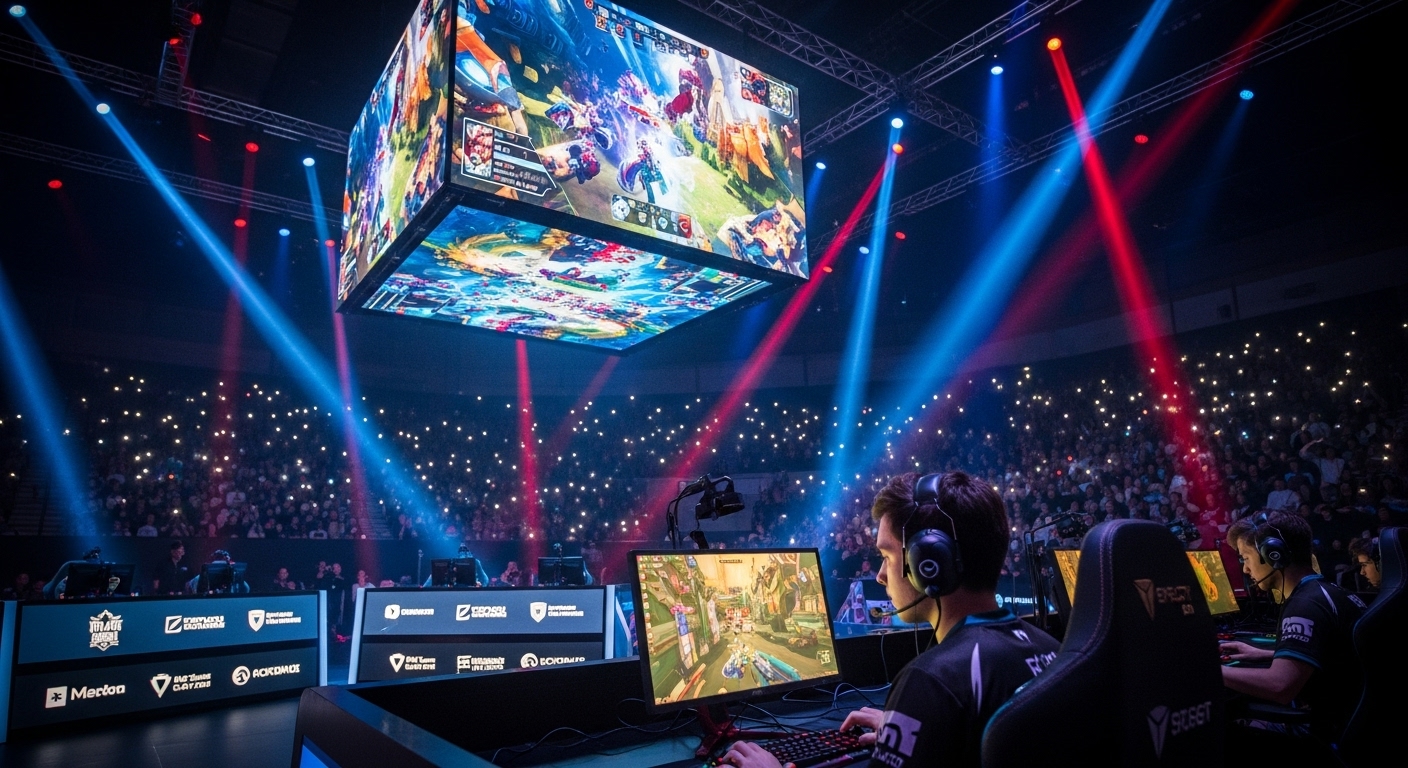
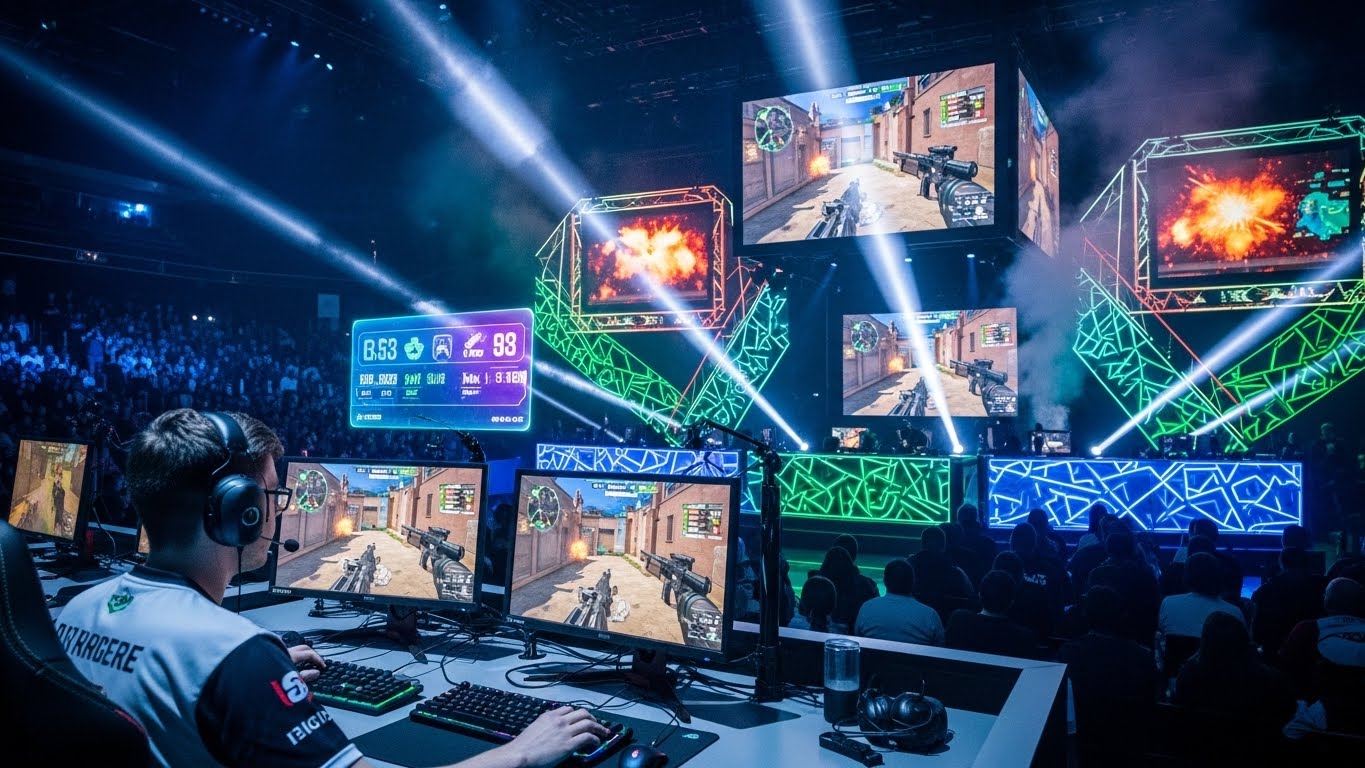
Esports has transformed from a niche hobby into a global phenomenon over the past decade, drawing in millions of players, fans, and investors from around the world. The rise of esports is not just a trend—it is a revolution in the world of entertainment, competition, and digital culture. What was once a pastime enjoyed by a small, dedicated community of gamers has evolved into a multibillion-dollar industry. But how did this all happen? What is esports, and why has it become such a dominant force in the entertainment landscape?
In this blog post, we will explore the evolution of esports, its significance in the modern world, the factors contributing to its rapid growth, and the future of competitive gaming.
What is Esports?
At its core, esports refers to organized, multiplayer video game competitions, particularly between professional players, individually or as teams. While competitive gaming has been around for decades in various forms—think back to LAN (Local Area Network) parties and arcade tournaments—esports as we know it today is a highly professionalized and commercialized sector of the gaming world.
The games played in esports events cover a wide range of genres. Some of the most prominent titles include League of Legends, Dota 2, Counter-Strike: Global Offensive (CS:GO), Overwatch, Fortnite, and Call of Duty. These games are typically competitive in nature, requiring high levels of skill, strategy, and teamwork to succeed.
Esports competitions are often held at regional, national, or global levels, with large-scale events such as the League of Legends World Championship or The International (Dota 2) offering prize pools that can reach millions of dollars. These events draw millions of viewers, both online and in person, cementing esports as a legitimate and exciting entertainment medium.
The Evolution of Esports: From Hobby to Industry
The history of esports dates back to the early days of video gaming. However, it was in the late 1990s and early 2000s that esports began to take shape as a more organized and professional entity.
The formation of major tournaments like the World Cyber Games (2000) and Electronic Sports World Cup (2003) helped raise the profile of competitive gaming on the international stage. At this point, esports was still a largely niche activity, but it was growing in popularity, particularly in countries like South Korea, where competitive gaming had already begun to gain mainstream attention.
In the mid-2000s, esports underwent another major shift with the advent of streaming platforms like Twitch, which allowed players to broadcast their gameplay live to a global audience. This revolutionized the way esports events were consumed. Instead of being limited to physical stadiums, esports was now accessible to anyone with an internet connection.
The next major turning point came in 2013 when League of Legends (LoL) introduced its first World Championship, which attracted millions of viewers. The game’s success was a catalyst for a surge in interest in esports, and other games began to follow suit, creating their own tournaments and professional leagues.
Since then, esports has continued to grow exponentially. Professional teams, players, and organizations have been established, and investors have poured millions of dollars into esports teams, tournaments, and infrastructure. Major brands and sponsors, including Coca-Cola, Intel, and Red Bull, now support esports events, further cementing its place in mainstream entertainment.
Key Factors Behind the Growth of Esports
Several factors have contributed to the meteoric rise of esports over the years. While it may seem like esports has come out of nowhere, the reality is that it has evolved alongside advancements in technology, gaming culture, and entertainment consumption.
1. The Rise of Streaming Platforms
One of the most significant factors behind the growth of esports has been the emergence of live streaming platforms like Twitch, YouTube Gaming, and Facebook Gaming. These platforms enable fans to watch their favorite games and tournaments in real-time, creating a global audience for esports content. The accessibility of streaming has made esports events more visible than ever before, allowing fans from all over the world to engage with the content.
Streaming also provides a direct connection between fans and players, fostering a sense of community. This interaction, combined with the entertainment value of live gaming, has helped esports grow from a niche interest to a global phenomenon.
2. Increased Accessibility of Gaming
In recent years, gaming has become more accessible than ever. High-quality games are no longer limited to expensive PCs or consoles; smartphones and tablets now support competitive gaming titles, enabling a broader audience to participate in the esports ecosystem. Games like PUBG Mobile and Clash Royale have brought esports to mobile platforms, attracting new fans and players who may not have access to traditional gaming hardware.
Moreover, the development of free-to-play models for many esports titles has lowered the barrier to entry. Players don’t have to spend large amounts of money on games, making esports a more inclusive space for anyone with a computer or a smartphone.
3. Professionalization of the Industry
Esports has become increasingly professionalized, with top-tier players and teams signing contracts, earning salaries, and building brands. Organizations like Cloud9, Team Liquid, and Fnatic have become household names in the esports world, and their players are often treated like traditional sports stars. Esports now has coaches, analysts, managers, and support staff, just like any other professional sports league.
In addition to individual players, esports organizations have invested heavily in training facilities, equipment, and staff to ensure their teams remain competitive. This professional structure has attracted a growing number of sponsors and investors, further elevating esports’ status as a legitimate industry.
4. Esports as a Spectator Sport
Just as traditional sports like football and basketball have dedicated fans who watch games in person or on TV, esports has cultivated a massive audience of spectators who watch their favorite games online. The appeal of esports as a spectator sport lies in its fast-paced action, intricate strategies, and the personalities of the players themselves.
Esports tournaments are broadcasted to millions of viewers on streaming platforms, with some major events even being aired on television. As esports has grown in popularity, it has attracted traditional sports networks, including ESPN and NBC, which have begun to cover esports events.
5. Cultural Acceptance of Gaming
In the past, gaming was often seen as a solitary or even “geeky” activity. However, as gaming culture has evolved, it has become a mainstream part of youth culture worldwide. Esports has played a significant role in reshaping the image of gaming, making it more socially acceptable and widely celebrated.
Gaming is now part of the fabric of modern entertainment, and many young people consider esports a legitimate career path. Parents are now more likely to support their children’s interest in gaming, and universities have even introduced scholarships for talented esports players.
The Impact of Esports on Traditional Sports
The rise of esports has not only disrupted the gaming world but also had a profound impact on traditional sports. Many parallels can be drawn between the two sectors, particularly in terms of the structure of professional leagues, sponsorships, and fan engagement.
For example, esports has borrowed many elements from traditional sports, such as team-based competitions, sponsorships, and merchandise sales. Esports events have the same level of excitement and energy as traditional sports tournaments, with live audiences, high-quality broadcasting, and social media buzz. In fact, some esports events have even outperformed traditional sports events in terms of viewership.
Moreover, esports has brought new opportunities for cross-promotion with traditional sports. Many esports organizations have partnered with traditional sports teams, such as The New York Yankees’ investment in the esports team NYXL, blending the worlds of traditional and digital sports.
The Future of Esports: What’s Next?
The future of esports looks incredibly bright. With the continued growth of the industry, we can expect to see even more investment in esports infrastructure, tournaments, and player development. One major trend to watch is the integration of virtual reality (VR) and augmented reality (AR) into esports. These technologies have the potential to revolutionize how esports is played and viewed, offering more immersive experiences for both players and spectators.
Additionally, esports may eventually find its place in the Olympics. The International Olympic Committee (IOC) has shown interest in including esports in future Olympic Games, recognizing its widespread popularity and the potential to engage younger audiences.
As gaming technology continues to evolve, esports will continue to push the boundaries of what is possible in digital competition. Whether through new game mechanics, enhanced live streams, or global online tournaments, esports is poised to become even more integrated into global entertainment.
Conclusion
Esports is no longer just a hobby; it is a global industry that has captured the hearts and minds of millions around the world. From its humble beginnings in LAN parties to the global tournaments of today, esports has proven itself to be a cultural and economic powerhouse. With technological advancements, increased accessibility, and a growing fanbase, the future of esports is undoubtedly bright. As esports continues to evolve, one thing is certain: the world of digital competition is here to stay.