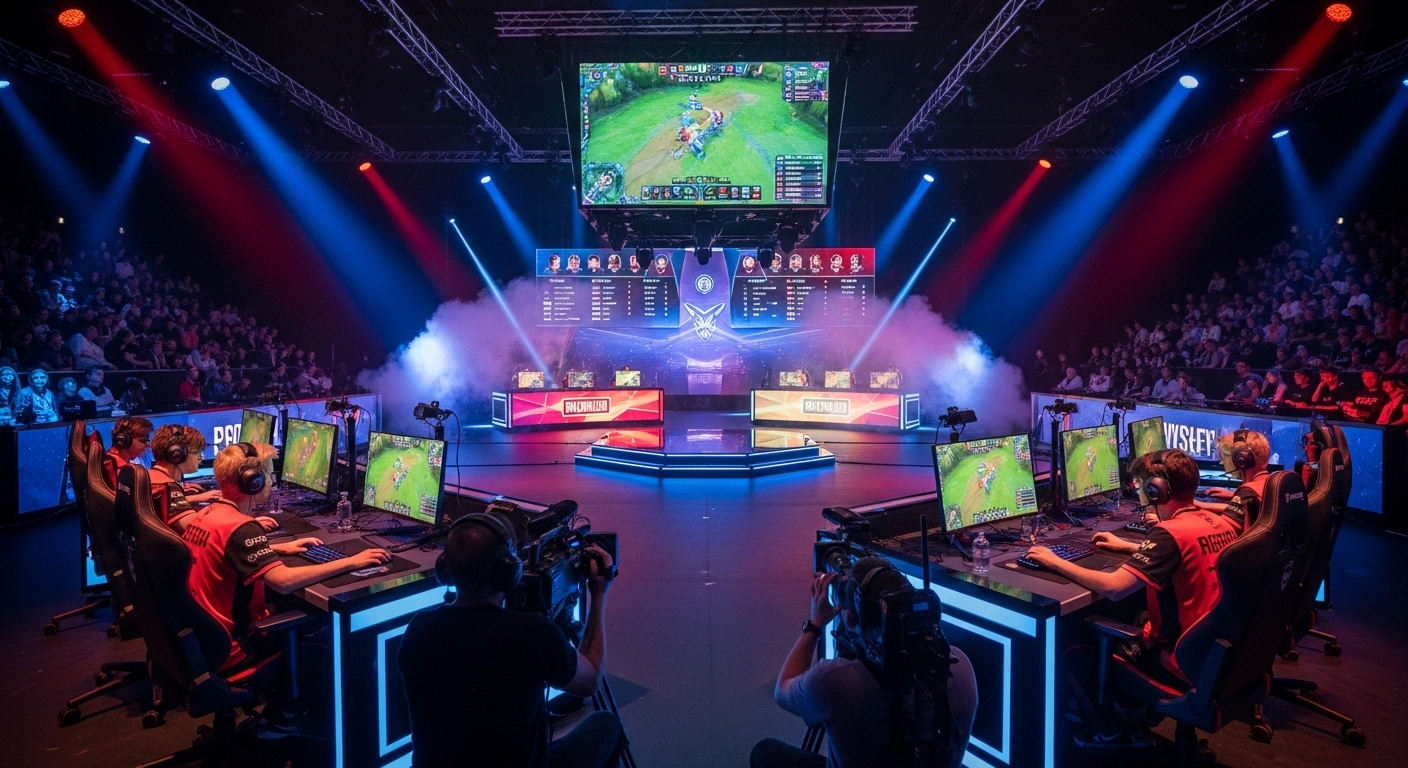
Esports, or competitive video gaming, has transformed from a niche hobby into a global phenomenon. What was once a pastime for a few passionate gamers has now become a multi-billion-dollar industry, attracting millions of viewers, professional players, and sponsors worldwide. The rise of esports reflects the growing influence of technology on entertainment and culture, redefining traditional notions of competition, sportsmanship, and community.
The Origins of Esports
The roots of esports can be traced back to the 1970s and 1980s, when video games began gaining popularity in arcades and on home consoles. Early competitions focused on high scores and small-scale tournaments, often held in local gaming centers. Games like Space Invaders, Pac-Man, and later Street Fighter set the stage for organized competitive gaming.
The 1990s marked a pivotal era with the rise of multiplayer PC games such as StarCraft, Quake, and Counter-Strike. Online connectivity allowed gamers from different locations to compete against one another, laying the foundation for modern esports leagues. These early competitions established the competitive spirit, strategic depth, and community engagement that define esports today.
The Growth of Esports as a Global Industry
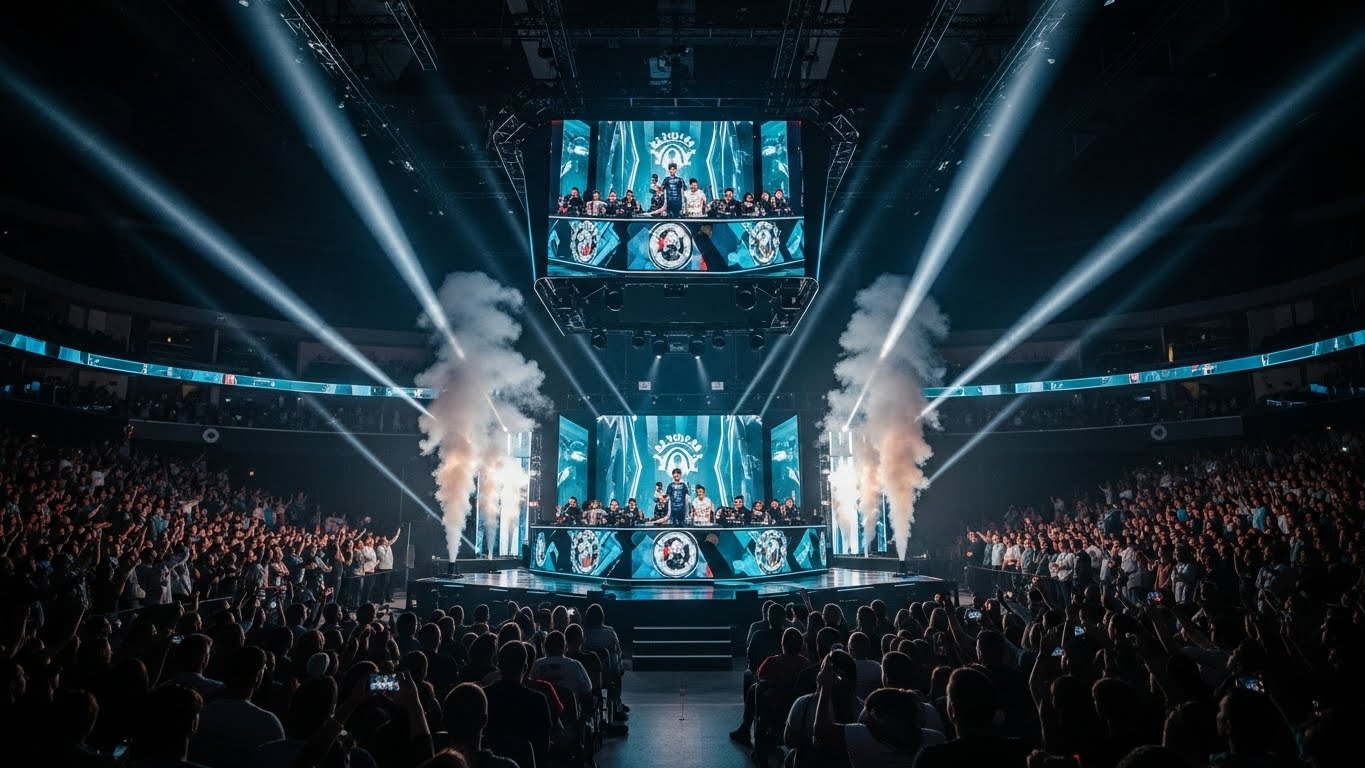
Over the past two decades, esports has grown into a global industry with professional leagues, sponsorship deals, and millions of viewers. Major tournaments, such as the League of Legends World Championship, The International for Dota 2, and the Fortnite World Cup, draw audiences comparable to traditional sports events.
Esports organizations, much like professional sports teams, recruit players, provide training facilities, and manage marketing and sponsorships. Streaming platforms, including Twitch and YouTube Gaming, have revolutionized how audiences consume esports content, creating opportunities for players and influencers to engage directly with fans. The growth of esports highlights the convergence of technology, entertainment, and business in shaping modern culture.
The Popularity of Esports Games
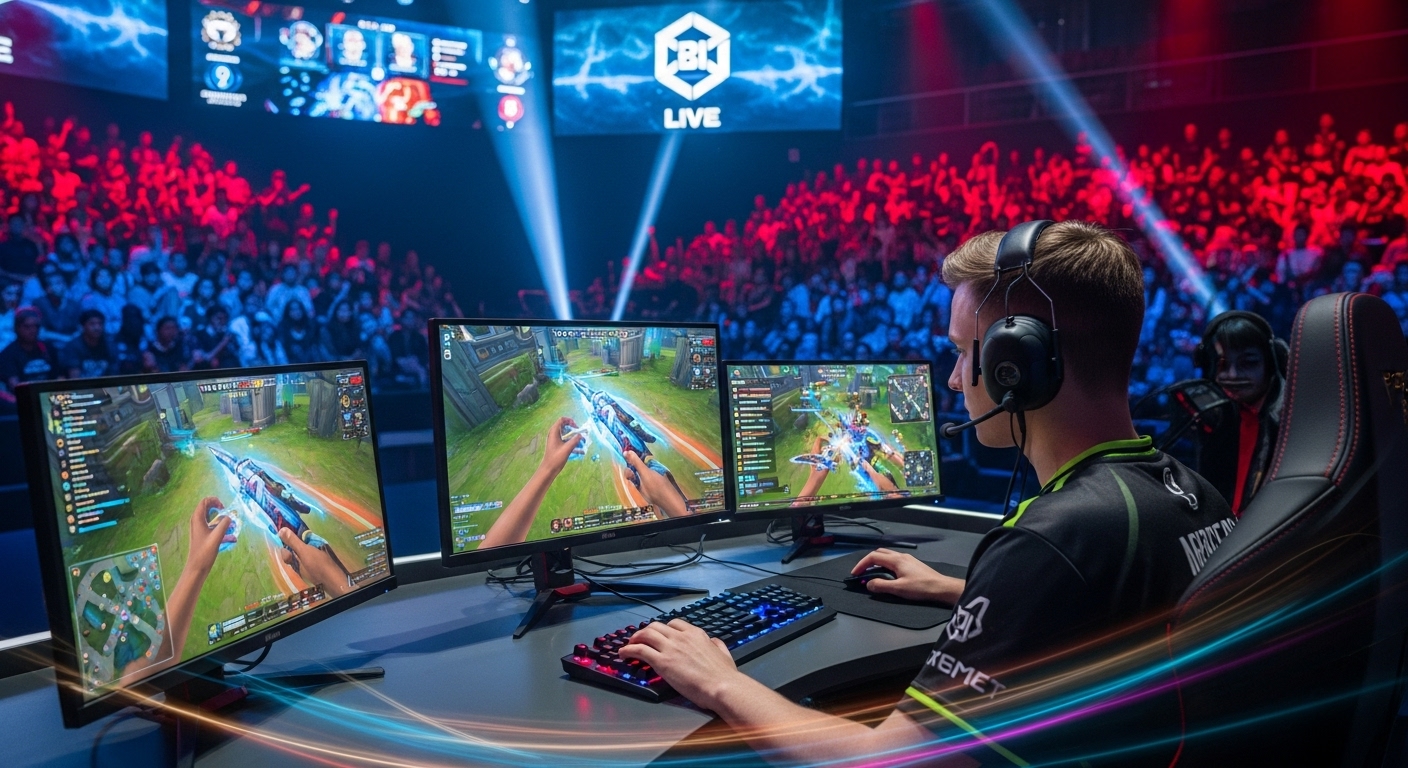
Esports encompasses a wide variety of games, each with its unique strategies, communities, and fan bases. Multiplayer online battle arena (MOBA) games, such as League of Legends and Dota 2, require teamwork, strategy, and quick decision-making. First-person shooters (FPS) like Counter-Strike, Call of Duty, and Overwatch focus on precision, reflexes, and coordination.
Battle royale games, including Fortnite and PUBG, emphasize adaptability, resource management, and survival skills, while sports simulation games such as FIFA and NBA 2K bridge the gap between traditional sports and digital competition. The diversity of esports games caters to different skill sets, interests, and audiences, contributing to its widespread appeal.
The Professional Esports Scene
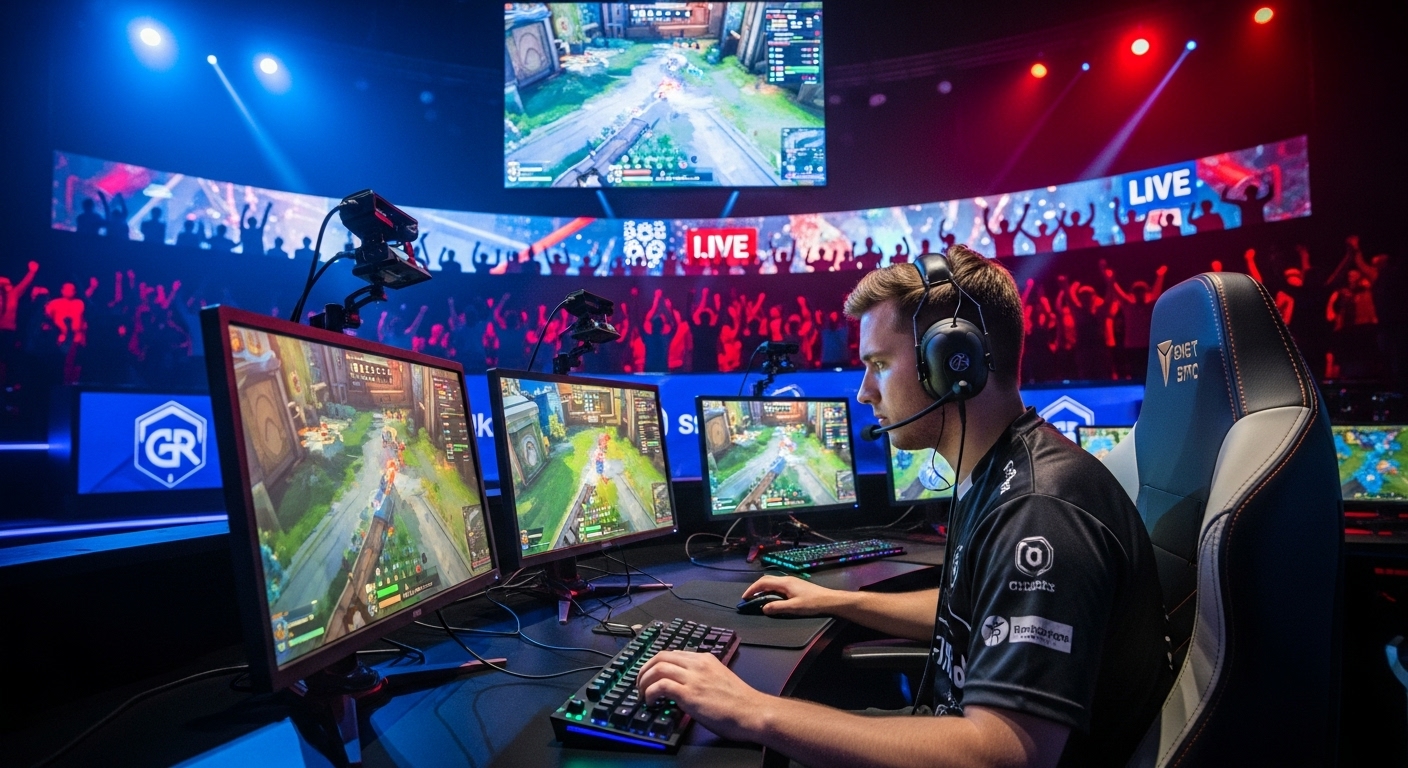
Professional esports players dedicate countless hours to training, strategy, and teamwork, much like traditional athletes. Teams often have coaches, analysts, and support staff to optimize performance. The competitive structure of esports includes regional leagues, international tournaments, and world championships, offering players opportunities for recognition and lucrative rewards.
Salaries for top esports professionals can rival those of traditional athletes, supplemented by prize money, sponsorships, and streaming income. The rigorous demands of professional gaming, including mental focus, physical conditioning, and strategic planning, highlight that esports is a serious and demanding career path, requiring discipline and dedication.
The Role of Streaming Platforms
Streaming platforms have played a critical role in the rise of esports. Live streaming allows fans to watch competitions in real time, interact with commentators, and participate in online communities. Platforms such as Twitch and YouTube Gaming provide both entertainment and education, as aspiring players can observe professional techniques, strategies, and gameplay.
Beyond live streaming, content creation, tutorials, and highlight reels help maintain engagement and build fandom. The interactive nature of streaming enhances the connection between players and viewers, creating a shared experience that strengthens the esports ecosystem.
The Psychological and Physical Aspects of Esports
Esports is not just about quick reflexes and gaming skills; it also involves significant psychological and physical demands. Professional players must maintain focus, handle stress, and make rapid decisions under pressure. Mental resilience, strategic thinking, and teamwork are crucial components of success.
Physical health is equally important. Many professional gamers incorporate fitness routines, proper nutrition, and ergonomic practices to prevent injuries such as repetitive strain syndrome or eye strain. Balancing mental and physical well-being is essential for sustained performance in esports, highlighting the professionalism and discipline required in this field.
Esports and Education
Esports has begun to intersect with education, with schools and universities recognizing its potential to develop skills such as problem-solving, collaboration, and strategic thinking. Many institutions now offer esports programs, scholarships, and academic pathways for students interested in pursuing competitive gaming or related careers.
These programs emphasize not only gameplay but also leadership, communication, and career development. By integrating esports into educational frameworks, institutions foster responsible participation and equip students with skills applicable to broader professional contexts.
The Impact of Esports on Culture
Esports has significantly influenced modern culture, especially among younger generations. It has created global communities, shaped digital entertainment trends, and fostered cross-cultural interactions. Tournaments, cosplay events, and fan conventions celebrate gaming culture while bringing players and fans together in shared experiences.
Moreover, esports challenges traditional notions of sports and athleticism. It demonstrates that competition, teamwork, and skill are not confined to physical activity but can thrive in virtual environments. This cultural shift highlights the evolving definition of sport and recreation in a technology-driven world.
The Economic Significance of Esports
The economic impact of esports is substantial and growing. The industry generates revenue through tournament prize pools, sponsorships, advertising, merchandise, and streaming subscriptions. Brands across sectors, including technology, fashion, and beverages, are investing in esports to reach engaged and tech-savvy audiences.
Esports also stimulates job creation, from professional players to event organizers, commentators, analysts, and content creators. The industry’s growth demonstrates how digital entertainment can drive economic opportunities, innovation, and entrepreneurship on a global scale.
Challenges in the Esports Industry
Despite its success, esports faces challenges. The rapid pace of growth can lead to issues such as player burnout, toxic behavior in online communities, and ethical concerns regarding sponsorships and gambling. Additionally, inconsistent regulation, mental health pressures, and disparities in access to resources can create barriers for aspiring players.
Addressing these challenges requires industry-wide collaboration, including player support programs, community moderation, ethical sponsorship guidelines, and investment in mental and physical health initiatives. Sustainable growth depends on balancing competitiveness with player welfare and ethical practices.
The Future of Esports
The future of esports is bright, with innovations in technology and media shaping new possibilities. Virtual reality and augmented reality could create immersive competitive experiences, while artificial intelligence may enhance training and strategic analysis. The globalization of esports will continue, with emerging markets contributing to player talent and fan engagement.
Esports is also likely to integrate further with traditional sports, entertainment, and media, creating hybrid experiences that attract diverse audiences. As technology evolves, esports will remain at the forefront of cultural, economic, and technological innovation, redefining how competition and entertainment intersect.
Conclusion: The Digital Arena of Tomorrow
Esports represents a dynamic and rapidly growing sector where technology, culture, and competition converge. It has transformed from a niche hobby into a professional and economic powerhouse, offering opportunities for players, audiences, and industries worldwide.
Beyond the games themselves, esports embodies collaboration, strategic thinking, discipline, and creativity. It challenges traditional definitions of sports while providing a platform for innovation, community, and global connection. As the esports industry continues to evolve, it is clear that the digital arena is more than a virtual playground—it is a cultural force shaping the future of entertainment and human interaction.