Introduction: A New Era of Competitive Gaming
Esports, or electronic sports, has evolved from a niche activity into a global phenomenon. What was once a pastime for gamers has now become a booming industry that competes with traditional sports in terms of viewership, revenue, and cultural impact. With millions of viewers across the globe tuning in to watch tournaments, and professional gamers making significant earnings, esports is here to stay. This blog post delves into the rise of esports, its impact on entertainment, and how it’s shaping the future of gaming.
The Evolution of Esports: From Hobby to Global Industry
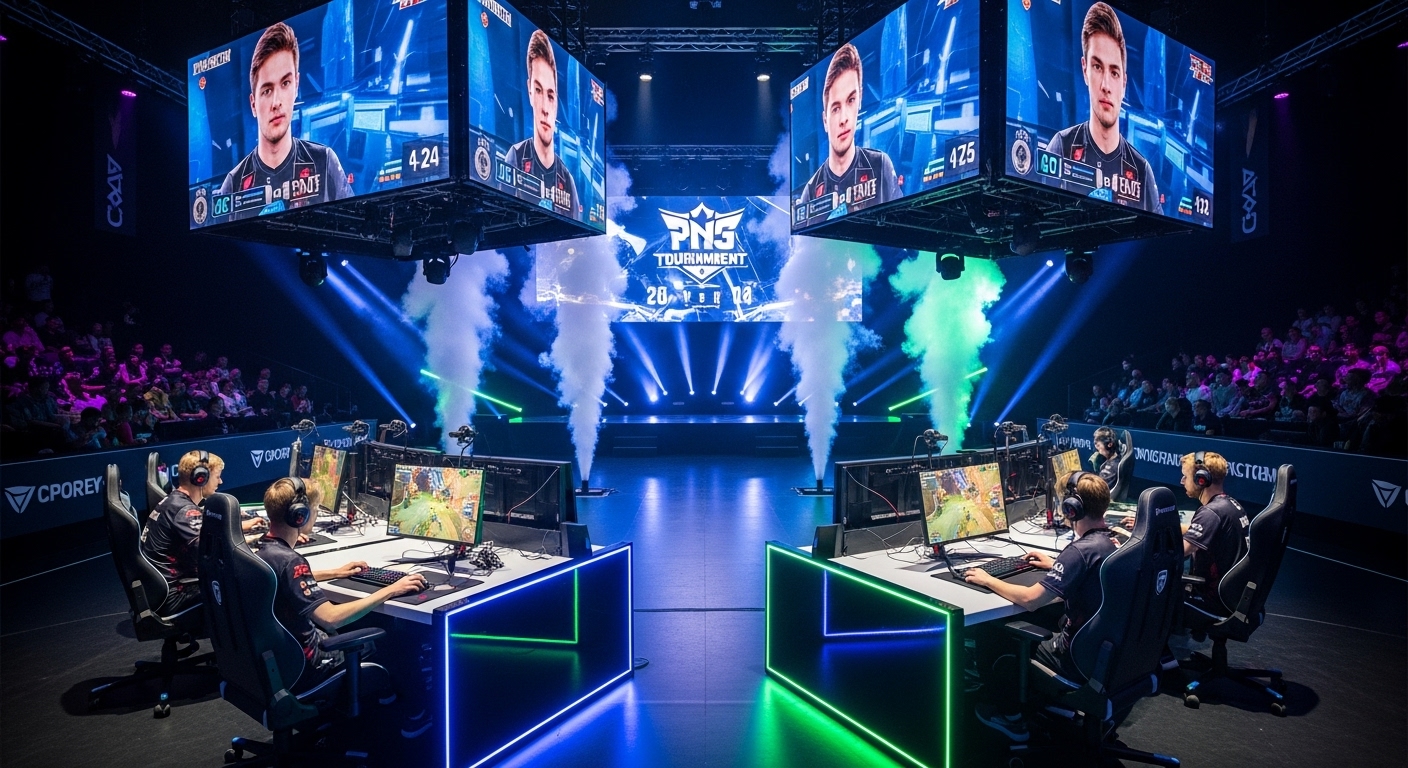
Esports has come a long way from the days of small LAN parties and college tournaments. The early 2000s saw the emergence of competitive gaming as a hobby, with games like Warcraft III, Starcraft, and Quake leading the charge. The advent of high-speed internet, streaming platforms like Twitch, and sponsorship deals helped esports gain visibility on a global scale.
By the mid-2010s, professional leagues and tournaments were flourishing. Games like League of Legends, Dota 2, Counter-Strike: Global Offensive, and Fortnite became staples of the competitive gaming world, attracting millions of players and viewers alike. Prize pools for these tournaments began to skyrocket, with some events offering millions of dollars in cash prizes.
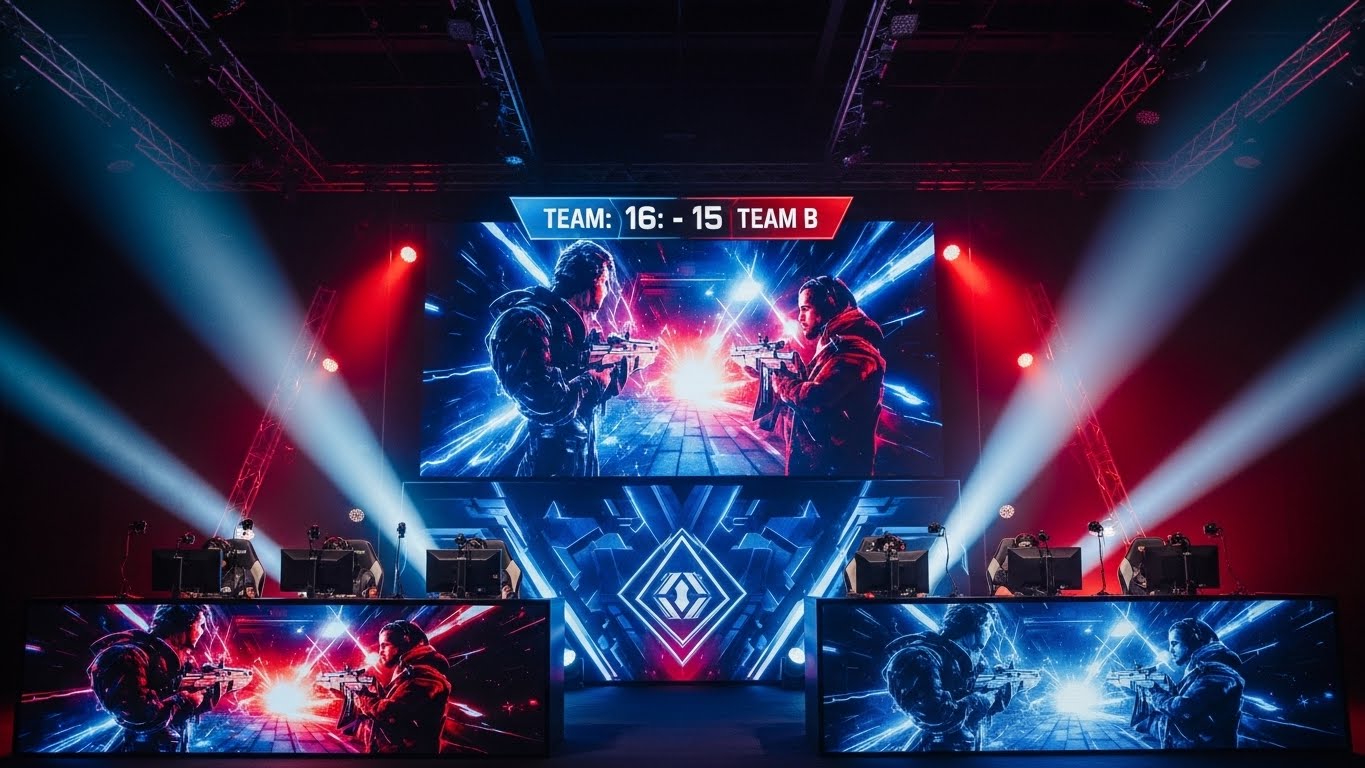
Today, esports is a multi-billion-dollar industry, with its own professional organizations, sponsorships, and dedicated fanbases. The inclusion of esports in major international sporting events, such as the Asian Games, signals that competitive gaming is no longer a fringe activity—it’s a global, mainstream sport.
The Impact of Esports on Traditional Entertainment
Esports has not only created a new avenue for gamers but has also reshaped the entertainment landscape. As traditional sports and entertainment media continue to adapt to the digital age, esports has emerged as a challenger, offering an alternative form of entertainment that resonates with younger, tech-savvy audiences.
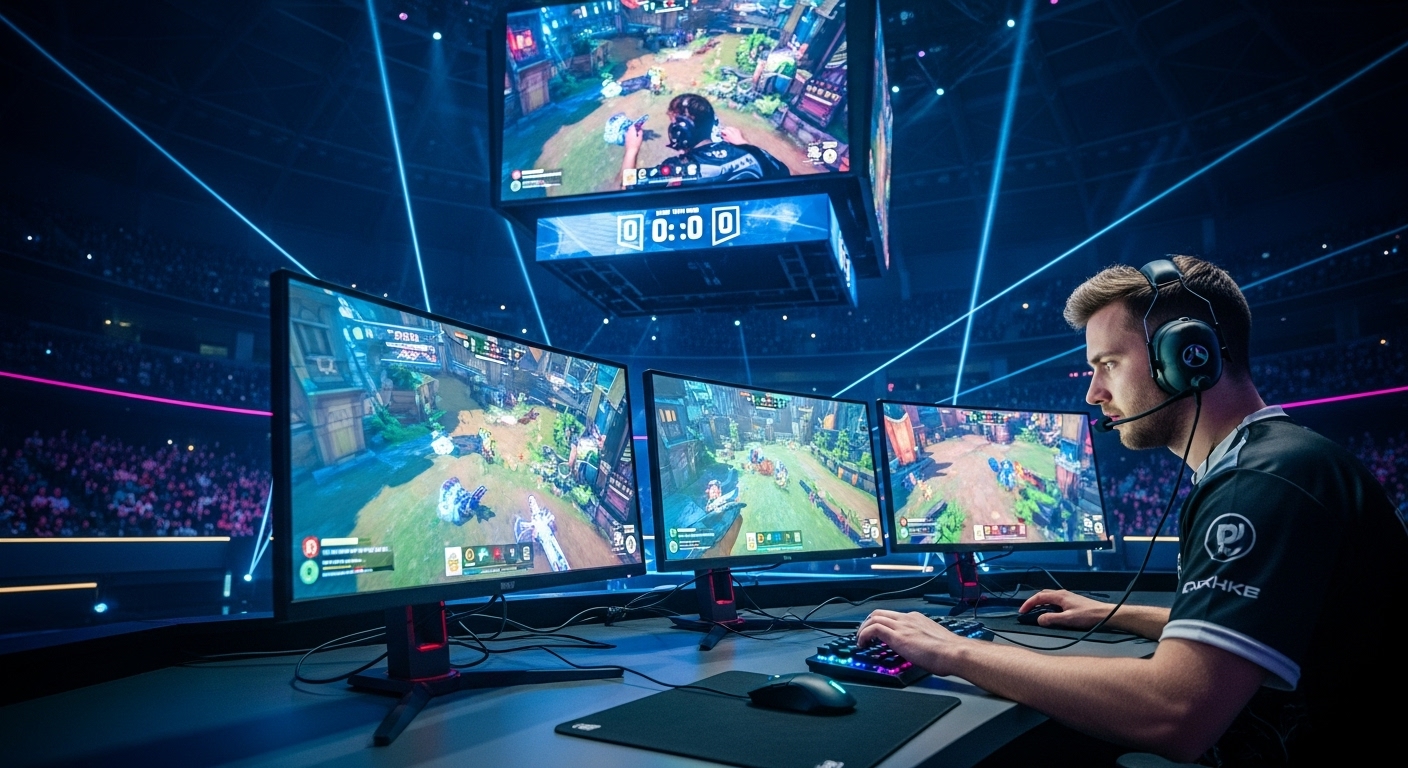
The appeal of esports is partly its accessibility. Watching professional gamers compete is as simple as tuning into a live stream on platforms like Twitch or YouTube. Viewers can watch matches in real-time, interact with players through live chats, and engage in community-driven events. This level of interaction is something traditional sports often lack, making esports uniquely suited to the digital age.
Furthermore, esports has opened doors for the gaming community to intersect with other entertainment industries. Music artists, actors, and even athletes have embraced esports, either by hosting tournaments or collaborating with professional players. Major brands now sponsor esports teams, while esports stars are becoming influencers in their own right, further blurring the lines between traditional entertainment and digital gaming culture.
The Growth of Esports as a Career
One of the most exciting aspects of esports’ rapid growth is the rise of professional gaming as a legitimate career path. Just a decade ago, being a professional gamer was seen as a dream, with few making a living from their skills. Fast forward to today, and competitive gamers can earn millions through sponsorships, streaming, and tournament winnings.
Esports organizations have become well-established companies, recruiting players as young as 16 to join their ranks. These players often sign multi-year contracts with guaranteed salaries, and they have access to state-of-the-art facilities, coaches, analysts, and other support systems. In addition to the players, a whole ecosystem has developed, including team managers, content creators, analysts, and event organizers, all contributing to the success of the esports industry.
Moreover, with the increasing popularity of esports, universities and colleges are offering scholarships for aspiring players. This has provided a new generation of students with the opportunity to pursue their passion for gaming while securing an education. Esports is now considered a legitimate career option, and its growth shows no signs of slowing down.
The Future of Esports: What Lies Ahead?
As the esports industry continues to mature, several trends are shaping its future.
- Mainstream Recognition: Esports is on the verge of being accepted as a mainstream sport. With huge international tournaments and professional leagues, it’s only a matter of time before esports is included in the Olympics or similar global sporting events.
- Virtual Reality (VR) and Augmented Reality (AR): The integration of VR and AR technology into gaming could further elevate the esports experience. Imagine competing in a tournament where the digital and real world seamlessly blend, offering an immersive experience that current technologies can only hint at.
- Increased Investment and Sponsorships: As major brands continue to recognize the commercial potential of esports, sponsorships will increase, providing more financial support for both players and teams. This influx of capital will lead to better facilities, higher production values, and bigger prize pools, which will, in turn, attract more talent and viewers.
- Diversity and Inclusivity: Esports has made strides in becoming more inclusive, with organizations taking proactive steps to increase diversity in both players and audiences. The future will likely see even more diversity in the competitive gaming scene, helping to break down stereotypes and make the industry more accessible to people from all walks of life.
Conclusion: Esports is the Future of Gaming
Esports has already proven that it’s more than just a passing trend—it’s a revolution in the world of entertainment. With its explosive growth, it has transformed gaming from a casual hobby into a global industry with professional athletes, sponsorships, and massive audiences. As technology continues to advance, the potential for esports is limitless, and it’s clear that it will play a pivotal role in the future of both gaming and entertainment.
Whether you’re a seasoned gamer or someone who’s just starting to explore the world of esports, there’s never been a more exciting time to be a part of this dynamic and rapidly expanding ecosystem. The future of esports is bright, and its influence on the world of entertainment is only just beginning.