Introduction: The Birth of a Digital Revolution
Over the last two decades, the world has witnessed a transformation unlike any other. What began as small groups of gamers competing for fun in local arcades has evolved into a global industry worth billions of dollars. Esports—short for electronic sports—has redefined the boundaries of competition, entertainment, and community. Once dismissed as mere “video games,” Esports has proven itself as a legitimate cultural and sporting force, captivating millions of fans and players across continents.
The journey of Esports is a fascinating tale of innovation, technology, passion, and perseverance. From the early days of pixelated screens to today’s immersive virtual arenas filled with cheering crowds, Esports reflects the growing intersection between technology and human competition. But what exactly fueled this meteoric rise? To understand the story of Esports, one must look back to its roots and the many milestones that shaped its growth.
The Origins of Competitive Gaming
The origins of competitive gaming can be traced back to the early 1970s, long before the internet existed. The first recorded video game competition took place at Stanford University in 1972, featuring the game Spacewar!. The winner received a year’s subscription to Rolling Stone magazine—a humble prize by today’s standards, but a symbolic start to what would one day become a massive global enterprise.
During the 1980s, arcade games like Pac-Man and Donkey Kong brought competition to public spaces. Local tournaments became popular, with players striving to achieve the highest score possible. Magazines began publishing leaderboards, creating early forms of recognition and fame for top players. This era laid the groundwork for the social and competitive aspects of gaming that would later explode with the advent of home consoles and the internet.
The Internet Age: A Turning Point
The 1990s marked the true beginning of organized competitive gaming. With the introduction of the internet, games could now be played across cities, countries, and continents. Titles like Doom and Quake pioneered online multiplayer gaming, and local area network (LAN) parties became a cultural phenomenon. Friends and strangers would gather with bulky computers and tangled cables to compete for pride and bragging rights.
The late 1990s saw the rise of professional tournaments and the formation of gaming clans. Games such as StarCraft, Counter-Strike, and Warcraft III established the foundation for modern Esports. South Korea, in particular, became a central hub for competitive gaming, with television channels dedicated to broadcasting matches and sponsors funding professional teams. The country’s emphasis on technological infrastructure and fast internet made it the perfect environment for Esports to thrive.
The 2000s: Esports Enters the Mainstream
By the early 2000s, Esports began to grow beyond its niche community. Competitive gaming was no longer confined to small venues; it was entering the mainstream consciousness. Events like the World Cyber Games (WCG) and Electronic Sports World Cup (ESWC) brought international recognition to players and teams. The prize pools began to expand, and corporate sponsors took notice of the growing audiences.
Games such as Counter-Strike 1.6, Halo 2, and Warcraft III dominated the competitive landscape. Meanwhile, the emergence of League of Legends and Dota in the late 2000s revolutionized the multiplayer online battle arena (MOBA) genre. These games combined strategic depth with fast-paced action, creating thrilling spectacles that kept viewers engaged from start to finish.
Streaming platforms also played a significant role during this period. With the rise of platforms like Twitch, fans could now watch their favorite players live, interact with them, and become part of an expanding digital community. This interactivity bridged the gap between players and audiences, turning Esports into both a spectator sport and a participatory culture.
The 2010s: The Golden Age of Esports
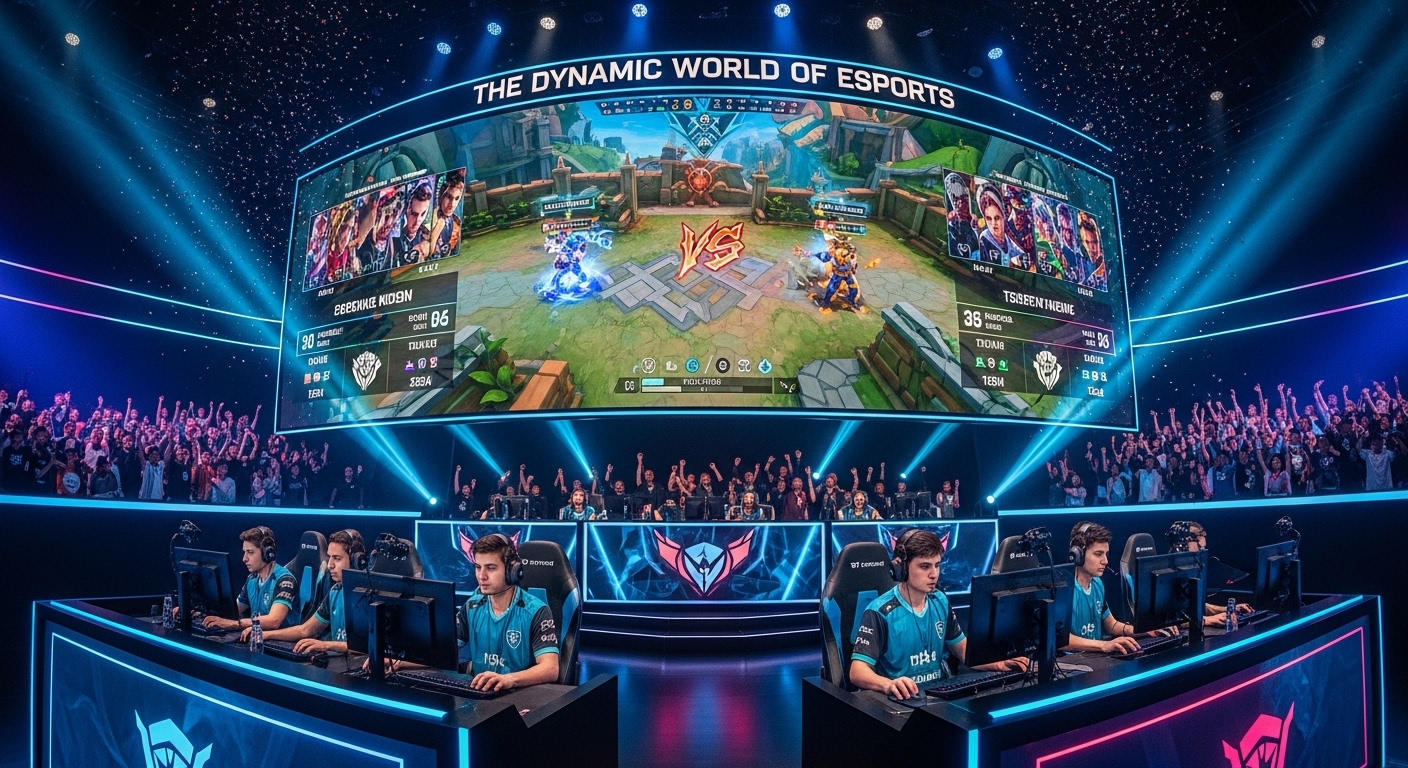
The 2010s are often referred to as the “Golden Age” of Esports. It was during this decade that the industry truly exploded in size, professionalism, and influence. Major tournaments began filling stadiums that once hosted traditional sports. Millions of viewers tuned in to watch live streams, and the prize pools reached unprecedented heights.
One of the most defining moments in Esports history came in 2013, when Valve Corporation hosted The International, a Dota 2 tournament with a crowd-funded prize pool exceeding $2.8 million. Over the years, that number would soar past $40 million, solidifying Esports as a serious profession for the world’s best players.
Other games like League of Legends, Overwatch, Fortnite, and CS:GO also established massive fan bases and professional leagues. The League of Legends World Championship became an annual spectacle, comparable in scale and production to traditional sporting events like the Super Bowl or the FIFA World Cup. In 2019, the Fortnite World Cup awarded a teenage player $3 million for winning the solo competition—an achievement that captured global headlines.
Professionalism and the Rise of Esports Organizations
As the industry matured, Esports adopted many of the structures seen in traditional sports. Professional organizations were formed, complete with team managers, coaches, analysts, and even psychologists. These teams—such as Fnatic, Team Liquid, Cloud9, and T1—became household names, each with millions of fans and lucrative sponsorships.
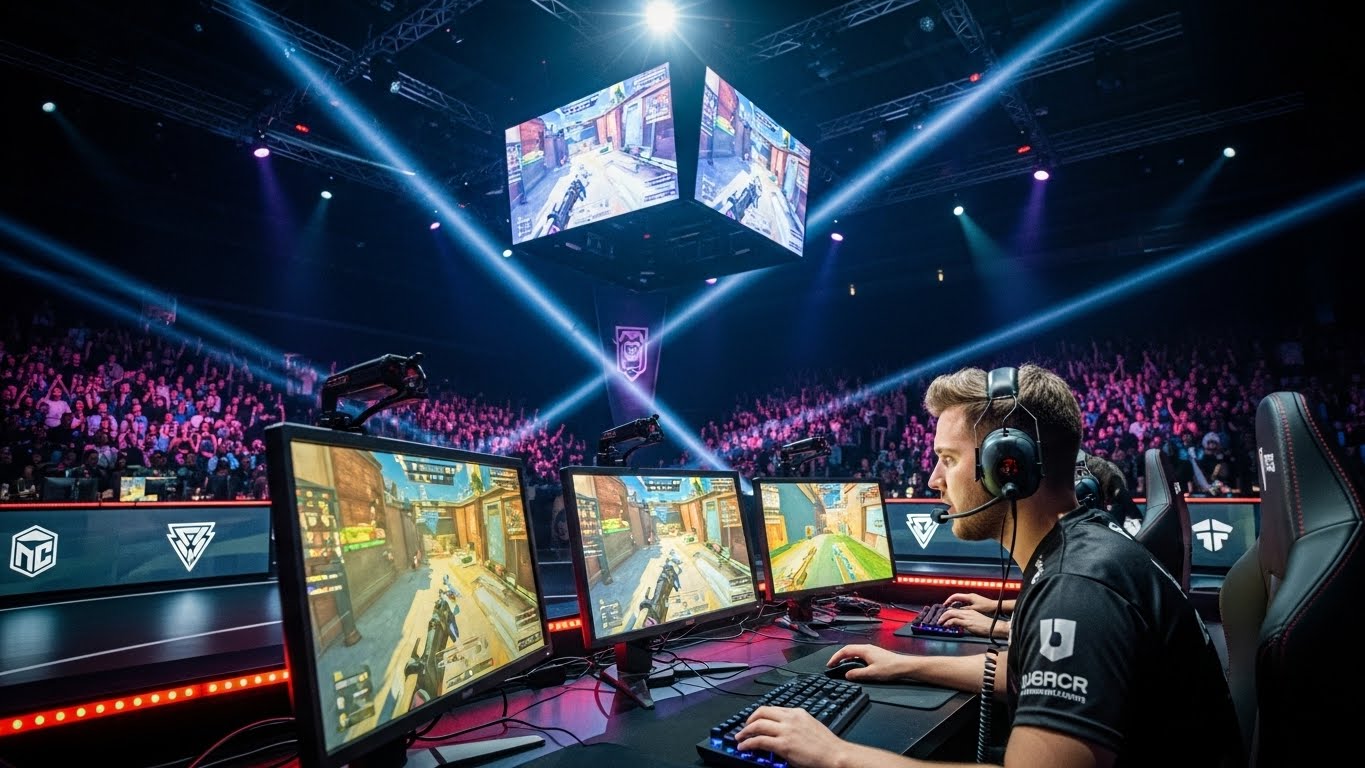
Training regimens also evolved. Top players now practice for eight to ten hours a day, analyzing strategies, studying opponents, and maintaining physical fitness to improve reaction times and mental stamina. Many live in team houses or training facilities equipped with state-of-the-art equipment, nutritionists, and mental health support. The level of professionalism is indistinguishable from that of athletes in traditional sports.
Moreover, universities and colleges began recognizing Esports as a legitimate career path. Scholarships and degree programs in Esports management, game design, and digital media became more common. Governments, too, started to acknowledge Esports players as professional athletes, granting them visas to compete internationally.
The Role of Media and Broadcasting
The media has played an instrumental role in elevating Esports from underground events to global spectacles. Traditional sports networks began covering Esports tournaments, while streaming platforms continued to dominate as the primary medium for fans. Commentators, analysts, and hosts became celebrities in their own right, adding layers of entertainment and insight to each match.
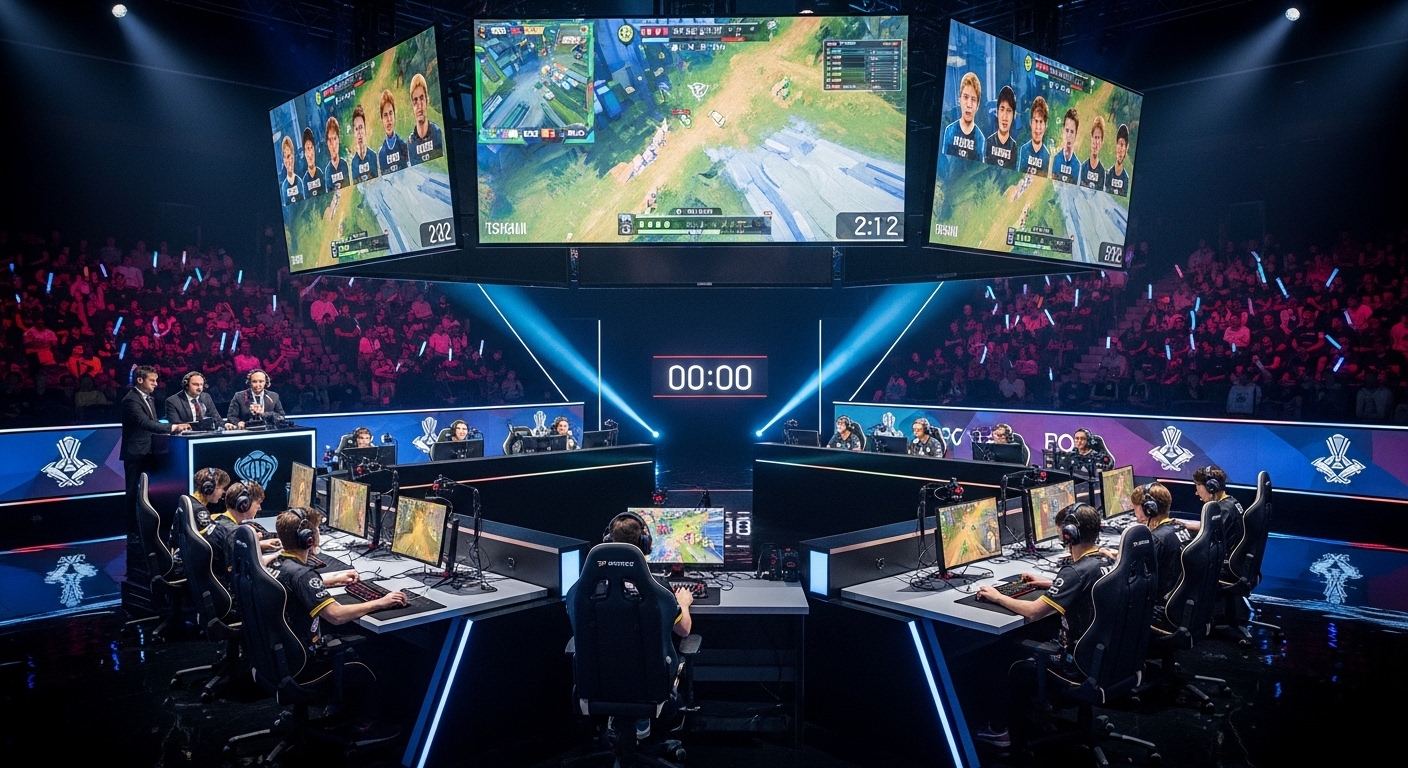
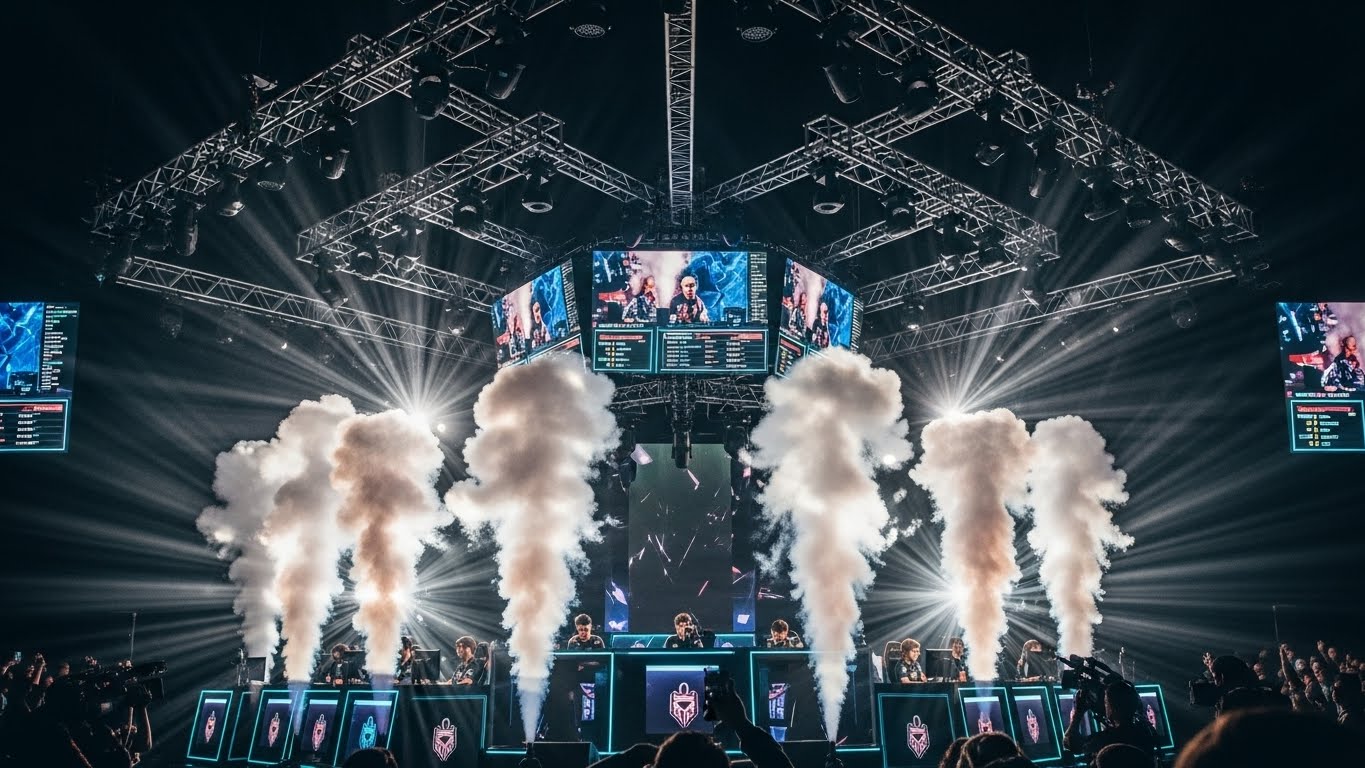
Production values skyrocketed, with tournaments featuring elaborate stage designs, professional lighting, and cinematic storytelling. The use of augmented reality and live graphics transformed how audiences experienced Esports. For instance, during major League of Legends events, viewers can see virtual dragons flying across the arena, blending the physical and digital worlds seamlessly.
In addition, documentary series and films have chronicled the lives of players and teams, highlighting the dedication, challenges, and triumphs behind the scenes. This storytelling humanized the players, helping to break down stereotypes about gamers and emphasizing the discipline and teamwork required to succeed at the highest levels.
The Global Community and Cultural Impact
Perhaps one of the most remarkable aspects of Esports is its ability to unite people from diverse backgrounds. Unlike traditional sports that may be limited by geography or physical ability, Esports transcends borders, languages, and physical constraints. Players from Asia, Europe, North America, and beyond compete on equal footing in digital arenas.
Esports communities have become microcosms of global culture. Fan art, memes, music, and cosplay all thrive within this ecosystem. The blend of gaming and creativity has given rise to a new form of cultural expression, where fans actively participate in shaping the identity of their favorite games and teams.
Moreover, Esports has helped redefine what it means to be an athlete. The discipline, teamwork, and mental agility required in competitive gaming challenge outdated notions of what sports should look like. In some countries, Esports has even been proposed as a potential event in future Olympic Games, further blurring the lines between traditional and digital sports.
The Economics of Esports
Behind the spectacle lies a complex and rapidly expanding economy. The global Esports market is valued in the billions, with revenue streams coming from sponsorships, advertising, ticket sales, merchandise, and media rights. Major brands such as Coca-Cola, Intel, and Nike have invested heavily in Esports, recognizing its potential to reach younger, digitally savvy audiences.
Prize money continues to grow each year, but it represents only a fraction of the total industry value. Team organizations, tournament hosts, game publishers, and streaming platforms all share in the economic ecosystem. In addition, many players and content creators supplement their income through streaming, brand partnerships, and fan donations.
Esports arenas have also become a new frontier for event tourism. Cities like Seoul, Los Angeles, and Shanghai host major tournaments that attract visitors from around the world. This not only boosts local economies but also positions these cities as hubs for innovation and entertainment.
Challenges Facing the Esports Industry
Despite its success, Esports faces several challenges. One of the biggest issues is maintaining player health. The intense hours of practice, high pressure, and online scrutiny can take a toll on players’ mental and physical well-being. Burnout is a common problem, and careers are often shorter than in traditional sports.
Another challenge is regulation. Unlike conventional sports, Esports lacks a unified governing body. Each game publisher controls its own ecosystem, leading to inconsistencies in rules, player rights, and tournament standards. This decentralization makes it difficult to implement global standards or protect players from exploitation.
Toxicity and harassment in online communities also remain concerns. While progress has been made in promoting inclusivity and diversity, there is still work to be done to ensure Esports remains a welcoming space for everyone. Issues related to match-fixing, cheating, and gambling pose additional risks to the integrity of the competition.
The Future of Esports: What Lies Ahead
Looking ahead, the future of Esports appears brighter than ever. Advances in technology, including virtual reality (VR), augmented reality (AR), and artificial intelligence (AI), promise to take gaming experiences to new heights. Imagine fans stepping into virtual arenas alongside their favorite players or experiencing matches from a first-person perspective in real time.
Mobile Esports is another frontier with immense potential. Games like PUBG Mobile and Mobile Legends have already attracted massive audiences, especially in regions like Southeast Asia and India. The accessibility of smartphones allows anyone, anywhere, to participate, making Esports even more inclusive.
Education and career opportunities will also continue to expand. Beyond playing professionally, Esports offers careers in broadcasting, event management, game design, data analytics, and marketing. Entire ecosystems will grow around Esports, much like traditional sports industries.
As more countries embrace Esports, we may see national teams competing on a global stage, similar to the Olympics or World Cup. The integration of Esports into mainstream education and culture suggests it is not a passing trend but a permanent fixture in the entertainment landscape.
Esports and the Next Generation
For younger generations, Esports represents more than just a pastime—it is a culture, a career path, and a community. Schools are introducing Esports clubs and leagues, helping students develop teamwork, communication, and strategic thinking. These programs also bridge the gap between digital and physical learning, preparing students for future careers in technology and media.
Parents and educators are increasingly recognizing the positive aspects of gaming when managed responsibly. Esports encourages problem-solving, resilience, and leadership—skills highly valued in modern society. As Esports continues to mature, its influence on youth culture and education will only deepen.
Conclusion: More Than a Game
Esports has come a long way from the dimly lit arcades of the 1980s to the massive digital stadiums of today. It embodies the evolution of human creativity, technology, and competition. What makes Esports truly remarkable is its inclusivity and accessibility—anyone with passion and skill can rise to the top, regardless of their background or location.
It’s not just about winning or losing. It’s about community, innovation, and the shared thrill of pushing boundaries in a digital world. Esports has proven that gaming is not an escape from reality—it is an extension of it, reflecting our desire to connect, compete, and create.
As we move further into the 21st century, Esports will continue to shape entertainment, redefine sports, and inspire millions around the world. It is more than a game—it’s a movement, a global stage where talent, technology, and imagination collide to create the future of competition.