Introduction to Esports
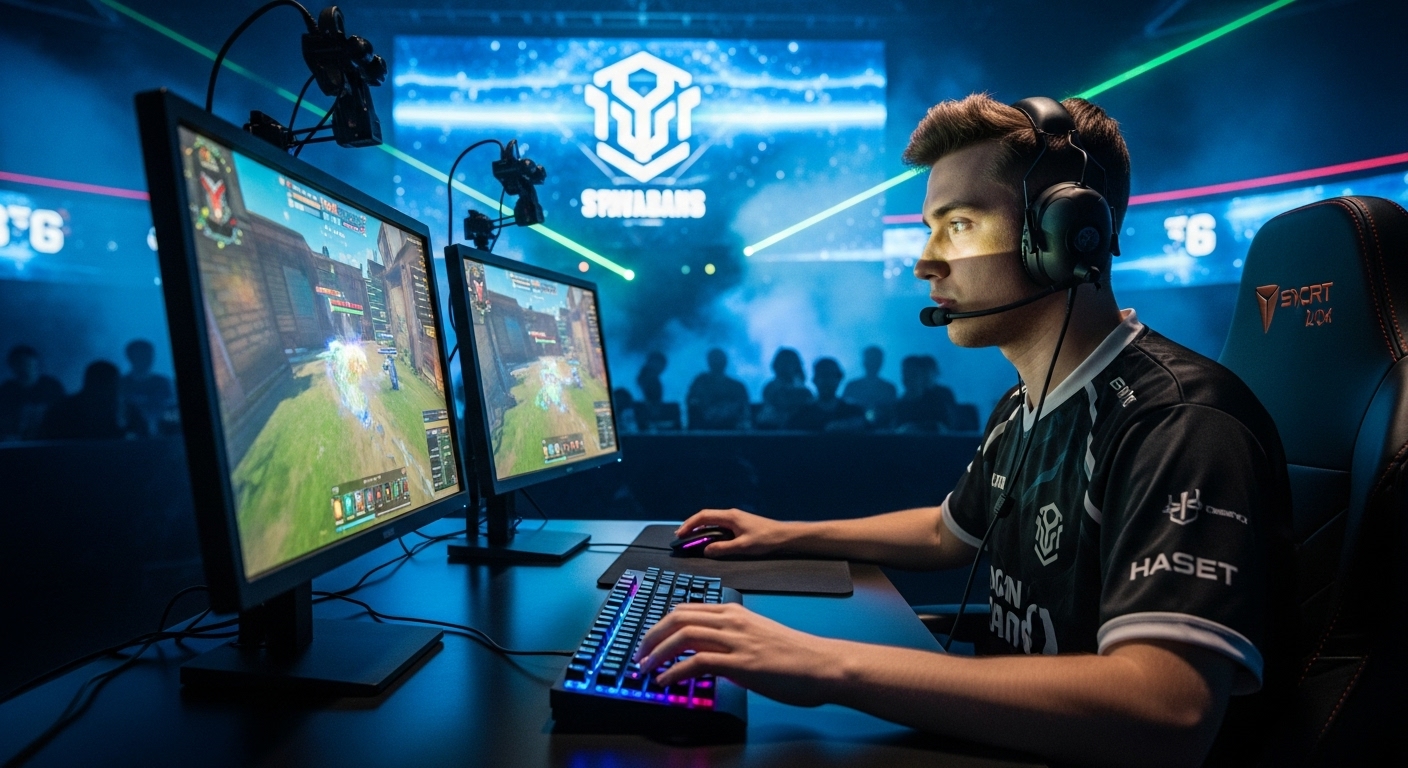
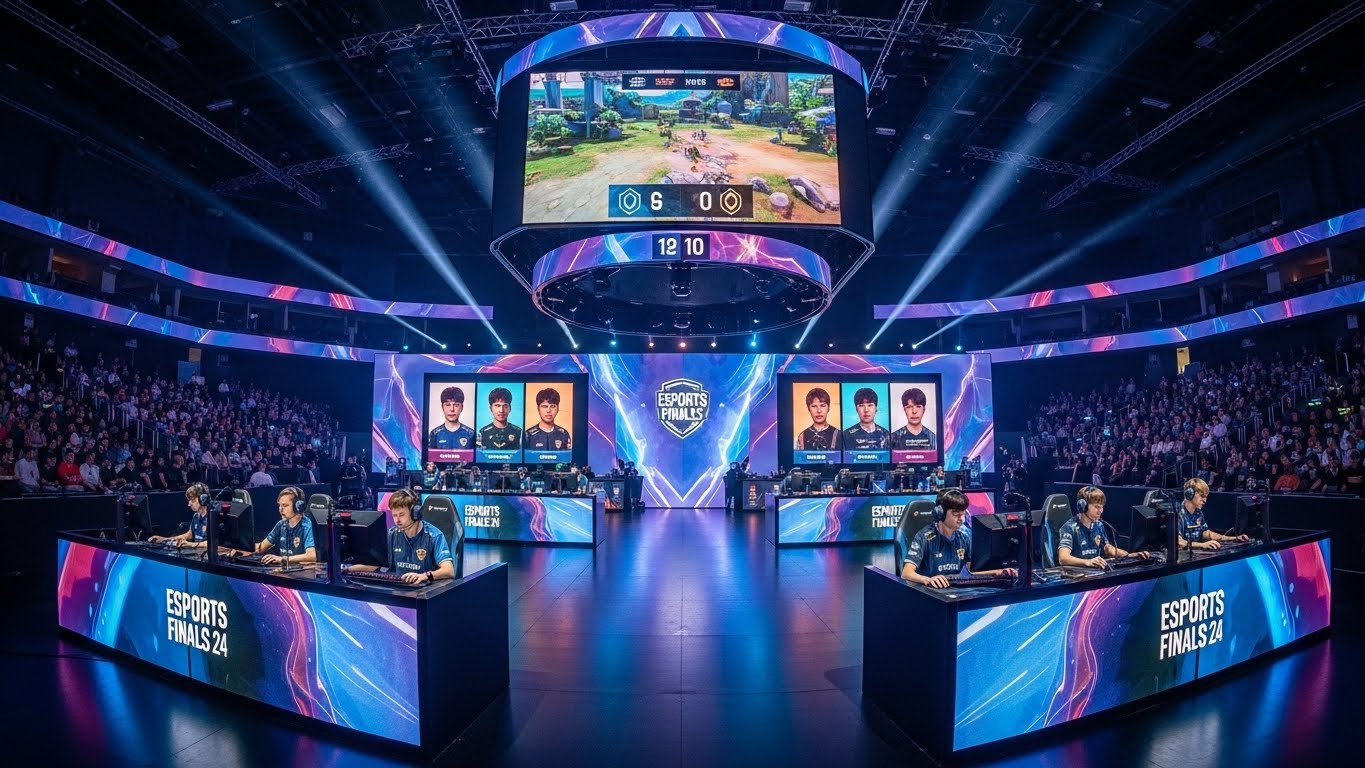
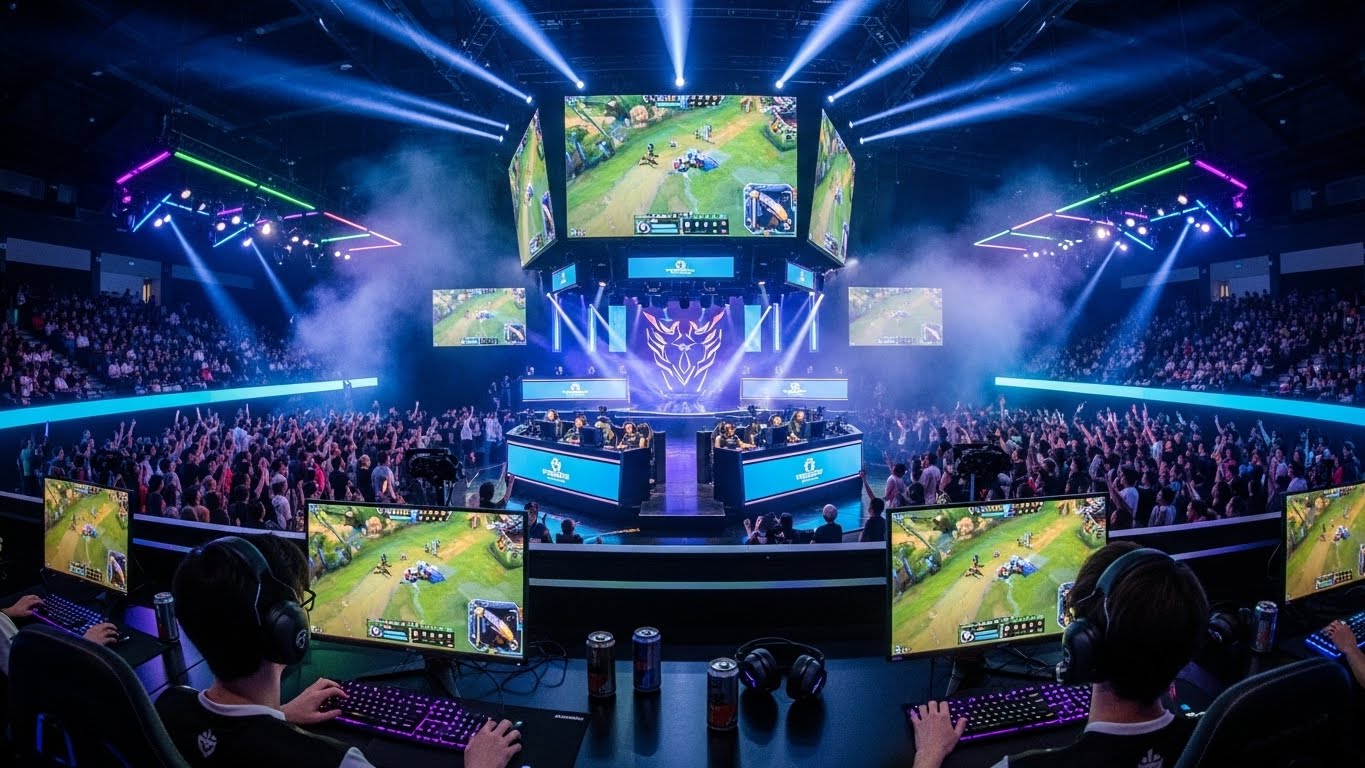
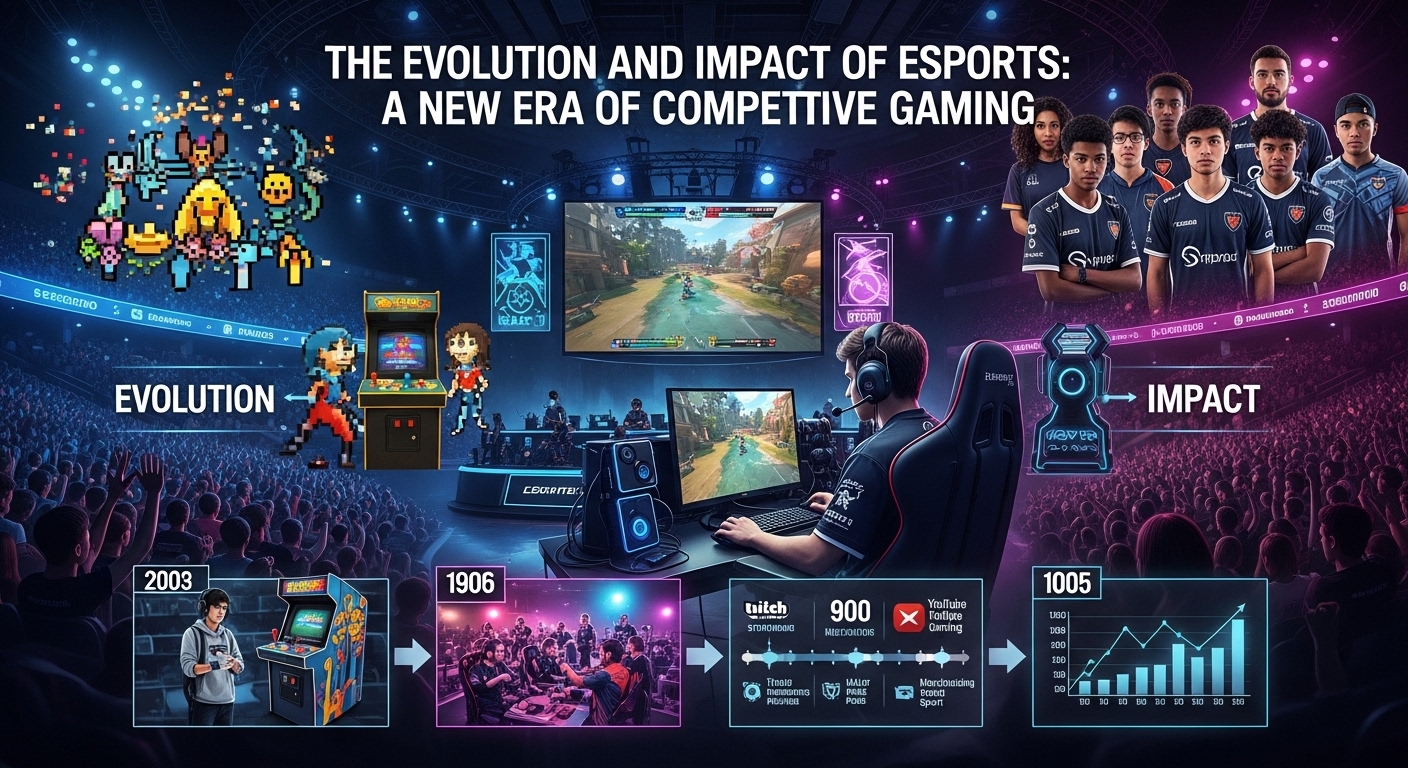
Esports, or electronic sports, has become one of the most fascinating phenomena in the world of modern entertainment. It represents a blend of video gaming, technology, and competition that has transformed into a global spectacle. Over the past two decades, what began as small-scale local gaming contests has evolved into a massive industry worth billions of dollars. Players compete professionally, audiences fill stadiums, sponsors pour in millions, and streaming platforms host tournaments that attract millions of viewers from around the world. Esports has redefined what it means to be an athlete, a fan, and even a spectator in the digital age.
The rise of esports cannot be seen as just a trend. It reflects the technological advancements, cultural shifts, and changing forms of media consumption that have shaped the 21st century. It has given birth to new professions, new communities, and even new forms of storytelling. From college leagues to international championships, esports has proven that passion, skill, and strategy are not confined to traditional sports fields but can thrive equally well in the digital realm.
The Early Days of Competitive Gaming
To understand esports, it is essential to look back at where it all began. The earliest form of competitive gaming dates back to the 1970s and 1980s, when arcade games like Space Invaders and Pac-Man became popular in local competitions. The first major gaming competition, known as the Space Invaders Championship in 1980, attracted thousands of participants across the United States. Though primitive by today’s standards, it marked the beginning of organized competitive gaming.
As technology advanced, so did the nature of these competitions. The 1990s saw the rise of home consoles, computer gaming, and the internet. Games like Quake, StarCraft, and Counter-Strike gave players the ability to compete online. LAN (Local Area Network) parties became popular among early enthusiasts, where players connected their computers in the same space to battle one another. These gatherings laid the foundation for the sense of community that continues to define esports today.
The Explosion of Online Multiplayer Games
The 2000s were the turning point for esports. With the improvement of internet speeds and the development of more sophisticated gaming platforms, online multiplayer gaming exploded. Titles like League of Legends, Dota 2, Call of Duty, and Halo changed the landscape. Suddenly, players could not only compete with friends but also with opponents across the globe. The idea of professional gaming became more realistic as the games themselves were designed with competitive balance and spectator engagement in mind.
This era also saw the establishment of professional leagues and organizations. Companies began sponsoring teams, providing them with gaming equipment, training facilities, and salaries. Esports teams became structured much like traditional sports teams, complete with coaches, analysts, and managers. The competitions themselves grew larger, moving from small community centers to grand arenas with thousands of spectators.
The Role of Streaming Platforms and Social Media
A significant factor in the global rise of esports has been the emergence of streaming platforms. Services such as Twitch and YouTube Gaming allowed players to broadcast their matches to a live audience. This accessibility not only gave fans the ability to follow their favorite players and teams but also created a new type of celebrity — the gaming influencer. These streamers became household names, drawing millions of viewers and generating substantial income through sponsorships and fan donations.
Social media has also played a crucial role. Platforms like Twitter, Discord, and Reddit have become hubs for gaming communities to share highlights, discuss strategies, and connect with fellow fans. The digital ecosystem surrounding esports thrives on engagement, and the constant interaction between players and fans has built an entirely new entertainment culture.
The Globalization of Esports
Esports transcends geographical boundaries in a way few other forms of entertainment can. Unlike traditional sports, where logistics and physical infrastructure often limit participation, esports can unite players and fans from every corner of the globe. Regions such as South Korea, China, North America, and Europe have become the main hubs of esports development, each with its own thriving ecosystem.
South Korea, in particular, deserves special mention. The country is often regarded as the birthplace of modern esports, with StarCraft serving as its national obsession during the early 2000s. Professional gamers were treated like celebrities, and television channels broadcasted live matches. This culture of gaming excellence laid the groundwork for the global expansion of esports as we know it today.
China’s influence soon followed, with massive investments from technology giants and government support for esports infrastructure. Europe and North America also developed robust competitive scenes, hosting major tournaments such as The International and the League of Legends World Championship. These events attract audiences comparable to those of major sporting events like the Super Bowl or the FIFA World Cup.
The Professionalization of Esports
What makes esports truly remarkable is how professional it has become. Today, top-tier players are full-time athletes with structured training regimens, performance analysts, nutritionists, and sports psychologists. Teams invest heavily in preparation, not unlike professional football or basketball organizations.
Prize pools for major tournaments can reach astonishing figures. For instance, global championships often feature multi-million-dollar rewards for winning teams. Sponsorships and brand partnerships have also grown exponentially, with companies from various industries — including technology, apparel, and even food and beverage — recognizing the value of associating with the esports audience.
Universities around the world have begun to offer esports scholarships, further validating the industry as a legitimate career path. Students can now pursue degrees related to gaming, media production, and digital marketing while competing on behalf of their institutions. The line between hobby and profession has blurred, and gaming has evolved into a viable and respected pursuit.
The Cultural Impact of Esports
Beyond its financial success, esports has made a profound cultural impact. It has reshaped how society views gaming, once dismissed as a pastime with little value. Now, gaming is recognized as a form of skill, discipline, and creativity. The teamwork, strategy, and communication required in esports mirror those of traditional sports.
Esports has also fostered inclusivity and diversity in unique ways. Players from different backgrounds, genders, and nationalities can compete on equal footing. Although challenges related to gender representation still exist, the industry is making steady progress in encouraging female participation and promoting safe, welcoming environments.
Moreover, esports has influenced fashion, music, and entertainment. Many popular musicians and brands collaborate with gaming companies to create crossover content. Merchandise inspired by gaming teams and tournaments has become a fashion statement for younger generations. This integration of gaming into mainstream culture signifies a broader shift in how entertainment is consumed and expressed.
The Psychological and Social Dimensions
Like any competitive field, esports presents both opportunities and challenges for players. The mental pressure to perform at a high level can be intense. Players often spend long hours practicing, analyzing gameplay, and refining their skills. This dedication, while essential for success, can lead to burnout if not managed properly.
However, the growing recognition of mental health in esports is leading to positive changes. Organizations are investing in psychological support systems to help players maintain balance and well-being. The emphasis on teamwork and communication within gaming communities also contributes to building social connections and a sense of belonging among participants.
Esports has proven to be a powerful social connector, bridging gaps between individuals and cultures. Online friendships, international tournaments, and fan gatherings all reflect the community-driven nature of gaming. For many young people, esports represents not just entertainment but identity and connection.
The Educational and Technological Benefits
The rise of esports has also encouraged innovation in education and technology. Schools and universities now use gaming as a teaching tool to develop critical thinking, problem-solving, and teamwork skills. Competitive gaming helps players learn to adapt, plan, and strategize — abilities that translate effectively to real-world scenarios.
Technological advancements driven by gaming have also spilled into other industries. The need for faster processing, better graphics, and smoother connectivity has led to breakthroughs in computer hardware and software design. Virtual reality, artificial intelligence, and data analytics — all heavily influenced by gaming research — are transforming fields beyond entertainment.
The Business of Esports
From a business perspective, esports is a marvel of modern marketing and media. Revenue streams come from various sources, including sponsorships, media rights, advertising, merchandise, and ticket sales. Major brands have recognized that esports audiences are young, tech-savvy, and globally connected, making them ideal consumers for a range of products.
The franchise model has also taken root in esports, with major leagues establishing city-based teams, mirroring traditional sports structures. This model helps build local fan bases while maintaining global appeal. Broadcasting deals with mainstream television networks further enhance visibility, bridging the gap between gaming enthusiasts and general audiences.
Investors, venture capitalists, and celebrities have all joined the esports movement. The combination of passion, competition, and digital innovation makes it an attractive industry with long-term growth potential.
The Challenges Facing Esports
Despite its impressive growth, esports still faces several challenges. One of the primary concerns is player sustainability. The career span of an esports athlete is typically short due to the physical and mental strain of constant competition. Organizations must find ways to support player development and post-retirement opportunities.
Another issue is regulation. Because esports is a global industry without a single governing body, rules, contracts, and integrity standards can vary widely. Match-fixing, cheating, and other forms of misconduct occasionally make headlines, prompting calls for stronger oversight and professional ethics.
Accessibility also remains a concern. While gaming has become more affordable over time, high-quality equipment and stable internet connections are still out of reach for many potential players in developing regions. Bridging this gap is crucial for the continued democratization of esports.
The Future of Esports
The future of esports looks incredibly bright. As technology continues to evolve, we can expect even more immersive and interactive experiences. Virtual reality and augmented reality are likely to play significant roles in transforming how games are played and watched. Esports will continue expanding into mobile gaming, which already commands massive audiences in countries like India, Brazil, and Indonesia.
Esports could also find its way into the Olympic Games, a prospect that has been discussed for several years. The inclusion of competitive gaming in international sporting events would further solidify its legitimacy on the world stage.
In the future, we may see deeper integration between esports, education, and career development. Gaming could become a central part of digital literacy, preparing younger generations for a technology-driven world.
Conclusion
Esports is more than a trend; it is a cultural revolution. It has turned gaming into a legitimate profession, built global communities, and redefined how entertainment is created and consumed. From small tournaments in the early days of arcade gaming to billion-dollar international championships, esports has come a long way.
It embodies the spirit of innovation, competition, and connection that defines the modern era. The players, fans, and visionaries who drive this industry are shaping the future of digital entertainment. As esports continues to grow, it will not only inspire new generations of gamers but also influence how the world perceives talent, teamwork, and technology.
In the grand narrative of human achievement, esports stands as a testament to how creativity and technology can unite people, challenge boundaries, and redefine what it means to compete.