Introduction: A New Age of Competitive Entertainment
Over the last two decades, esports has transformed from a niche hobby played in dimly lit gaming cafés into one of the most influential entertainment industries on the planet. Millions of fans tune in to tournaments, professional players earn celebrity status, and global brands invest heavily in competitive gaming. What once seemed like a passing trend has evolved into a powerful cultural and economic force that continues to shape modern entertainment. This blog explores the rise of esports, its community-driven roots, the structure of the competitive scene, the impact on youth and education, and the future it is carving for itself in the global landscape.
The Early Foundations: When Gaming Met Competition
Esports did not emerge overnight. Its roots stretch back to the arcades and early console tournaments of the 1980s and 1990s, where high scores and friendly rivalries sparked the first waves of competitive play. As personal computers and online connectivity grew, so did the appetite for organized competitions. Games like StarCraft, Quake, and Counter-Strike created early communities that valued skill, strategy, and discipline.
These early players were pioneers, often competing for little more than bragging rights and small prizes. Yet their passion laid the foundation for what would later become massive professional ecosystems. Their grassroots events demonstrated that gaming could be more than casual fun; it could be a legitimate sport of strategy, precision, and mental endurance.
The Explosion of Online Tournaments
The turning point for esports came with the rise of high-speed internet and global multiplayer platforms. Suddenly, players were no longer limited to local rivals. Online tournaments connected competitors from every corner of the world, increasing both the skill level and the size of the community.
Streaming platforms further amplified this shift by giving players direct access to fans. Instead of relying on traditional media coverage, gamers could build their own audiences. This changed everything. Viewership soared, sponsors took notice, and tournaments became grand productions rather than modest gatherings. The virtual arena became a place where new legends were born.
Professional Esports: Where Gaming Becomes a Career
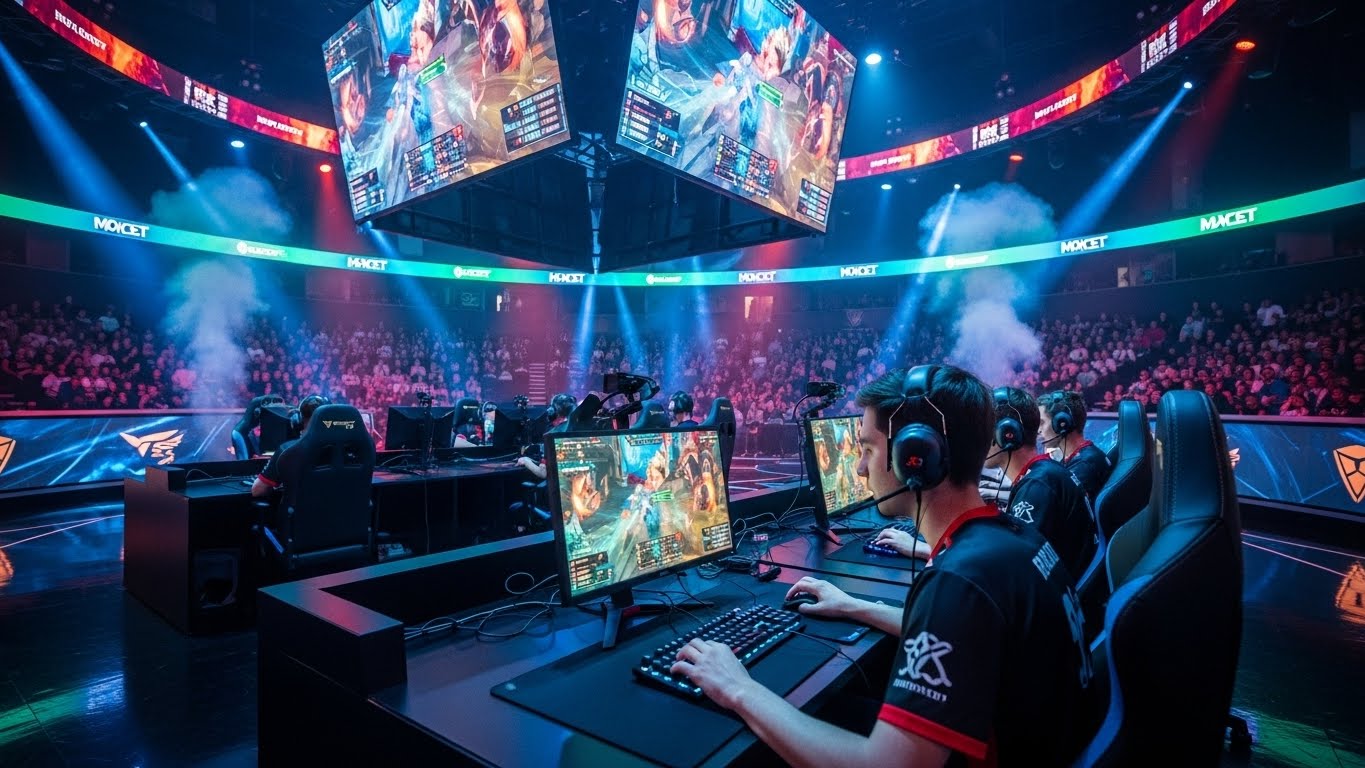
Today, esports is a full-fledged industry powered by professional teams, coaches, analysts, and managers. Major organizations operate like traditional sports franchises, recruiting talent, hosting boot camps, and developing training programs. Players commit to rigorous daily routines that include strategy reviews, scrimmages, mental conditioning, and physical exercise.
Prize pools for major tournaments now reach millions, and top players sign lucrative contracts with organizations that provide salaries, sponsorship deals, and travel support. These professional opportunities have elevated the status of gamers, turning them into role models for younger fans who dream of competing at the highest level.
The Global Fanbase: A Community Without Borders
One of the most remarkable aspects of esports is its borderless community. Unlike many traditional sports that dominate only in specific regions, esports thrives across continents. Fans in Europe cheer for teams from Asia, and players from South America meet rivals from North America in world championships.
Social media, streaming platforms, and gaming forums play a crucial role in maintaining this global network. Regardless of language or culture, fans unite around iconic plays, intense rivalries, and memorable tournaments. The virtual nature of esports makes it inclusive, accessible, and continuously expanding.
The Rise of Esports Arenas and Epic Tournaments
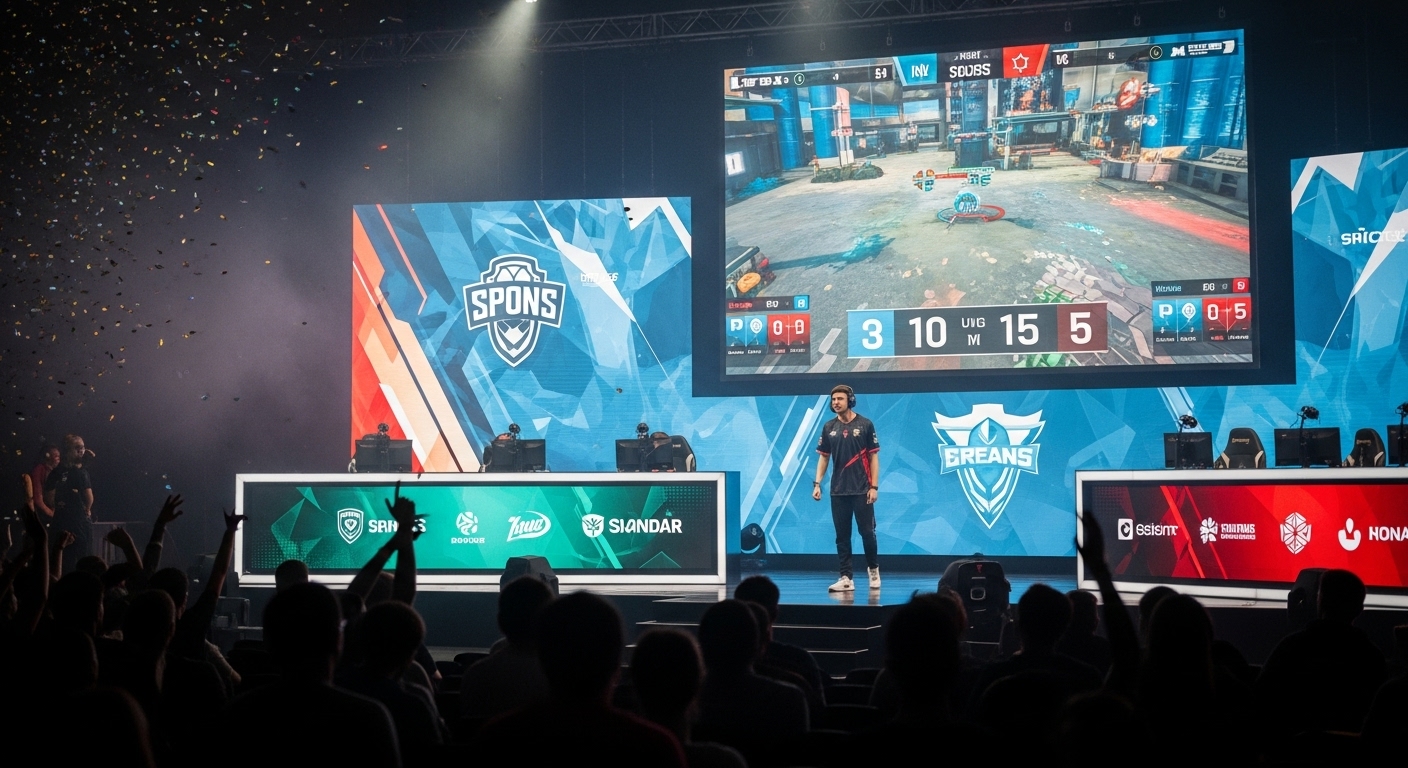
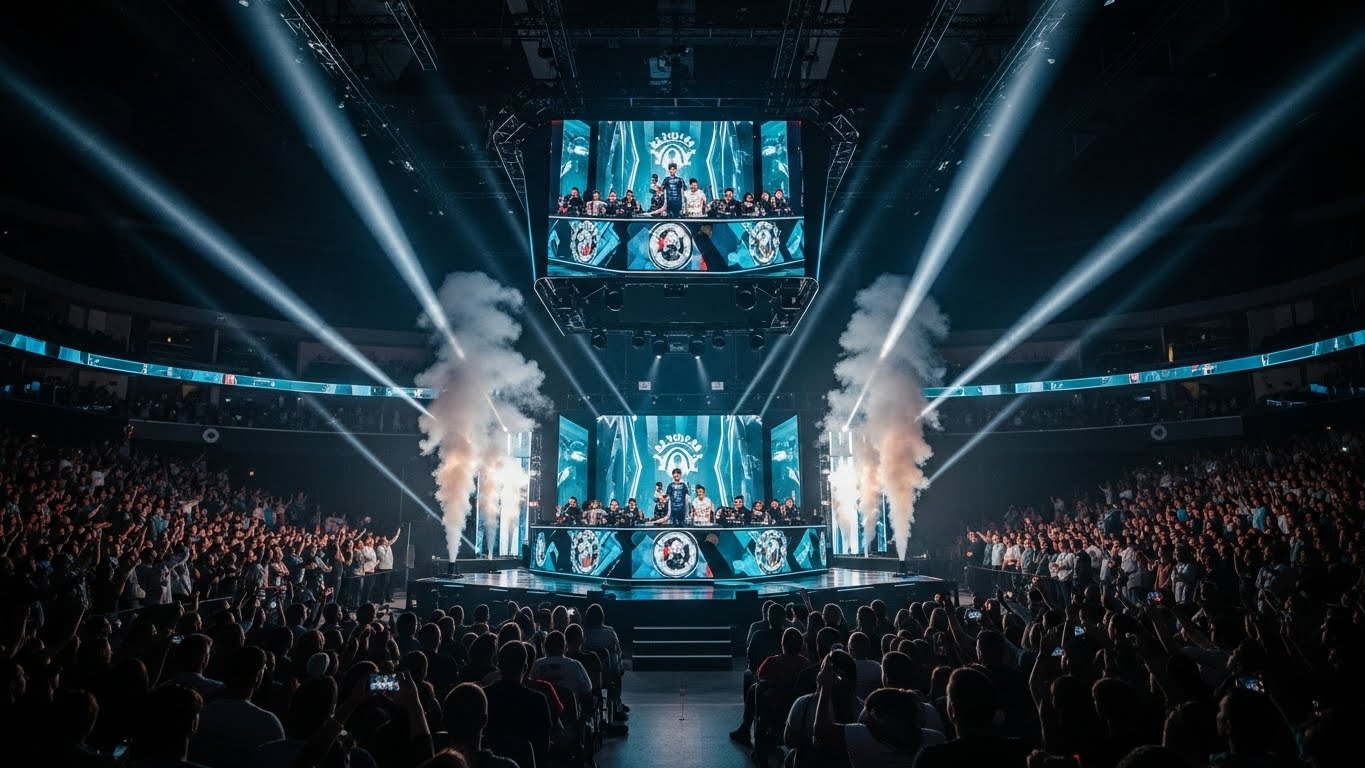
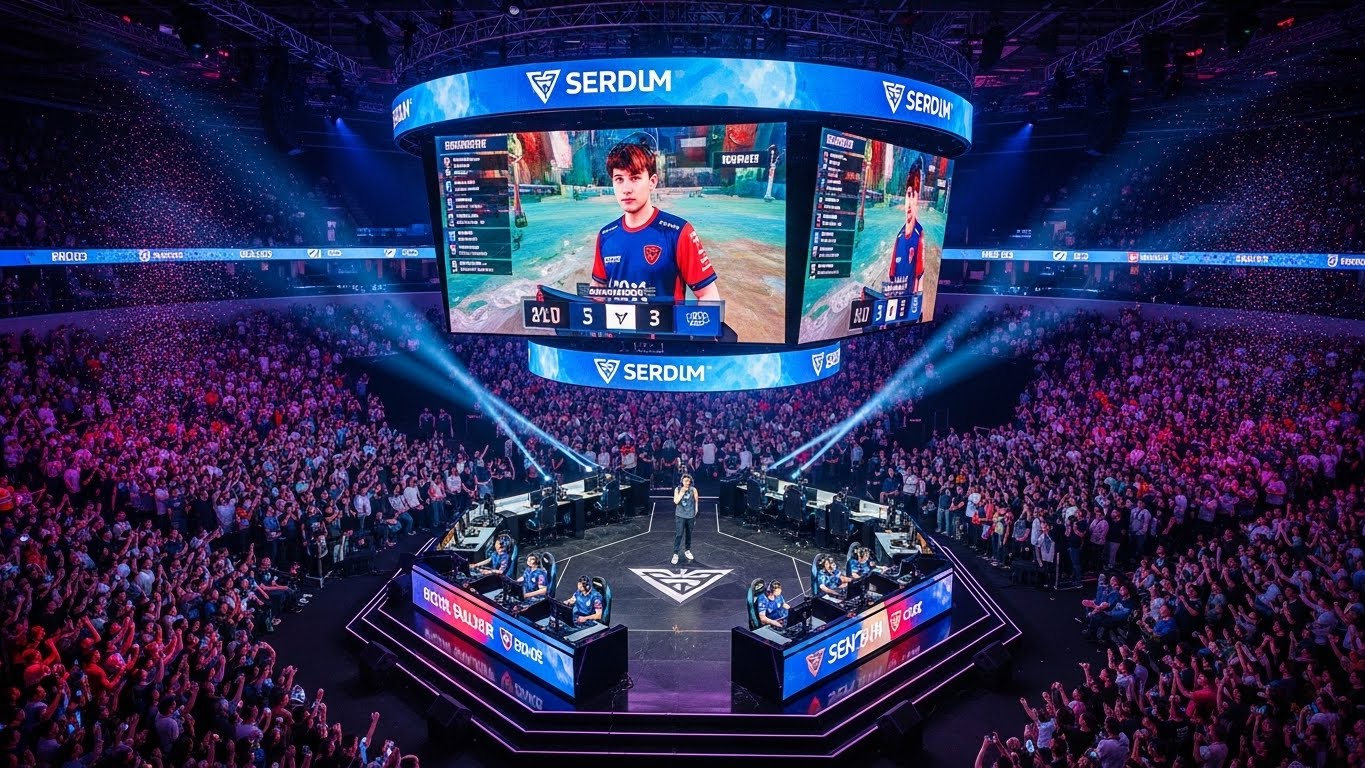
In recent years, esports has moved from living rooms and desktops into purpose-built arenas. These spaces fill with chanting fans, giant LED displays, and theatrical lighting that heightens the competitive atmosphere. Tournaments resemble major sports events, complete with casters, analysts, opening ceremonies, pyrotechnics, and fan zones.
The scale and production quality of world championships rival that of large concerts or traditional sporting events. This evolution demonstrates how far esports has come in terms of cultural recognition and mainstream acceptance. Not only are these events major spectacles, but they also drive tourism, generate local revenue, and attract global media coverage.
Game Genres That Dominate the Scene
Esports is not limited to a single type of game. A wide variety of genres contribute to the competitive landscape, each appealing to different audiences.
1. Multiplayer Online Battle Arenas
These strategy-driven team games require coordination, quick decision-making, and mastery of complex mechanics. Teams compete to destroy opponents’ bases while defending their own.
2. First-Person Shooters
Fast-paced and intense, these games test aim, reflexes, and tactical execution. Competitive shooters often produce some of the most thrilling and unpredictable matches.
3. Battle Royales
These games throw large numbers of players into a shrinking environment, creating high-stakes, last-player-standing scenarios that captivate massive audiences.
4. Fighting Games
Known for their individual skill displays, fighting games bring one-on-one battles to life with precise moves and dramatic comebacks.
5. Sports Simulations
Virtual versions of real-world sports have their own competitive scenes, blending traditional sports fandom with gaming culture.
This diversity ensures that esports continues to attract new fans with different tastes and preferences.
The Role of Technology in Esports Growth
Technological innovation fuels much of esports’ success. From advanced gaming hardware to high-refresh-rate monitors, technology enhances both competitive performance and viewer experience. Streaming technology allows millions of fans to watch matches from anywhere in the world with minimal delay.
Artificial intelligence and data analytics play increasing roles in training programs, helping players understand patterns, improve reaction times, and refine strategies. Virtual and augmented reality are also beginning to influence the competitive scene, hinting at new dimensions of esports in the coming years.
Youth Engagement and Educational Opportunities
For many young people, esports is more than entertainment; it is a path toward personal development and even formal education. Schools and universities across the world now offer esports clubs, scholarships, and academic programs related to game design, broadcasting, and esports management.
These programs help students develop teamwork, leadership, communication skills, and critical thinking. Competitive gaming has become an outlet for creative expression, social interaction, and professional growth. Esports no longer exists as a pastime but as a legitimate academic and career pathway for passionate individuals.
The Business Side: Sponsorships, Media Rights, and Merchandise
Behind every major tournament is a complex ecosystem of businesses. Sponsorships from global brands, merchandise sales, and media rights deals drive the industry’s revenue. Companies that once focused solely on traditional sports now invest heavily in esports because of its ability to reach younger, digitally native audiences.
Merchandise like jerseys, gaming accessories, and team apparel creates a sense of identity for fans. Meanwhile, exclusive broadcasting rights and streaming partnerships transform tournaments into major entertainment events. Esports has proven its financial sustainability, and its economic influence continues to grow each year.
Challenges Facing the Esports Industry
Despite its success, esports faces challenges that must be addressed to ensure long-term stability. Issues such as player burnout, inconsistent league structures, and the need for improved health and wellness support are ongoing concerns. Younger players entering the scene also require guidance to maintain balance between competition, education, and personal growth.
Regulation, governance, and standardization across different games also remain topics of debate. As esports expands globally, creating frameworks that promote fairness, safety, and competitive integrity becomes increasingly important.
The Future: What Lies Ahead for Esports
The future of esports looks exceedingly promising. With technological advancements, growing educational integration, and increasing mainstream recognition, competitive gaming is poised to become even more influential. As virtual and augmented reality evolve, new immersive experiences may redefine how players compete and how fans engage.
Esports will continue to bridge cultures, spark innovation, and inspire new generations of players. Its blend of entertainment, technology, and human creativity ensures that it will remain at the forefront of global culture for years to come.
Conclusion: The Power of a Digital Revolution
Esports is more than a sport. It is a cultural movement, a technological marvel, and a global community united through competition and creativity. From passionate grassroots beginnings to grand international arenas, esports has proven that digital entertainment can be just as compelling and celebrated as traditional sports.
Its future is bright, its influence undeniable, and its story still unfolding. What began as friendly matches among friends has evolved into one of the defining phenomena of modern entertainment. And as long as the world continues to play, compete, and connect, esports will continue to thrive beyond the arena.