Introduction
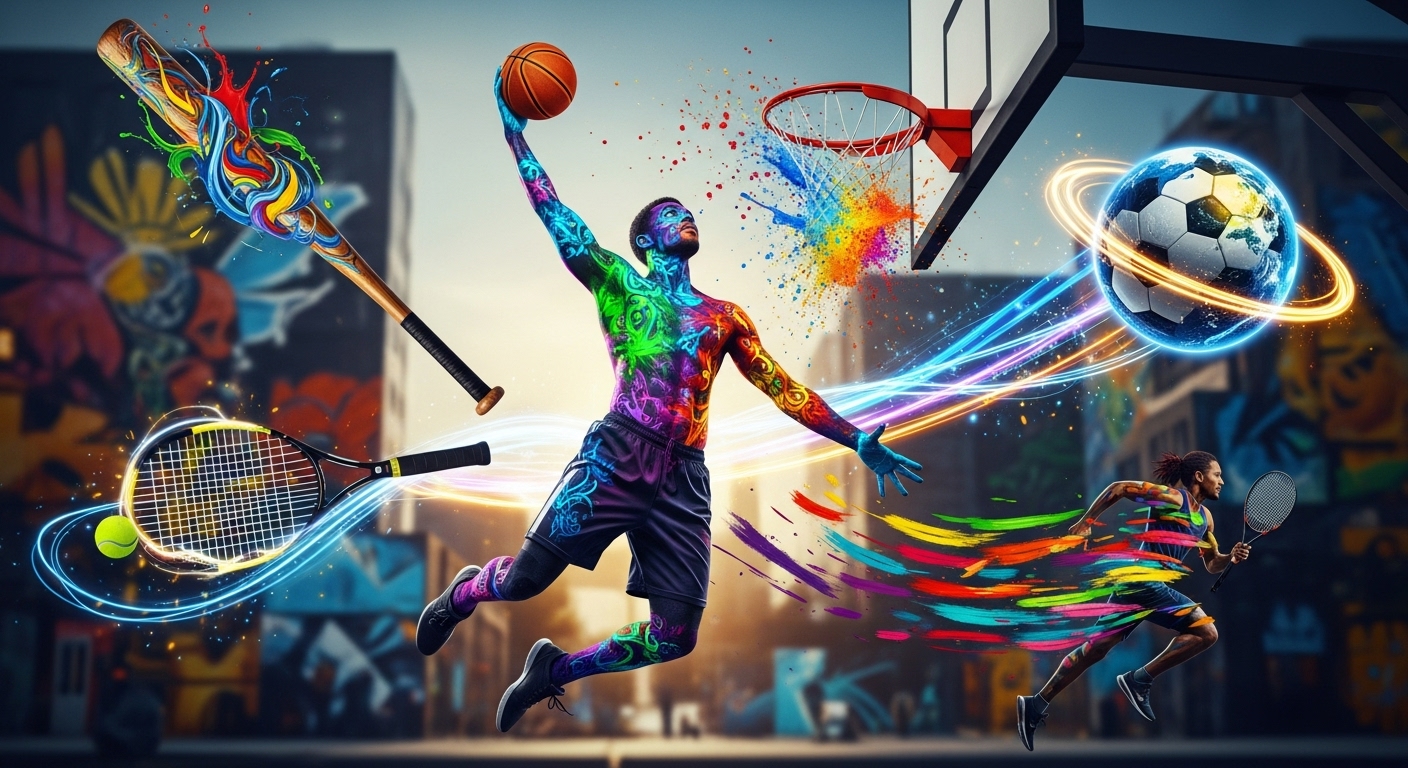
Sports are often seen simply as games, competitions, or entertainment. Yet their influence stretches far beyond stadiums and fields. They are a reflection of human potential, a medium for learning, and a unifying force across societies. Sports inspire individuals to challenge themselves, build resilience, and engage with communities in meaningful ways. This blog explores the many dimensions of sports, from their historical roots to modern impacts on society, personal development, and culture.
The Historical Roots of Sports
Sports have existed for thousands of years, tracing back to ancient civilizations. In Greece, the Olympic Games celebrated physical skill, discipline, and honor. Athletes competed not just for personal glory but as representatives of their city-states, linking competition with civic pride. Ancient Egypt had wrestling and board games that combined strategy and skill, showing that competition and physical prowess were valued universally. Over centuries, sports evolved into organized activities with codified rules, laying the foundation for the modern sports world. Understanding this history highlights the deep cultural and social significance of athletics beyond mere recreation.
Physical and Health Benefits of Sports
The most immediate impact of sports is on physical health. Regular participation improves cardiovascular fitness, strengthens muscles, enhances flexibility, and helps maintain a healthy weight. Beyond these tangible benefits, sports also encourage lifelong habits of activity and wellness. Engaging in physical challenges fosters energy, endurance, and an understanding of the importance of self-care. Importantly, physical health directly influences mental well-being, creating a positive feedback loop that supports a balanced lifestyle.
Psychological Impact of Sports
Sports are powerful tools for mental and emotional development. Playing sports reduces stress by stimulating the release of endorphins, natural mood enhancers. It helps individuals build resilience, teaching them to cope with failure and persist despite setbacks. Athletes learn patience, focus, and the importance of consistent effort. For young people, sports participation promotes confidence and self-esteem, helping them navigate challenges in academic and social life. The psychological benefits extend to spectators as well, as fans often experience joy, excitement, and emotional connection through shared enthusiasm for their teams.
Social Integration and Community Building
One of the most remarkable aspects of sports is their ability to unite people. Fields, courts, and arenas bring together individuals from diverse backgrounds, fostering interaction and collaboration. Community sports programs often serve as safe spaces where young people can develop friendships, mentorships, and a sense of belonging. Sports also bridge social divides, creating a shared culture where mutual respect and teamwork are valued. Celebrations of victories and support during losses create bonds that extend beyond the boundaries of the game, strengthening social cohesion.
Life Skills Developed Through Sports
Sports teach skills that extend far beyond physical performance. Team sports promote communication, leadership, and strategic thinking, while individual sports instill discipline, self-motivation, and accountability. Participants learn to set goals, manage time effectively, and handle both success and failure gracefully. These skills are transferable to careers, education, and personal life, demonstrating that sports serve as a training ground for holistic development. Coaches and mentors often emphasize that the lessons learned on the field—perseverance, teamwork, and ethical conduct—are as important as victories.
Sports and Cultural Identity
Sports often serve as powerful symbols of cultural pride and identity. National teams, local clubs, and legendary athletes become sources of communal pride. Competitions like the World Cup or regional tournaments evoke deep emotional connections, with victories celebrated as shared accomplishments. Sports also help preserve cultural heritage, as traditional games and regional competitions maintain historical practices while adapting to modern times. Fans’ passion for their teams often transcends mere entertainment, creating lifelong attachments that reinforce social and cultural identity.
The Role of Sports in Education
Educational institutions recognize the importance of sports for developing well-rounded individuals. Participation in school sports programs improves physical health, encourages teamwork, and enhances cognitive abilities. Student-athletes develop better time management skills, discipline, and focus, which often translates into improved academic performance. Schools use sports to promote inclusivity, giving students of all abilities the chance to participate and excel. By integrating sports into curricula, educators emphasize the importance of both mental and physical development for students’ overall growth.
Technological Advancements in Sports
Technology has revolutionized the world of sports. Advanced training equipment, wearable devices, and performance analytics allow athletes to optimize their training and reduce injury risks. Video replay systems and digital analysis help coaches refine strategies and evaluate performance with precision. Fans also benefit from technology through live broadcasts, interactive apps, and immersive experiences. While technology enhances performance and accessibility, it also introduces debates about fairness, privacy, and the balance between human skill and digital assistance.
Economic Significance of Sports
Sports are not just recreational or cultural phenomena; they are significant economic drivers. Professional leagues, tournaments, and events generate substantial revenue through ticket sales, merchandise, sponsorships, and media rights. Local communities benefit from sports tourism and infrastructure investments, creating jobs and stimulating economic activity. Even grassroots and community-level sports programs contribute to local economies, highlighting the multifaceted value of sports beyond entertainment.
Challenges and Ethical Considerations in Sports
Despite its many benefits, sports face challenges and controversies. Issues such as doping, corruption, gender inequality, and commercialization threaten the integrity of competitions. Access to resources and training remains unequal in many regions, limiting opportunities for talented athletes. Addressing these challenges requires transparent governance, ethical practices, and equitable support for participants at all levels. Recognizing and tackling these issues ensures that sports continue to promote fairness, respect, and personal growth.
The Future of Sports
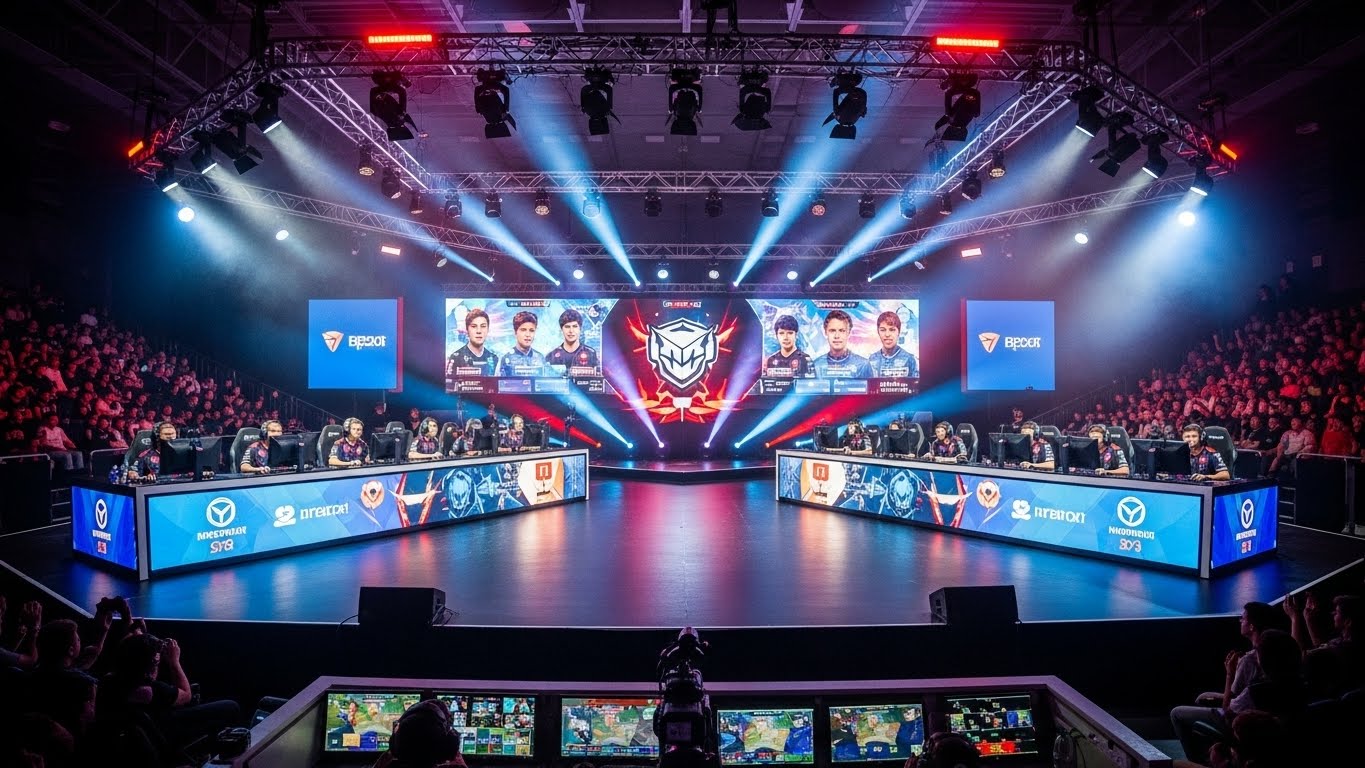
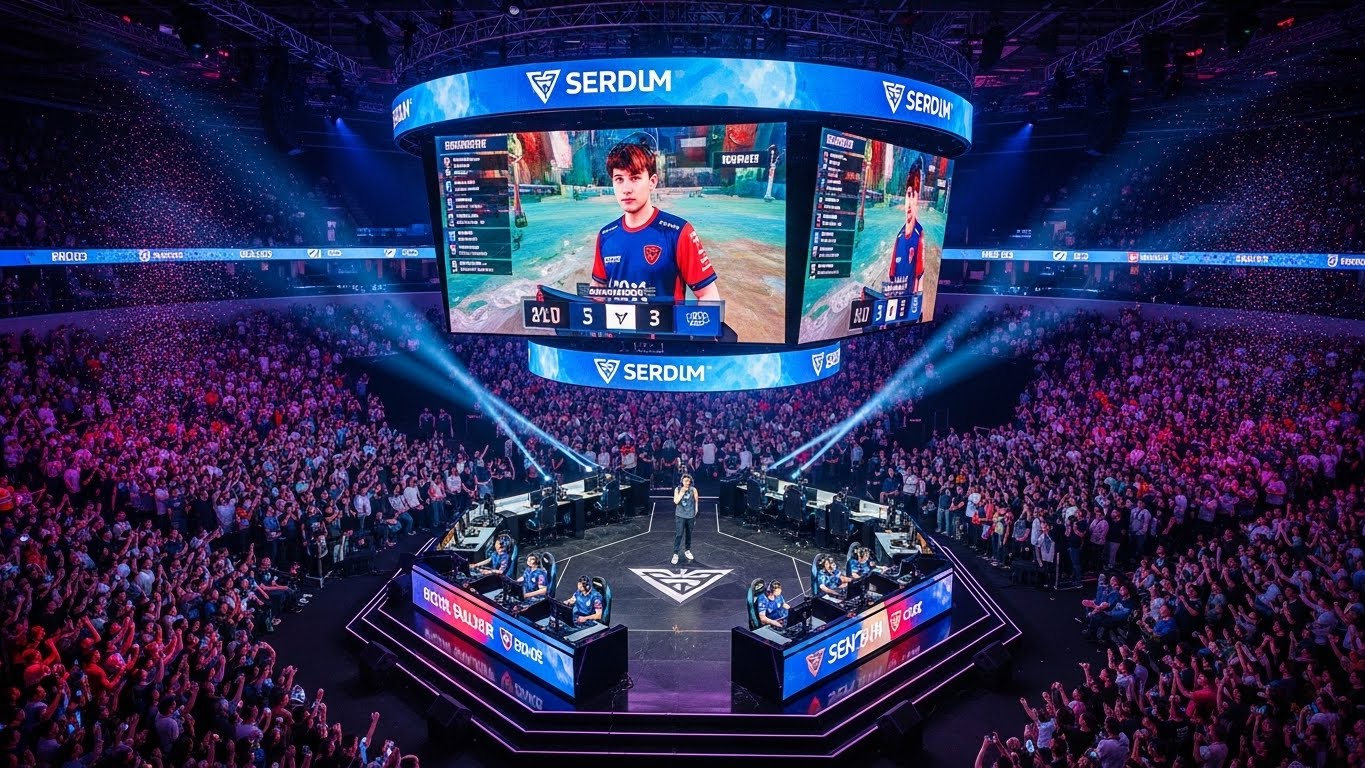
The future of sports promises innovation, inclusivity, and continued cultural impact. Emerging areas such as e-sports, hybrid training methods, and sustainable sporting events are reshaping the landscape. Social movements advocating for equality and inclusion are influencing policies and practices in sports worldwide. Despite technological and social evolution, the core values of sports—discipline, teamwork, perseverance, and joy—remain unchanged. Sports will continue to inspire, connect, and empower people across generations, highlighting the timeless nature of human athleticism.
Conclusion
Sports are far more than games. They influence society, shape personal development, and unite communities across borders. Participation in sports fosters physical health, mental resilience, and life skills that extend into everyday life. Fans experience emotional connection and shared identity, while communities enjoy economic, social, and cultural benefits. Challenges exist, but the potential of sports to inspire, educate, and transform lives is unparalleled. Beyond the excitement of competition, sports are a celebration of human potential, determination, and the shared joy of striving together toward a common goal.