Introduction: The Rise of Esports
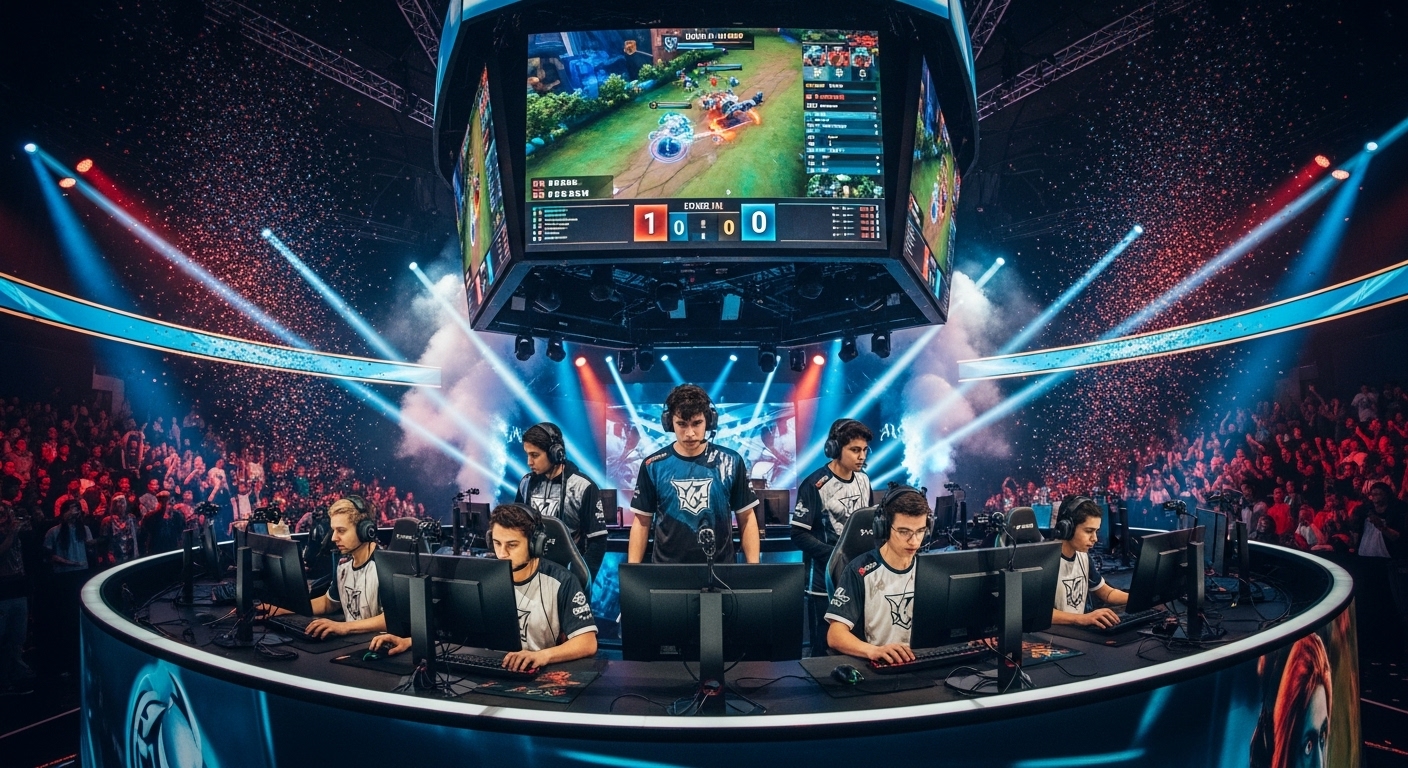
Esports, short for electronic sports, has rapidly evolved from a niche hobby into a global phenomenon. Once considered a pastime limited to gamers in small communities, esports is now a multi-billion-dollar industry with professional players, teams, tournaments, sponsorships, and massive fanbases worldwide. It has transformed the way people perceive gaming, turning interactive entertainment into competitive, highly skilled, and widely recognized sports.
The appeal of esports lies not only in the thrill of competition but also in its ability to connect people, foster teamwork, and create immersive experiences. Today, esports is more than just playing games—it is a cultural force, a career path, and a platform that bridges technology, entertainment, and athleticism.
The Evolution of Esports
The roots of esports can be traced back to early video game competitions in the 1980s. Games like Space Invaders and Pac-Man inspired arcade tournaments, but these were mostly localized events. The 1990s and early 2000s introduced online multiplayer games such as StarCraft, Counter-Strike, and Warcraft, which expanded competitive gaming to a global audience.
With the growth of high-speed internet, streaming platforms, and game-focused media, esports evolved into a professionalized industry. Tournaments now feature structured leagues, live broadcasts, commentary, and sponsorship deals. Today, esports encompasses a wide variety of genres, including first-person shooters, real-time strategy games, battle royales, and sports simulations, catering to diverse audiences worldwide.
The Competitive Nature of Esports
Esports requires a high level of skill, strategy, and mental acuity. Players must master game mechanics, understand complex strategies, and react quickly under pressure. Unlike casual gaming, professional esports demands consistent practice, teamwork, and analytical thinking.
Competitions are structured similarly to traditional sports, with leagues, seasonal matches, playoffs, and championships. Teams analyze opponents, devise tactics, and refine strategies over time. The competitive intensity of esports elevates gaming from a recreational activity to a disciplined, highly challenging pursuit, where precision, coordination, and mental resilience are paramount.
Esports as a Career Path
Professional esports has emerged as a legitimate career for many. Players sign contracts with teams, participate in sponsored events, and earn salaries and prize money. The industry also offers opportunities beyond playing, including coaching, broadcasting, content creation, team management, and game analysis.
Esports careers demand dedication and professionalism. Players maintain rigorous practice schedules, physical fitness routines, and mental conditioning. Success in esports requires a combination of technical skill, strategic insight, communication, and perseverance. For many young gamers, esports represents a dream career that blends passion with professional achievement.
The Role of Technology in Esports
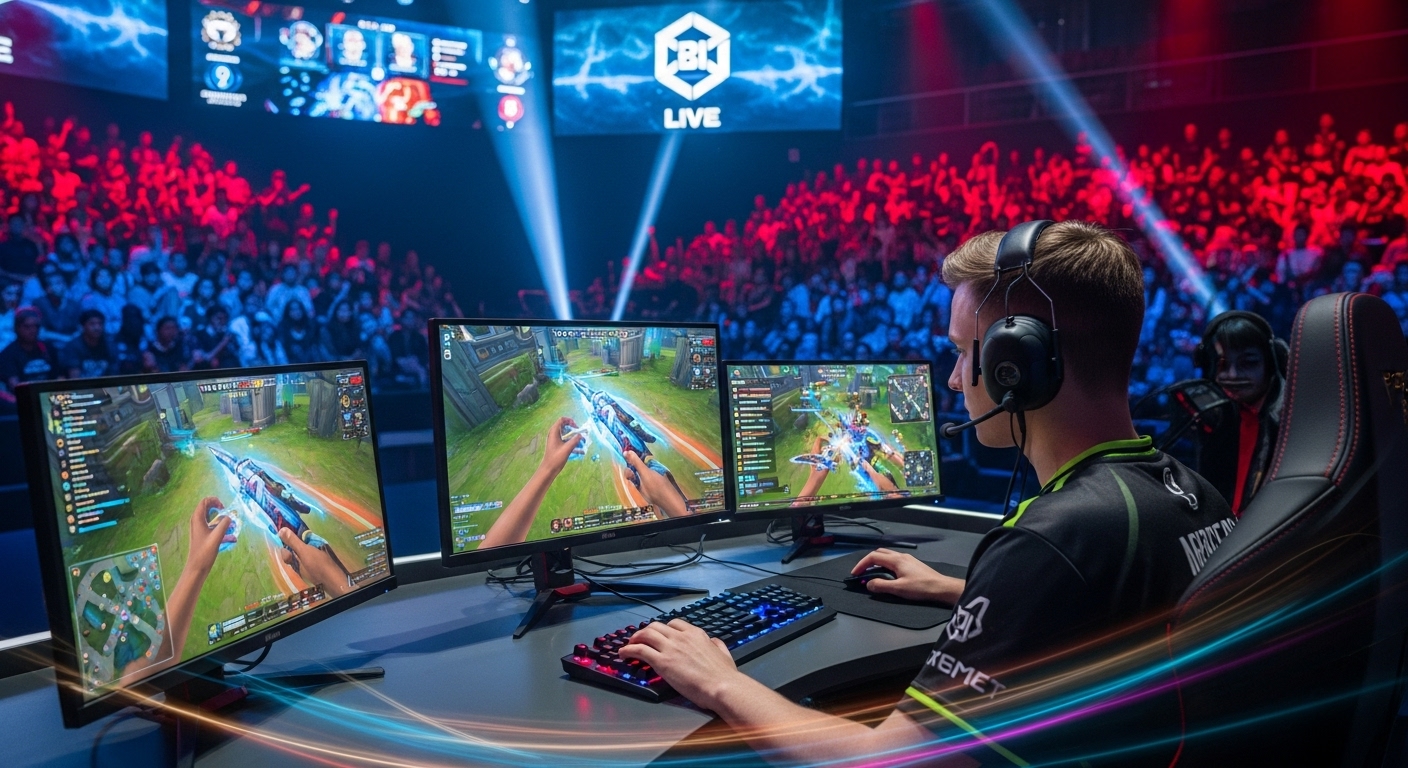
Technology is central to esports. High-performance computers, gaming consoles, and peripherals allow players to execute precise commands and compete at elite levels. Fast internet connections, streaming platforms, and tournament software ensure smooth gameplay and global accessibility.
Advancements in technology have also improved viewer experiences. Live streams, instant replays, and dynamic camera angles allow audiences to engage with the action as if they were on the stage. Data analytics help teams analyze performance, track player stats, and optimize strategies. Technology not only enables competition but also enhances entertainment and accessibility in esports.
Esports and Cognitive Skills
Esports requires a range of cognitive skills that extend beyond physical reflexes. Strategic thinking, problem-solving, and quick decision-making are essential for success. Players must anticipate opponents’ moves, adapt to changing situations, and manage multiple objectives simultaneously.
Games often involve complex mechanics that challenge memory, spatial awareness, and multitasking abilities. Team-based games also enhance communication, coordination, and leadership skills. The mental rigor of esports demonstrates that competitive gaming develops not just reflexes but critical cognitive and social abilities.
Social Connectivity Through Esports
Esports fosters a strong sense of community and social connection. Online tournaments and multiplayer platforms allow players to interact, collaborate, and compete with individuals from around the world. Fans gather on streaming platforms, forums, and social media to discuss strategies, celebrate victories, and engage with content creators.
Spectatorship is a major component of esports culture. Fans follow teams and players passionately, much like traditional sports. Community events, fan art, and online interactions create vibrant ecosystems where participants feel connected and engaged, forming a social network centered around shared interests and enthusiasm.
Esports and Entertainment
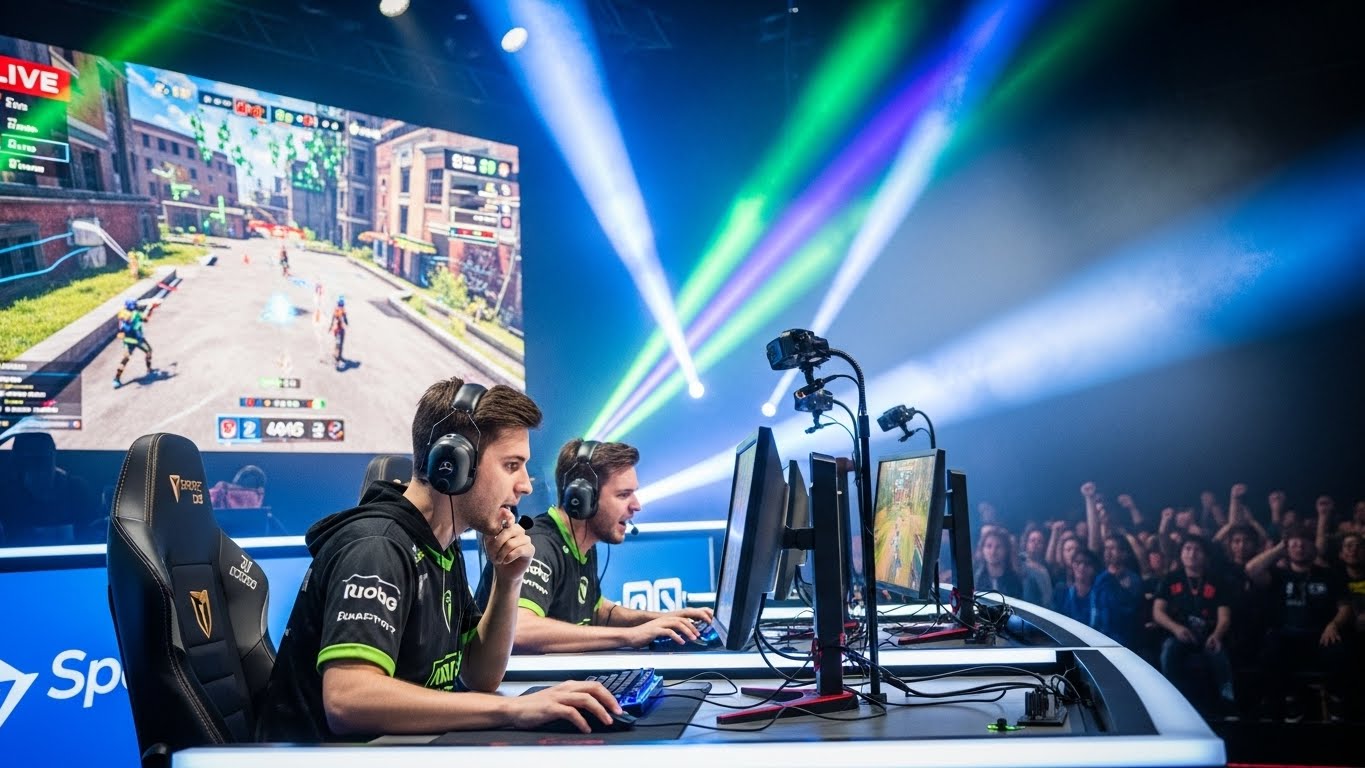
Esports blends competition with entertainment. Live broadcasts, commentary, and in-game highlights make esports engaging for both players and viewers. Professional commentators analyze gameplay, offer insights, and create narratives that enhance excitement and emotional investment.
Beyond tournaments, esports content extends to streaming platforms where players showcase gameplay, interact with fans, and create educational or humorous content. The combination of skill, storytelling, and social interaction makes esports a highly engaging form of entertainment for audiences worldwide.
Esports and Inclusivity
Esports is more accessible than many traditional sports. Unlike physical sports that may require specific physical attributes or facilities, esports primarily relies on skill, strategy, and reflexes, allowing a broader range of participants. Online connectivity enables players from diverse backgrounds, genders, and abilities to compete on equal footing.
Inclusivity is also growing in esports organizations and tournaments, with initiatives to support women players, disabled participants, and emerging talent. This democratization allows more people to experience competitive gaming, fostering diversity and community in ways traditional sports may not always achieve.
The Mental Health Aspect of Esports
While esports offers cognitive and social benefits, it also presents mental health challenges. Intense practice schedules, high expectations, and competitive pressure can lead to stress and burnout. Maintaining a balance between gaming, physical activity, and rest is crucial.
Many professional teams now emphasize mental wellness, providing coaching, counseling, and strategies to manage pressure. When approached responsibly, esports can promote resilience, focus, and teamwork while avoiding negative impacts on mental health. Awareness of these challenges ensures sustainable growth and a positive experience for players.
The Global Impact of Esports
Esports has become a global cultural phenomenon. International tournaments attract millions of viewers and create opportunities for cross-cultural exchange. Teams from different countries compete on the same platform, promoting understanding, camaraderie, and global sportsmanship.
Esports also contributes economically, with sponsorships, advertising, media rights, and merchandise generating significant revenue. Educational institutions are recognizing esports, offering scholarships and programs that support competitive gaming. The global impact of esports demonstrates its power to influence culture, economy, and society.
The Future of Esports
The future of esports promises continued innovation and growth. Virtual reality, augmented reality, and cloud gaming will create more immersive and interactive experiences. Artificial intelligence will enhance training, analysis, and spectator engagement.
Esports is likely to expand in accessibility, professionalism, and popularity, with new leagues, games, and global events emerging. As technology, culture, and competition continue to evolve, esports will become increasingly integrated into mainstream entertainment and sports culture, redefining how people perceive competition and skill.
Conclusion: Esports as a Modern Phenomenon
Esports has transformed the way people view gaming, competition, and entertainment. It is a complex, dynamic ecosystem that combines skill, strategy, community, and technology. From cognitive benefits to social connectivity, from professional careers to global cultural influence, esports is shaping the future of entertainment and sports.
More than just playing games, esports represents a new form of human achievement, where passion, dedication, and talent converge in a digital arena. It is a modern phenomenon that transcends borders, unites people, and redefines what it means to compete, succeed, and engage in interactive entertainment.
Esports is not merely a trend; it is a cultural revolution, proving that competitive gaming has a lasting impact on individuals, communities, and society at large.