Introduction: The Digital Arena Emerges
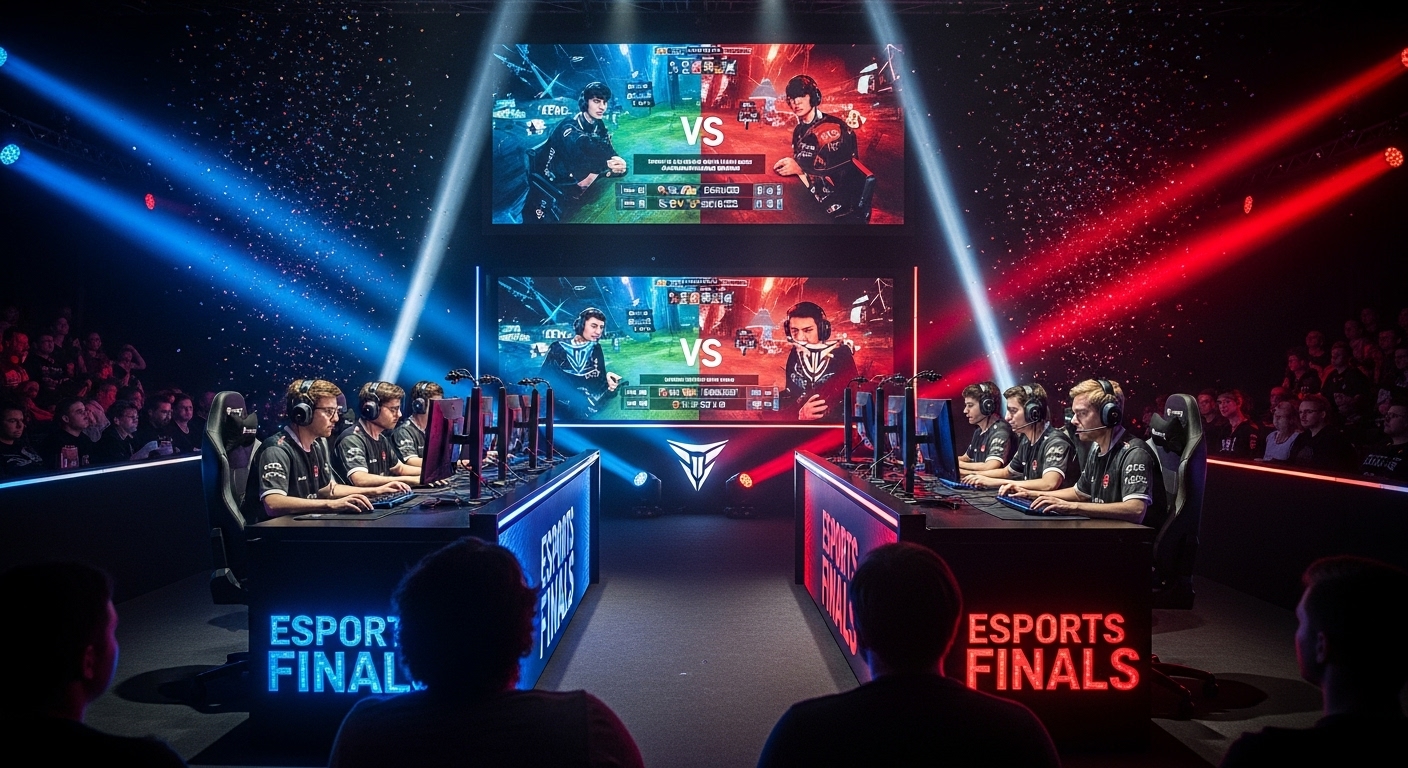
Esports, or electronic sports, has transformed from a niche hobby into a global phenomenon, captivating millions of players and spectators around the world. What was once seen as casual gaming has now evolved into a highly competitive and professional industry. Esports combines strategy, skill, teamwork, and technology, creating a unique form of competition that transcends traditional sports. Its growth reflects broader shifts in digital culture, entertainment, and social interaction, making esports not only a pastime but a significant cultural and economic force. This article explores the evolution, impact, and future of esports, examining how it shapes individual players, communities, and global industries.
The Evolution of Esports
The origins of esports can be traced back to the early days of arcade gaming and multiplayer computer competitions in the 1980s and 1990s. Early tournaments featured classic games like Pac-Man, Space Invaders, and Street Fighter, where players competed for local recognition or small prizes. With the rise of personal computers and the internet, competitive gaming expanded, giving birth to large-scale events and online communities. Titles such as StarCraft, Counter-Strike, and League of Legends defined the modern esports era, attracting millions of players worldwide. Today, esports spans multiple genres, including first-person shooters, real-time strategy, multiplayer online battle arenas, and sports simulations. Its growth has been fueled by technological advancements, social media platforms, and streaming services, making competitive gaming accessible to a global audience.
The Structure of Esports Competitions
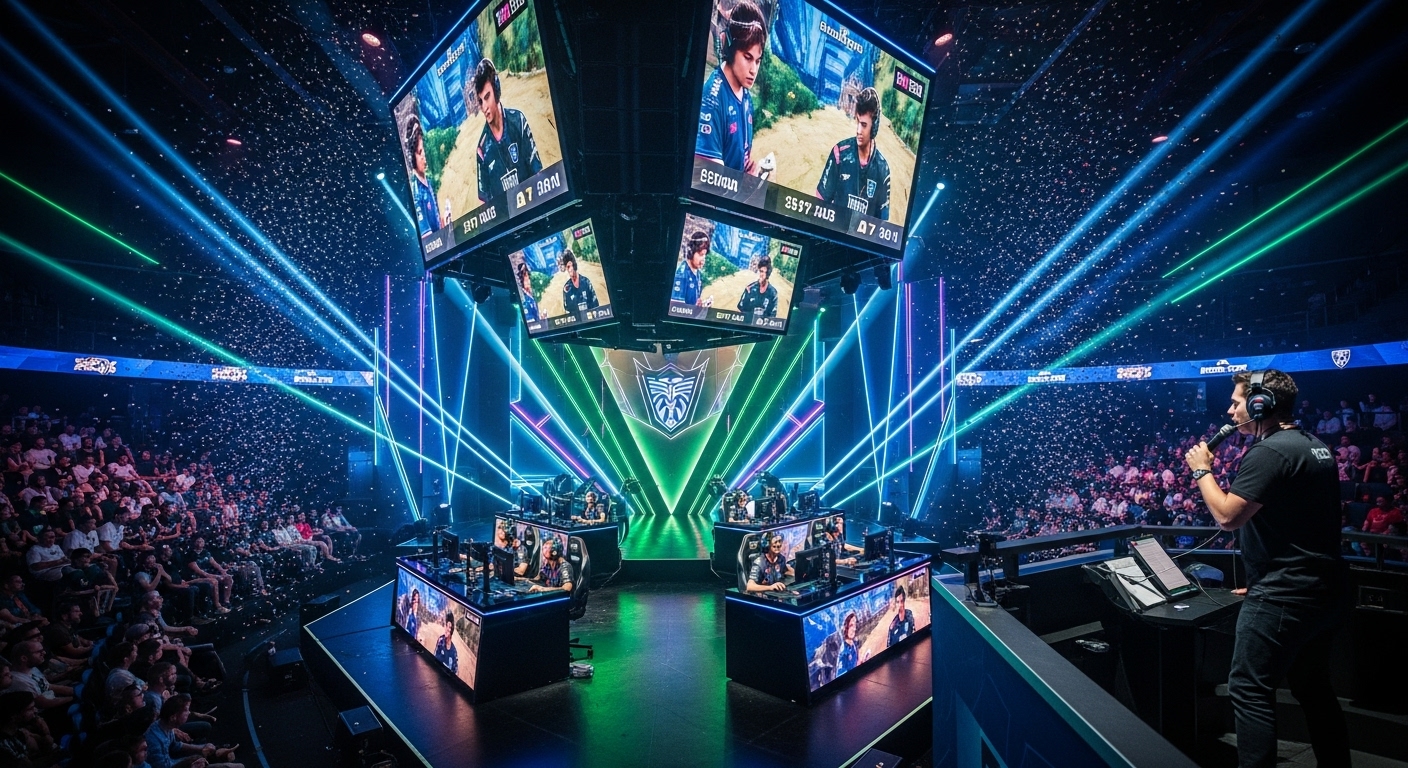
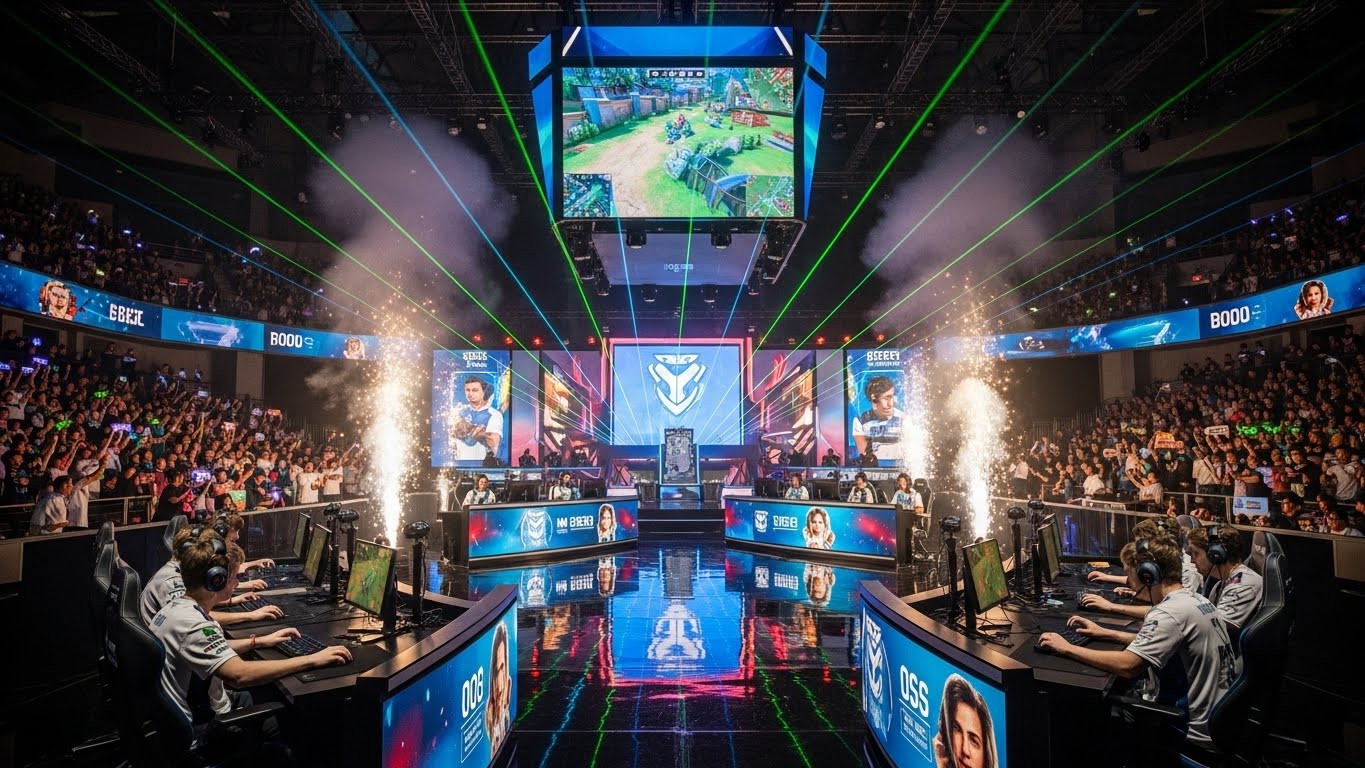
Esports competitions are organized in a structured hierarchy similar to traditional sports leagues. Professional teams, amateur clubs, and individual players compete in regional, national, and international tournaments. Events range from small local gatherings to major global championships that fill arenas and attract online viewership in the tens of millions. Players often specialize in a single game, dedicating hours daily to practice, strategy, and teamwork. Teams employ coaches, analysts, and support staff to enhance performance and maintain competitive edge. This professional structure demonstrates the seriousness of esports, highlighting the combination of talent, preparation, and discipline required to succeed at the highest levels.
Mental Skills and Cognitive Benefits of Esports
Esports is often misunderstood as purely recreational, but competitive gaming demands exceptional mental skills and cognitive abilities. Players must process vast amounts of information, make rapid decisions under pressure, and anticipate opponents’ strategies. Games often require multitasking, hand-eye coordination, and strategic planning, engaging the brain in ways similar to chess or traditional sports. Mental endurance, focus, and adaptability are crucial for success, as split-second mistakes can determine the outcome of a match. Moreover, competitive gaming fosters problem-solving skills, spatial awareness, and memory retention. These cognitive benefits make esports a unique platform for mental development, challenging the perception that video games are purely passive entertainment.
Teamwork and Communication in Multiplayer Games
Team-based esports titles emphasize communication, coordination, and collaboration. Players must synchronize actions, share information, and support each other to achieve objectives. Successful teams develop strong interpersonal dynamics, learning how to manage conflicts, motivate teammates, and maintain morale under pressure. Leadership and decision-making skills emerge naturally in this environment, with team captains and strategists guiding collective efforts. Even individual players benefit from social interaction in online communities, where sharing insights, analyzing gameplay, and participating in discussions enhance learning. Esports provides a modern avenue for developing teamwork skills, demonstrating that collaboration in digital spaces is as meaningful as in traditional physical environments.
Professionalism and Career Opportunities in Esports
The rise of esports has created diverse professional opportunities, extending beyond the role of the player. Professional gamers earn income through salaries, tournament winnings, sponsorships, and streaming revenue. Teams hire coaches, analysts, managers, and content creators, forming a full ecosystem around competitive gaming. Events are broadcast on streaming platforms and television, supported by commentators, production crews, and marketing professionals. Moreover, the esports industry offers opportunities in game development, event management, journalism, and merchandising. This professionalization validates esports as a legitimate career path, attracting talent worldwide and demonstrating that digital competition can offer long-term economic and personal fulfillment.
Esports and Education
Esports has also found its place in educational settings, with schools and universities incorporating competitive gaming into extracurricular programs and scholarship opportunities. Collegiate esports teams provide students with avenues to develop skills, earn recognition, and pursue careers in gaming-related fields. Academic programs in esports management, game design, and digital marketing are emerging, reflecting the growing demand for expertise in the industry. Participation in esports enhances critical thinking, communication, and leadership abilities, complementing traditional educational objectives. By integrating esports into education, institutions recognize the cognitive, social, and career-oriented benefits of competitive gaming, legitimizing it as a constructive and enriching pursuit.
The Social Impact of Esports
Esports has a profound social impact, fostering communities, inclusion, and cultural exchange. Online platforms allow players from different countries, languages, and backgrounds to interact, collaborate, and compete, breaking down geographical and social barriers. Fan communities provide a sense of belonging, shared identity, and mutual support. Esports events encourage diversity and inclusivity, with initiatives promoting participation by women, minorities, and individuals with disabilities. Social media amplifies engagement, enabling fans to connect with players, share experiences, and celebrate achievements. By facilitating interaction and building networks, esports strengthens social cohesion and demonstrates the potential of digital platforms to create meaningful human connections.
Economic and Cultural Significance
Esports has emerged as a significant economic and cultural phenomenon, influencing industries, entertainment, and media. Global revenue from esports reaches billions of dollars annually, driven by sponsorships, advertising, merchandising, ticket sales, and media rights. Major tournaments are broadcast to audiences comparable to traditional sports, and professional players achieve celebrity status. Esports also shapes popular culture, influencing fashion, music, and lifestyle trends. The integration of esports with streaming platforms, social media, and gaming hardware creates a dynamic ecosystem that fuels innovation and creativity. The economic and cultural significance of esports underscores its legitimacy as a transformative force in modern society, comparable to traditional sports in scope and influence.
Challenges and Criticisms
Despite its growth, esports faces challenges and criticisms. Concerns about excessive screen time, sedentary behavior, and mental health issues persist, particularly among young players. The intense competitive environment can lead to stress, burnout, and unhealthy lifestyle habits. Regulatory issues, such as fair play, cheating, and gambling, require ongoing attention. Moreover, gender disparity and unequal opportunities remain concerns, as professional esports has historically been male-dominated. Addressing these challenges requires a balanced approach that promotes physical and mental well-being, fosters inclusivity, and establishes ethical standards. By confronting these issues, the esports community can ensure sustainable growth and long-term positive impact.
The Future of Esports
The future of esports is poised for further expansion and innovation. Advances in virtual reality, augmented reality, and cloud gaming will transform the way competitions are experienced and played. Global connectivity and technological improvements will enable new forms of interaction, training, and spectator engagement. Emerging esports titles and genres will continue to diversify the industry, appealing to wider audiences. Educational and professional pathways will expand, legitimizing esports as a lifelong pursuit. As the boundaries between digital and physical experiences blur, esports will increasingly intersect with traditional sports, entertainment, and culture, solidifying its position as a central component of modern life.
Conclusion: The Lasting Impact of Esports
Esports represents more than a digital pastime; it is a complex, multifaceted phenomenon with lasting social, cultural, and economic impact. From developing mental acuity and teamwork skills to creating professional opportunities and global communities, esports exemplifies the transformative potential of competitive gaming. It challenges traditional notions of sports, entertainment, and social interaction, offering a platform where skill, strategy, and creativity thrive. As technology evolves and society embraces digital culture, esports will continue to shape the way we play, connect, and compete. Beyond the screen, esports is a testament to human ingenuity, collaboration, and the enduring appeal of competition, proving that the digital arena is as dynamic and influential as any traditional playing field.