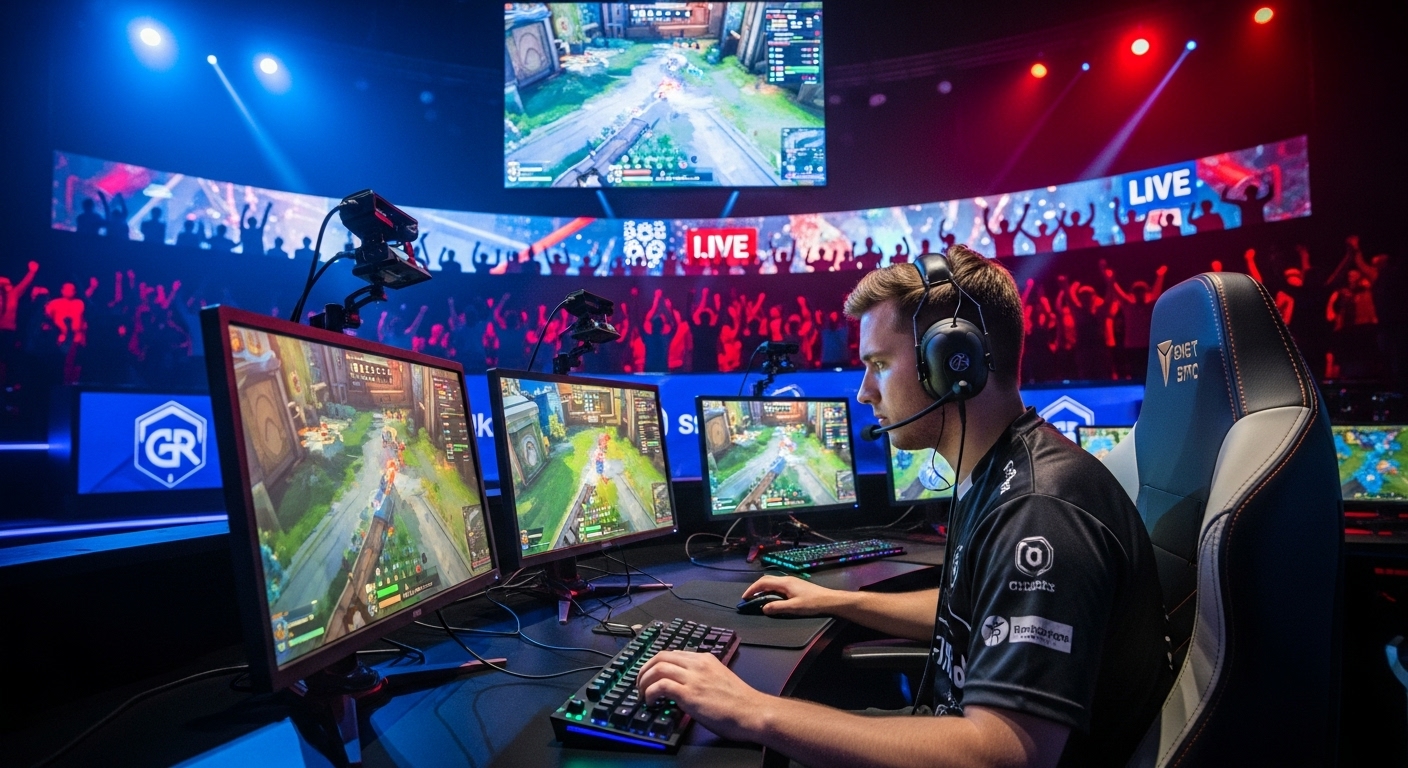
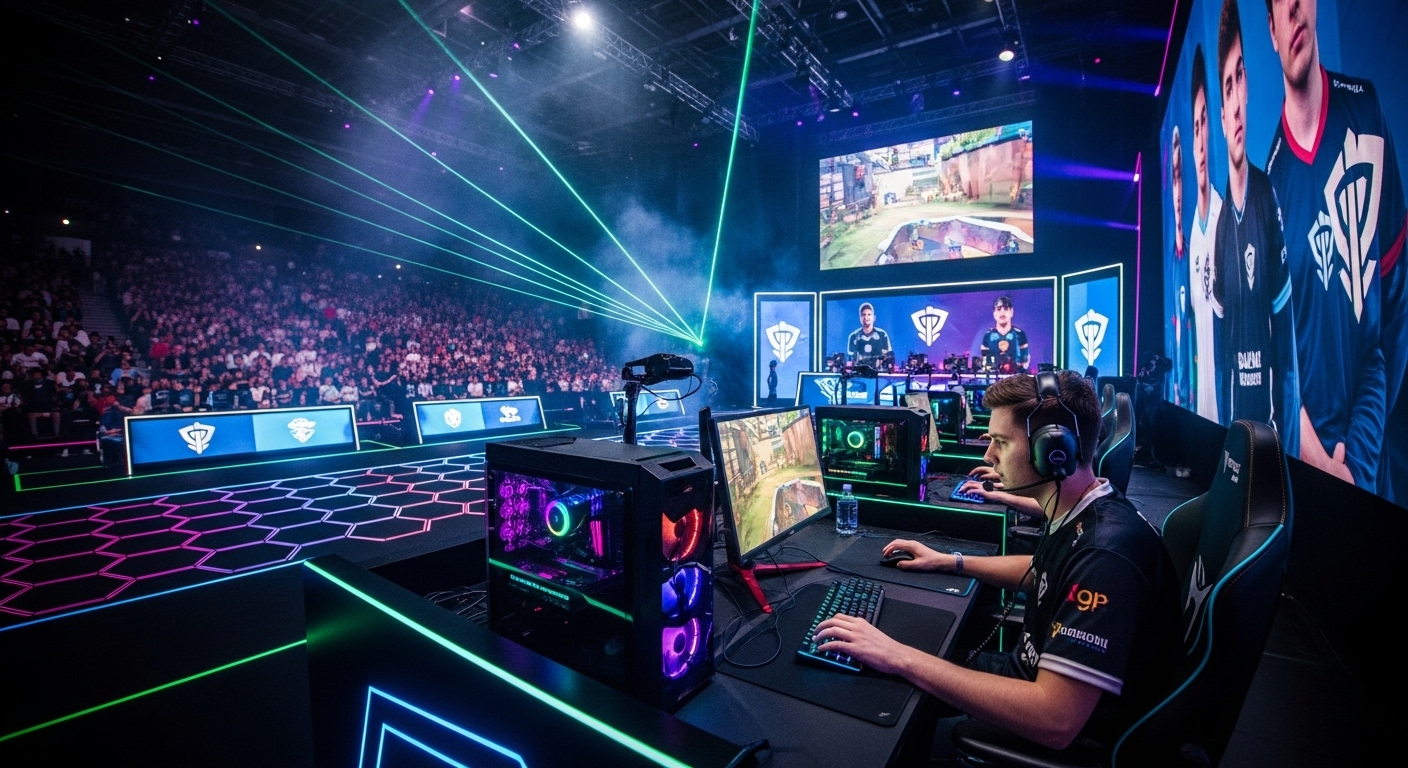
Introduction: A New Era of Competition
In recent years, the world of competitive gaming has evolved from niche hobby to mainstream entertainment. Esports, or electronic sports, has grown into a global industry, drawing millions of viewers, massive sponsorships, and professional players who train as hard as traditional athletes. No longer confined to bedrooms and internet cafes, esports now fills stadiums, commands international broadcasts, and even appears in conversations about inclusion in the Olympics.
What Exactly Is Esports?
Esports refers to organized, competitive video gaming, where individuals or teams compete in popular games like League of Legends, Counter-Strike, Dota 2, Valorant, and Fortnite. These matches can be as thrilling as any traditional sport, filled with strategy, teamwork, and split-second decisions. Tournaments range from local contests to global championships, with prize pools reaching into the millions.
The Journey from Hobby to Profession
What once started as informal LAN parties has transformed into a billion-dollar industry. Many gamers now dream of turning their passion into a career. The path to becoming a professional esports player involves intensive training, regular coaching, mental conditioning, and participation in qualifiers. Just like in traditional sports, only a few make it to the top, but the ecosystem also offers other roles—from analysts and commentators to team managers and content creators.
Global Growth and Cultural Impact
Esports has captured hearts and screens worldwide, with Asia, Europe, and North America leading the charge. South Korea, for example, has long embraced competitive gaming as a cultural norm, while countries like the United States and China have built state-of-the-art arenas dedicated to esports events. The rise of streaming platforms has also played a crucial role, giving fans instant access to matches, player personalities, and live commentary.
The Business Behind the Games
Major brands are now investing heavily in esports, recognizing the value of connecting with a young, digital-savvy audience. Sponsorship deals, merchandise, ticket sales, and advertising form the financial backbone of this industry. Esports organizations function much like traditional sports franchises, with branding, fanbases, and revenue models to match.
Challenges and Criticisms
Despite its growth, esports faces several challenges. Concerns about player burnout, lack of regulation, gender inclusivity, and long-term career stability remain key issues. Many professional players retire young due to the physical and mental toll, and the industry continues to debate how to create a more sustainable and inclusive environment.
The Future of Esports
Looking ahead, esports is poised for even greater expansion. Educational institutions are beginning to offer scholarships for esports athletes, and new technologies like virtual reality could redefine how games are played and watched. As the line between the virtual and real continues to blur, esports is no longer just a game—it’s a legitimate cultural and economic force shaping the future of entertainment.
Conclusion: More Than Just Play
Esports has come a long way from its modest beginnings. It has shattered stereotypes, united global audiences, and created new opportunities in technology, media, and sports. Whether you’re a player, a fan, or just curious, one thing is clear: esports isn’t a passing trend—it’s a revolution in how we play, watch, and connect.