Introduction: The New Age of Competition
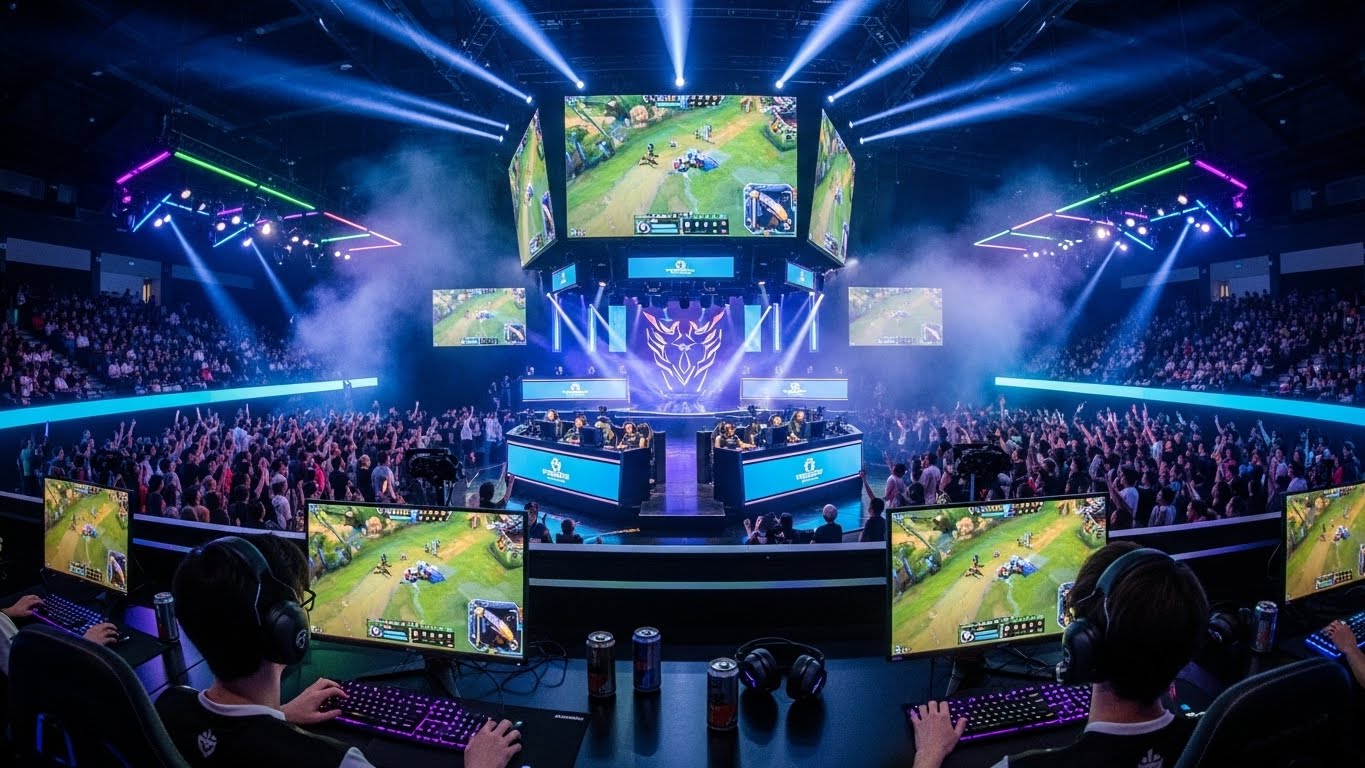
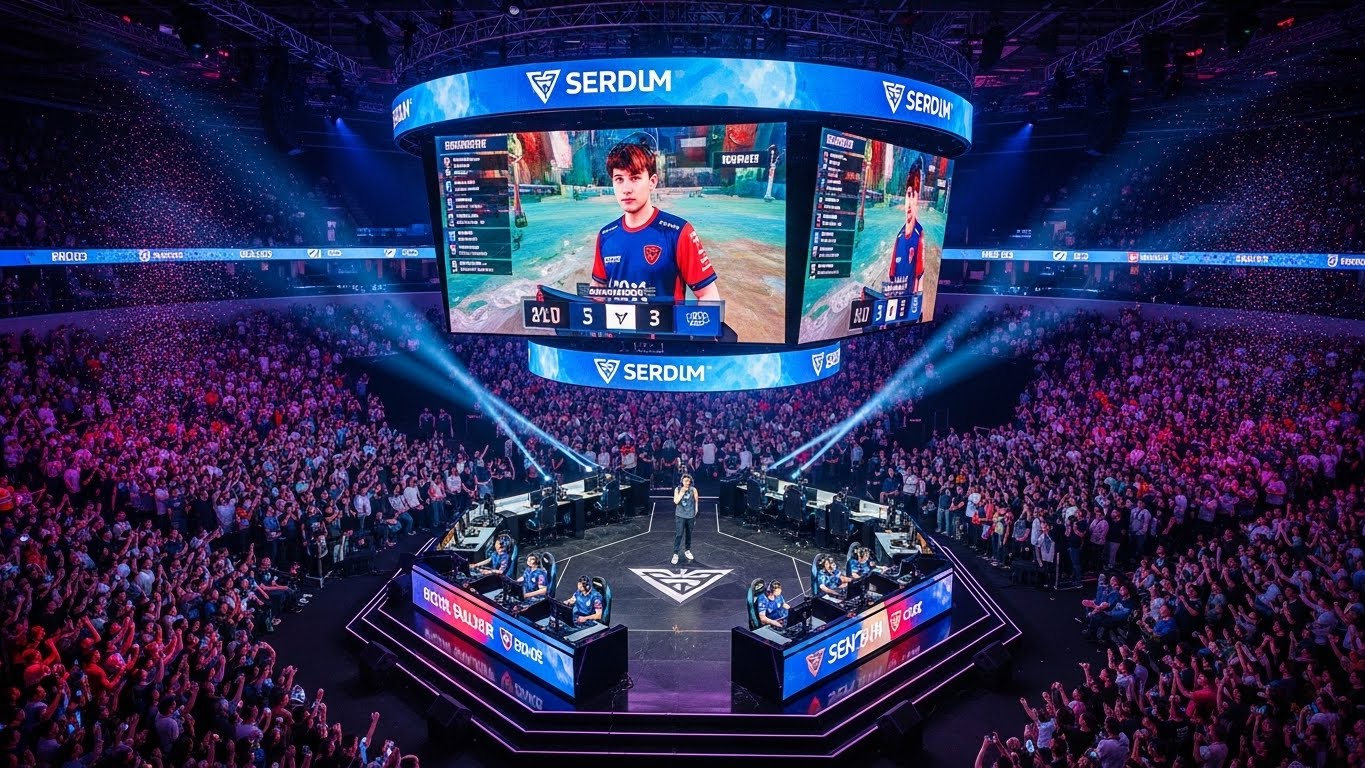
Esports, short for electronic sports, has evolved from niche video gaming into a global cultural phenomenon. Unlike traditional sports, which rely on physical prowess, esports thrives on strategy, skill, teamwork, and mental agility. What started as casual multiplayer games has become a billion-dollar industry with professional leagues, sponsorships, and a dedicated fan base spanning every continent. Esports represents a new form of competition—one that combines technology, entertainment, and human skill in unprecedented ways. This blog explores how esports is shaping players, fans, industries, and communities around the world.
The Evolution of Esports
The journey of esports began decades ago. In the late 1970s and 1980s, arcade games and early console games like Pong and Space Invaders allowed players to compete for high scores. These competitions were simple but ignited the spark for competitive gaming. By the 1990s, personal computers and online connectivity gave rise to multiplayer games like StarCraft, Quake, and Counter-Strike, which demanded strategy, teamwork, and rapid reflexes.
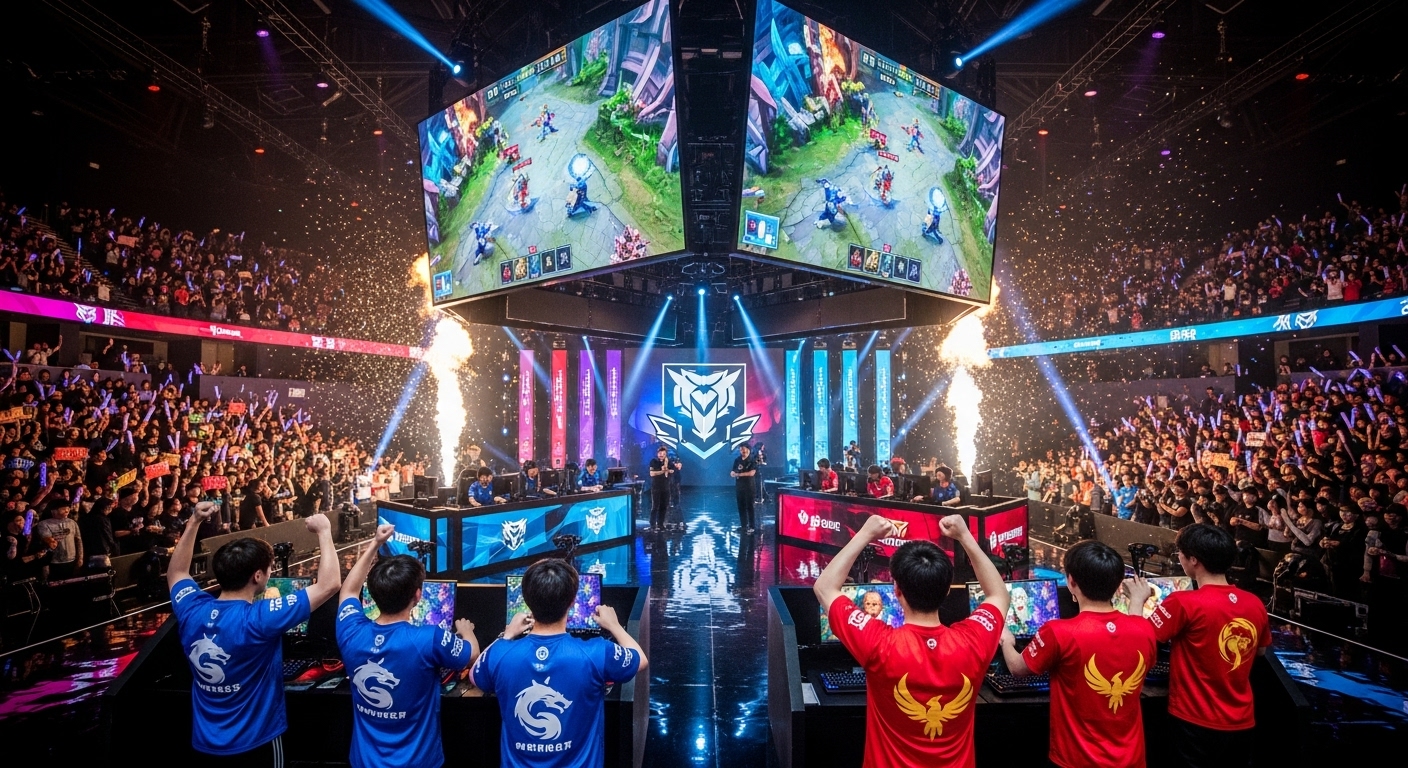
The 2000s marked the era of organized esports. Professional teams emerged, leagues were formed, and international tournaments drew large audiences. Titles like Dota 2, League of Legends, and Fortnite now dominate the scene, attracting millions of viewers globally. The evolution of esports demonstrates how technology, creativity, and human ambition can transform entertainment into a competitive and professional arena.
Esports as a Professional Career
Esports is now a legitimate career path. Professional players dedicate hours daily to mastering their games, improving reflexes, and developing strategies. Top players participate in regional and global leagues, often earning salaries, sponsorships, and prize money that rival traditional athletes.
Beyond players, the esports ecosystem includes coaches, analysts, broadcasters, event organizers, and content creators. Each role contributes to the growth of the industry, turning esports into a complex, structured environment. For many young people, esports is no longer a hobby—it is a viable career where passion and talent can translate into professional success.
Cognitive and Mental Benefits of Esports
High-level esports requires more than quick fingers. It demands critical thinking, problem-solving, decision-making under pressure, and strategic planning. Players must anticipate opponents’ moves, adapt to changing situations, and execute complex strategies with precision. These mental challenges improve cognitive flexibility, focus, and analytical skills.
Esports also builds resilience. Players learn to manage frustration, accept losses, and remain motivated. Success requires practice, patience, and the ability to learn from mistakes. Many players develop strong mental discipline, which can carry over into education, work, and personal life.
Physical Health and Esports
Though esports may appear sedentary, physical well-being is crucial for competitive players. Professional teams now incorporate exercise routines, ergonomic training, and nutritional plans into their schedules. Physical fitness enhances reflexes, concentration, and stamina, allowing players to perform at their best during long competitions.
Attention to posture, hand health, and eye care is also essential. Stretching, regular breaks, and proper workstation setups help prevent repetitive stress injuries and vision strain. Balancing gaming with physical activity ensures a healthier and longer-lasting esports career.
Teamwork and Communication
Many esports titles are team-based, requiring coordination, communication, and trust. Success depends on players understanding roles, executing strategies, and supporting teammates under pressure. Teamwork teaches collaboration, leadership, and social intelligence—skills valuable both inside and outside the gaming arena.
Even individual esports games often involve teams of coaches, analysts, and support staff. These networks foster social bonds, mentorship, and shared accountability. Esports provides a structured environment for building interpersonal skills in a digital context.
Esports and Community Building
Esports has created global communities where fans, players, and content creators interact. Streaming platforms, social media, and online forums allow audiences to engage with tournaments, discuss strategies, and connect with like-minded individuals. These communities transcend geography, culture, and language, highlighting esports’ power to unite people worldwide.
Local gaming clubs, university teams, and online leagues also provide opportunities for social interaction and personal development. For many, esports offers a sense of belonging and shared purpose, which is especially important in today’s digitally connected world.
Entertainment Value of Esports
Esports has become a major form of entertainment. Tournaments feature high-quality production, live commentary, and professional analysis, creating an immersive experience for viewers. Fans experience the same excitement, tension, and thrill as traditional sports spectators.
Interactive platforms allow audiences to engage directly with players, vote on events, or participate in discussions. Highlight reels, tutorials, and fan-created content expand the entertainment ecosystem, making esports not just a competition but a cultural phenomenon that blends sport and digital entertainment seamlessly.
Economic Impact of Esports
The economic influence of esports is immense. Revenue streams include sponsorships, advertising, media rights, merchandise, and ticket sales. Corporations invest heavily in teams, tournaments, and digital platforms to reach the growing audience of engaged fans.
Local communities benefit economically when tournaments are hosted in stadiums or convention centers, stimulating tourism, hospitality, and retail industries. Esports also drives job creation, with opportunities for production, marketing, event management, and technology development. The financial ecosystem around esports rivals that of traditional sports in both scale and complexity.
Technology and Innovation in Esports
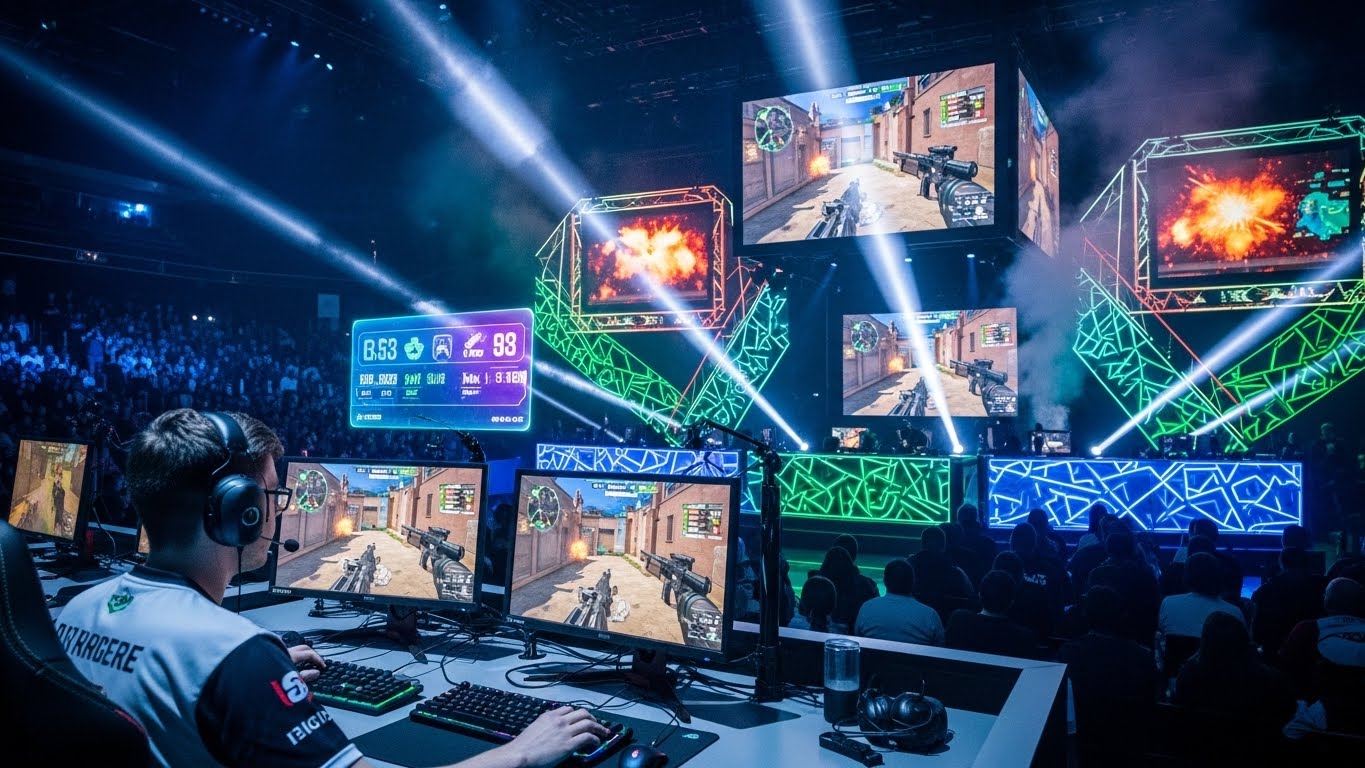
Esports relies on cutting-edge technology. High-performance computers, gaming peripherals, and ultra-fast internet connections enhance gameplay. Data analytics, AI, and performance-tracking software allow players and coaches to refine strategies and monitor progress.
Broadcasting technology has transformed viewer experience. Interactive streams, multiple camera angles, real-time statistics, and professional commentary create immersive events. Emerging technologies like virtual reality and augmented reality promise to redefine esports in the coming years, making it more interactive and engaging than ever before.
Education and Esports
Esports is increasingly being incorporated into education. Schools and universities are creating esports programs, offering scholarships, competitive opportunities, and career development. Students learn teamwork, strategic thinking, time management, and leadership while gaining digital literacy skills.
Esports also encourages innovation in technology and media production. Students involved in educational esports programs often explore careers in game design, broadcasting, analytics, and software development. This integration of esports into education demonstrates its potential as a tool for learning, personal growth, and professional preparation.
Inclusivity and Diversity in Esports
Esports offers opportunities for diverse participation. Unlike traditional sports, physical attributes are less critical, allowing individuals of various abilities, genders, and backgrounds to compete at high levels. Inclusive programs for women, adaptive esports for people with disabilities, and international competitions ensure access and representation.
Promoting inclusivity strengthens the community and encourages innovation. Women’s leagues, mixed-gender competitions, and global tournaments provide visibility, challenge stereotypes, and inspire future generations of players.
Global Reach of Esports
Esports is a worldwide phenomenon. Professional players, teams, and fans come from every continent. International tournaments unite global audiences, creating shared cultural moments around gaming.
This global reach fosters cross-cultural exchange and understanding. Players from different nations collaborate, compete, and interact, forming communities that celebrate shared passion. Esports has become a universal language, connecting people digitally while promoting mutual respect and admiration.
Challenges in Esports
Despite its success, esports faces challenges. Mental fatigue, burnout, and repetitive strain injuries are common among professional players. Maintaining a healthy balance between practice, competition, and personal life is essential.
Other challenges include ethical issues, inclusivity, harassment, and cheating. As esports grows, establishing standardized regulations, professional contracts, and ethical frameworks becomes crucial to sustaining the industry. Addressing these challenges will ensure that esports remains a positive, rewarding, and sustainable field.
The Future of Esports
The future of esports is promising and dynamic. Technological advancements, including virtual reality, AI-driven coaching, and cloud gaming, will redefine competition and fan engagement. Esports will continue to expand in education, professional opportunities, and entertainment.
As the industry matures, inclusivity, fair play, and mental health will become central priorities. Esports is not just a passing trend—it is a cultural shift in how people compete, connect, and consume entertainment. Its potential for global impact continues to grow alongside technology and digital media.
Conclusion: Why Esports Matters
Esports is far more than digital games. It is a cultural, economic, and social movement that develops cognitive skills, teamwork, and resilience. It builds global communities, entertains millions, and creates opportunities for professional growth.
Whether as a player, fan, coach, or content creator, esports offers avenues for creativity, connection, and achievement. It challenges traditional definitions of sports and entertainment while inspiring innovation and engagement in a digital world. In the modern era, esports is not just a pastime—it is a transformative force shaping competition, culture, and society on a global scale.