Introduction
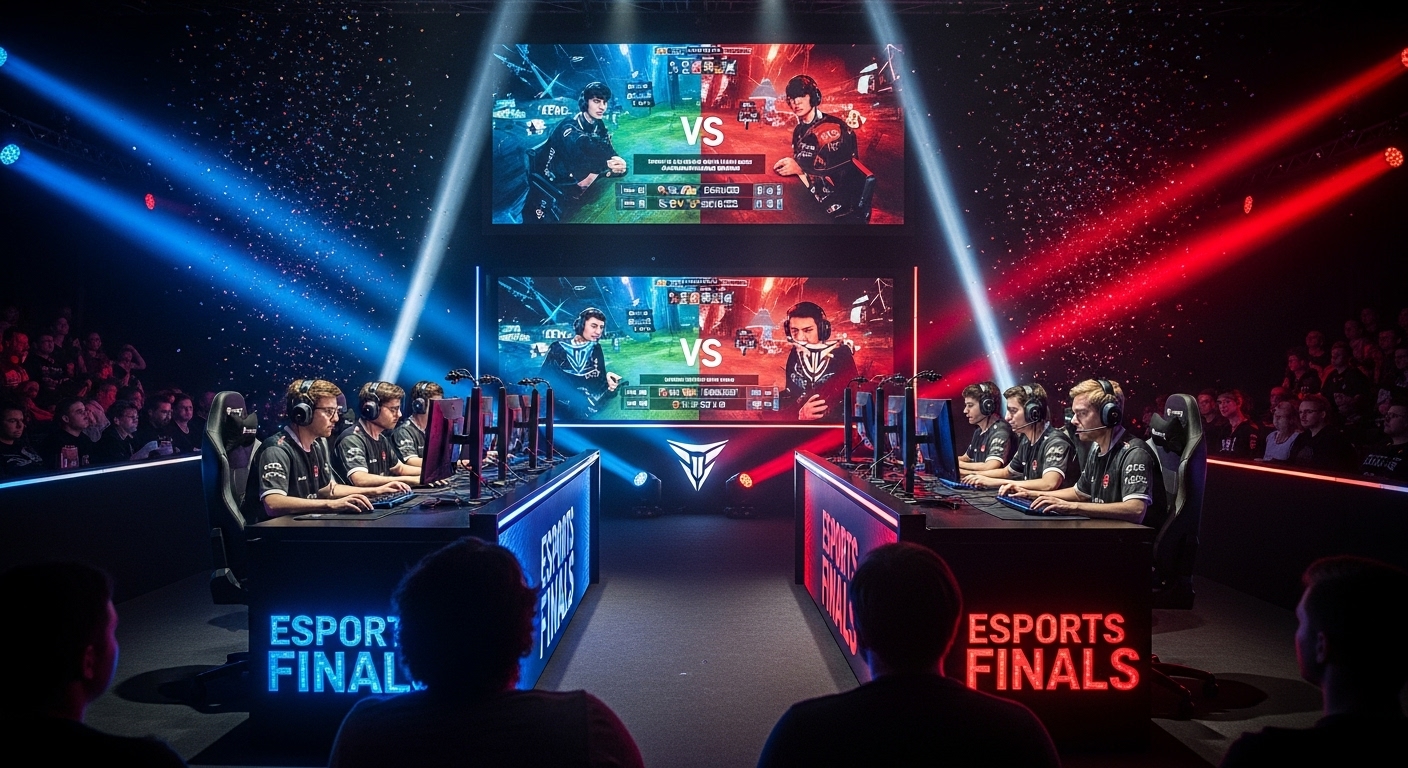
Esports, or electronic sports, has transformed from niche hobby to a global competitive industry in just a few decades. Once dismissed as a pastime for enthusiasts, competitive gaming now rivals traditional sports in viewership, professional opportunities, and cultural impact. From local tournaments in small arcades to international championships with multi-million-dollar prize pools, esports has carved a significant space in modern entertainment. This blog delves into the rise of esports, its influence on players and audiences, the economic and technological factors fueling its growth, and why it represents more than just a game.
The Origins of Esports
The roots of esports trace back to the early days of video games. Competitive gaming existed in the 1980s, with tournaments for games like Pac-Man and Space Invaders attracting players eager to test their skills. The 1990s saw the rise of LAN (Local Area Network) competitions, with games like StarCraft, Quake, and Counter-Strike creating dedicated communities of competitive players. These early tournaments demonstrated the potential of gaming as a spectator sport and laid the foundation for what would become a professional industry.
Esports as a Global Industry
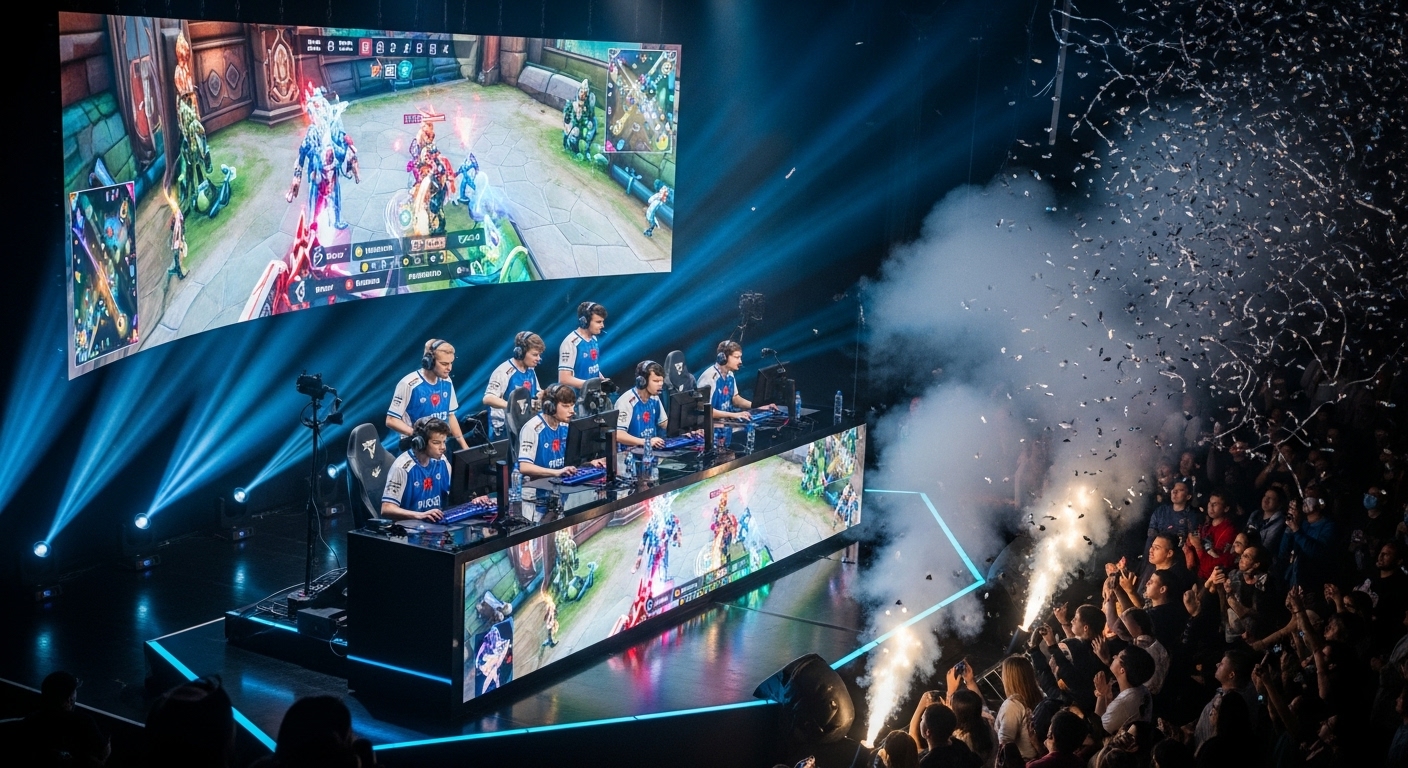
Esports has grown into a billion-dollar industry, encompassing professional leagues, sponsorships, merchandising, and media rights. Major esports tournaments attract tens of millions of viewers worldwide, comparable to popular sporting events. Countries like South Korea, China, and the United States have invested heavily in esports infrastructure, including dedicated stadiums and training facilities. The economic impact extends beyond prize pools, influencing technology, marketing, streaming services, and even tourism, as fans travel to attend live events.
Popular Esports Games and Genres
Esports covers a wide range of game genres, each with its competitive community. Multiplayer online battle arenas (MOBAs) like League of Legends and Dota 2 are among the most popular, offering strategic depth and team coordination. First-person shooters (FPS) such as Counter-Strike: Global Offensive and Call of Duty emphasize reflexes, accuracy, and tactical play. Fighting games like Street Fighter and Super Smash Bros focus on individual skill and timing, while battle royale titles such as Fortnite and Apex Legends combine survival strategy with fast-paced action. Each genre attracts unique audiences, showcasing the diversity and appeal of esports as a whole.
The Rise of Professional Players
Esports has created a new breed of professional athletes. Top-tier players dedicate hours daily to training, strategy, and team coordination, often rivaling traditional athletes in discipline and preparation. Professional players gain sponsorships, media attention, and significant earnings, making gaming a viable career path. Beyond individual talent, esports emphasizes teamwork, communication, and leadership, with teams often employing coaches, analysts, and managers to optimize performance. The professionalization of players has helped esports gain credibility and legitimacy worldwide.
Streaming and Audience Engagement
The growth of esports is closely tied to streaming platforms that allow fans to watch live competitions from anywhere. Platforms like Twitch, YouTube Gaming, and other streaming services have made esports accessible, interactive, and engaging. Viewers can chat with other fans, follow their favorite players, and even participate in live events virtually. This level of audience engagement is unprecedented, creating communities around games and players. Streaming has also provided opportunities for amateur players to showcase their skills and gain recognition, contributing to the democratization of esports.
Esports and Youth Culture
Esports resonates strongly with younger generations. Millennials and Gen Z have grown up alongside video games, making competitive gaming a natural extension of their interests. Esports provides a sense of identity, community, and achievement, often paralleling the social and cultural significance of traditional sports. High school and college esports programs have emerged, offering scholarships, organized competitions, and pathways to professional careers. This integration into education and youth culture ensures that esports continues to grow as both a pastime and a professional pursuit.
Mental and Physical Challenges in Esports
While esports emphasizes strategy and skill, it also presents mental and physical challenges. Players face high levels of stress, long practice hours, and the pressure to perform consistently. Physical health, including posture, eye strain, and repetitive motion injuries, is a concern for competitive gamers. Teams often employ fitness trainers, mental coaches, and nutritionists to ensure peak performance. The combination of mental acuity, strategic thinking, and physical readiness highlights that esports is not merely entertainment but a discipline requiring comprehensive preparation.
The Role of Sponsorships and Branding
Sponsorships have become a cornerstone of the esports ecosystem. Companies across technology, apparel, energy drinks, and more invest heavily in teams, tournaments, and streaming content. Branding partnerships provide players and teams with financial support while promoting products to engaged, global audiences. Unlike traditional sports, esports marketing leverages digital platforms and social media, allowing sponsors to reach highly targeted demographics. This synergy between industry, players, and audiences fuels the growth and sustainability of competitive gaming.
Esports as a Cultural Phenomenon
Esports has become a cultural force beyond gameplay. It influences fashion, music, social media trends, and entertainment collaborations. Players become celebrities, and game characters achieve iconic status. Communities and fandoms create content, organize events, and celebrate achievements, reinforcing the social and cultural relevance of esports. The rise of esports tournaments as spectator events demonstrates that competitive gaming has moved beyond hobbyist circles to mainstream recognition.
Education and Career Opportunities
Esports has expanded beyond competition to education and career opportunities. Universities and high schools offer esports programs, combining academic study with competitive play. Careers in esports include game development, event management, broadcasting, marketing, coaching, and content creation. This diversification demonstrates that esports is a multifaceted industry with opportunities for those interested in technology, media, business, and creative fields. The professionalization of esports ensures its longevity and relevance in modern society.
Challenges and Controversies in Esports
Despite its growth, esports faces challenges. Issues such as cheating, toxicity in online communities, and unequal representation persist. There is also ongoing debate about regulation, labor rights for players, and health considerations. Addressing these challenges is crucial for maintaining integrity, promoting inclusivity, and ensuring that esports remains a sustainable and respected industry. Many organizations are actively working to create codes of conduct, anti-cheating measures, and support systems for players.
The Future of Esports
The future of esports promises further innovation. Advances in virtual reality, augmented reality, and artificial intelligence could redefine competition, training, and spectator experiences. Global connectivity and technology may lead to even more immersive tournaments, interactive broadcasts, and hybrid events combining live and digital audiences. Esports is likely to continue expanding across demographics, geographies, and platforms, solidifying its position as a central pillar of entertainment and culture.
Why Esports Matters
Esports matters because it reflects modern culture, technology, and human ingenuity. It provides entertainment, career paths, community engagement, and educational opportunities. Esports challenges traditional notions of sports, showcasing that competition, skill, and teamwork are not limited to physical fields. It connects people across borders, celebrates diversity, and creates shared experiences in ways few other industries can match. More than just games, esports has become a lens through which we understand creativity, dedication, and cultural evolution.
Conclusion
Esports has grown from niche competitions into a global phenomenon that transcends traditional entertainment. Its rise demonstrates the power of technology, storytelling, and community in shaping cultural experiences. With professional players, streaming platforms, global tournaments, and educational programs, esports has established itself as an industry of significance and influence. Competitive gaming is no longer just a hobby; it is a professional, social, and cultural movement that continues to redefine entertainment. As esports evolves, it promises to inspire innovation, build communities, and entertain audiences for generations to come.