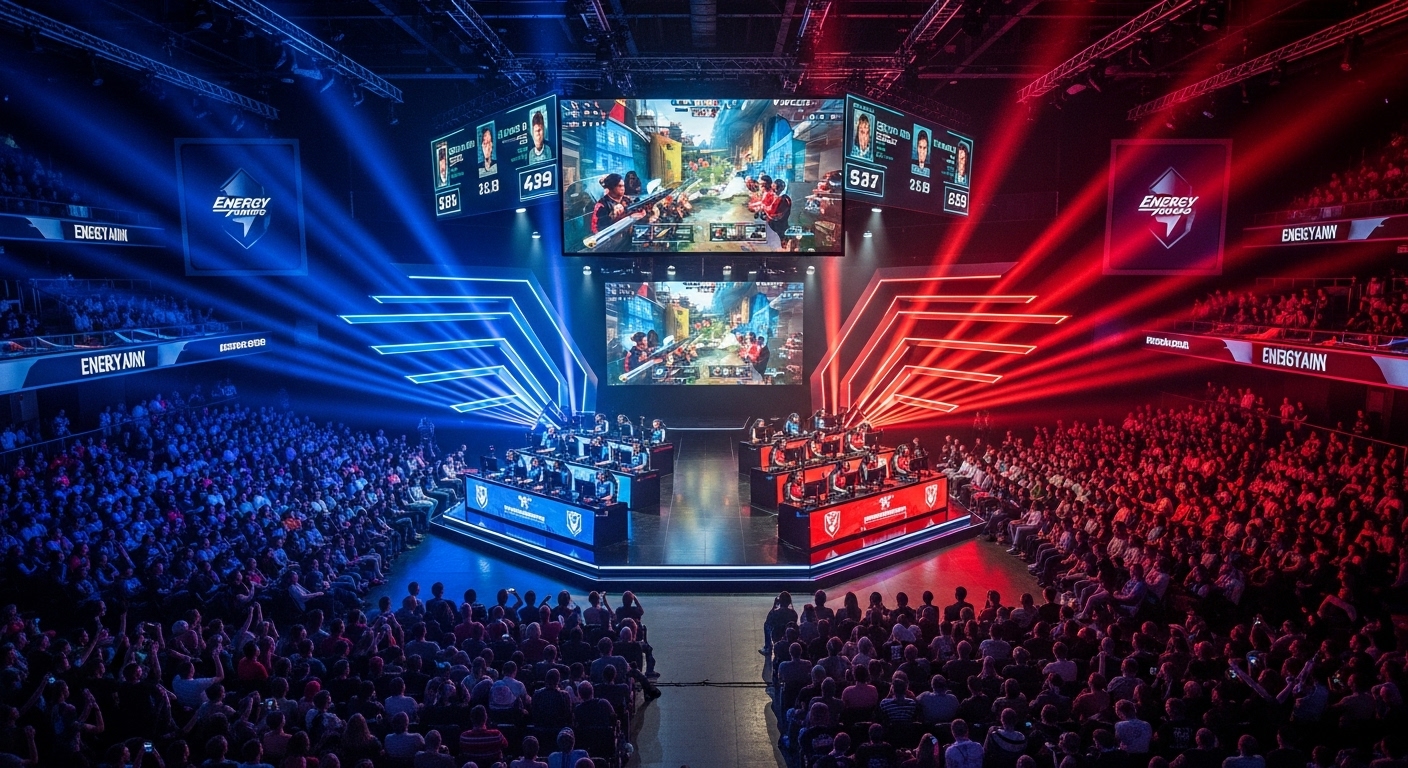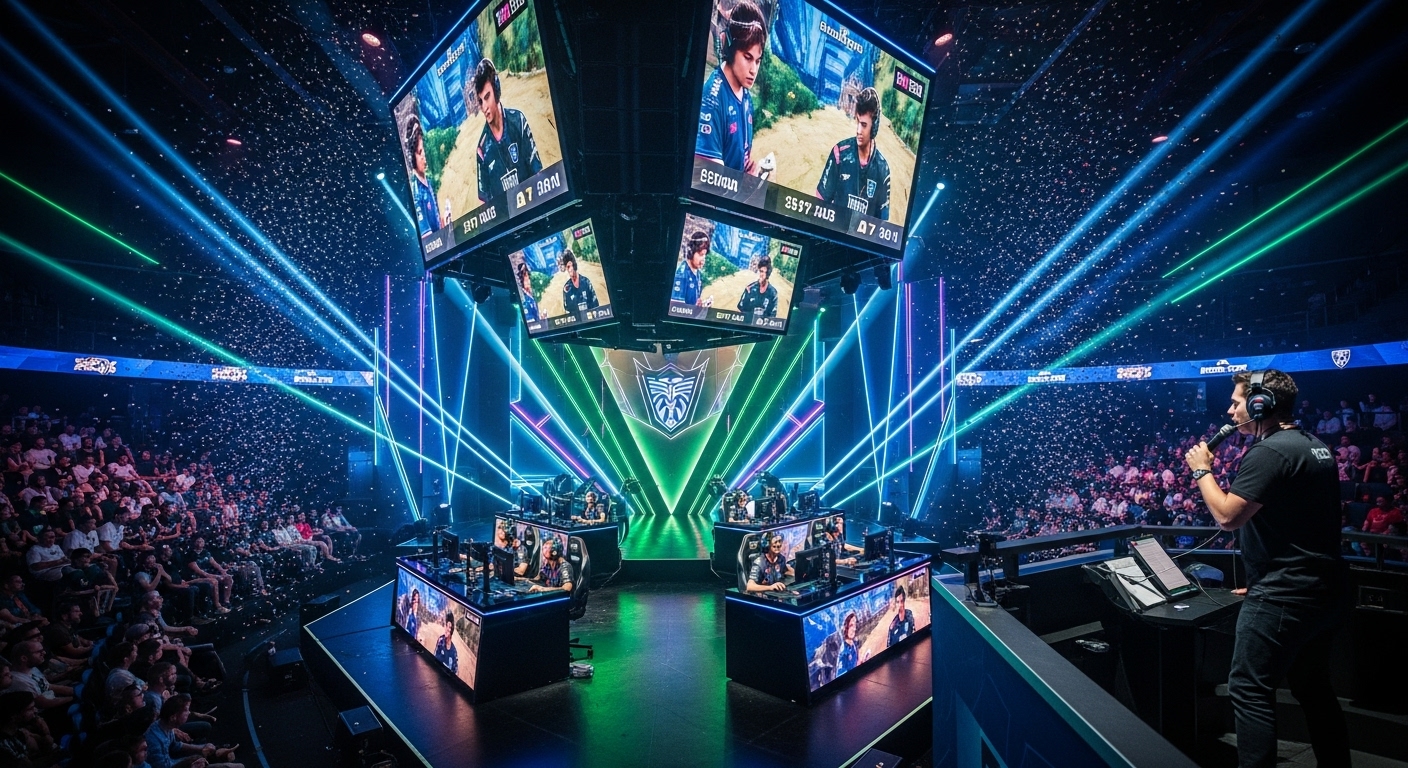
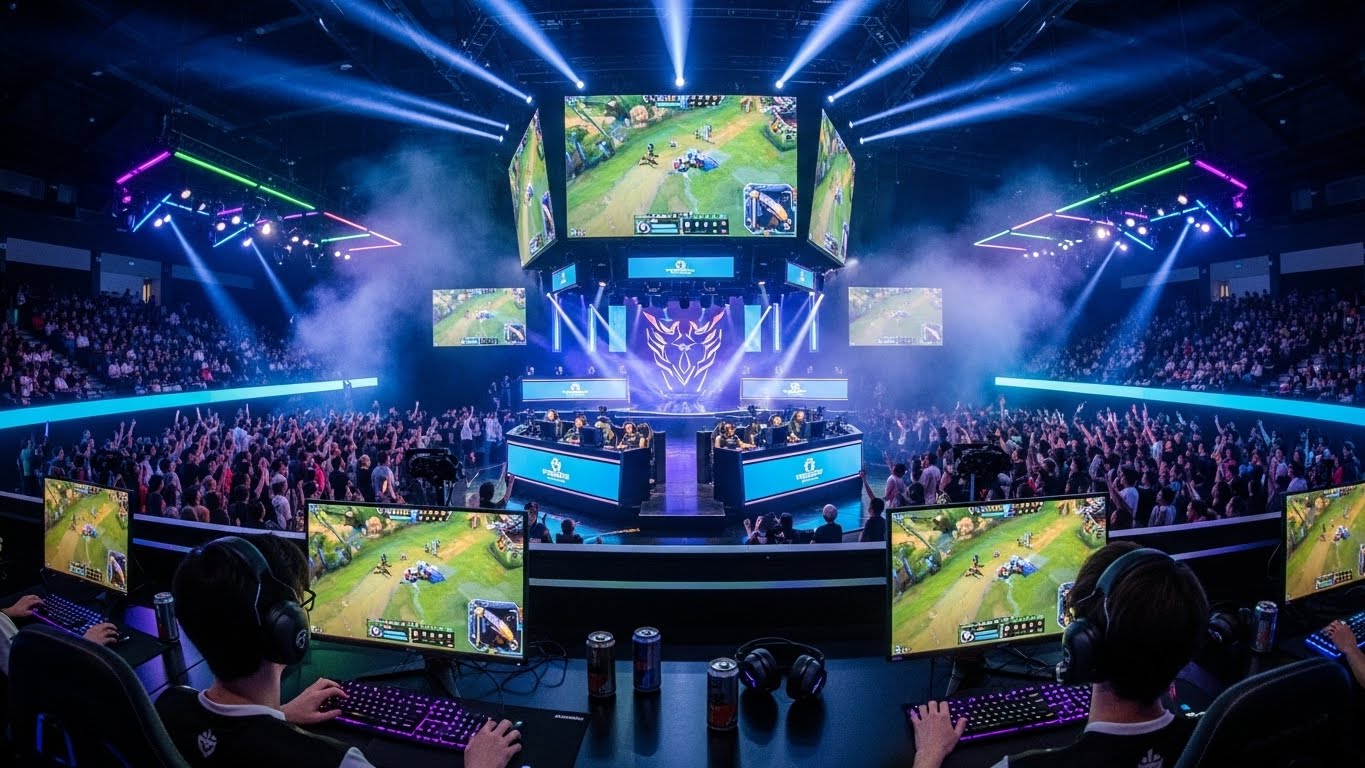
Esports, once considered a niche hobby for gaming enthusiasts, has now become a global phenomenon, transforming the way people view competition, entertainment, and even careers. With millions of viewers worldwide, multi-million-dollar tournaments, and professional teams that rival traditional sports franchises, esports is no longer just about playing video games. It represents a fusion of technology, strategy, and skill that is redefining modern entertainment. This blog explores the evolution of esports, its benefits, challenges, cultural impact, and the promising future of competitive gaming.
The Origins of Esports
The roots of esports can be traced back to the late 1970s and early 1980s, when video games such as Space Invaders and Pac-Man first sparked competitive interest. Early tournaments were small, localized events often held in arcades or college campuses. Players competed for recognition, prizes, and the thrill of competition.
In the 1990s and early 2000s, real-time strategy and first-person shooter games like StarCraft, Counter-Strike, and Warcraft helped formalize esports as a global activity. The rise of the internet enabled players to compete online, breaking down geographic barriers and creating communities of gamers connected across continents. These early developments laid the foundation for what would evolve into a professional, multi-billion-dollar industry.
The Global Appeal of Esports
One of the unique aspects of esports is its accessibility. Unlike traditional sports that often require physical ability, infrastructure, or specialized equipment, esports can be played by anyone with a gaming device and internet access. This inclusivity has contributed to its rapid global growth.
Countries like South Korea, China, the United States, and several European nations have embraced esports as a mainstream form of entertainment and competition. International tournaments such as the League of Legends World Championship, Dota 2’s The International, and Fortnite World Cup attract millions of viewers, rivaling traditional sports events in popularity. Streaming platforms allow fans to watch matches in real-time, interact with players, and engage in global communities, making esports a truly worldwide phenomenon.
Cognitive and Mental Benefits of Esports
While esports is often criticized for promoting sedentary behavior, it offers numerous cognitive and psychological benefits. Competitive gaming enhances critical thinking, strategic planning, decision-making under pressure, and hand-eye coordination. Many games require multitasking, fast reflexes, and problem-solving skills, which translate into real-world abilities.
Esports also contributes to mental resilience. Players must cope with wins and losses, adapt to changing game dynamics, and maintain focus during high-stakes matches. Team-based games teach collaboration, communication, and leadership, while solo competitions foster self-discipline and determination. Far from being merely entertainment, esports can serve as a platform for developing cognitive skills and emotional intelligence.
Professional Opportunities in Esports
Esports has evolved into a legitimate career path for many individuals. Professional players earn salaries, prize money, and sponsorships, while teams operate similarly to traditional sports franchises with coaches, analysts, and support staff. The professionalization of esports has created opportunities in coaching, broadcasting, content creation, event management, marketing, and game analysis.
Educational institutions are recognizing esports as well. Universities offer scholarships for talented players, integrating competitive gaming into formal education. The professional esports industry is not just about playing games—it represents a structured ecosystem with long-term career opportunities and personal development pathways.
Economic Impact of Esports
The economic significance of esports is undeniable. Tournaments generate revenue through ticket sales, merchandise, sponsorships, and media rights. Streaming platforms provide additional income via subscriptions and advertising. Brands increasingly invest in esports to reach younger, tech-savvy audiences, demonstrating the sector’s marketing potential.
Cities hosting international esports events benefit from increased tourism, infrastructure development, and business growth. Additionally, the esports ecosystem supports numerous industries, including technology, hardware manufacturing, content production, and event management. The financial impact of esports highlights its status as a major contributor to the global economy.
Cultural Influence of Esports
Esports has created a distinct cultural identity that extends beyond gameplay. Communities of fans celebrate iconic players, legendary matches, and in-game achievements. Gaming conventions, live events, and online forums foster social interaction and shared experiences.
Esports challenges traditional notions of athleticism, emphasizing mental agility, strategy, and skill over physical prowess. Its influence can be seen in fashion, music, and media, where esports-inspired trends are increasingly prevalent. This cultural shift demonstrates how esports has become more than a hobby—it is a movement that shapes modern entertainment and social interaction.
Technological Advancements Driving Esports
Technology is central to the growth of esports. High-speed internet, powerful gaming devices, and advanced graphics enable competitive play at a global scale. Emerging technologies like virtual reality, augmented reality, and artificial intelligence are enhancing both player performance and fan engagement.
Streaming and broadcasting innovations allow millions of viewers to watch live matches, interact with content, and participate in virtual communities. Performance analytics provide insights into strategy, training, and audience behavior, helping teams improve and engage more effectively. Technology ensures that esports continues to innovate and expand in the digital era.
Challenges in Esports
Despite its growth, esports faces significant challenges. Physical health concerns, including eye strain, repetitive stress injuries, and sedentary behavior, are prevalent among players. Mental health issues such as stress, burnout, and performance anxiety also affect professionals.
Ethical concerns, including cheating, match-fixing, and inconsistent regulation, pose threats to the integrity of competitive gaming. Social issues such as gender disparity, harassment, and online toxicity must be addressed to create inclusive and fair communities. Overcoming these challenges is essential for the sustainable development of esports.
Esports in Education
Educational institutions are increasingly integrating esports programs to teach leadership, teamwork, strategic thinking, and technological literacy. Schools and universities use competitive gaming to engage students, enhance digital skills, and encourage collaboration.
Esports also encourages creativity, as students produce tutorials, commentary, and content related to gaming. By incorporating esports into education, institutions prepare students for careers in digital industries while promoting cognitive and social development.
Social Impact of Esports
Esports fosters social connection, bringing together people who might otherwise feel isolated due to geographic, physical, or social barriers. Online communities provide platforms for collaboration, mentorship, and shared passion.
Esports promotes diversity and inclusion, allowing individuals from different backgrounds and abilities to compete equally. It challenges stereotypes, expands perceptions of talent, and empowers marginalized communities. The social impact of esports extends far beyond the gaming screen, building bridges and fostering global communities.
The Future of Esports
The future of esports is bright, characterized by innovation, inclusivity, and mainstream recognition. Advances in virtual reality, artificial intelligence, and immersive technology will redefine gameplay, training, and fan experiences.
Sustainability and ethical governance will become central priorities. Ensuring accessibility, fairness, and diversity will guide the next phase of growth. As esports continues to integrate entertainment, technology, and education, it will solidify its role as a transformative force in society.
Conclusion: Esports as a Modern Phenomenon
Esports has transcended its origins as a hobby to become a cultural, economic, and professional powerhouse. It combines competition, strategy, and technology to create an immersive and impactful experience. From cognitive development and career opportunities to cultural influence and social connectivity, esports offers benefits far beyond the screen.
The rise of esports reflects the changing nature of entertainment and competition in the digital age. It teaches resilience, teamwork, strategic thinking, and creativity, equipping individuals with skills that extend into daily life. As esports continues to evolve, it will remain a defining feature of modern culture, connecting people, shaping industries, and inspiring generations of players and fans worldwide.