Introduction
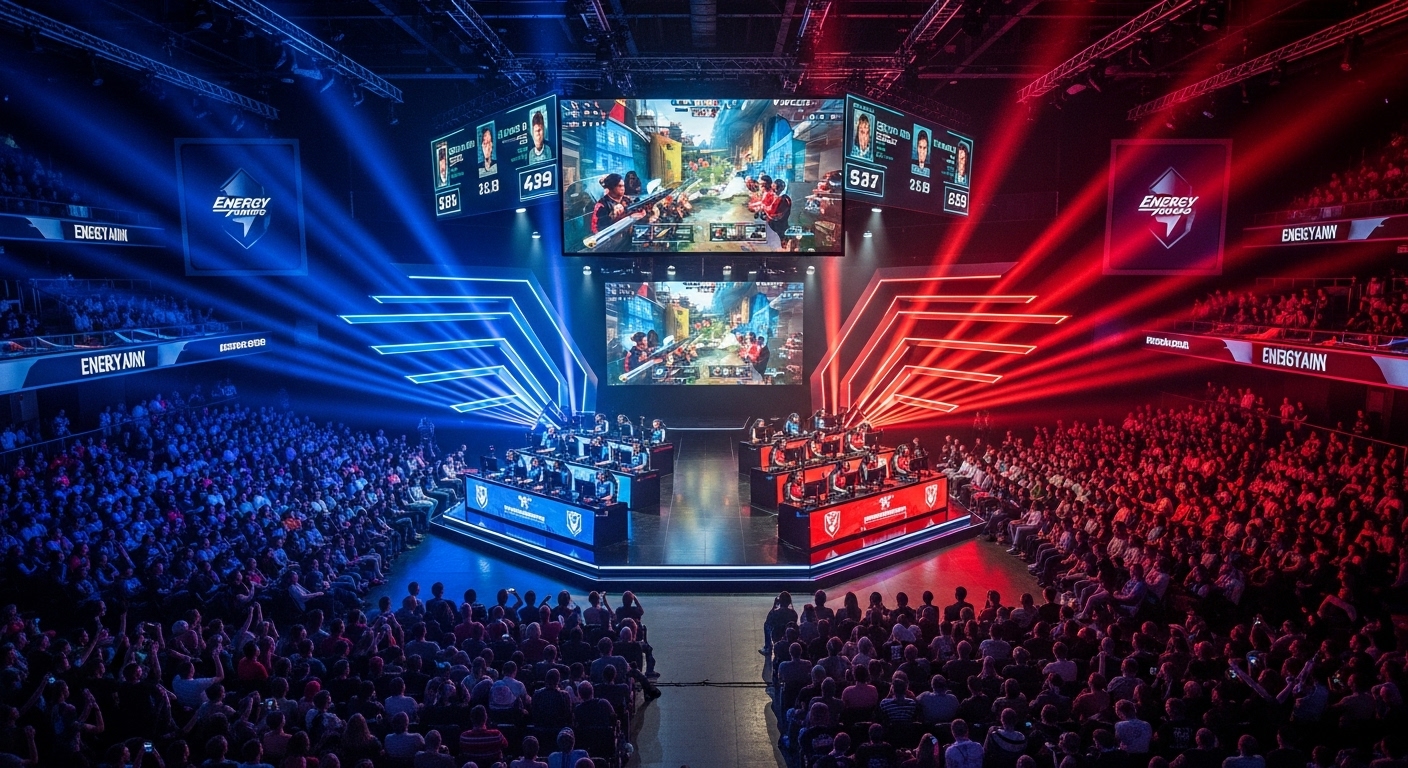
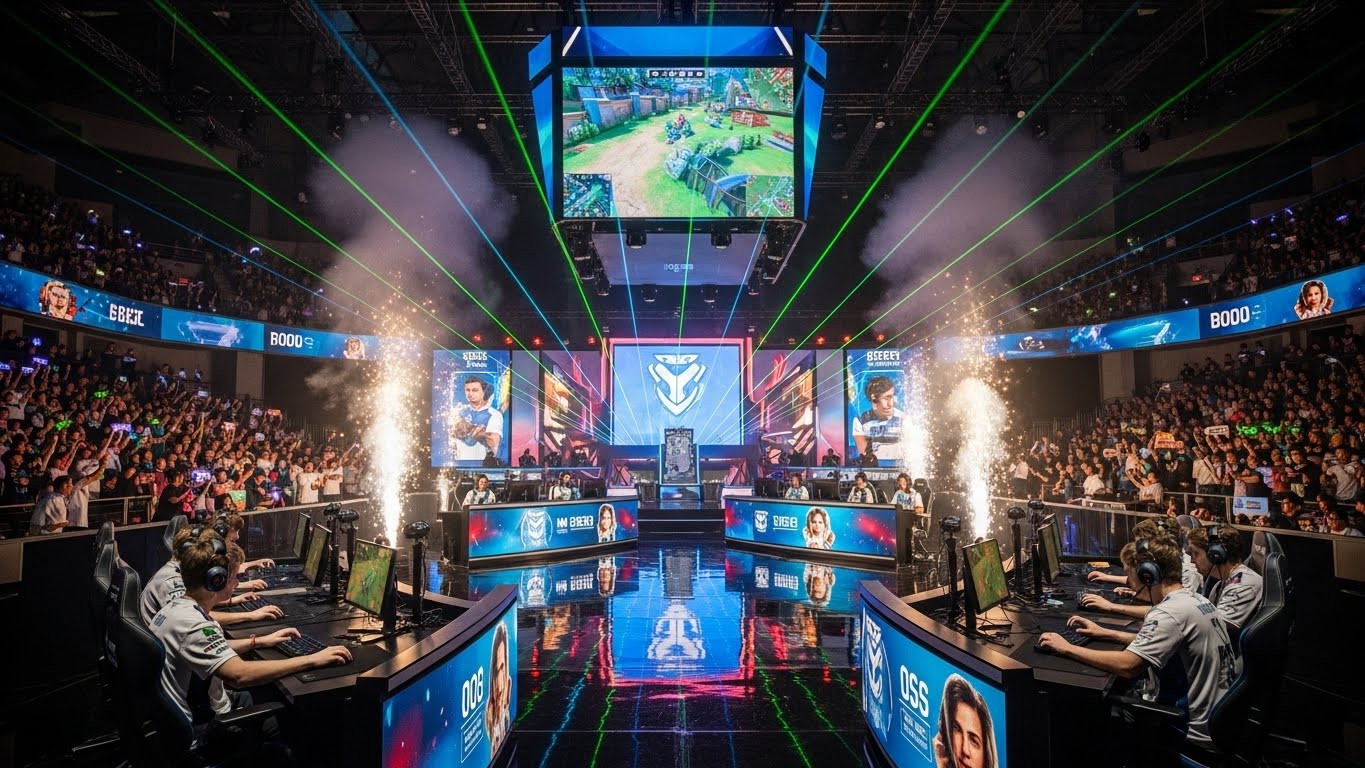
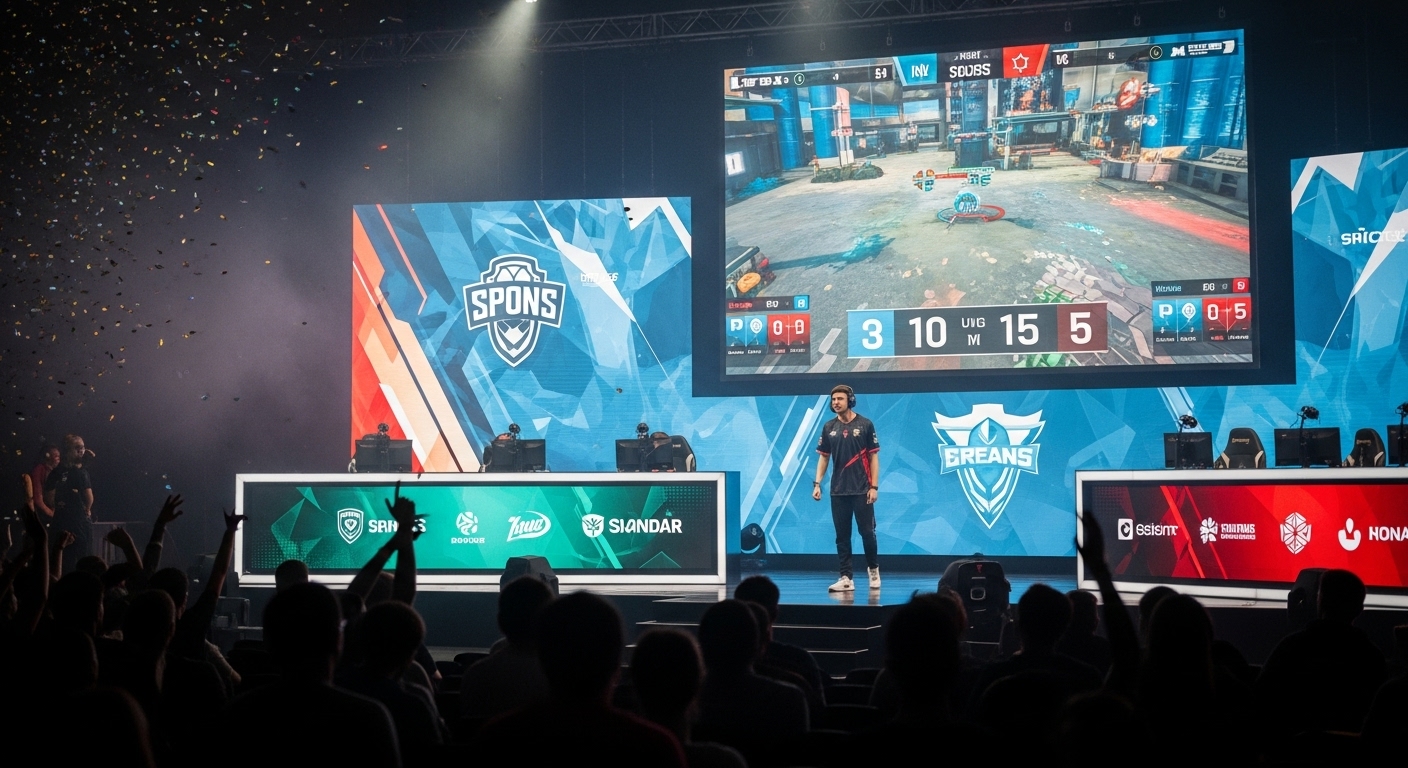
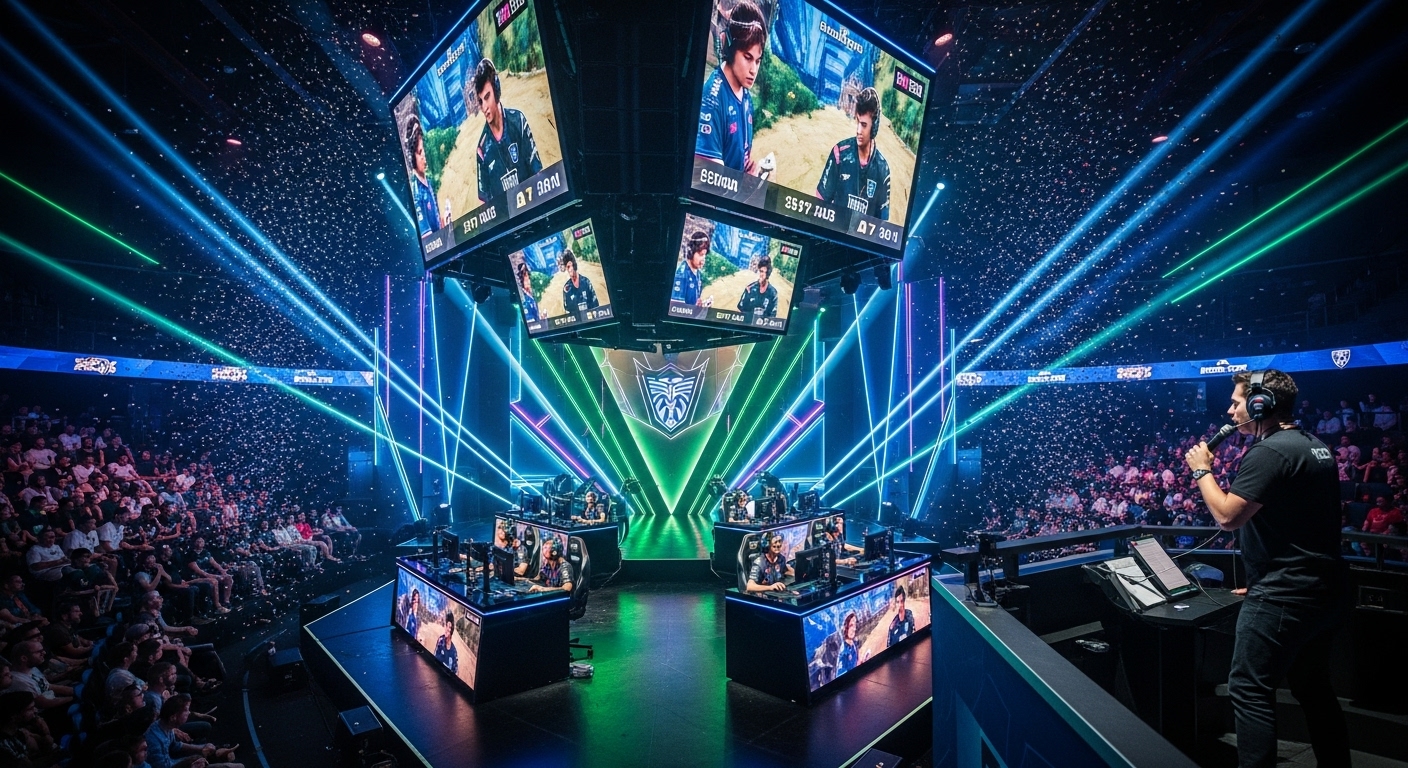
In recent years, the world of competitive gaming has experienced an unprecedented transformation. What once began as small-scale, local tournaments has now evolved into a global industry known as esports. Esports is more than just a form of entertainment; it is a cultural movement that has captivated millions of players and fans around the world. With the rise of streaming platforms, massive prize pools, and professional organizations, esports has secured its place alongside traditional sports in terms of popularity and impact. This blog will dive into the origins, growth, and future of esports, highlighting the reasons behind its rise and the incredible impact it has had on the gaming community and the entertainment industry at large.
The Emergence of Esports
The roots of esports can be traced back to the early days of gaming. In the late 20th century, competitive gaming was limited to small gatherings of friends or LAN (Local Area Network) parties where gamers could compete against each other on their own machines. It wasn’t until the late 1990s and early 2000s that esports began to take shape as a more organized and formalized competitive arena. The rise of popular multiplayer games such as StarCraft, Warcraft III, and Quake paved the way for the first major esports tournaments.
The first global esports tournament, The World Cyber Games (WCG), was established in 2000, and it brought together top players from around the world to compete for the title of world champion. Following this, other tournaments such as the Electronic Sports World Cup (ESWC) and DreamHack in Sweden gained prominence, drawing attention to esports as a serious form of competitive gaming.
As the internet became more accessible and online gaming exploded in popularity, esports began to attract a larger audience. Games such as League of Legends, Dota 2, Counter-Strike, and Overwatch solidified esports as a legitimate, competitive pursuit, leading to the establishment of professional teams and organizations dedicated to training, coaching, and sponsoring players.
The Growth of Esports
Over the past decade, esports has grown exponentially, both in terms of the number of players and the global audience. Today, esports events attract millions of viewers, both in-person and online, with platforms like Twitch, YouTube, and Facebook gaming providing live streams of tournaments and gameplay. The 2018 League of Legends World Championship, for example, drew an audience of over 100 million viewers worldwide, rivaling the viewership of traditional sports events like the Super Bowl.
This rise in popularity has been fueled by several factors, including technological advancements, the growth of streaming platforms, and the increased accessibility of competitive gaming. Online platforms like Twitch have allowed players to broadcast their gameplay to an ever-growing audience, while professional esports organizations have capitalized on sponsorships, broadcasting rights, and merchandising to generate significant revenue. Esports is now a multibillion-dollar industry, with major companies like Intel, Coca-Cola, and Red Bull investing in teams, tournaments, and events.
The rise of mobile gaming has also played a crucial role in the growth of esports, as games like PUBG Mobile, Free Fire, and Mobile Legends have expanded the esports audience to new regions, particularly in countries where console and PC gaming are less prevalent. These games allow players to compete on smartphones and tablets, making esports more accessible to people of all ages and backgrounds.
Esports as a Career
One of the most significant changes brought about by the rise of esports is the emergence of gaming as a legitimate career. Professional esports players, analysts, coaches, and content creators now earn substantial incomes through sponsorships, prize money, and streaming. The top players in games like Dota 2, Fortnite, and League of Legends can earn millions of dollars annually, with tournament prize pools reaching tens of millions of dollars.
The financial success of esports has led to the creation of full-time careers for individuals who are passionate about gaming. Players are now able to support themselves through sponsorships from major brands like HyperX, Alienware, and G Fuel, and by competing in global tournaments. Furthermore, esports organizations, which operate similarly to traditional sports teams, offer salaries, healthcare benefits, and other perks to players.
Aside from players, there are numerous career opportunities in the esports ecosystem, including roles in event production, broadcasting, marketing, and content creation. Esports has created an entirely new industry that provides jobs and career paths for people with a variety of skills. For example, commentators and analysts provide expert commentary during tournaments, while social media managers and content creators help teams and players engage with fans online.
In addition to the opportunities for players, esports has also created a growing job market for individuals working in game development, tournament organization, and logistics. Esports companies and events now employ thousands of people globally, from tournament organizers to event security, helping to fuel the growth of esports as an industry.
The Role of Streaming Platforms in Esports
Streaming platforms have played a crucial role in the rise of esports, providing a space for players, teams, and organizations to reach a global audience. Platforms like Twitch, YouTube Gaming, and Facebook Gaming have revolutionized how fans interact with esports and gaming content. Twitch, in particular, has become the go-to platform for esports broadcasts, with millions of viewers tuning in to watch live tournaments, casual gameplay, and educational content.
The interactive nature of streaming platforms allows fans to engage with their favorite players and teams in real time. Viewers can comment on streams, ask questions, and participate in live polls or giveaways. This level of engagement helps create a sense of community, as fans form connections with players and fellow viewers, building a strong sense of camaraderie and loyalty.
Streaming has also made esports more accessible, as fans can watch tournaments from anywhere in the world. Major esports events are streamed live on platforms like Twitch and YouTube, allowing millions of viewers to watch the action unfold in real time. In addition to live broadcasts, platforms also offer on-demand content, such as highlights, interviews, and game analysis, which helps keep fans engaged even after events have concluded.
For many esports players, streaming has become a major source of income, with top streamers earning money through ad revenue, subscriptions, and donations from fans. Some players even build entire careers around their streaming presence, becoming influencers and brand ambassadors for gaming-related companies.
The Esports Community
One of the most unique aspects of esports is its vibrant, passionate, and diverse community. The esports community is composed of players, fans, streamers, and content creators from all over the world, united by a love of gaming and competition. Fans are incredibly dedicated, often following their favorite players and teams across multiple tournaments and events, and supporting them both online and in-person.
Esports has also created a sense of belonging for many people, particularly in regions where traditional sports may not be as accessible. Online communities and forums provide spaces for fans to discuss games, share tips, and connect with others who share similar interests. Esports events, whether held in stadiums or streamed online, foster a sense of global unity, as fans from different cultures come together to celebrate their shared passion for gaming.
The esports community is also incredibly inclusive, with players of all ages, genders, and skill levels participating in competitive gaming. While there is still work to be done in terms of gender equality and diversity, the gaming community continues to make strides toward greater inclusivity, with more women, non-binary individuals, and people from underrepresented backgrounds joining the ranks of professional players and content creators.
The Future of Esports
The future of esports looks incredibly promising, with the industry continuing to expand and innovate. As technology advances, esports will become even more immersive and accessible, with virtual reality (VR) and augmented reality (AR) offering new possibilities for both players and fans. VR esports, for example, has the potential to bring competitive gaming to a whole new level, allowing players to compete in fully immersive digital environments.
Mobile gaming will also continue to drive the growth of esports, as smartphones and tablets become more powerful and capable of handling high-quality gaming experiences. The mobile esports scene is expected to expand rapidly, particularly in emerging markets such as Asia, Latin America, and Africa, where mobile gaming is the primary means of accessing digital entertainment.
Esports is also likely to continue its convergence with traditional sports, with more professional sports teams and organizations investing in esports teams and tournaments. The rise of esports betting and fantasy leagues will also help further integrate esports into the mainstream sports landscape, providing new opportunities for fan engagement and monetization.
Finally, esports will likely see increased recognition and legitimacy as a mainstream form of entertainment. As the industry grows, we can expect more traditional media outlets to cover esports events and more universities and colleges to offer scholarships for aspiring esports athletes. The continued rise of esports as a cultural force will reshape the way we view competition, entertainment, and gaming as a whole.
Conclusion
Esports has come a long way since its humble beginnings, and it is now one of the fastest-growing industries in the world. With millions of fans, players, and organizations worldwide, esports is shaping the future of digital competition and entertainment. As the industry continues to evolve, esports will remain a major force in gaming, offering new opportunities for players, fans, and professionals alike. The digital arena is here to stay, and it’s only going to get bigger, more exciting, and more influential as time goes on.