Introduction: The Rise of Esports
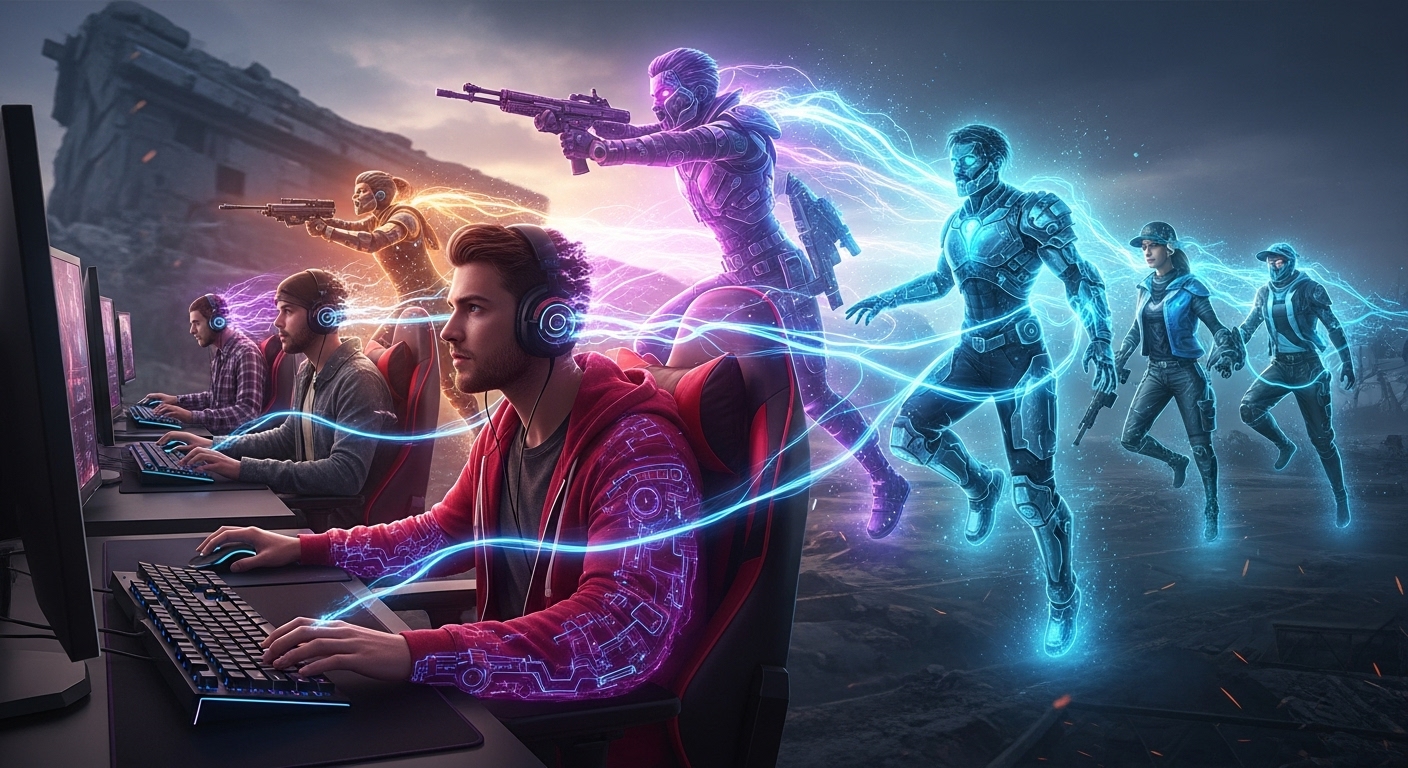
In the last decade, the world has witnessed a seismic shift in the realm of competitive entertainment. What was once considered a niche hobby, limited to basements and small local tournaments, has exploded into a global phenomenon known as esports. Short for electronic sports, esports encompasses professional competitive gaming where individuals or teams battle it out in popular video games for fame, recognition, and significant prize money.
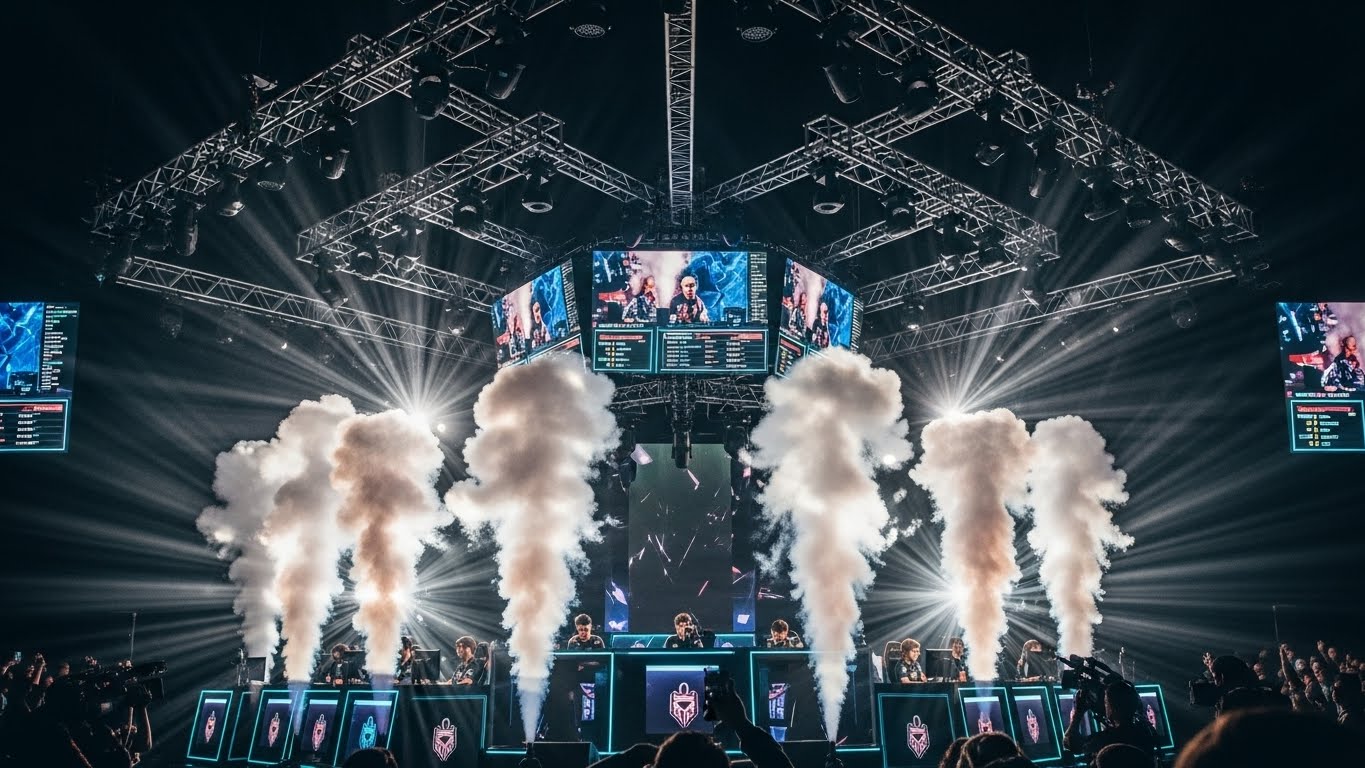
This digital revolution has transformed gaming from casual pastime to a professional career for many. The meteoric rise of esports can be attributed to technological advancements, the popularity of streaming platforms, and the increasing cultural acceptance of gaming as a legitimate form of competition. Today, esports tournaments fill arenas, attract millions of online viewers, and offer lucrative sponsorship deals, rivaling traditional sports in both spectacle and profitability.
The Evolution of Esports
Esports is not an overnight phenomenon. Its roots trace back to the early 1970s, when games like Pong and Space Invaders sparked friendly competitions among enthusiasts. The real turning point arrived in the 1990s with the rise of the internet and multiplayer games, such as StarCraft and Counter-Strike, which allowed players to compete on a global scale. These games laid the foundation for organized competitive gaming, complete with rankings, leagues, and community-driven tournaments.
The 2000s marked the professionalization of esports. South Korea played a pivotal role during this era, turning gaming into a spectator sport with televised competitions for games like League of Legends and StarCraft II. Gaming cafes became hubs for aspiring professionals, and the concept of esports teams, complete with coaches and training regimens, began to take shape.
Today, esports has entered the mainstream, with tournaments like The International in Dota 2 offering prize pools exceeding tens of millions of dollars. This evolution showcases how gaming, once a casual hobby, has transformed into a competitive industry with its own ecosystem of athletes, sponsors, and global fans.
Popular Esports Games and Genres
Esports is diverse, spanning multiple game genres and styles of play. Each genre offers a unique form of competition and appeals to different audiences. The most popular genres include:
Multiplayer Online Battle Arena (MOBA): Games like League of Legends and Dota 2 fall into this category. Players form teams, usually of five, to compete in strategic battles where teamwork, skill, and tactical decision-making determine victory.
First-Person Shooters (FPS): Counter-Strike: Global Offensive, Call of Duty, and Valorant are prime examples. FPS games emphasize reflexes, accuracy, and strategic positioning. Competitive FPS tournaments are highly intense, often requiring split-second decision-making under pressure.
Battle Royale: This genre gained immense popularity with games like Fortnite and PUBG. Players compete individually or in teams to survive on a shrinking battlefield, with the last person or team standing declared the winner. Battle royale esports combines skill, strategy, and adaptability, keeping viewers engaged from start to finish.
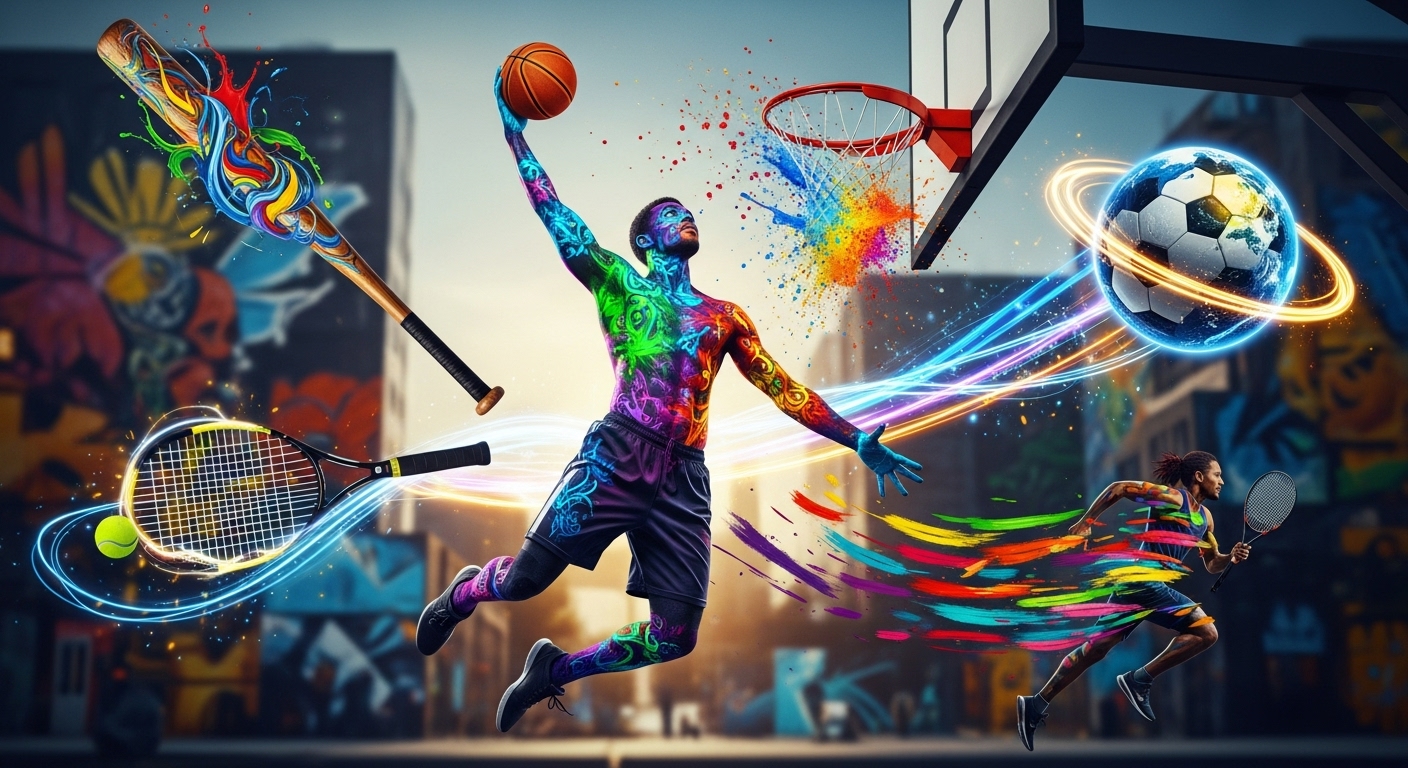
Sports Simulations: Games such as FIFA and NBA 2K simulate real-world sports. These competitions attract both gaming enthusiasts and traditional sports fans, blurring the line between physical and digital sports.
Fighting Games: Titles like Street Fighter and Tekken have been competitive staples for decades. These games focus on one-on-one combat, emphasizing precision, timing, and character mastery.
The diversity of esports games has contributed to its global appeal. Fans are not limited to one genre, and players can specialize in games that match their strengths, whether tactical, strategic, or reflexive.
The Esports Ecosystem
Esports is more than just players competing; it is a full-fledged ecosystem comprising multiple stakeholders. Professional teams operate like traditional sports franchises, recruiting top talent, providing coaching, and managing sponsorships. Tournaments are organized at regional, national, and international levels, with prize pools ranging from a few thousand to several million dollars.
Streaming platforms play a crucial role in this ecosystem. Platforms like Twitch and YouTube Gaming allow fans to watch live competitions, follow their favorite players, and interact with communities in real-time. This accessibility has democratized esports, allowing even amateur players to gain recognition and create a following.
Sponsorships and brand partnerships are another vital aspect. Companies from various industries, including technology, energy drinks, and fashion, see esports as a marketing goldmine. Sponsorship deals provide financial stability for players and teams, further legitimizing esports as a career.
Moreover, educational institutions have recognized the value of esports, offering scholarships and creating varsity esports programs. This integration into traditional education systems underscores esports’ growing cultural and economic significance.
The Cultural Impact of Esports
Esports has profoundly influenced global culture. It has redefined what it means to be an athlete, expanded the definition of sports, and created a new community where shared interests transcend geographical boundaries. Esports fandom is unique; it thrives on online communities, social media engagement, and interactive streaming experiences. Fans can connect directly with players, participate in live chats, and even influence outcomes through voting in interactive tournaments.
Esports has also challenged stereotypes about gamers. The image of a gamer confined to a dark room is outdated. Professional players train rigorously, maintain physical fitness, and develop mental resilience. Many are now role models, influencing fashion, lifestyle, and even social causes.
Furthermore, esports has played a role in promoting diversity and inclusion. Unlike traditional sports, where physical attributes often determine success, esports relies on skill, strategy, and mental acuity. This creates opportunities for a broader range of participants, including those who may face barriers in conventional sports.
Challenges Facing Esports
Despite its rapid growth, esports faces several challenges. One major issue is player burnout. Professional gaming requires long hours of practice, often under high stress, leading to physical and mental health concerns. Organizations are beginning to address this by implementing wellness programs, but the pressure to perform remains intense.
Another challenge is regulatory oversight. Esports spans multiple countries, each with different laws regarding competition, labor, and gambling. The lack of standardized regulations can lead to disputes, unfair practices, or even match-fixing scandals. Establishing clear rules and governance is essential for long-term credibility.
Esports also faces the challenge of recognition as a legitimate sport. While many countries and organizations acknowledge its significance, some traditionalists continue to view it as mere entertainment. Overcoming these perceptions is key to further integration into mainstream sports culture.
Lastly, technological reliance is both a strength and a vulnerability. Connectivity issues, software glitches, or hardware failures can disrupt competitions, highlighting the need for robust infrastructure and contingency planning.
The Economic Impact of Esports
Esports is not just a cultural phenomenon; it is a booming industry with significant economic impact. Global esports revenue has been growing steadily, driven by sponsorships, advertising, ticket sales, and media rights. Analysts predict that the industry will surpass billions in revenue within the next few years.
The economic influence extends beyond the tournaments themselves. Game developers benefit from increased sales and in-game purchases, while hardware manufacturers see demand for high-performance PCs, consoles, and peripherals. Cities hosting major tournaments experience tourism boosts, filling hotels, restaurants, and local attractions.
Esports also creates career opportunities beyond players. Commentators, analysts, event organizers, marketing specialists, and content creators all contribute to the industry’s growth. This diversification underscores esports as a multifaceted economic engine rather than a niche market.
The Future of Esports
Looking ahead, esports shows no signs of slowing down. Emerging technologies, such as virtual reality and augmented reality, could redefine gameplay and spectator experiences. Imagine tournaments where fans can immerse themselves directly in the virtual arena, interacting with players and the environment in real time.
Artificial intelligence is also likely to play a role in coaching and analytics. AI-driven tools can analyze player performance, suggest strategies, and simulate opponents, elevating competitive standards. This integration of technology will continue to blur the lines between gaming, sports, and entertainment.
Moreover, esports is expected to expand its global reach, particularly in regions like Africa, South America, and Southeast Asia, where growing internet accessibility and a young population provide fertile ground for growth. As infrastructure improves and investment increases, these regions may produce top-tier talent and host major international events.
Esports may also become increasingly intertwined with traditional sports. Collaborations, crossovers, and hybrid events could create new entertainment formats that appeal to both gamers and traditional sports fans.
Conclusion: Embracing the Esports Revolution
Esports is more than a trend; it is a testament to the transformative power of technology and culture. From humble beginnings in arcades and local competitions to massive global tournaments with millions of viewers, esports has redefined what it means to compete, entertain, and inspire. It offers a platform where skill, strategy, and passion converge, creating opportunities for players, fans, and businesses alike.
As the industry continues to grow, challenges will persist, but so will opportunities for innovation, inclusion, and cultural impact. Esports represents the future of competitive entertainment—a digital arena where boundaries are pushed, legends are made, and a new generation of athletes thrives. For anyone willing to embrace it, the world of esports promises excitement, community, and limitless potential.