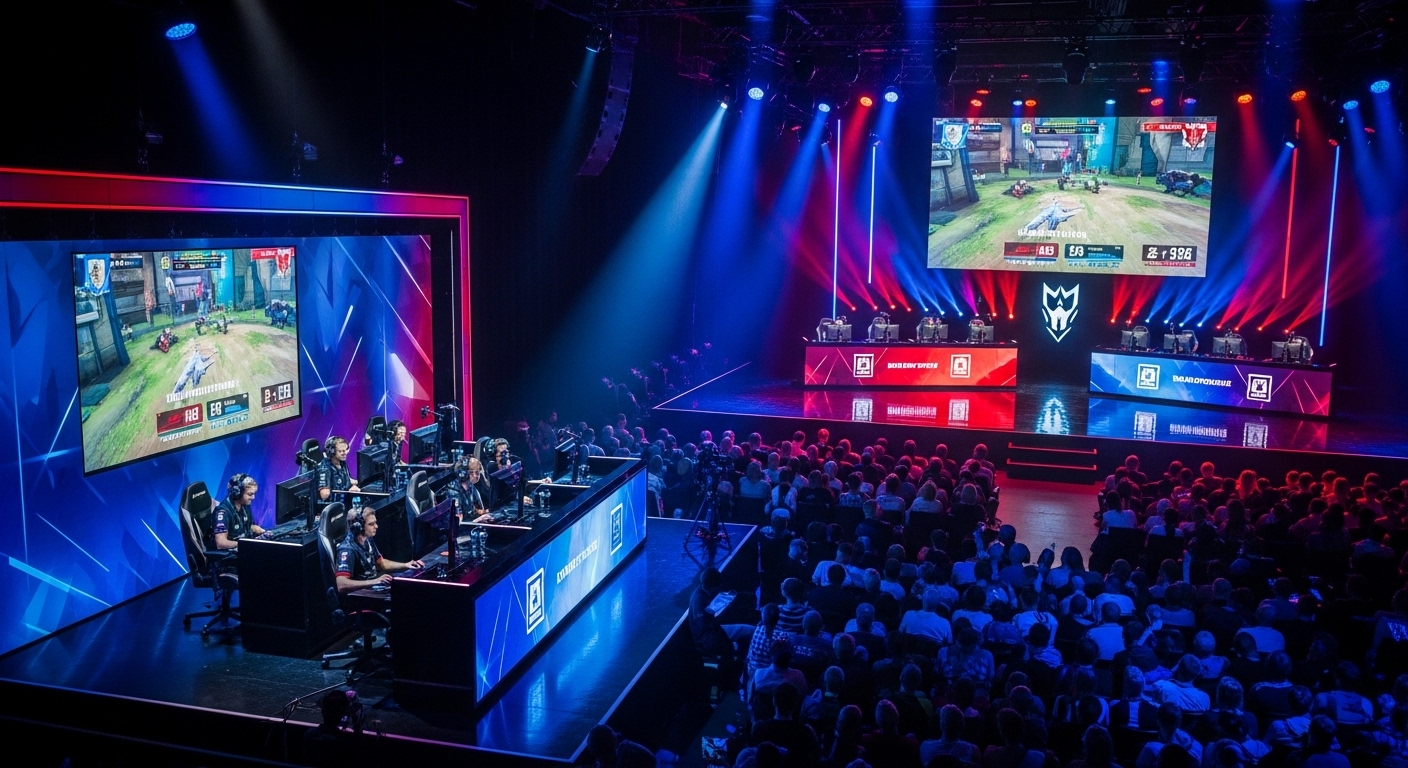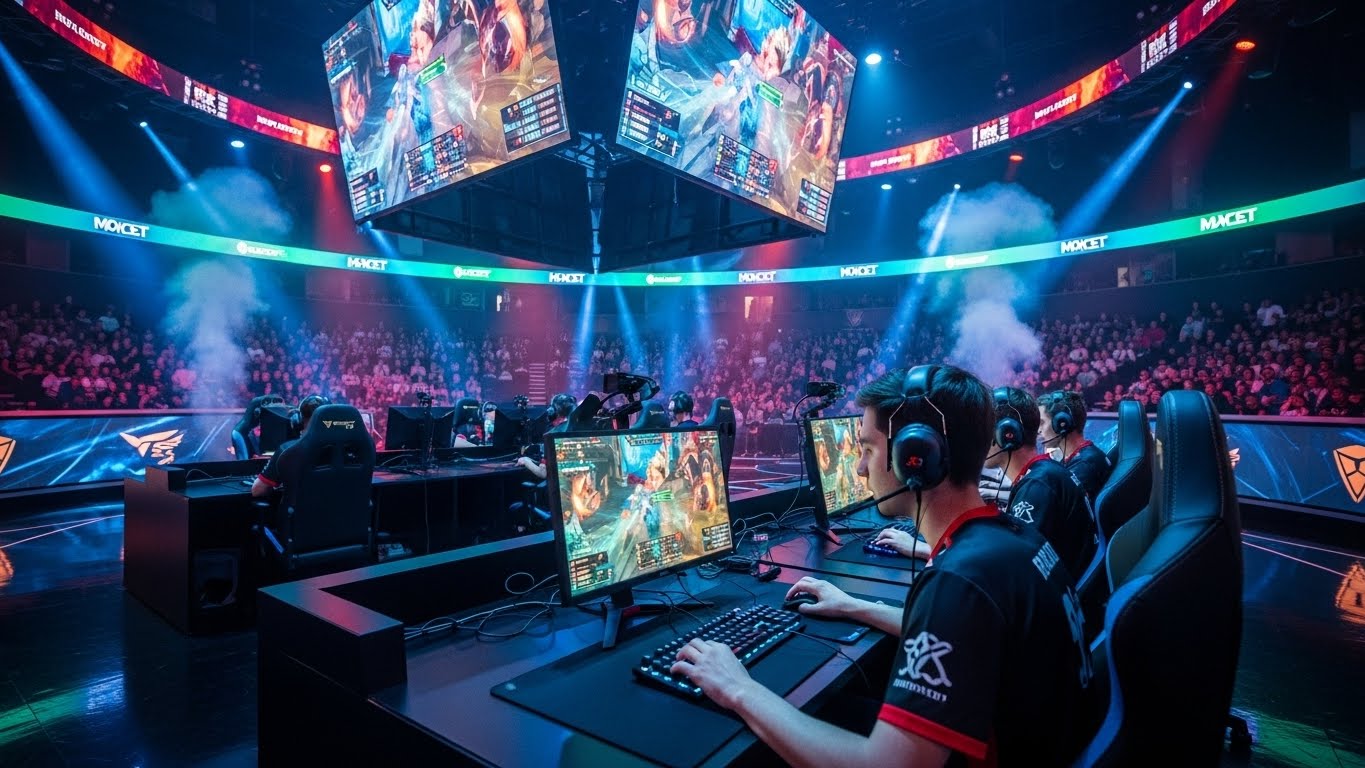
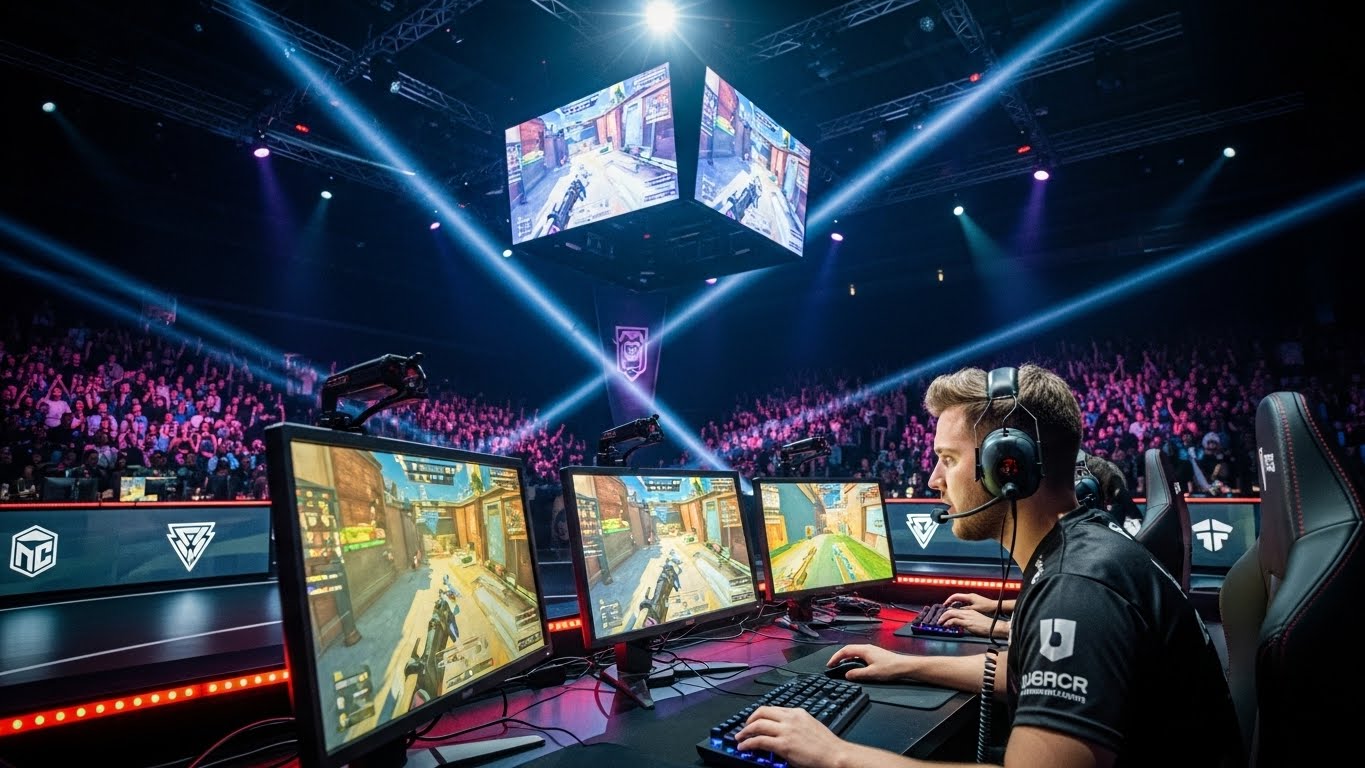
Esports, or competitive gaming, has grown from niche hobby to a multi-billion-dollar industry that captivates audiences worldwide. Once seen as a pastime for casual gamers, esports has evolved into a professional, highly organized, and internationally recognized form of competition. With leagues, tournaments, and players achieving celebrity status, esports is transforming the landscape of entertainment, sports, and digital culture. In this blog, we will explore the evolution of esports, its current impact, technological advancements, career opportunities, and what the future holds for competitive gaming.
The Origins of Esports: From Arcade Tournaments to Global Arenas
The roots of esports can be traced back to the 1970s and 1980s when early arcade competitions and high-score challenges drew small but dedicated audiences. Games like Space Invaders, Pac-Man, and later Street Fighter and Mortal Kombat, became staples of competitive play. By the 1990s, multiplayer games like StarCraft and Quake brought competition to the digital realm, allowing players to test their skills against opponents locally and online.
These early tournaments laid the groundwork for modern esports, creating communities and rivalries that would evolve into professional leagues. The launch of broadband internet and online gaming platforms in the early 2000s enabled global connectivity, expanding the reach of competitive gaming and setting the stage for esports as a legitimate form of professional entertainment.
The Growth of Esports Leagues and Tournaments
Esports today is defined by its organized leagues, professional teams, and structured tournaments. Major titles such as League of Legends, Dota 2, Counter-Strike: Global Offensive, and Fortnite have cultivated dedicated competitive scenes with international appeal. Leagues like the Overwatch League and Call of Duty League operate similarly to traditional sports, featuring regular seasons, playoffs, and championship events.
Tournaments often offer multi-million-dollar prize pools, attracting the best players from around the world. Events like The International, the League of Legends World Championship, and EVO (Evolution Championship Series) draw millions of viewers online and in stadiums, demonstrating the widespread popularity and commercial viability of esports. The professionalization of competitive gaming has also led to the rise of player contracts, sponsorship deals, and brand partnerships.
The Role of Streaming and Digital Platforms
Streaming platforms have been instrumental in propelling esports into mainstream culture. Services that allow gamers to broadcast live gameplay to global audiences have created new ways for fans to engage with players and tournaments. Platforms such as Twitch and other digital services provide interactivity through chat, live reactions, and community engagement, turning spectatorship into a participatory experience.
Streaming has also allowed esports players to develop personal brands, connecting with fans beyond tournament play. Many professional gamers maintain channels with tips, commentary, and casual gameplay, generating revenue through subscriptions, donations, and sponsorships. The integration of streaming with competitive gaming has transformed esports into a hybrid form of entertainment, blending professional sports and digital media in unprecedented ways.
The Impact of Esports on Culture and Society
Esports has significant cultural and social influence. It has created communities that transcend geographical boundaries, allowing players and fans from diverse backgrounds to connect over shared interests. Competitive gaming promotes collaboration, strategic thinking, and communication skills, fostering social interaction both online and offline.
The visibility of esports has also challenged traditional perceptions of sports and athleticism. Professional gamers are now recognized for their skill, strategy, and mental agility, similar to traditional athletes. Moreover, esports has inspired new forms of storytelling and media content, from documentaries about players and teams to live event coverage and gaming journalism. Its cultural impact continues to expand, influencing fashion, music, and lifestyle trends among younger generations.
Technological Innovations Driving Esports
Esports thrives at the intersection of gaming technology and digital innovation. High-performance hardware, low-latency networks, and advanced graphics engines are essential for competitive play. Motion tracking, VR integration, and AI-enhanced training tools have also emerged to improve player performance and fan experience.
Data analytics plays a critical role in modern esports. Teams use performance metrics to analyze gameplay, refine strategies, and make informed decisions. Streaming platforms use viewer data to personalize experiences and maximize engagement. These technological advancements ensure that esports remains at the cutting edge of digital entertainment, offering both players and audiences immersive and dynamic experiences.
Career Opportunities in Esports
Esports is more than a form of entertainment; it is an expanding career ecosystem. Professional players can earn substantial salaries through team contracts, prize money, and sponsorships. Coaches, analysts, and managers support competitive teams, providing guidance and strategic oversight.
Beyond direct competition, career opportunities exist in event management, broadcasting, marketing, content creation, and software development. Game developers, hardware manufacturers, and streaming platforms all rely on esports to drive innovation and revenue. As the industry continues to grow, it offers diverse and viable career paths for individuals passionate about gaming and digital entertainment.
The Economics of Esports
The financial landscape of esports has grown exponentially in recent years. Revenue streams include sponsorships, advertising, merchandise, media rights, ticket sales, and in-game purchases tied to competitive titles. Corporate sponsors, including global brands outside the gaming industry, have recognized the marketing potential of esports, investing heavily in teams, tournaments, and events.
Esports has also contributed to the growth of related industries, such as gaming hardware, streaming services, and digital content creation. The economic impact extends to tourism, as international tournaments attract attendees to host cities, stimulating local businesses. The financial ecosystem surrounding esports underscores its legitimacy as a global industry with lasting economic influence.
Mental and Physical Challenges of Professional Gaming
While esports offers many rewards, professional players face significant mental and physical demands. High-level competition requires intense focus, strategic thinking, and rapid decision-making, often under pressure. Extended practice hours can lead to fatigue, eye strain, and repetitive strain injuries.
Mental health challenges, including stress, burnout, and performance anxiety, are also prevalent in esports. Teams and organizations are increasingly prioritizing player well-being, incorporating psychological support, structured schedules, and physical training programs. Recognizing and addressing these challenges is essential to sustaining careers and maintaining the long-term health of the esports industry.
The Role of Women and Diversity in Esports
Esports has traditionally been male-dominated, but efforts to promote diversity and inclusion are gaining momentum. Women are increasingly participating as players, coaches, commentators, and executives, challenging stereotypes and enriching the competitive landscape. Organizations and tournaments are actively promoting gender equity and inclusivity, creating safe and supportive environments for all participants.
Diversity in esports extends beyond gender, encompassing culture, ethnicity, and global representation. International competitions showcase talent from around the world, fostering cross-cultural engagement and understanding. By embracing inclusivity, esports not only broadens its audience but also strengthens the industry through varied perspectives and experiences.
The Future of Esports: Trends and Predictions
The future of esports is bright and full of potential. Advances in cloud gaming and mobile technology will make competitive gaming more accessible, while virtual reality and augmented reality will provide immersive spectator experiences. Artificial intelligence may revolutionize coaching, strategy development, and performance analytics.
The integration of esports into mainstream sports culture is expected to continue, with increased recognition in media coverage, sponsorships, and even education. Universities are creating esports programs, offering scholarships and fostering academic research in competitive gaming. The convergence of technology, entertainment, and global community ensures that esports will continue to evolve, capturing the imagination of players and audiences for decades to come.
Conclusion: Esports as a Transformative Force
Esports has transformed competitive gaming from a niche activity into a global phenomenon, reshaping entertainment, culture, and digital innovation. Its growth demonstrates the power of technology, community, and creativity in redefining traditional concepts of sport and competition. From professional players and international tournaments to streaming platforms and fan communities, esports has created a vibrant, multi-dimensional ecosystem with lasting cultural and economic impact.
As the industry continues to expand and innovate, esports promises to offer new opportunities, experiences, and inspiration for generations of players and fans. It is no longer just a game; it is a global movement that celebrates skill, strategy, and human connection in the digital age.