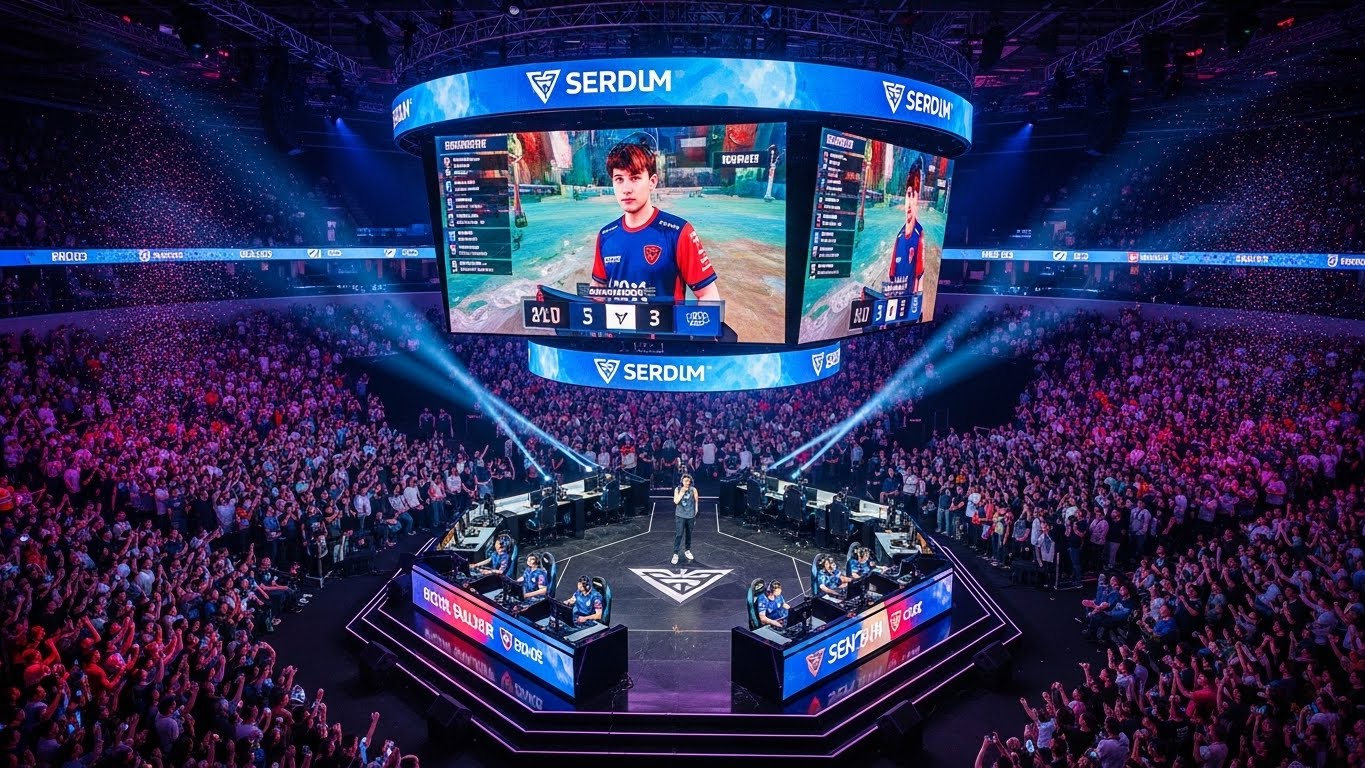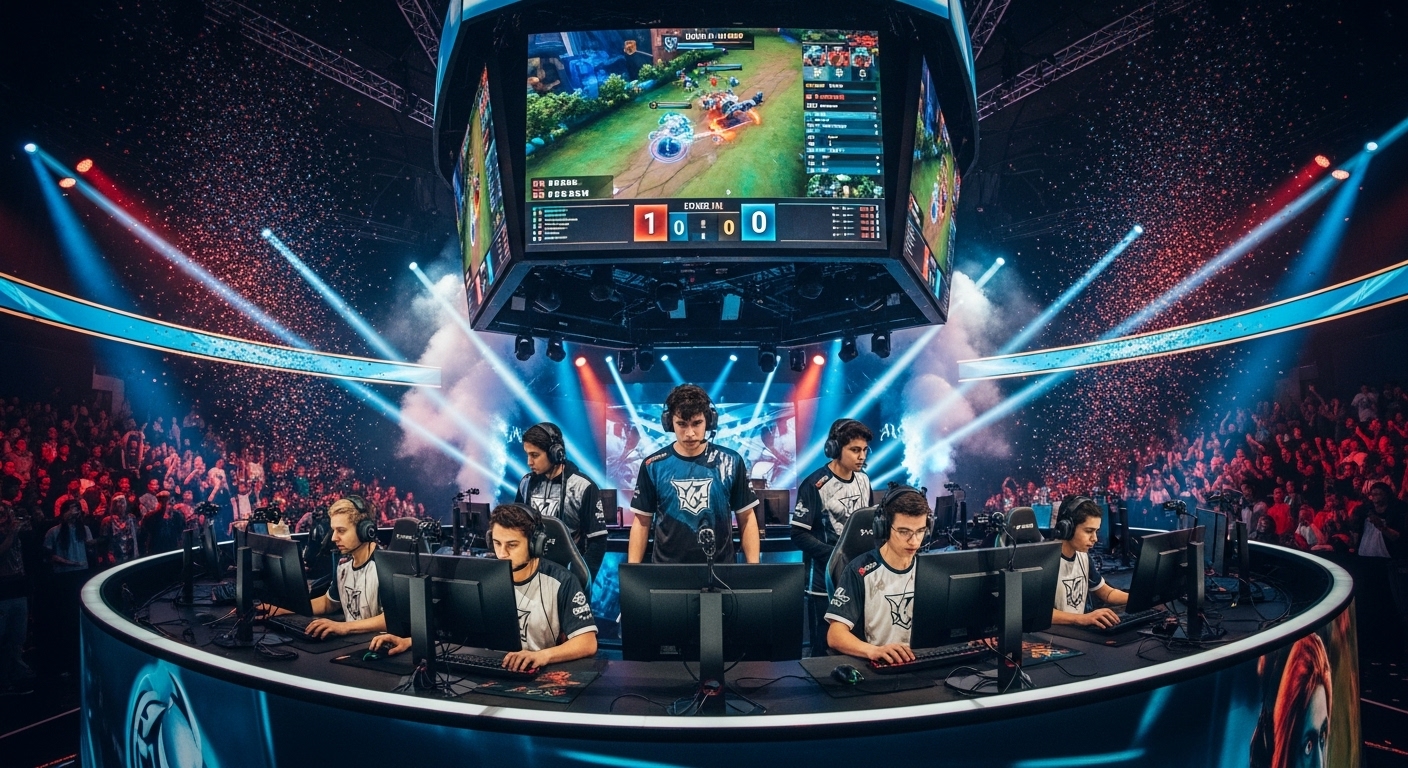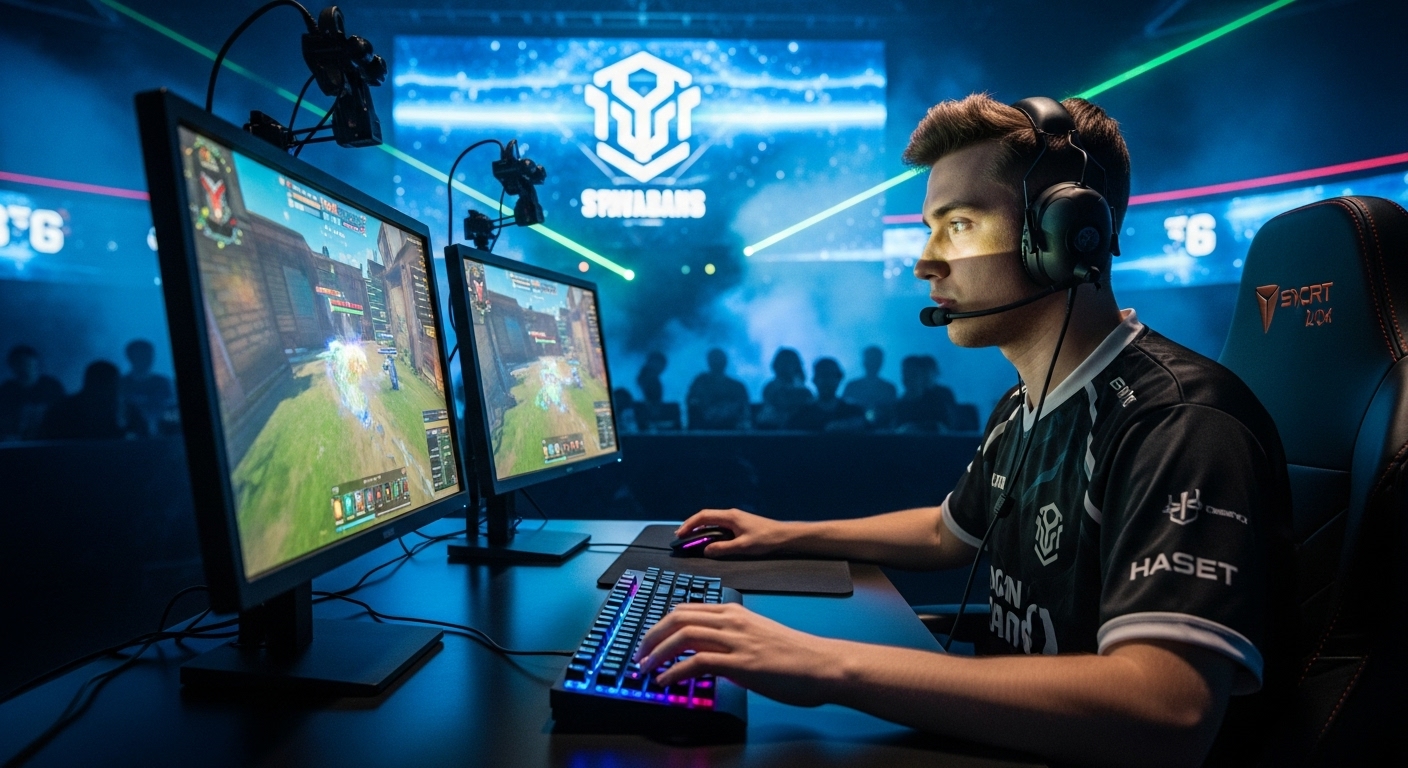
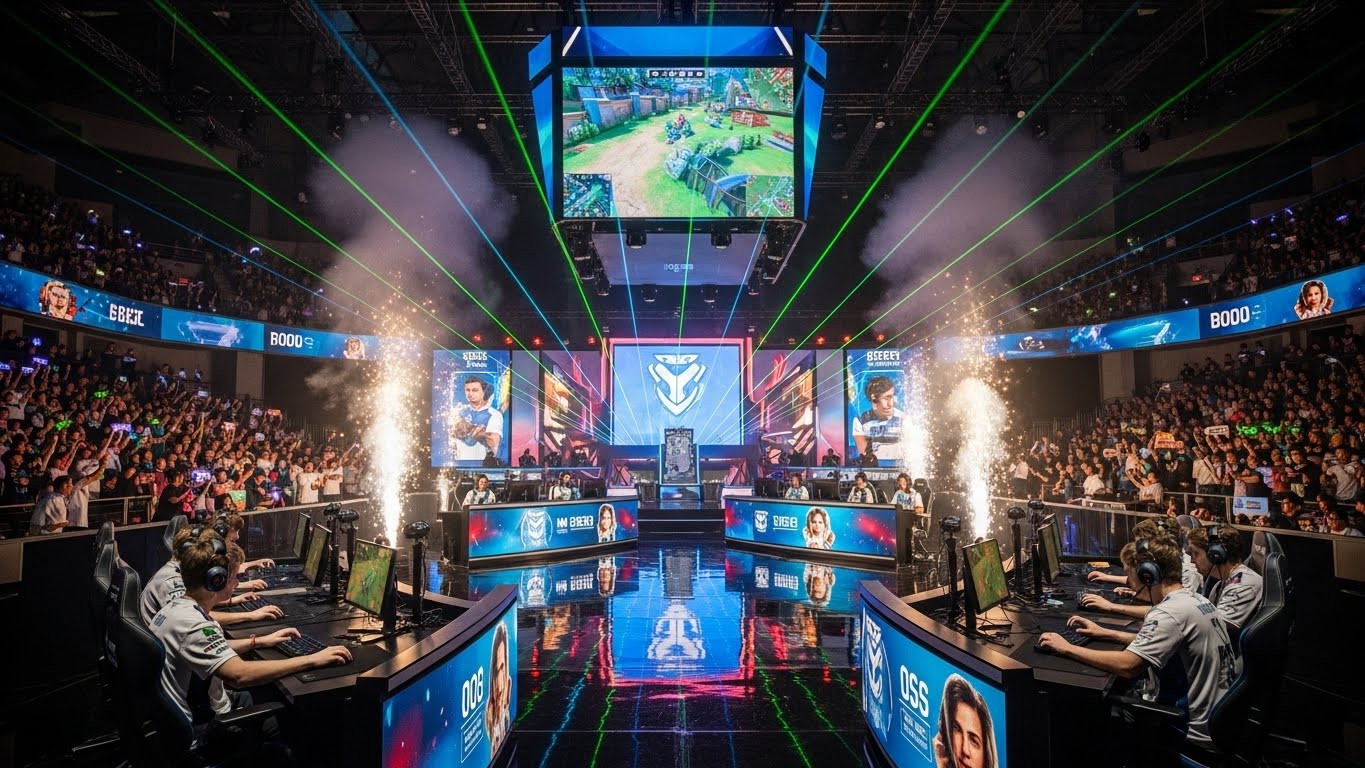
Esports, once considered a niche hobby for video game enthusiasts, has exploded into a global phenomenon that rivals traditional sports in viewership, professional structure, and cultural impact. What began as small competitions in arcades and on early computers has transformed into a multi-billion-dollar industry, complete with professional teams, international tournaments, and passionate fan communities. This article explores the evolution of esports, its impact on individuals and society, the economics behind the industry, and the future of competitive gaming.
The Origins of Esports
The roots of esports can be traced back to the late 1970s and early 1980s, when video game competitions began to emerge in arcades and college campuses. Players competed for high scores in games such as Space Invaders, Pac-Man, and Donkey Kong. These early tournaments were limited in scale but laid the foundation for competitive gaming culture.
The 1990s marked a significant turning point with the rise of multiplayer PC games like StarCraft, Counter-Strike, and Warcraft. These games introduced team-based strategies, real-time decision-making, and competitive leagues that spanned regions. The advent of the internet allowed players to compete online, breaking geographical barriers and creating communities of gamers connected across the globe. By the early 2000s, esports had begun to formalize, with organized tournaments, professional teams, and cash prizes gaining prominence.
The Global Appeal of Esports
One of the most remarkable aspects of esports is its accessibility. Unlike traditional sports, which often require physical skill, specialized equipment, or access to facilities, esports only requires a gaming device and an internet connection. This inclusivity has contributed to its rapid global growth.
Countries like South Korea, China, the United States, and various European nations have embraced esports as both entertainment and professional competition. International tournaments such as the League of Legends World Championship, Dota 2’s The International, and the Fortnite World Cup attract millions of viewers worldwide. Streaming platforms have enabled fans to watch matches in real time, interact with players, and participate in global communities. Esports is not just a pastime; it is a worldwide movement that transcends borders.
Cognitive and Mental Benefits of Esports
Esports is often criticized as a sedentary activity, but competitive gaming offers several cognitive and emotional benefits. Games demand quick thinking, problem-solving, hand-eye coordination, and strategic planning. Team-based games foster collaboration, communication, and leadership, while solo games cultivate focus, discipline, and resilience.
Mental resilience is particularly crucial in esports. Players face high-pressure situations, adapt to dynamic environments, and learn to cope with success and failure. The skills honed through competitive gaming are transferable to academic, professional, and personal contexts, demonstrating that esports can be a platform for cognitive and emotional development.
Esports as a Professional Career
The rise of esports has created a legitimate career path for players and professionals alike. Professional gamers compete for salaries, prize money, and sponsorship deals. Major esports teams operate similarly to traditional sports franchises, employing coaches, analysts, marketing experts, and management staff.
Beyond playing professionally, esports offers opportunities in coaching, content creation, event management, broadcasting, and game analysis. Universities have started offering scholarships to talented players, further legitimizing esports as a career choice. With the industry continuing to grow, esports careers offer both financial rewards and global recognition, providing an attractive pathway for dedicated gamers.
Economic Impact of Esports
Esports is a powerful economic force. International tournaments generate revenue through ticket sales, merchandise, sponsorships, and media rights. Streaming platforms contribute additional income via subscriptions, donations, and advertising, creating multiple revenue streams.
Cities hosting esports events experience economic growth through tourism, infrastructure development, and local business opportunities. The esports ecosystem also supports game developers, hardware manufacturers, content creators, and broadcasters, creating a diverse and robust industry. Its economic significance underscores esports’ importance not only as entertainment but also as a commercial powerhouse.
The Cultural Significance of Esports
Esports has developed its own culture that extends beyond the games themselves. Fans celebrate iconic players, legendary matches, and in-game achievements, creating a sense of community and shared identity. Conventions, tournaments, and online forums allow players and fans to connect, discuss strategies, and celebrate achievements.
Competitive gaming challenges traditional perceptions of athleticism, emphasizing mental acuity, strategic thinking, and precision over physical prowess. Its influence extends into fashion, music, and media, demonstrating that esports is a cultural movement as well as a professional endeavor.
Technology’s Role in Esports
The growth of esports is deeply intertwined with technological advancements. High-speed internet, advanced graphics, and powerful gaming devices enable competitive play at professional levels. Innovations such as virtual reality, augmented reality, and artificial intelligence are enhancing training, gameplay, and viewer engagement.
Streaming technologies allow millions to watch live events and interact with players, while data analytics provide insights into performance, strategy, and audience engagement. Technology ensures that esports remains dynamic, accessible, and immersive, driving continuous innovation in both gameplay and entertainment.
Challenges Facing Esports
Despite its success, esports faces several challenges. Physical health concerns, such as eye strain, repetitive stress injuries, and sedentary lifestyles, are common among players. Mental health issues, including stress, anxiety, and burnout, are also prevalent in professional gaming.
Ethical issues such as cheating, match-fixing, and unequal access to resources pose challenges to the integrity of competitive gaming. Gender disparities, harassment, and toxic behavior within online communities also require attention. Addressing these challenges is essential to maintain a fair, inclusive, and sustainable esports ecosystem.
Esports in Education
Schools and universities are increasingly recognizing esports as an educational tool. Academic programs incorporate gaming to teach teamwork, strategic thinking, leadership, and digital literacy. Students can gain valuable skills in media production, event management, and communication by creating content or managing esports events.
Integrating esports into education fosters critical thinking, collaboration, and technological proficiency. It prepares students for future careers in digital industries while promoting engagement and creativity. Esports offers a unique bridge between learning and recreation, making it an effective and innovative educational platform.
Social Impact of Esports
Esports fosters social connection and inclusivity. Online gaming communities provide platforms for collaboration, mentorship, and friendship. Individuals who might face physical, geographic, or social barriers can compete on equal footing, gaining recognition and building confidence.
Competitive gaming also promotes diversity. Players from different backgrounds, cultures, and abilities can achieve success based on skill and dedication. Esports challenges stereotypes and expands perceptions of talent, offering a model for inclusivity and global cooperation.
The Future of Esports
The future of esports promises continued growth, innovation, and mainstream recognition. Emerging technologies, such as virtual reality and artificial intelligence, will redefine competition and viewing experiences. Esports will increasingly intersect with entertainment, education, and professional development, broadening its influence.
Sustainability, ethical governance, and inclusivity will guide the next phase of esports. Initiatives to reduce environmental impact, support diversity, and establish global regulations will ensure responsible industry growth. As esports integrates further into mainstream culture, it will solidify its place as a transformative force in both entertainment and society.
Conclusion
Esports has evolved far beyond its origins as a casual hobby into a professional, cultural, and economic phenomenon. It combines competition, strategy, and technology to create a unique form of entertainment that engages millions worldwide. From cognitive and emotional benefits to professional opportunities and social impact, esports influences individuals and societies in profound ways.
The rise of esports reflects the changing nature of competition and entertainment in the digital age. It emphasizes mental skill, strategic thinking, and collaboration, redefining what it means to be an athlete. With continued innovation, inclusivity, and global engagement, esports will remain a defining aspect of modern culture, shaping how we play, compete, and connect in the digital era.