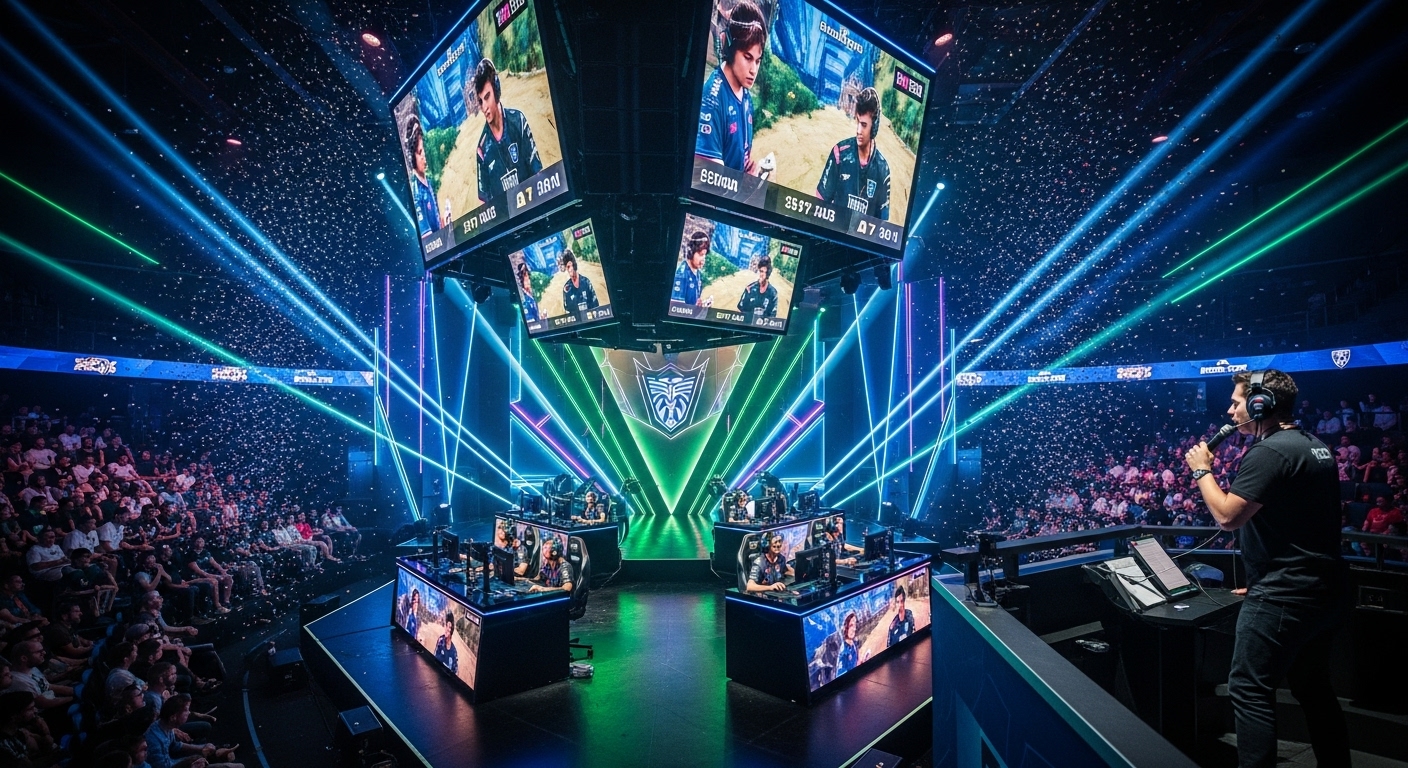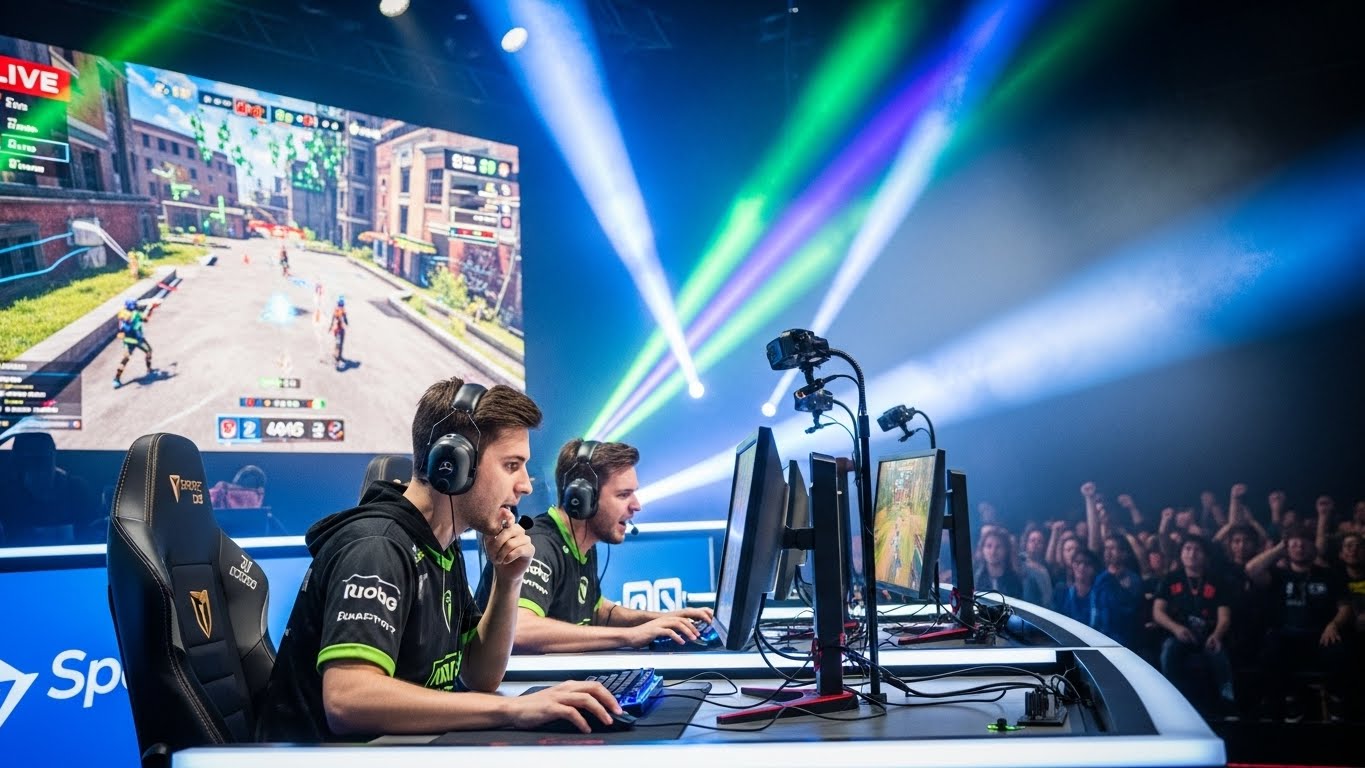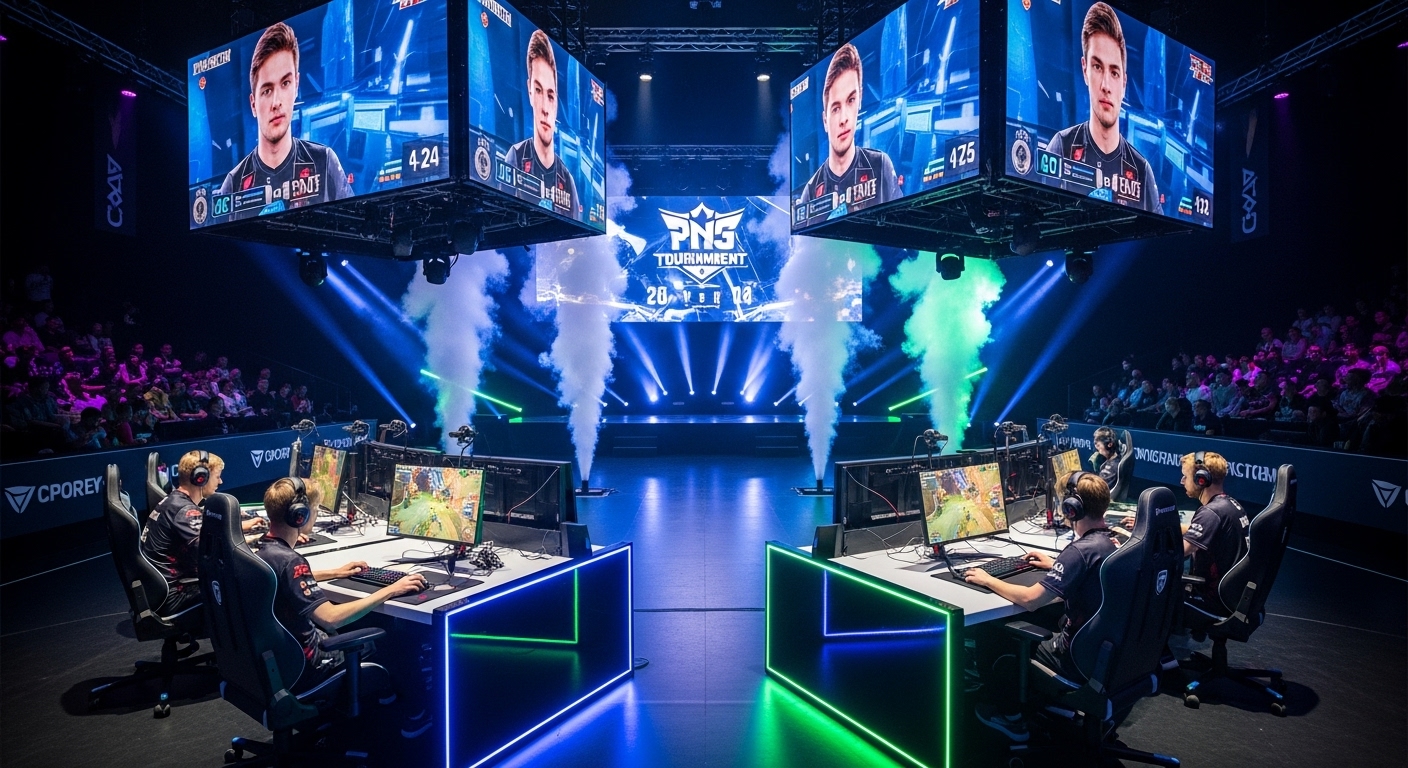
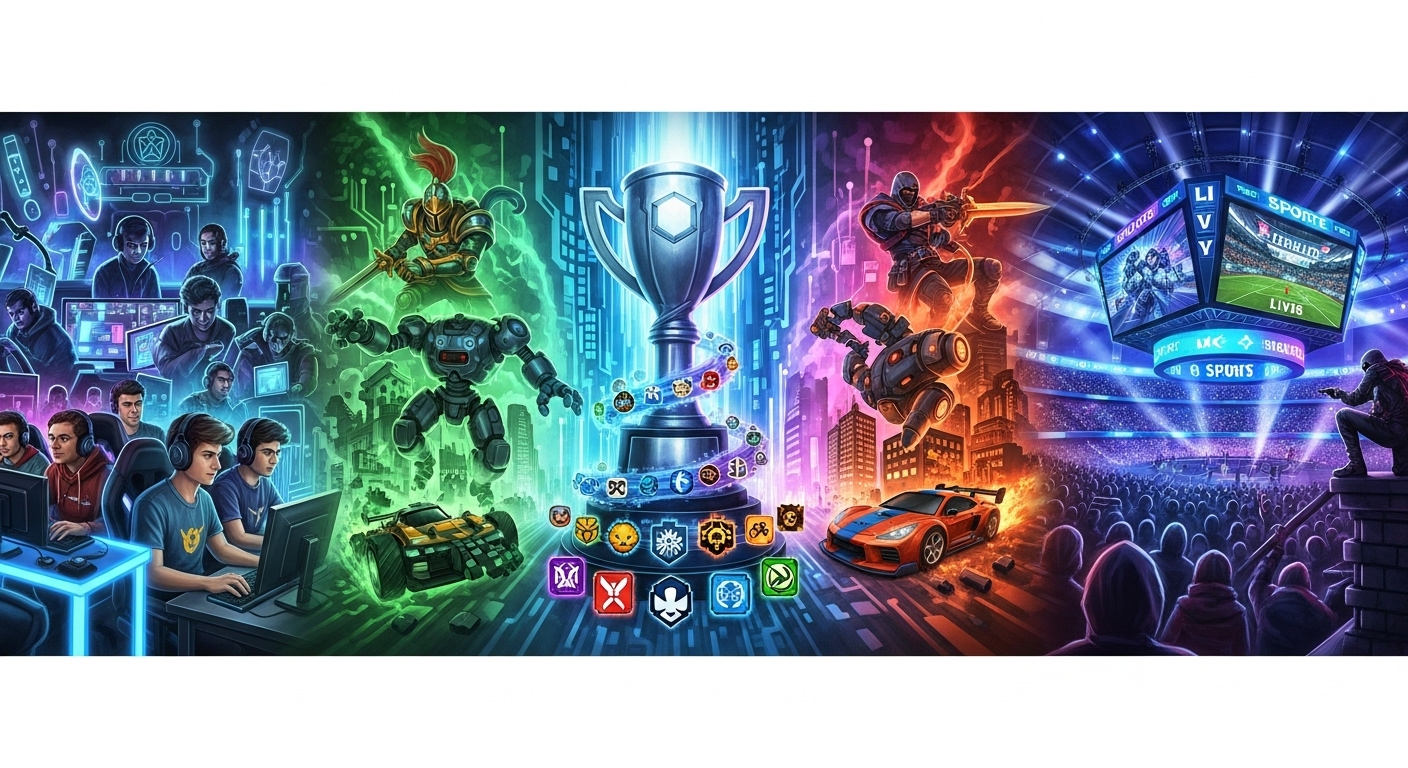
Esports has transformed from a niche hobby into a global phenomenon, attracting millions of fans and professional players worldwide. What was once seen as casual gaming is now a competitive arena where skill, strategy, and teamwork reign supreme. The esports industry continues to grow at a rapid pace, redefining what it means to compete in the digital age.
The Evolution of Competitive Gaming
Competitive gaming has come a long way from the early days of LAN tournaments and small online communities. Today, esports includes structured leagues, international tournaments, and professional teams with sponsorships. Titles like League of Legends, Dota 2, and Counter-Strike have become household names, drawing massive audiences who watch players compete for glory and substantial prizes.
The Players Behind the Screens
Esports athletes are more than just skilled gamers—they are dedicated professionals. These players train rigorously, often following strict routines similar to traditional sports athletes. Their performance requires not only quick reflexes but also mental resilience, strategic thinking, and teamwork. The discipline and commitment of esports players have elevated gaming into a respected career path.
Esports and Technology
Technology plays a central role in the growth of esports. High-speed internet, streaming platforms, and advanced gaming hardware make it possible for competitions to reach millions in real time. Beyond entertainment, technology allows detailed analytics of gameplay, helping players refine strategies and teams gain a competitive edge. The fusion of gaming and technology continues to push the boundaries of what is possible in esports.
The Global Esports Community
Esports is more than competition; it is a culture. Fans from around the world unite online and offline to support their favorite teams and players. Streaming platforms and social media have created spaces for discussion, strategy sharing, and community building. The sense of belonging in the esports community shows that gaming can foster real connections and shared experiences across continents.
The Future of Esports
The future of esports is bright and full of potential. Virtual reality, AI-driven analytics, and enhanced broadcasting technologies promise to make competitions even more immersive. As esports continues to integrate with education, entertainment, and traditional sports, it is set to become a mainstream cultural phenomenon with long-lasting impact.
Conclusion: More Than Just a Game
Esports is a testament to the power of gaming to entertain, inspire, and connect people. It has grown into a professional, competitive, and cultural force that shows no signs of slowing down. The journey from casual play to international tournaments highlights how passion, talent, and technology can combine to create a world where players and fans alike can level up together.