
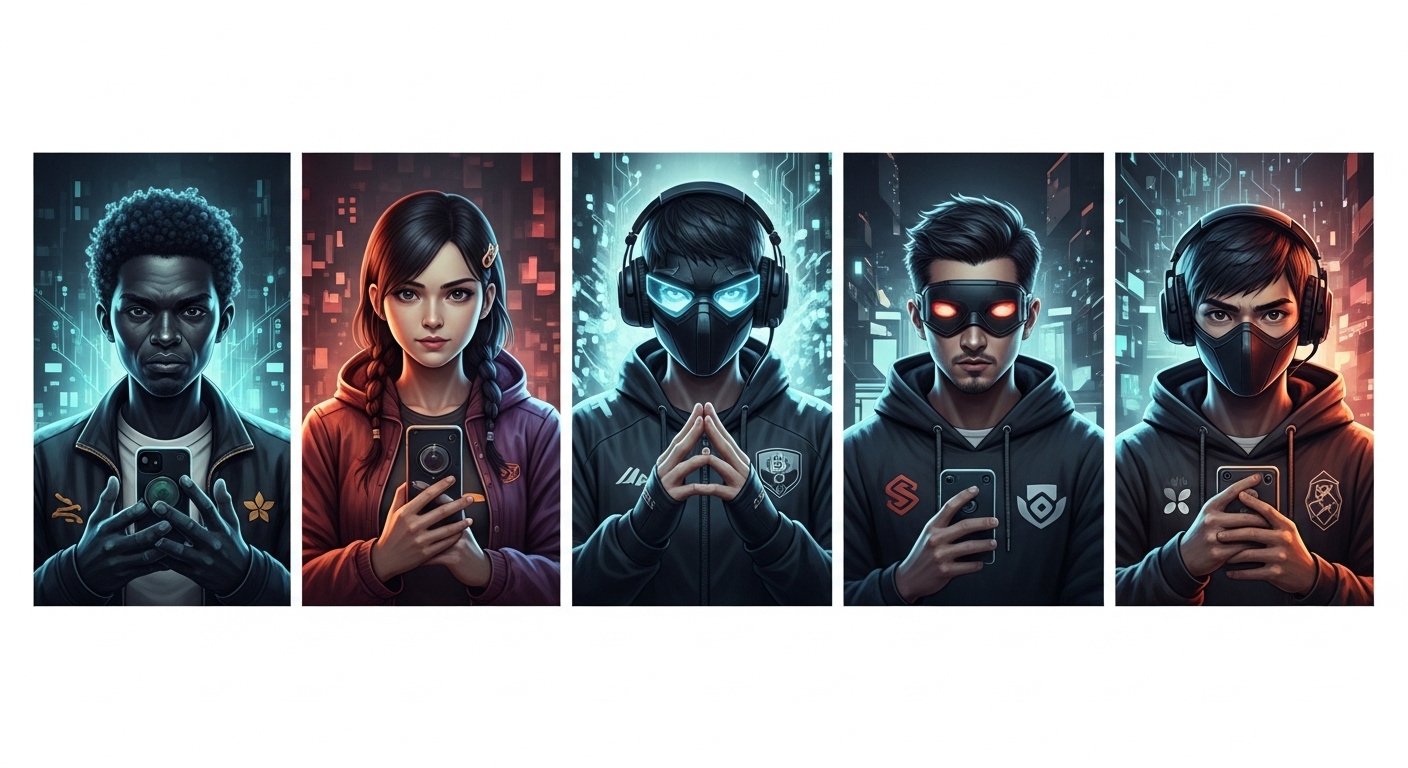
Gaming has grown into one of the most popular forms of entertainment worldwide. Millions of people log in daily to compete, cooperate, and socialize within virtual worlds. While gaming provides numerous benefits, including stress relief, cognitive development, and social connection, it also has a dark side. Cyberbullying and scams are significant threats in the gaming ecosystem, affecting players of all ages and creating serious psychological and financial consequences. This blog explores the complexities of these issues, their impact, and strategies for prevention and mitigation.
The Rise of Online Gaming Communities
The evolution of gaming from single-player experiences to massively multiplayer online platforms has transformed how players interact. Modern games are social hubs where individuals communicate, collaborate, and compete in real time. Online communities, forums, and social media integrations foster a sense of belonging, but they also introduce new risks. The openness and anonymity of these platforms can make players vulnerable to harassment and fraud, revealing the darker side of interactive digital environments.
Understanding Cyberbullying in Gaming
Cyberbullying in gaming involves using digital platforms to harass, intimidate, or humiliate other players. Unlike traditional bullying, cyberbullying can occur continuously, following victims across multiple platforms. Common forms include verbal abuse in chat or voice communication, targeted harassment, griefing (intentionally ruining another player’s experience), and doxxing (exposing personal information).
Cyberbullying affects players psychologically, leading to stress, anxiety, depression, and decreased enjoyment of games. For younger players, exposure can hinder social development and self-esteem, while adults may face threats, reputational damage, or even stalking. The anonymity of online spaces often emboldens perpetrators, allowing abuse to persist with little immediate consequence.
The Psychological Impact of Cyberbullying
The mental and emotional toll of cyberbullying can be profound. Repeated harassment may lead to feelings of isolation, helplessness, and fear. In extreme cases, cyberbullying has contributed to mental health crises and suicidal ideation. Victims may withdraw from gaming or online communities, losing social connections and recreational enjoyment. Recognizing these impacts is critical to developing effective support systems for players.
Scams in the Gaming World
Scams are another major concern in online gaming. Virtual goods, in-game currency, and microtransactions create financial opportunities, but they also attract scammers. Phishing attacks, fraudulent marketplaces, counterfeit game copies, and fake promotional offers are common tactics used to steal money or personal information.
Modern monetization models, such as loot boxes and microtransactions, have also become targets. Scammers may offer fake codes or rare items, exploiting players’ desire for competitive advantages or collectible content. Younger players, in particular, are vulnerable to manipulation, making awareness and education essential for prevention.
How Cyberbullying and Scams Intersect
Cyberbullying and scams often reinforce each other. Harassment can pressure victims into sharing login credentials or making purchases, while scammers may impersonate trusted community members to gain credibility. This intersection amplifies the risks for players, highlighting the importance of holistic strategies that address both harassment and fraud.
The Role of Game Developers and Platforms
Game developers and platform providers play a crucial role in combating cyberbullying and scams. Many have implemented reporting systems, moderation tools, and automated filters to detect abusive behavior and suspicious activity. AI-driven solutions can flag toxic language, identify patterns of harassment, and monitor financial transactions for potential fraud.
Despite these efforts, enforcement remains challenging. The global nature of gaming, coupled with anonymity and rapidly evolving tactics, makes complete elimination of these threats difficult. Continuous updates, player engagement, and community management are essential to mitigate risks effectively.
Legal and Regulatory Measures
Governments and regulatory bodies are increasingly addressing online harassment and gaming-related fraud. Laws on cyberbullying, digital privacy, and consumer protection establish frameworks for player safety and accountability. Age restrictions, transparent in-game purchases, and secure transaction requirements aim to reduce exposure to scams and unethical behavior. International collaboration is necessary to manage these risks in globally connected gaming communities.
Educating Players About Risks
Education is key to preventing cyberbullying and scams. Players, especially minors, need guidance on online safety, recognizing suspicious activity, and reporting abuse. Awareness campaigns, tutorials, and parental controls equip players with the tools to navigate digital spaces responsibly.
Educated players contribute to safer communities by supporting peers, reporting harassment, and modeling ethical behavior. Knowledge empowers individuals to protect themselves and others in the gaming environment.
Psychological and Emotional Support
Support systems are vital for those affected by cyberbullying. Counseling services, support groups, and mental health resources help victims cope with harassment and trauma. Schools, gaming organizations, and community networks can connect individuals with these resources, promoting resilience and recovery. Encouraging open dialogue and normalizing the pursuit of help strengthens community well-being.
Technological Solutions to Combat Threats
Technology itself provides tools to counteract cyberbullying and scams. AI moderation, real-time content filters, and behavioral analytics detect and respond to abusive behavior. Secure payment systems, two-factor authentication, and blockchain verification reduce fraud risks. Reputation systems and trust metrics encourage positive behavior and accountability within gaming communities.
Building Positive Gaming Communities
Creating supportive and inclusive communities is crucial to mitigating risks. Active moderation, community guidelines, and incentives for respectful behavior foster positive environments. Players play a central role by reporting abuse, supporting others, and modeling responsible conduct. Strong, engaged communities discourage negative behavior and enhance the overall gaming experience.
Case Studies and Real-World Examples
Instances of cyberbullying and scams are prevalent across gaming platforms. Competitive esports events often see harassment directed at professional players, while online marketplaces for rare items are prime targets for fraud. High-profile cases demonstrate the pervasive nature of these threats and highlight the importance of proactive intervention by developers, regulators, and communities.
The Future of Safe Gaming
Emerging technologies, including AI-driven moderation, fraud detection, and secure digital currencies, are improving player safety. Developers increasingly prioritize ethical design, transparent monetization, and community engagement. Education, policy, and technology converge to create safer spaces where players can enjoy gaming without fear of harassment or financial exploitation.
Conclusion
While gaming provides enjoyment, social connection, and cognitive benefits, the dark side cannot be overlooked. Cyberbullying and scams pose real threats to mental health, financial security, and community integrity. Addressing these challenges requires a combined effort from developers, regulators, educators, and players.
Through awareness, technological safeguards, ethical design, and supportive communities, the gaming world can mitigate risks and foster safe, inclusive, and enjoyable experiences for all participants. Players must remain vigilant, developers must prioritize safety, and society must recognize the importance of protecting individuals from the negative aspects of digital entertainment.
The gaming industry has the potential to thrive while minimizing harm, ensuring that immersive worlds remain spaces of enjoyment, creativity, and positive social interaction.