Introduction: Esports as a Modern Phenomenon
Esports, or competitive video gaming, has emerged as one of the most influential entertainment industries of the 21st century. What began as casual competitions among friends has evolved into a global phenomenon with professional leagues, international tournaments, and millions of fans. Esports combines skill, strategy, technology, and entertainment, creating experiences that rival traditional sports. Beyond gameplay, esports has reshaped communities, economies, and cultural trends, establishing itself as a legitimate professional pursuit and a source of inspiration for players and fans alike.
The Origins of Esports
The roots of esports trace back to the late 1970s and early 1980s when arcade gaming competitions became popular. Titles like Space Invaders and Pac-Man sparked competitive interest among players who wanted to test their skills against others. By the 1990s, multiplayer PC games such as Doom and StarCraft introduced online competition, fostering early esports communities.
With the advent of high-speed internet, esports gained momentum. Online leagues, LAN tournaments, and gaming conventions provided platforms for players to showcase talent. The 2000s marked the rise of professional teams, sponsorships, and organized leagues, turning gaming into a legitimate career path. Today, esports is a billion-dollar industry with global reach, drawing professional athletes, dedicated fans, and massive media attention.
Popular Esports Genres and Games
Esports spans a wide array of genres, each requiring unique skills and strategies:
- Multiplayer Online Battle Arenas (MOBAs): Games like League of Legends and Dota 2 demand teamwork, strategy, and adaptability.
- First-Person Shooters (FPS): Titles such as Counter-Strike, Call of Duty, and Valorant focus on reflexes, precision, and tactical decision-making.
- Battle Royale Games: Fortnite and PUBG combine survival, exploration, and combat in high-stakes environments.
- Sports Simulations: Digital adaptations of soccer, basketball, and racing challenge players’ strategic thinking and coordination.
- Fighting Games: Games like Street Fighter and Tekken emphasize timing, precision, and individual skill.
Each genre attracts distinct audiences and fosters dedicated communities, contributing to the diversity and global appeal of esports.
The Structure of Professional Esports
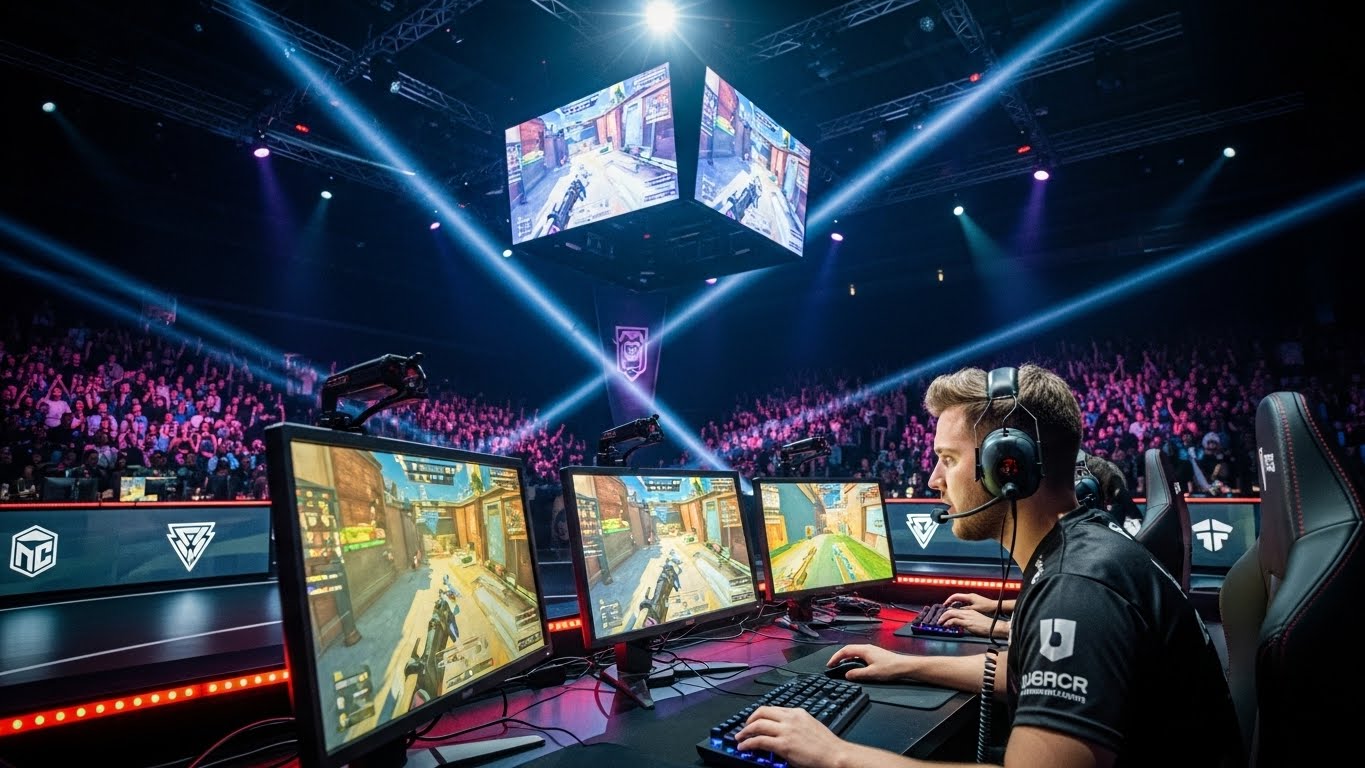
Professional esports operates similarly to traditional sports organizations. Teams consist of players, coaches, analysts, and support staff. Preparation involves rigorous practice schedules, strategy development, and physical conditioning to maintain peak performance.
Professional players are more than competitors; they are entertainers, influencers, and ambassadors for their games. Sponsorships, streaming, and endorsements provide financial stability and visibility, creating sustainable career opportunities. Professional leagues operate year-round, offering regional and global tournaments, often with substantial prize pools that reflect the competitive stakes.
Esports Tournaments and Events
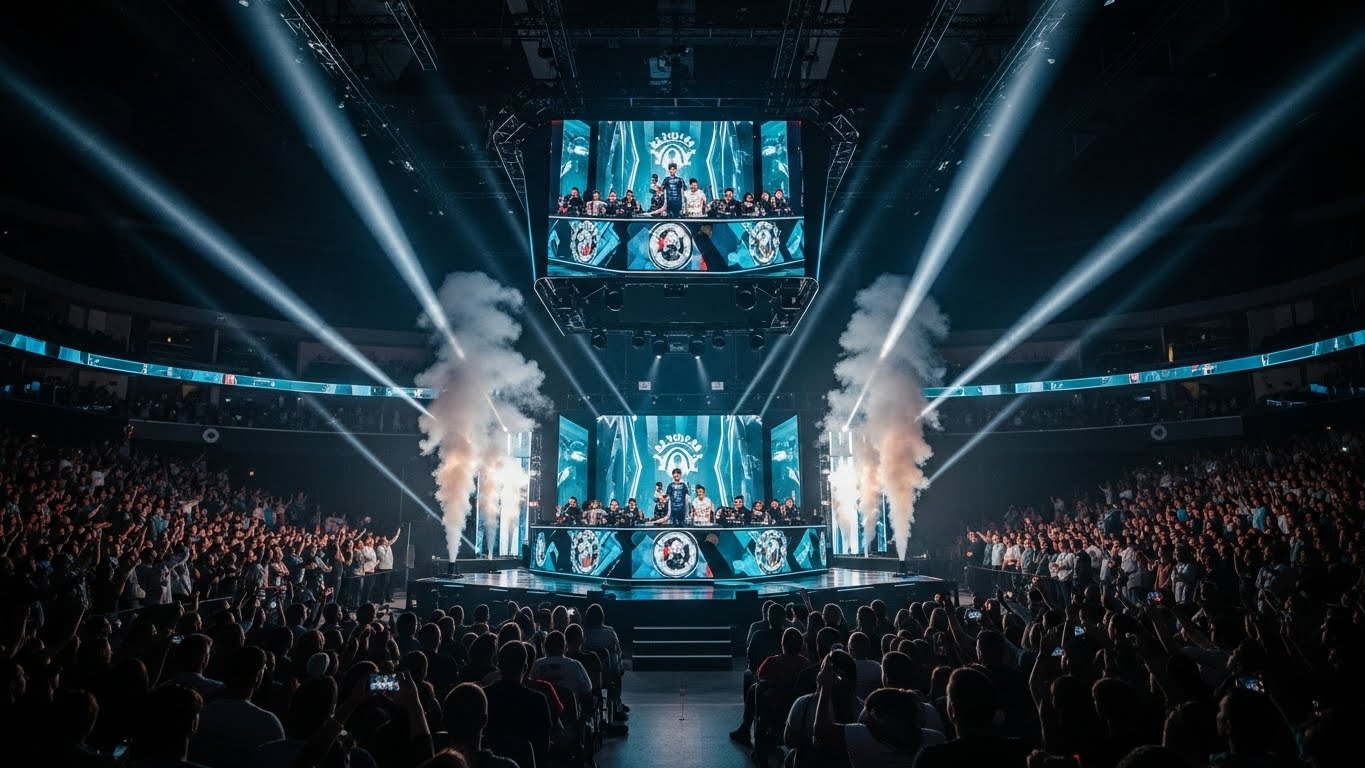
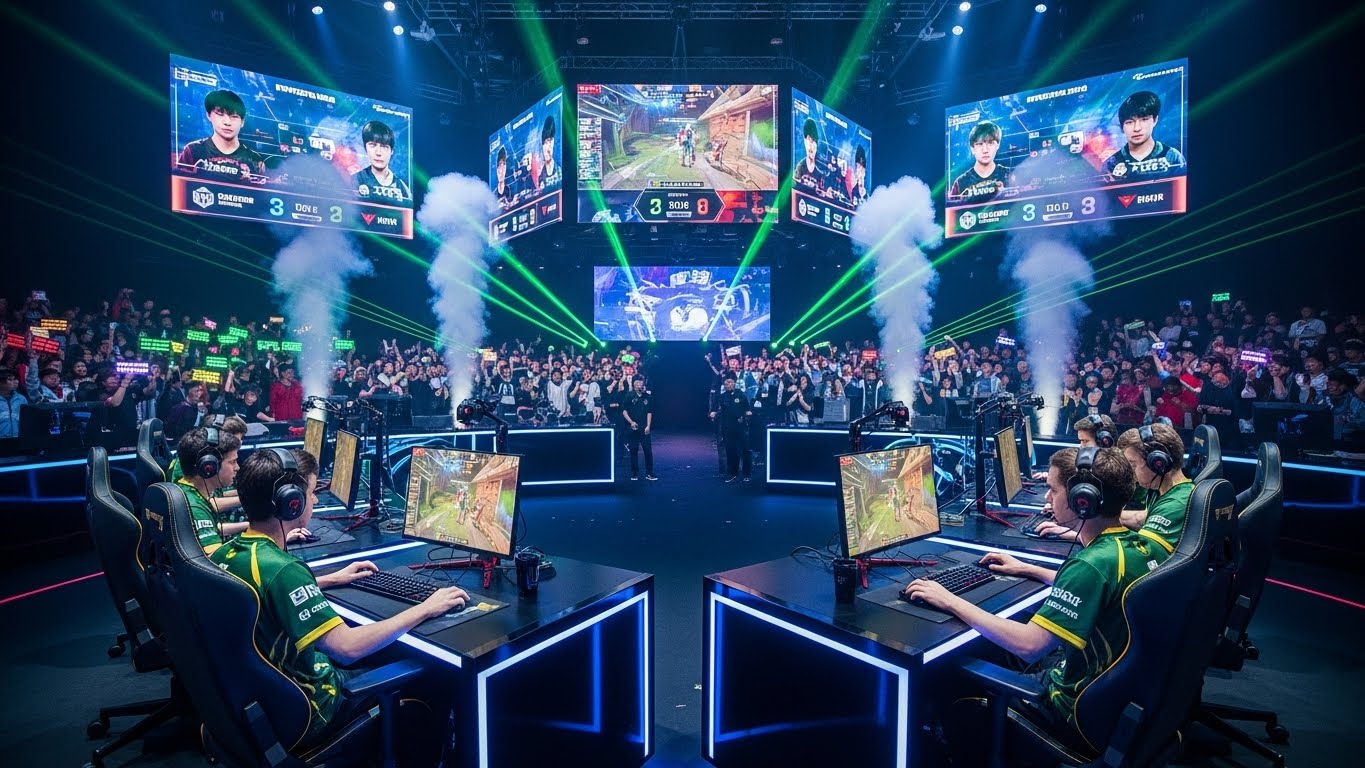
Tournaments form the backbone of competitive esports. From local competitions to international championships, these events attract massive audiences both online and in person. Events like The International for Dota 2, the League of Legends World Championship, and the Fortnite World Cup showcase top-tier gameplay and strategic depth.
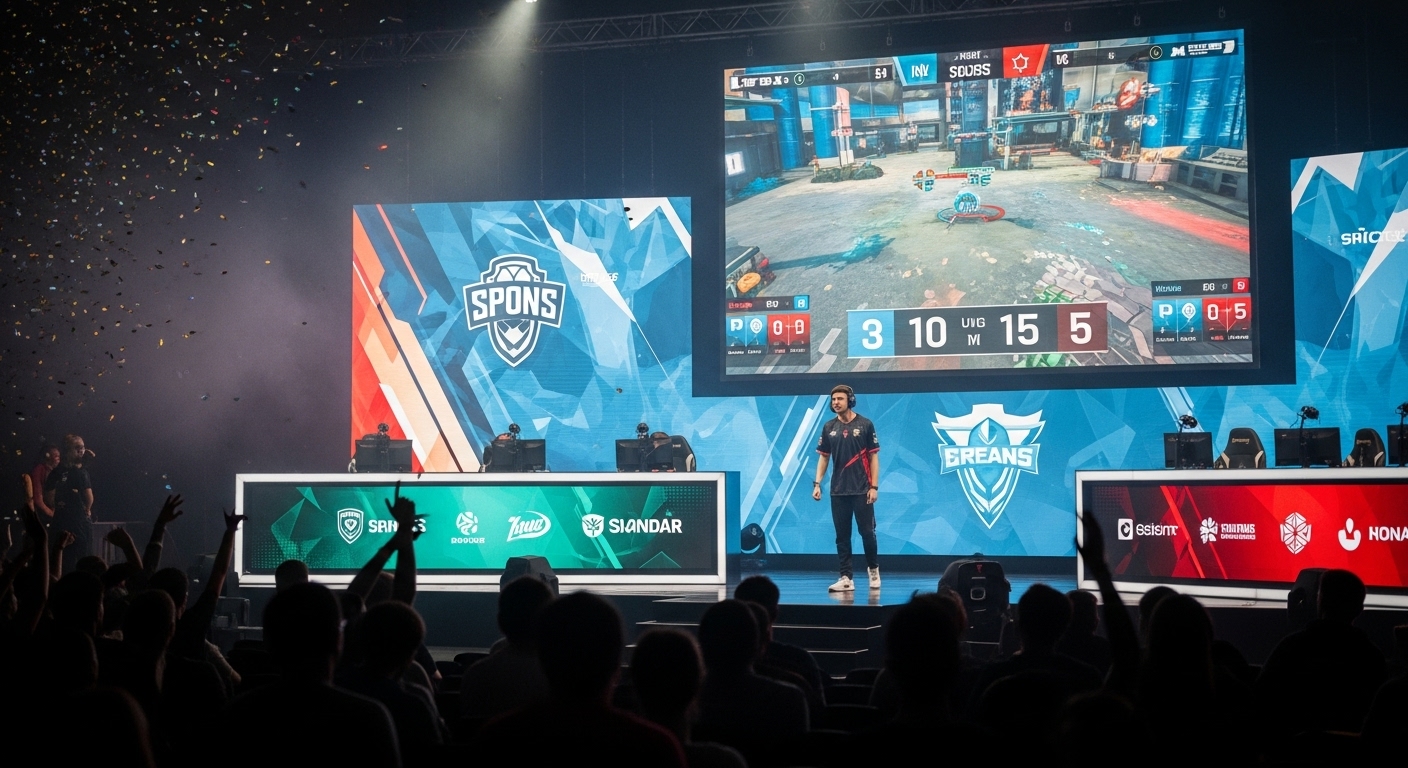
Tournaments also feature live broadcasting, commentary, and interactive audience engagement. The production quality rivals traditional sports events, with live cameras, digital overlays, and immersive storytelling. Spectators can follow strategies, player performances, and team dynamics in real time, making tournaments a blend of sport, entertainment, and spectacle.
The Global Esports Audience
Esports has cultivated a passionate, global audience. Fans watch live streams, follow tournaments, and engage with players through social media and interactive platforms. Communities form around specific games, players, and teams, fostering collaboration and dialogue.
Esports spectatorship goes beyond passive viewing. Fans participate in discussions, share content, and even create fan art, mods, and strategy guides. These communities provide a sense of belonging and identity, allowing fans to engage with esports on multiple levels and contribute to the ecosystem’s growth.
Economic Impact of Esports
The esports industry generates billions of dollars annually through sponsorships, advertising, merchandise, ticket sales, and streaming revenue. Companies invest heavily in teams, tournaments, and platforms, recognizing the value of esports’ global reach and dedicated audience.
Employment opportunities extend beyond players. Coaches, analysts, event organizers, broadcasters, marketing professionals, and content creators all contribute to the industry. Esports also drives technological innovation in gaming hardware, software, and digital media, further strengthening its economic impact.
Technology and Innovation in Esports
Technology is central to the esports experience. High-performance gaming hardware, low-latency internet, and advanced software are essential for competitive play. Streaming platforms enable global audiences to watch tournaments live, while digital overlays, analytics, and interactive tools enhance viewer engagement.
Emerging technologies like virtual reality, augmented reality, and artificial intelligence are poised to revolutionize esports. VR tournaments can create immersive environments for players and spectators, while AI-driven analytics optimize strategies and training. Technology ensures that esports continues to evolve, offering new experiences for players and fans alike.
The Cognitive and Psychological Benefits of Esports
Competitive gaming enhances cognitive skills and psychological development. Strategy-based games improve problem-solving, critical thinking, and decision-making under pressure. Team-based games develop communication, leadership, and collaboration abilities.
Esports also cultivates resilience, patience, and adaptability. Players learn to handle losses, adjust strategies, and maintain focus during high-pressure situations. While physical sports develop the body, esports challenges the mind, providing cognitive stimulation and personal growth.
Esports as a Career Path
Esports offers diverse career opportunities beyond playing professionally. Analysts, coaches, commentators, event managers, and content creators contribute to the industry. Educational institutions are increasingly offering esports programs, scholarships, and courses in game design, management, and digital media.
Career paths in esports are not limited to competition. Marketing, broadcasting, software development, and event organization are thriving fields. With skill, dedication, and networking, esports professionals can build long-term careers in a rapidly expanding industry.
Inclusivity and Diversity in Esports
Esports has made progress in promoting inclusivity and diversity. Players of all genders, abilities, and backgrounds participate in competitive gaming, creating a more equitable environment. Initiatives supporting women, marginalized communities, and differently-abled players help expand the talent pool and ensure fair opportunities.
The digital nature of esports removes geographical barriers, allowing global talent to compete on a level playing field. This inclusivity strengthens the industry, encourages innovation, and fosters a vibrant, culturally diverse community.
The Future of Esports
The future of esports is bright, driven by technological advancements, growing audiences, and increasing investment. Virtual and augmented reality will offer immersive experiences, transforming gameplay and spectating. AI and data analytics will refine strategies and optimize training.
Esports will continue to expand into mainstream culture, intersecting with education, traditional sports, and entertainment. Its global reach, community-driven engagement, and technological integration ensure that esports will remain at the forefront of digital entertainment for years to come.
Conclusion: Esports as a Cultural Force
Esports is more than competitive gaming; it is a cultural and entertainment revolution. Combining skill, strategy, technology, and community, it offers unparalleled experiences for players and fans. From local competitions to international championships, esports inspires dedication, fosters innovation, and unites people worldwide.
As the industry grows, esports will continue to redefine entertainment, professional careers, and social interaction. It represents a new era where gaming, culture, and technology intersect, shaping how humans play, compete, and connect in the digital age. The esports revolution is not just a trend—it is a transformative force with lasting impact.