
Introduction: The Digital Frontier of Competition
In the last two decades, the world of sports and entertainment has witnessed an unprecedented revolution. This revolution, known as esports, has evolved from a niche pastime of a few dedicated gamers into a global cultural and economic powerhouse. Competitive gaming now commands millions of fans, fills arenas with enthusiastic spectators, and generates billions in revenue worldwide. The rise of esports signals a profound shift in how competition, community, and entertainment intersect in the digital era. This blog explores the origins, cultural impact, economic significance, challenges, and future of esports, providing a comprehensive understanding of this fascinating industry.
The Birth of Esports: From Arcades to Global Arenas
Competitive gaming is not a new concept. Its origins trace back to the early days of video games in the 1970s and 1980s, when arcade gamers would challenge each other for high scores. Events such as the Space Invaders Championship in 1980 attracted thousands of participants and demonstrated the appetite for competitive gaming even then.
However, esports as it is known today began taking shape in the 1990s with the advent of multiplayer PC games. Titles like Doom, Quake, and StarCraft allowed players to compete directly against one another, often through local area networks or early internet connections. The 1997 Red Annihilation tournament for Quake, widely regarded as one of the first major esports competitions, was a seminal moment in competitive gaming history.
South Korea emerged as a pioneer in esports development. The country’s investment in broadband infrastructure and gaming culture fostered the creation of professional leagues, especially around StarCraft: Brood War. This was the birth of a professional gaming ecosystem with players, teams, coaches, and a passionate spectator base.
The Rise of Esports Genres and Iconic Titles
Esports today spans a variety of game genres, each offering unique gameplay styles, strategies, and competitive appeal.
Multiplayer Online Battle Arenas (MOBAs) dominate esports in terms of audience size and prize money. Games like League of Legends and Dota 2 involve two teams of five players battling to destroy each other’s base. These games require deep strategic knowledge, individual skill, and intense teamwork.
First-Person Shooters (FPS) such as Counter-Strike: Global Offensive and Overwatch emphasize precision aiming, quick reflexes, and tactical coordination. FPS games often feature fast-paced rounds and objective-based gameplay, maintaining high tension and excitement.
Battle Royale games like Fortnite and PUBG introduced a large-scale last-player-standing format that combines survival skills with shooting and exploration in expansive environments.
Real-Time Strategy (RTS) games, including StarCraft II, are celebrated for their complex economic and combat systems requiring players to make rapid decisions under pressure.
Sports Simulation Games like FIFA and NBA 2K replicate physical sports digitally, attracting traditional sports fans to esports competition.
Each genre has cultivated dedicated fan bases, professional circuits, and unique player cultures, contributing to the rich diversity of esports.
The Structure of the Esports Ecosystem
Understanding esports requires recognizing the intricate network of stakeholders that drive this industry.
Game Developers and Publishers hold the intellectual property and are responsible for game updates, balancing, and sanctioning official tournaments. Their ongoing support and control over game mechanics are crucial for maintaining competitive integrity.
Teams and Organizations operate much like traditional sports clubs, recruiting talent, offering coaching and training facilities, managing player contracts, and building brand identities.
Players are the central figures of esports. Their dedication, skill, and charisma fuel the competitive scene and attract fan support.
Tournament Organizers and Leagues arrange competitions, establish formats, handle logistics, and create spectacles that engage audiences.
Streaming Platforms and Broadcasters such as Twitch, YouTube Gaming, and regional services enable live viewing experiences, with production values rivaling traditional sports broadcasts.
Sponsors and Advertisers invest heavily in esports for brand visibility and to connect with younger demographics, providing financial stability and growth opportunities.
The Cultural Impact of Esports
Esports has cultivated a vibrant, global community united by shared interests and values. Unlike many traditional sports, esports transcends physical boundaries, enabling players and fans to connect across continents through digital platforms.
Fan culture in esports includes online forums, social media engagement, fan art, cosplay, and live event attendance. The accessibility of esports has empowered voices from diverse backgrounds, fostering inclusivity.
Universities worldwide have begun embracing esports, offering scholarships and forming varsity teams. This legitimizes esports as an academic and career pathway, encouraging young players to pursue competitive gaming professionally.
Esports personalities, from players to casters, achieve celebrity status. Their stories inspire millions, and their presence shapes gaming culture. This growing visibility also challenges stereotypes about gamers, presenting them as skilled athletes and influencers.
The Business of Esports: A Multi-Billion Dollar Industry
The economic dimension of esports is staggering. The industry generates revenue from various channels:
Sponsorships and Advertising represent the lion’s share, with companies eager to tap into esports’ youthful, tech-savvy audience. Technology brands, energy drinks, apparel companies, and even non-endemic brands actively participate.
Media Rights and Broadcasting allow tournament organizers to monetize viewership by partnering with streaming platforms, often involving multi-million dollar deals.
Ticket Sales and Merchandise at live events provide additional revenue streams, with fans purchasing team jerseys, memorabilia, and event access.
Prize Money incentivizes players and teams to reach elite levels. Some esports tournaments boast prize pools in the tens of millions, making esports one of the most lucrative competitive arenas.
Content Creation and Streaming empower players and organizations to monetize through subscriptions, advertisements, donations, and exclusive content.
The Player Experience: Training, Lifestyle, and Challenges
Professional esports players maintain demanding routines similar to those of traditional athletes. Training sessions often extend for many hours daily, focusing on mechanical skills, strategy, teamwork, and mental conditioning.
The pressure to perform is intense. Players face scrutiny from fans, sponsors, and teams, with their careers hinging on consistent success. Mental health issues like burnout and anxiety are real concerns, prompting increased focus on psychological support and wellness.
Physical health is another important factor. Exercises to improve reflexes, regular physical activity to maintain stamina, and ergonomics to prevent repetitive strain injuries are now common among top players.
The Spectator Experience: What Makes Esports So Engaging?
Esports captivates audiences through a unique blend of competition, storytelling, and interactivity.
Matches are fast-paced and dynamic, showcasing impressive individual skill and coordinated team strategies. Commentators and analysts provide insights and narrative context, enhancing viewer understanding and excitement.
The interactivity of streaming platforms allows fans to engage through live chat, predictions, polls, and even direct communication with players.
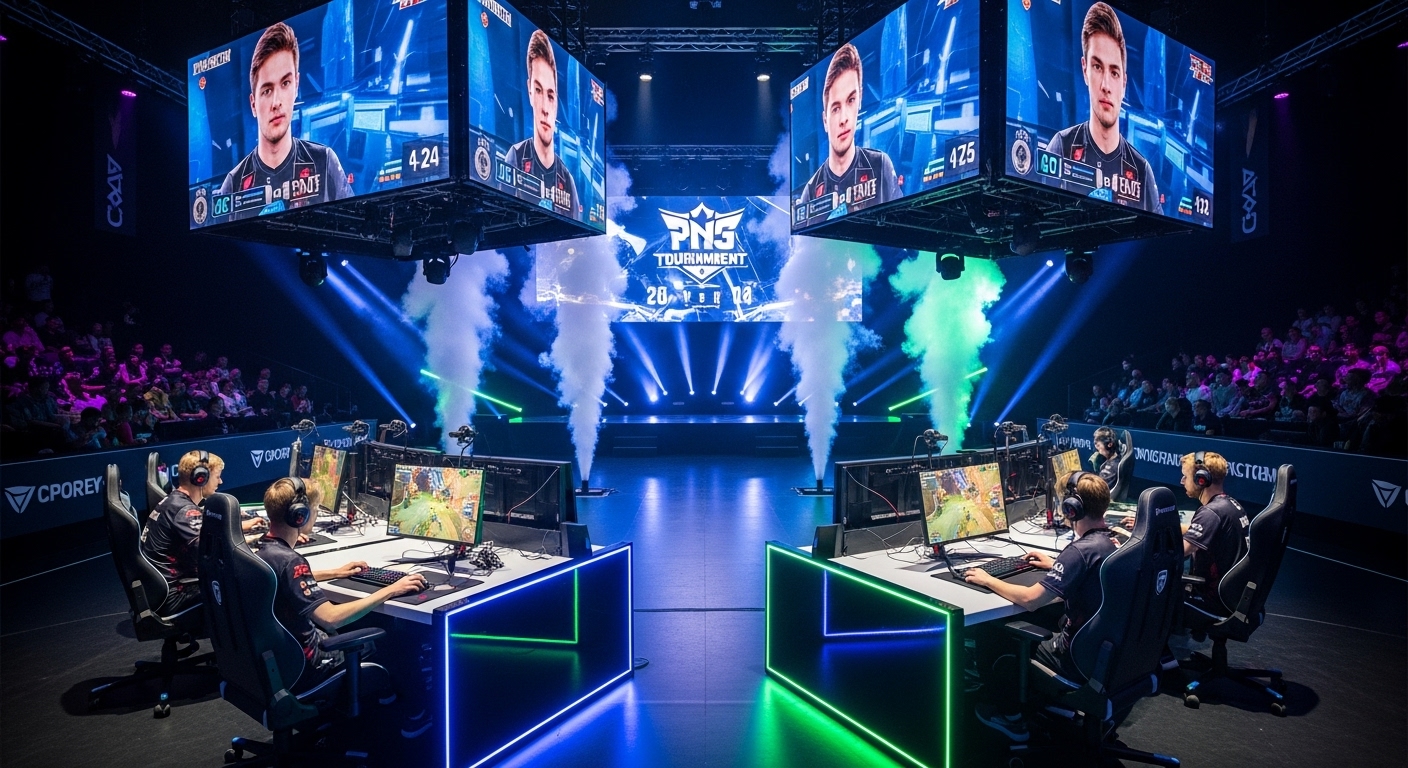
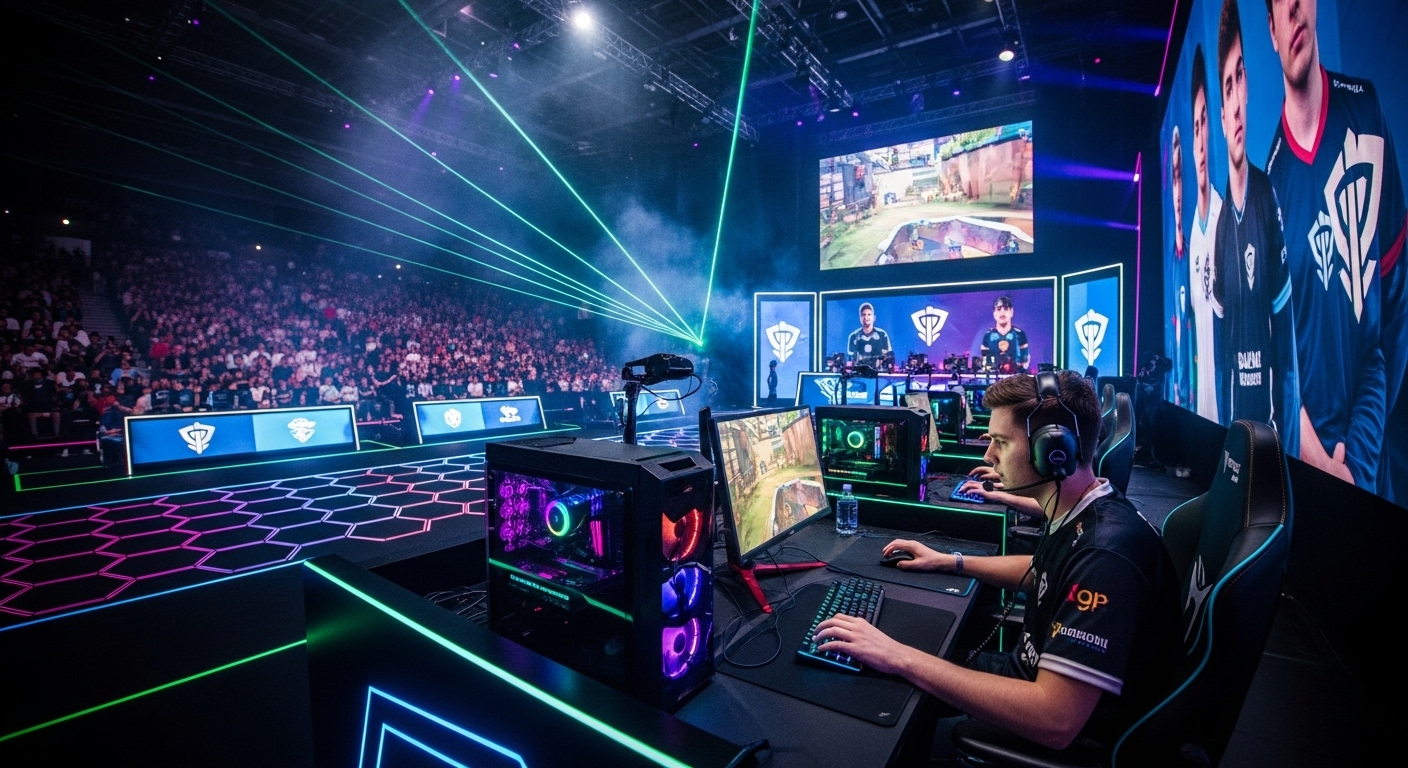
Live events replicate the energy of traditional sports with passionate crowds, elaborate staging, and fan-driven activities, creating immersive experiences.
Challenges and Controversies in Esports
Despite its successes, esports faces significant hurdles.
Regulatory and Governance Issues persist, with concerns over player contracts, match-fixing, cheating, and inconsistent rule enforcement.
Player Welfare remains a challenge, with issues surrounding mental health support, fair compensation, and career longevity needing more attention.
Market Saturation and Audience Fragmentation pose risks as many games and tournaments compete for attention.
Technological and Infrastructure Gaps limit access and participation in some regions.
Dependence on Publishers means that the viability of esports scenes often relies heavily on the continued popularity and support of specific games.
Global Impact and Regional Esports Scenes
Esports is a truly global phenomenon, but regional differences shape its development.
Asia, particularly South Korea and China, remains dominant in esports infrastructure, player development, and audience size. Their government and corporate support create highly professional ecosystems.
North America and Europe offer significant investment, media innovation, and a broad player base, driving the global expansion of esports.
Emerging markets in Latin America, Southeast Asia, and Africa are growing rapidly, fueled by mobile gaming and expanding internet access.
Each region brings its own culture, style, and priorities to esports, enriching the industry’s diversity.
The Future of Esports: Trends and Predictions
Esports is poised for transformative growth.
Technological innovations such as virtual reality, augmented reality, and AI-enhanced broadcasting will redefine gameplay and viewing experiences.
The integration of esports into educational systems will deepen, opening pathways for academic study and careers.
Collaborations between traditional sports and esports organizations will become more common, creating hybrid entertainment models.
Professionalization efforts will focus on player rights, welfare, and governance to ensure sustainable industry growth.
Global expansion will foster new markets, diversity, and cultural exchange within esports.
Conclusion: Esports as a Defining Force of Modern Entertainment
Esports stands at the intersection of technology, competition, and community, redefining what it means to be an athlete and a fan in the digital age. Its meteoric rise reflects changing entertainment preferences and the power of online connectivity. As esports continues to mature, it will undoubtedly influence broader cultural, economic, and technological landscapes.
Whether you are a seasoned gamer, a curious newcomer, or a business stakeholder, understanding esports is essential to grasping the future of competitive entertainment.