Introduction to Esports
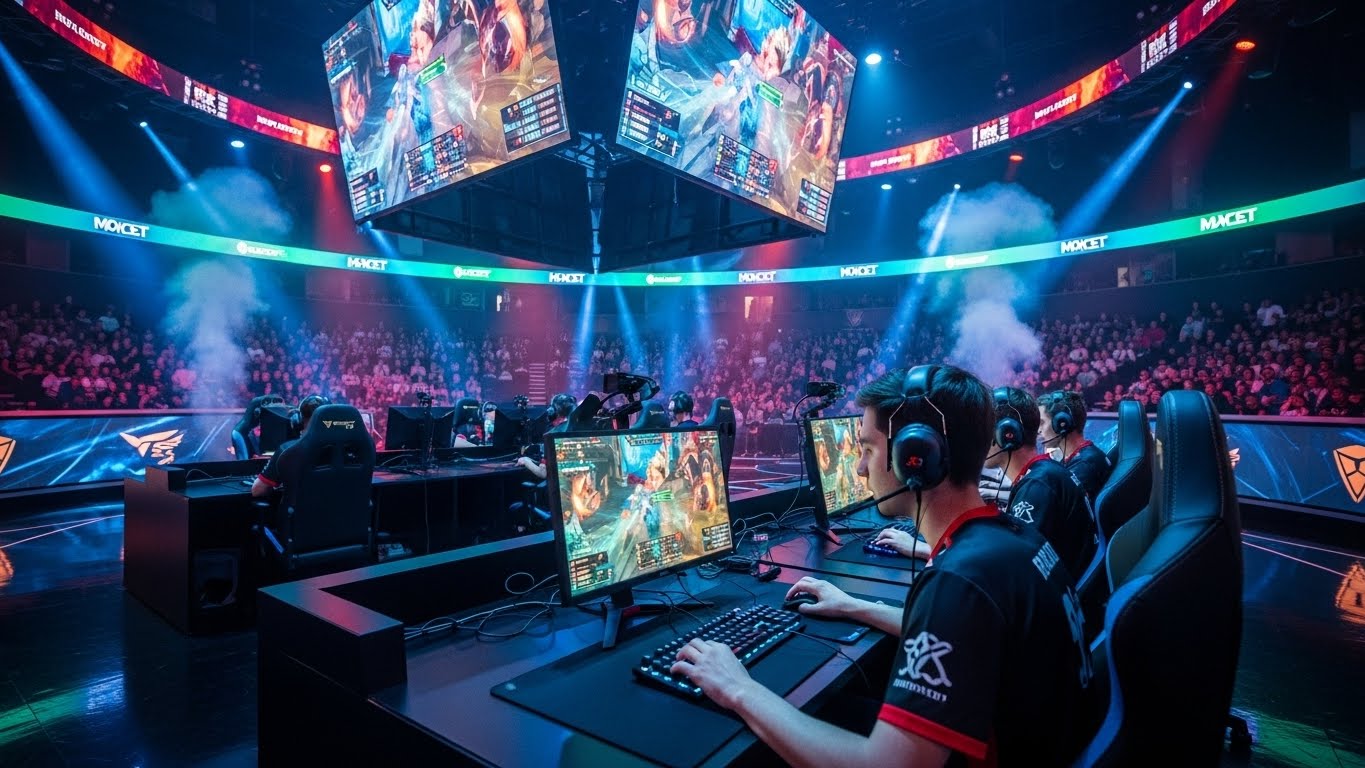
Esports, short for electronic sports, has become one of the fastest-growing entertainment industries in the world. What once started as small-scale gaming tournaments in college dorms and internet cafés has now evolved into massive global events filling entire stadiums. Millions of fans tune in to watch their favorite teams and players battle it out in virtual arenas, creating a new dimension of sports culture that merges technology, entertainment, and competition.
The beauty of esports lies in its accessibility. Anyone with a computer, console, or even a mobile device can participate, spectate, or build a career around it. It is no longer just a hobby for passionate gamers; it is a global phenomenon that brings together players, fans, brands, and investors.
The Early Days of Competitive Gaming
The story of esports began decades ago, long before streaming platforms and professional gaming leagues existed. The earliest known gaming competition dates back to the 1970s when video games like Space Invaders and Pong captured public interest. During those days, gaming was still viewed as a niche activity, mostly confined to arcades and small gatherings.
In the 1980s and 1990s, as home consoles and personal computers became more common, competitive gaming started to gain momentum. Games like Street Fighter, Super Smash Bros, and StarCraft became staples of early tournaments. LAN parties and small community events formed the backbone of early esports culture, where gamers connected physically to compete.
The Technological Revolution and Online Competition
The true transformation of esports began with the rise of the internet. Online connectivity changed everything. Suddenly, players didn’t need to gather in one place; they could compete from their homes against opponents from around the world. This shift gave birth to organized online tournaments and gaming ladders, which became the foundation for modern esports structures.
As broadband internet improved and gaming technology advanced, competitive gaming titles like Counter-Strike, Warcraft III, and League of Legends began to dominate the scene. Online multiplayer capabilities brought accessibility, while streaming services later amplified visibility.
The Growth of Esports Organizations and Leagues
The 2010s marked the professionalization of esports. Game publishers, recognizing the immense potential, began investing heavily in organized leagues. Titles like League of Legends introduced the League Championship Series, Dota 2 launched The International with record-breaking prize pools, and games like Call of Duty and Overwatch created structured franchises similar to traditional sports leagues.
With these changes came professional organizations, player contracts, sponsorships, and coaching systems. Teams like T1, Fnatic, Cloud9, and Team Liquid became household names in gaming. Esports players started training full-time, with coaching staff, analysts, nutritionists, and psychologists supporting them. The line between traditional athletes and esports players began to blur.
The Esports Ecosystem
The esports ecosystem is vast and interconnected. It involves multiple stakeholders working together to create a sustainable and profitable industry.
- Players: The heart of the ecosystem, professional gamers dedicate countless hours mastering their skills. Many start young, often balancing school and practice before entering professional leagues.
- Organizations: Teams manage players, negotiate sponsorships, and compete in various titles. They act as both business entities and communities that fans support passionately.
- Developers and Publishers: They design the games, maintain competitive balance, and often organize or sanction official tournaments.
- Sponsors and Brands: Companies from tech, energy drinks, apparel, and even car manufacturers have entered esports for exposure and connection to younger audiences.
- Fans and Communities: The driving force behind esports’ popularity. From live streams to packed arenas, fans form the culture and excitement that defines the industry.
Esports as a Career
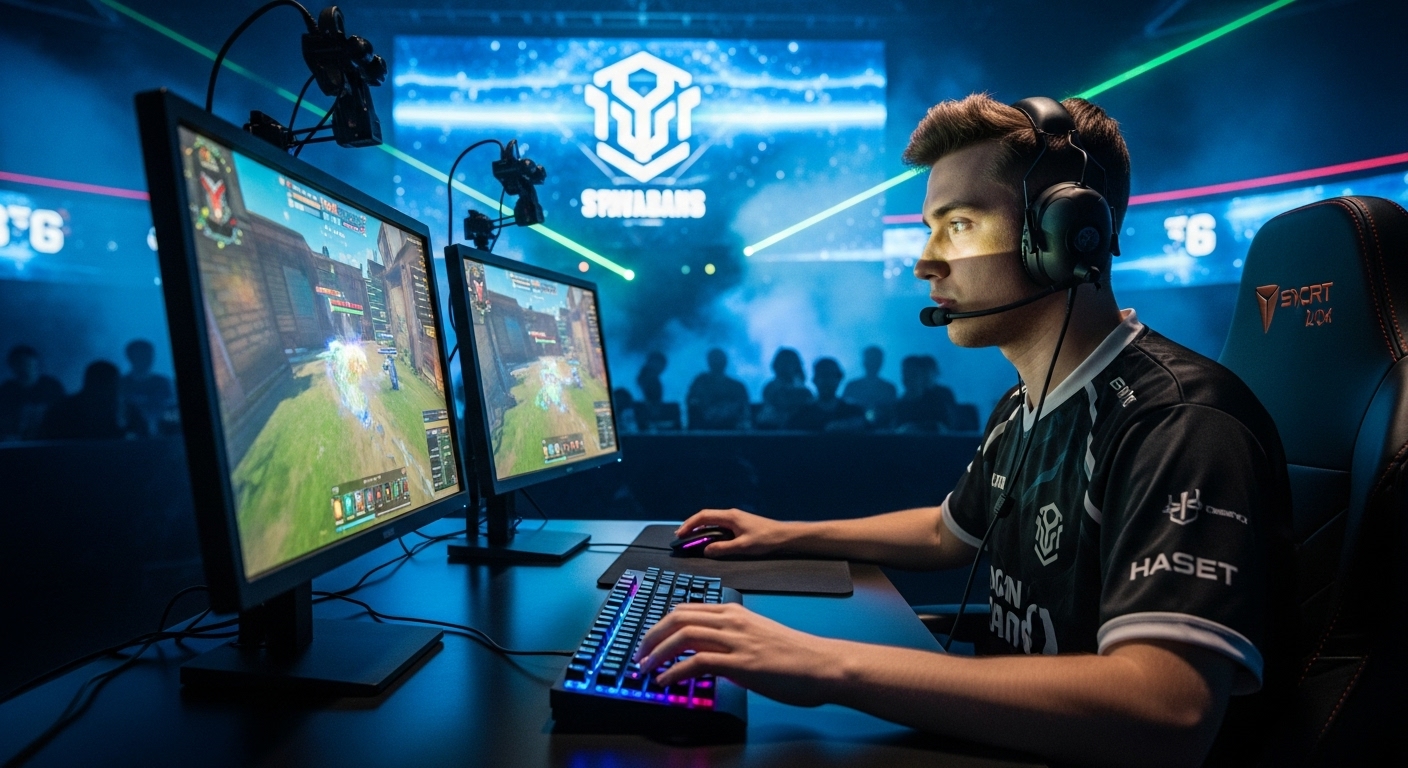
A decade ago, becoming a professional gamer seemed unrealistic for most. Today, it is a viable and respected career path. Esports athletes earn salaries, sponsorships, and prize money, while others find opportunities in content creation, coaching, production, marketing, and event management.
Streaming platforms have played a major role in expanding these opportunities. Many players build personal brands that outlive their professional careers by creating content for millions of followers. Commentators, known as casters, have become personalities in their own right, offering analysis and entertainment during matches.
Beyond playing, esports careers also include roles in event production, social media, journalism, video editing, and graphic design. The industry has matured to resemble traditional entertainment sectors, providing opportunities for both creative and technical professionals.
The Spectator Experience
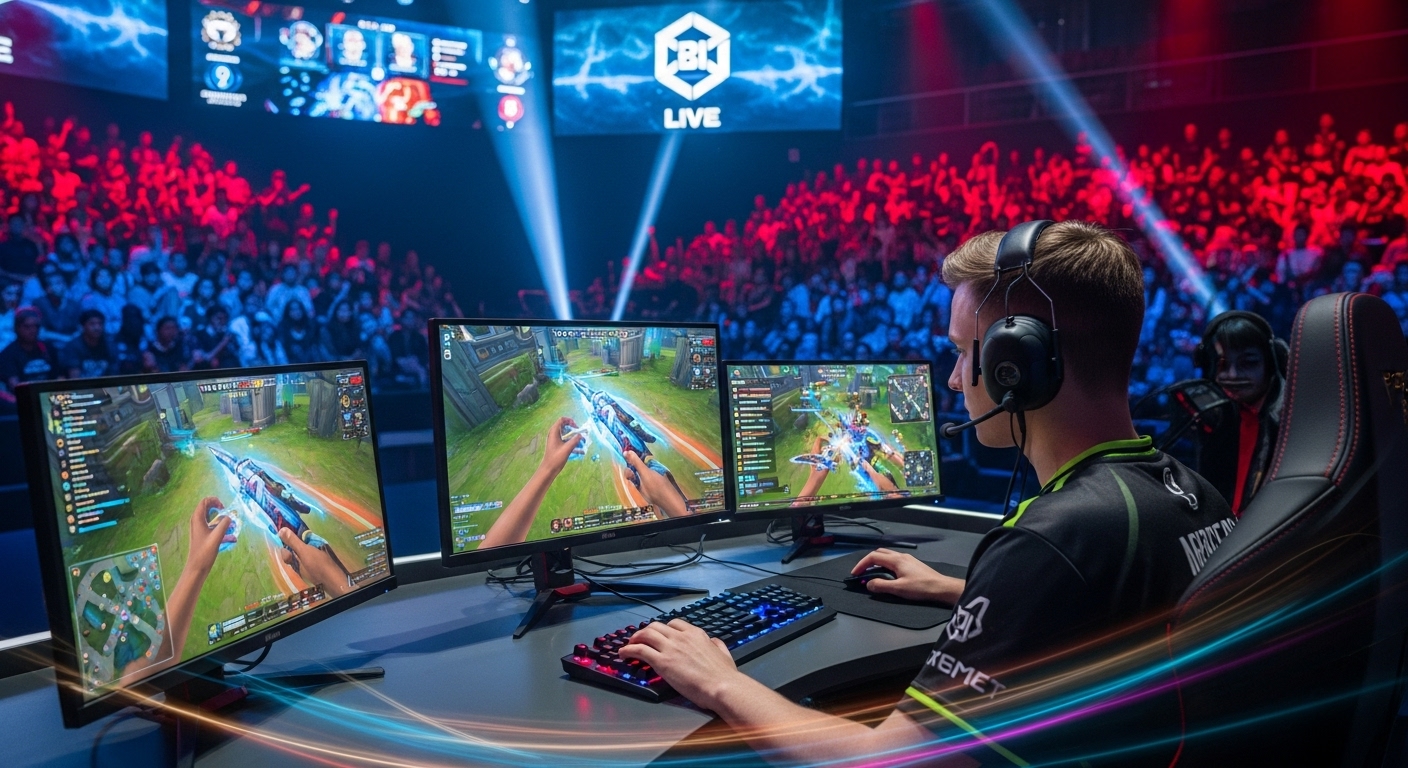
One of the defining features of esports is its spectator experience. Fans can tune in to live broadcasts from anywhere in the world. Platforms like Twitch and YouTube Gaming have made it possible for anyone to watch, interact, and even support their favorite players financially through donations and subscriptions.
The atmosphere of a live esports event, however, is unmatched. Large tournaments held in arenas bring the excitement of sports to a new level. The cheering crowds, elaborate stage designs, dramatic lighting, and explosive commentary make esports events as thrilling as any physical sport.
The audience demographic is notably younger and tech-savvy. Many grew up gaming and see esports as a natural extension of their entertainment habits. Unlike traditional sports, esports fans are global from the start, united by shared digital experiences rather than geographic boundaries.
The Role of Education and Esports
Interestingly, educational institutions are now recognizing esports as an area of growth and learning. Universities offer scholarships to talented players, and some even have dedicated esports programs. These programs don’t just focus on gaming skills but also teach business management, marketing, and technology related to the industry.
Esports clubs in schools help students develop teamwork, communication, and leadership skills. The competitive but collaborative nature of gaming fosters strategic thinking and adaptability. For younger generations, esports represents not just recreation but also a gateway to new educational and career paths.
Esports and Traditional Sports: A New Rivalry or Partnership?
A fascinating aspect of esports is its relationship with traditional sports. Initially, many viewed it as competition. Traditional sports organizations were skeptical, often questioning whether gaming could truly be considered a sport. However, as viewership numbers soared and fan engagement intensified, perceptions began to change.
Today, traditional sports clubs have entered the esports space. Major football teams like Paris Saint-Germain, FC Barcelona, and Manchester City have their own esports divisions. Basketball organizations have also launched esports leagues connected to their games, merging digital and physical fanbases.
This partnership has opened doors to innovative collaborations. Sports simulation titles such as FIFA and NBA 2K blur the line between physical and digital competition. Both industries now coexist and even benefit from each other’s audience crossover.
The Globalization of Esports
Esports is a truly global phenomenon. Asia, particularly South Korea and China, has led the movement for years, with professional gaming deeply ingrained in popular culture. In South Korea, esports stars are treated like celebrities, with televised tournaments and massive sponsorships.
North America and Europe followed suit, establishing major organizations and leagues that attract international players. Meanwhile, regions like the Middle East, Africa, and South America are rapidly catching up, hosting regional tournaments and nurturing local talent.
This global expansion has made esports one of the few industries where cultural barriers are minimal. Language differences are often bridged through shared excitement, emojis, and universal gaming expressions. It’s a cultural unifier in the digital era.
Esports Economics and Investment
From an economic standpoint, esports is booming. Prize pools reach millions of dollars, sponsorship deals are worth tens of millions, and streaming rights rival those of traditional sports. Game publishers, tournament organizers, and broadcasters are finding new ways to monetize the growing audience.
Merchandising, ticket sales, digital collectibles, and in-game advertising contribute significantly to revenue. Esports also plays a role in driving hardware sales for companies producing gaming peripherals, graphics cards, and accessories.
Investors are increasingly viewing esports as a long-term opportunity. With its youthful audience, digital adaptability, and rapid innovation, it aligns perfectly with the future of entertainment consumption.
The Role of Media and Storytelling in Esports
The storytelling element of esports is one of its most compelling aspects. Every player, team, and tournament has a narrative filled with drama, rivalry, and triumph. Fans become emotionally invested in storylines — from underdog victories to rival team clashes.
Documentaries and live broadcasts now explore the human side of gaming, revealing the discipline, teamwork, and sacrifice behind every victory. This shift in storytelling has helped legitimize esports in mainstream culture.
Challenges in the Esports Industry
Despite its success, esports faces challenges. Player burnout is a major issue, as training schedules are often intense, with little time for rest. Maintaining mental and physical health is becoming a greater concern.
The industry also grapples with inconsistent regulations. Each game has its own tournament organizers and rule sets, making standardization difficult. Issues like match-fixing, cheating, and online toxicity require constant attention and improved governance.
Another challenge lies in sustainability. While viewership is massive, profitability for some organizations remains unstable. Balancing growth, player welfare, and commercial interests will be key to the industry’s future success.
The Future of Esports
The future of esports looks promising and innovative. As technology continues to evolve, so will the experience for both players and fans. Virtual reality, augmented reality, and cloud gaming could redefine how competitions are played and viewed.
Esports may soon become an integral part of mainstream entertainment alongside film, music, and sports. With younger generations growing up immersed in gaming culture, the line between esports and everyday media consumption will blur even more.
Additionally, as artificial intelligence and data analytics improve, teams will gain new tools for strategy development, performance analysis, and fan engagement. The integration of these technologies could make esports more dynamic, personalized, and interactive.
Conclusion
Esports is no longer just a subculture or a passing trend. It represents a modern fusion of competition, technology, and community that continues to grow at a staggering pace. From humble beginnings in small gaming rooms to global tournaments filling stadiums, esports has proven its staying power.
It symbolizes a new kind of sport for the digital generation — one that values creativity, precision, and teamwork as much as physical strength. Esports transcends borders, languages, and generations, uniting millions through the shared thrill of competition.
The journey of esports is far from over. It’s an ever-evolving world where passion meets innovation, and where players continue to redefine what it means to be an athlete in the 21st century. The rise of esports is more than just a movement — it’s the story of a cultural revolution driven by technology, community, and the limitless potential of play.