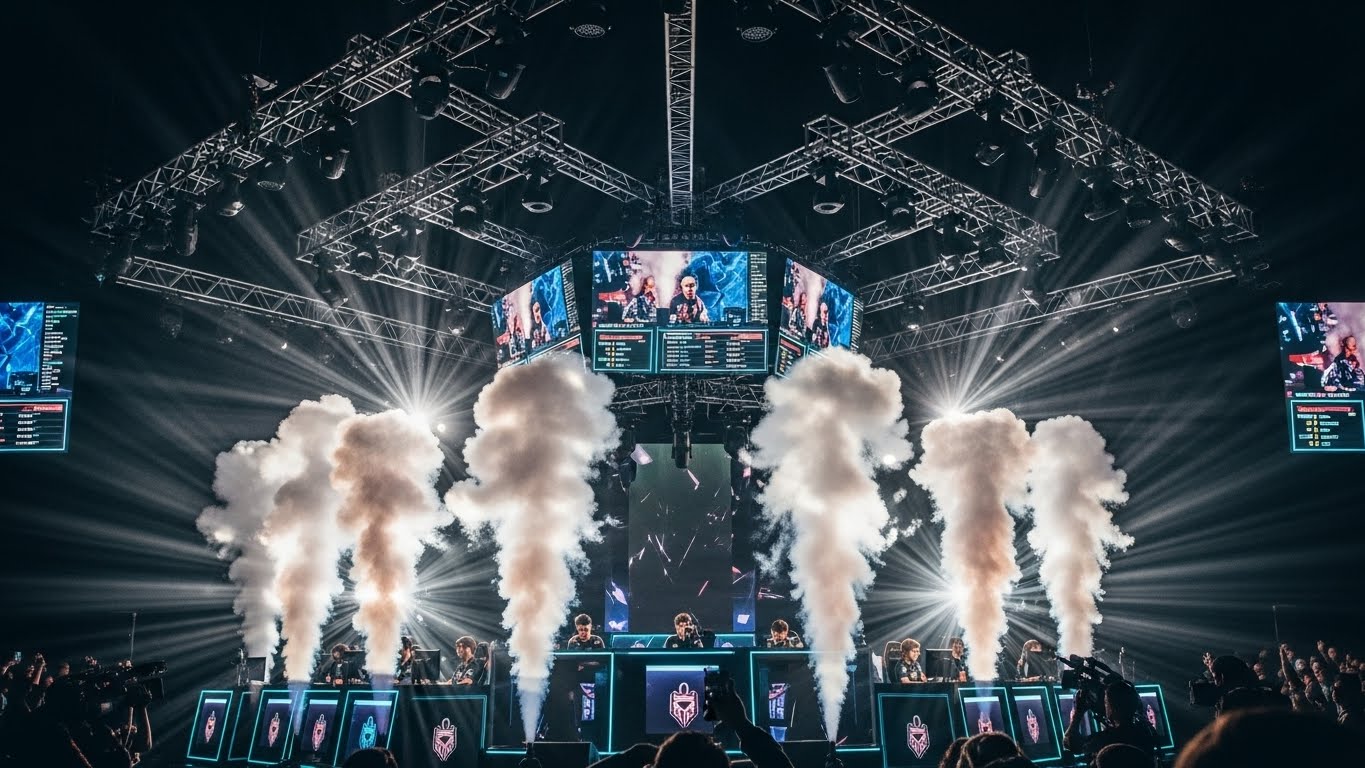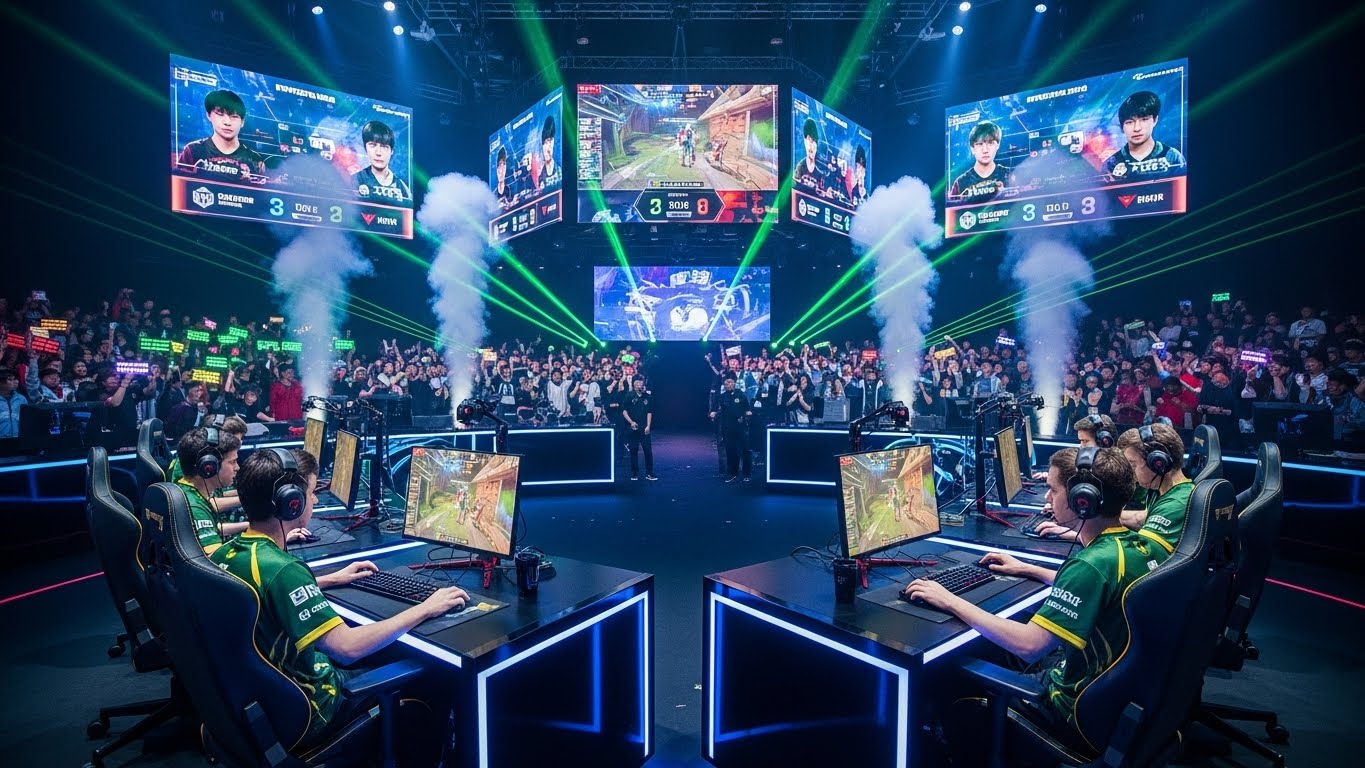
Esports, or electronic sports, has transformed from a niche hobby into a global phenomenon, captivating millions of fans, players, and investors alike. The digital era has not only expanded the ways we entertain ourselves but also redefined what competition looks like in the 21st century. Once considered a casual pastime, competitive gaming now commands stadium-sized audiences, professional leagues, lucrative sponsorships, and even academic recognition. This blog explores the multifaceted world of esports, its evolution, cultural significance, economic impact, and what the future may hold.
The Origins of Esports
The roots of esports stretch back several decades, originating from the earliest days of video gaming. In the late 1970s and early 1980s, arcade games like Space Invaders and Pac-Man were not only entertainment but also competitive experiences. High-score competitions and local tournaments emerged as ways for players to showcase their skills.
The 1990s marked a turning point. The rise of personal computers and the internet allowed for broader multiplayer experiences. Games like Quake, StarCraft, and Counter-Strike laid the foundation for organized competitive gaming. During this era, small tournaments were organized by gaming communities, universities, and fan groups. Though modest by today’s standards, these early competitions demonstrated the potential for a new form of sport centered around digital prowess.
Esports as a Professional Industry
The 2000s brought the professionalization of esports. Players could begin to earn income through sponsorships, tournament prizes, and streaming platforms. South Korea emerged as a hub for professional gaming, particularly with StarCraft: Brood War, which became a cultural phenomenon. Professional players, known as pro-gamers, became celebrities, and televised tournaments drew millions of viewers.
As the industry matured, dedicated esports organizations emerged. These organizations manage players, teams, and branding while competing across multiple game titles. Global tournaments, like the League of Legends World Championship and The International for Dota 2, now offer prize pools in the millions, rivaling traditional sports. This level of professionalism has redefined gaming, proving that esports is more than just a pastime—it is a career path.
Popular Esports Games
Esports is not limited to a single genre. It spans a diverse array of games, each with unique communities, strategies, and competitive structures.
Multiplayer Online Battle Arena (MOBA): Games like League of Legends and Dota 2 are strategic team-based games where players compete to destroy their opponent’s base. MOBA games are highly complex, requiring coordination, quick thinking, and deep knowledge of game mechanics.
First-Person Shooters (FPS): Titles such as Counter-Strike: Global Offensive, Call of Duty, and Valorant focus on reflexes, precision, and tactical awareness. FPS games are particularly popular in North America and Europe, with professional leagues offering consistent opportunities for competitive play.
Battle Royale Games: Games like Fortnite and PUBG have redefined large-scale competition. These games involve dozens of players in a survival-based format, combining shooting, strategy, and resource management.
Sports Simulations: Virtual versions of traditional sports, such as FIFA and NBA 2K, have become esports staples, offering an accessible avenue for fans of conventional sports to compete digitally.
Fighting Games: Titles like Street Fighter and Tekken maintain dedicated competitive scenes, emphasizing one-on-one skill battles, reflexes, and strategy.
The Cultural Impact of Esports
Esports is more than just a professional sport—it has permeated popular culture in profound ways. Gaming conventions, streaming platforms, and tournaments create a shared space for enthusiasts worldwide. Platforms like Twitch, YouTube Gaming, and Facebook Gaming allow fans to follow tournaments live, interact with players, and build communities around their favorite games.
Cosplay, fan art, and content creation have emerged as integral aspects of esports culture. Unlike traditional sports, which primarily focus on the athletes themselves, esports allows fans to contribute creatively to the culture. This participatory culture strengthens the bond between players and fans, making esports communities uniquely dynamic and inclusive.
Esports and Education
Interestingly, esports has found its way into education. Schools and universities around the world are integrating esports programs, offering scholarships, and even establishing professional curricula. Competitive gaming teaches valuable skills such as teamwork, strategic thinking, communication, and time management.
Some institutions have dedicated esports arenas and academic programs focused on game design, management, and marketing. These initiatives validate esports as a legitimate field of study and career opportunity, bridging the gap between digital entertainment and formal education.
Economic Impact of Esports
The economic footprint of esports is staggering and continues to grow. The industry generates revenue from multiple streams, including advertising, sponsorships, merchandise, media rights, and tournament prize pools. Companies like Intel, Nike, and Red Bull sponsor esports teams and tournaments, reflecting the mainstream appeal of competitive gaming.
Streaming platforms also contribute significantly to revenue. Popular streamers earn money through subscriptions, donations, and brand deals, creating a new form of celebrity economy. Tournament organizers generate additional revenue through ticket sales, merchandise, and media partnerships, rivaling traditional sporting events in financial impact.
Furthermore, esports has created employment opportunities across various sectors, including event management, marketing, broadcasting, game development, coaching, and analysis. The ripple effect of this industry has influenced the global economy in ways few could have predicted a decade ago.
Health and Lifestyle Considerations
While esports offers numerous opportunities, it also presents unique health challenges. Long hours of practice, intense competition, and sedentary lifestyles can lead to physical and mental health concerns, including eye strain, back problems, anxiety, and burnout.
To address this, professional esports organizations have implemented wellness programs, including physical training, mental health support, and proper nutrition. Like traditional athletes, pro-gamers benefit from holistic health practices to maintain peak performance and longevity in their careers.
Gender Diversity in Esports
One area of ongoing development in esports is gender diversity. Historically, competitive gaming has been male-dominated, but initiatives to include and support female gamers are increasing. Women’s esports tournaments, organizations, and scholarships are growing, providing platforms for female players to excel and inspire future generations.
Breaking stereotypes and fostering inclusivity remains a critical challenge. However, the rising visibility of women in esports signifies a cultural shift toward a more equitable and diverse competitive environment.
Esports in the Global Arena
Esports has become a global phenomenon, transcending geographical and cultural boundaries. Asia, particularly South Korea and China, remains a dominant force in competitive gaming, with well-established infrastructures, dedicated training facilities, and massive fan engagement. North America and Europe have also developed thriving esports ecosystems, with professional leagues, collegiate programs, and media coverage contributing to the growth of the industry.
International tournaments, such as the League of Legends World Championship, unite players and fans worldwide, creating cross-cultural experiences and fostering a sense of global community. Esports has truly become a universal language, bridging differences and connecting millions through shared passion.
The Future of Esports
The future of esports is filled with potential. Advancements in technology, such as virtual reality, augmented reality, and artificial intelligence, may redefine how games are played, watched, and experienced. VR esports could provide immersive competition, allowing players and fans to experience games from within the digital environment itself.
Esports may also gain further recognition in traditional sporting arenas. Discussions about including esports in the Olympic Games highlight the growing legitimacy and influence of competitive gaming on a global scale. Additionally, continued integration into education, professional sports, and mainstream media will solidify esports as a permanent fixture in contemporary culture.
Conclusion
Esports is more than a fleeting trend—it is a transformative force in entertainment, culture, and economy. From humble beginnings in arcades to multi-million-dollar global tournaments, competitive gaming has evolved into a complex, vibrant industry. It offers career opportunities, fosters communities, promotes education, and inspires creativity.
The rise of esports reflects broader societal changes, including the digitization of leisure, the merging of entertainment with professional ambition, and the growing importance of global connectivity. As technology and culture continue to evolve, esports is poised to remain at the forefront of digital innovation and cultural influence, proving that in the 21st century, the world of sports is no longer confined to fields, courts, and stadiums—it now thrives on screens, in virtual arenas, and within the hearts of millions of passionate gamers.