Introduction
Esports, once a niche subculture, has transformed into a global phenomenon that rivals traditional sports in popularity, scale, and economic value. What was once a pastime for gamers has become a billion-dollar industry with professional teams, global tournaments, and massive sponsorship deals. At the center of this transformation lies a key driving force: the fans. Without dedicated communities, passionate supporters, and active audiences, esports would never have achieved the momentum it has today. The role of fans in esports growth is not just supportive; it is foundational, shaping the industry’s evolution, financial stability, cultural relevance, and long-term sustainability.
This blog will explore how fans contribute to the rise of esports across multiple dimensions, from financial backing to cultural influence, social engagement, and even governance.
Fans as the Core Audience
Unlike traditional sports, esports originated in online spaces where community engagement was immediate and interactive. Fans are not passive viewers but active participants who discuss strategies, create content, and promote events. Their participation in live streams, forums, and social platforms forms the backbone of the esports ecosystem. Every successful tournament, from local competitions to international championships, depends on a strong audience base to thrive.
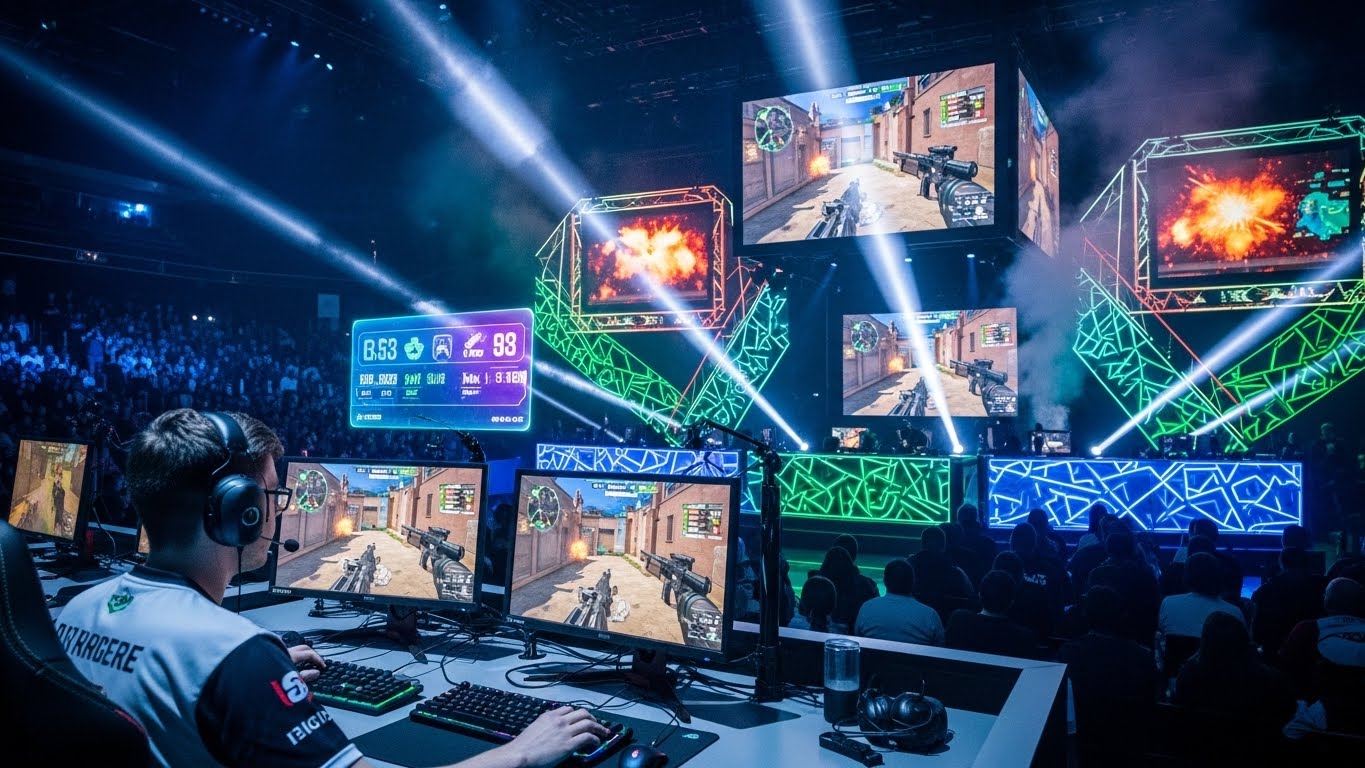
The importance of fans as an audience cannot be overstated. In arenas filled with tens of thousands of cheering spectators or online streams attracting millions of concurrent viewers, the enthusiasm of fans amplifies the competitive atmosphere. This passion transforms simple matches into iconic moments that reverberate across the gaming community and beyond.
Economic Power of Fans
Fans directly fuel the esports economy. Through ticket purchases, merchandise sales, subscriptions, donations, and in-game cosmetic purchases tied to esports events, they provide financial support that sustains the industry. Large-scale tournaments such as world championships often derive a significant portion of their prize pools and event funding from fan contributions. For example, in certain esports titles, fans purchase digital passes or exclusive in-game content, with part of the revenue going to increase prize pools.
Sponsorships and advertising are also heavily influenced by fan engagement. Brands are willing to invest in esports because fans represent a young, tech-savvy, and globally connected demographic that traditional sports struggle to capture. Without fans creating demand, sponsors would have little reason to pour millions into teams and events. In this way, fans are both the direct and indirect financial pillars of esports.
Fans as Community Builders
One of the most unique aspects of esports is the sense of community among fans. Online forums, Discord servers, Reddit threads, and fan-run websites serve as digital gathering places for discussions, analysis, and celebration. Fans build and sustain these communities, making esports more than just competitive gaming. These communities help new fans integrate, learn about the games, and stay engaged with tournaments and players.
Fan communities also play a critical role in spreading esports across geographical and cultural boundaries. A tournament in Asia might be watched by fans in Europe or North America, with community members providing translations, summaries, and localized content to make events more accessible. This grassroots involvement has allowed esports to grow rapidly across borders, much faster than traditional sports that rely on physical infrastructure.
Social Media Amplification
Social media has amplified the role of fans in esports growth more than in any other entertainment sector. Platforms like Twitter, TikTok, and YouTube are filled with fan-made highlight reels, memes, reaction videos, and analytical breakdowns. These fan-driven narratives increase the visibility of esports and often spread beyond gaming circles to mainstream audiences.
Professional players and organizations actively engage with fans on these platforms, creating direct relationships that blur the line between athlete and audience. Unlike traditional sports stars who may feel distant, esports players often stream their practice sessions, chat with fans, and share personal moments online. Fans, in turn, amplify this content by sharing, reacting, and building storylines around it. This dynamic fosters a sense of intimacy and connection, making the esports experience unique and deeply personal.
The Emotional Investment of Fans
Esports fandom is marked by intense emotional investment. Fans do not merely watch competitions; they develop loyalty to specific players, teams, and even gaming titles. This emotional connection drives higher levels of engagement, with fans staying up late to watch international matches, traveling across countries to attend live events, and celebrating victories or mourning defeats with the same passion seen in traditional sports.
The emotional power of fandom also creates memorable cultural moments. When underdog teams achieve unexpected victories or legendary players retire, fans turn these moments into stories that inspire future generations. These emotional highs and lows are what keep fans returning, ensuring that esports remains not just entertainment but a meaningful part of their lives.
Fans as Content Creators
The growth of esports has been accelerated by fans acting as unofficial marketers and content creators. From fan art and music tributes to detailed strategy guides and highlight montages, fans constantly generate content that keeps esports visible across digital spaces. Streaming platforms also allow fans to broadcast their own commentary, turning them into influencers who attract new audiences to esports titles.
This participatory culture has given esports a grassroots feel that traditional sports often lack. Instead of consuming pre-packaged broadcasts, fans can shape the narrative themselves. The democratization of content creation means that esports continues to grow organically, fueled by creativity and passion at the community level.
The Role of Fans in Shaping the Industry
Fans do not just consume esports; they shape it. Game developers, tournament organizers, and teams often adjust their strategies based on fan feedback. When fans criticize a competitive format, demand changes to balance issues, or campaign for certain regions to host events, the industry listens. Fans hold significant power in guiding the direction of esports because their support ultimately determines its success.
In some cases, fan backlash has forced organizations to reverse decisions or improve transparency. Whether it involves prize pool distribution, team management scandals, or tournament rules, the collective voice of fans ensures accountability. This influence shows that esports is not a one-way entertainment industry but a collaborative ecosystem where fans are key stakeholders.
Fans Driving Global Expansion
The international nature of esports is largely thanks to fans who spread interest across the globe. While certain titles may originate in specific regions, fans ensure their global reach by building localized communities, translating broadcasts, and advocating for tournaments in their countries. This grassroots promotion is vital for esports to achieve worldwide recognition.
Global expansion also thrives on cultural exchange among fans. Esports communities bring together people from diverse backgrounds, allowing them to bond over shared interests despite geographical differences. This international network of fans is one of the reasons why esports can achieve massive viewership numbers, uniting millions in real time around a single match.
Fans and the Live Event Experience
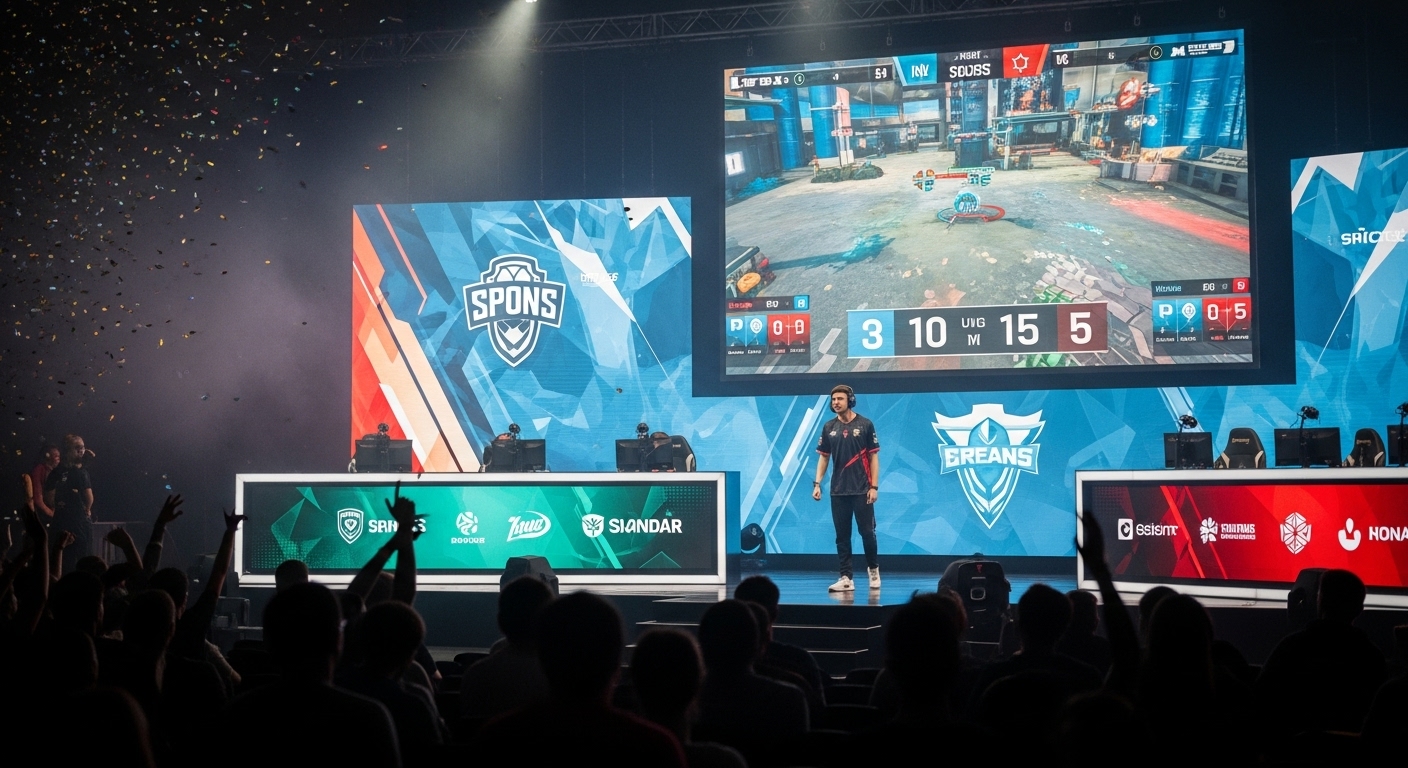
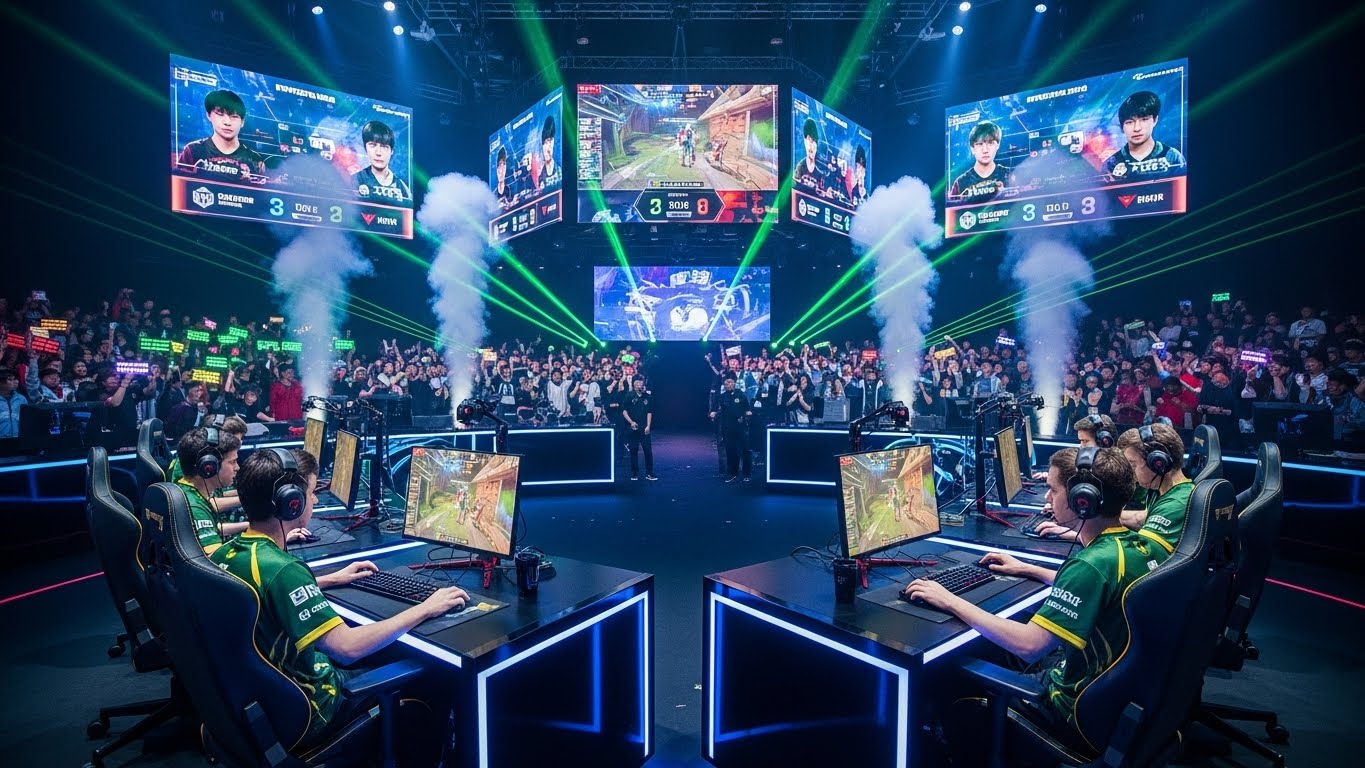
Live esports events are an unforgettable experience, and fans are the heartbeat of these spectacles. From roaring cheers that shake arenas to choreographed chants and cosplay, fans create the atmosphere that transforms tournaments into cultural celebrations. The energy of live crowds motivates players and enhances the broadcast experience for viewers at home.
The presence of fans at live events also proves the legitimacy of esports as a sport. Seeing thousands of spectators fill stadiums demonstrates the scale of the industry and provides iconic visuals that resonate with media outlets and sponsors. Without passionate fans attending in person, esports would struggle to claim the same legitimacy it enjoys today.
Fans as Advocates for Legitimacy
For years, skeptics dismissed esports as a passing trend or mere entertainment. It was fan advocacy that helped legitimize esports as a serious industry. Fans defended esports in public discourse, promoted it to mainstream audiences, and highlighted its similarities with traditional sports. Their persistent support pushed esports into mainstream media, schools, and even governments.
Today, universities offer esports scholarships, mainstream broadcasters air tournaments, and international sporting bodies acknowledge competitive gaming. This progress would not have been possible without fans consistently advocating for recognition and respect.
The Future Role of Fans
As esports continues to grow, the role of fans will become even more critical. Emerging technologies such as virtual reality, augmented reality, and interactive broadcasts will further blur the line between players and audiences. Fans may soon participate in shaping match experiences in real time, influencing not only how esports are consumed but also how they are played.
Additionally, as esports moves toward professionalization and commercialization, maintaining fan trust will be vital. Fans are wary of over-commercialization, and their voice will ensure the industry remains authentic and player-centered. Future growth will depend on striking a balance between profitability and community-driven values.
Conclusion
The role of fans in esports growth is multifaceted and indispensable. They are not just spectators but financial backers, community builders, content creators, cultural advocates, and even industry influencers. Without fans, esports would not have become the global powerhouse it is today. Their passion sustains the industry, their voices shape its direction, and their energy makes every match unforgettable.
As esports continues its journey toward even greater heights, one truth remains clear: fans are not just part of esports—they are its very foundation.