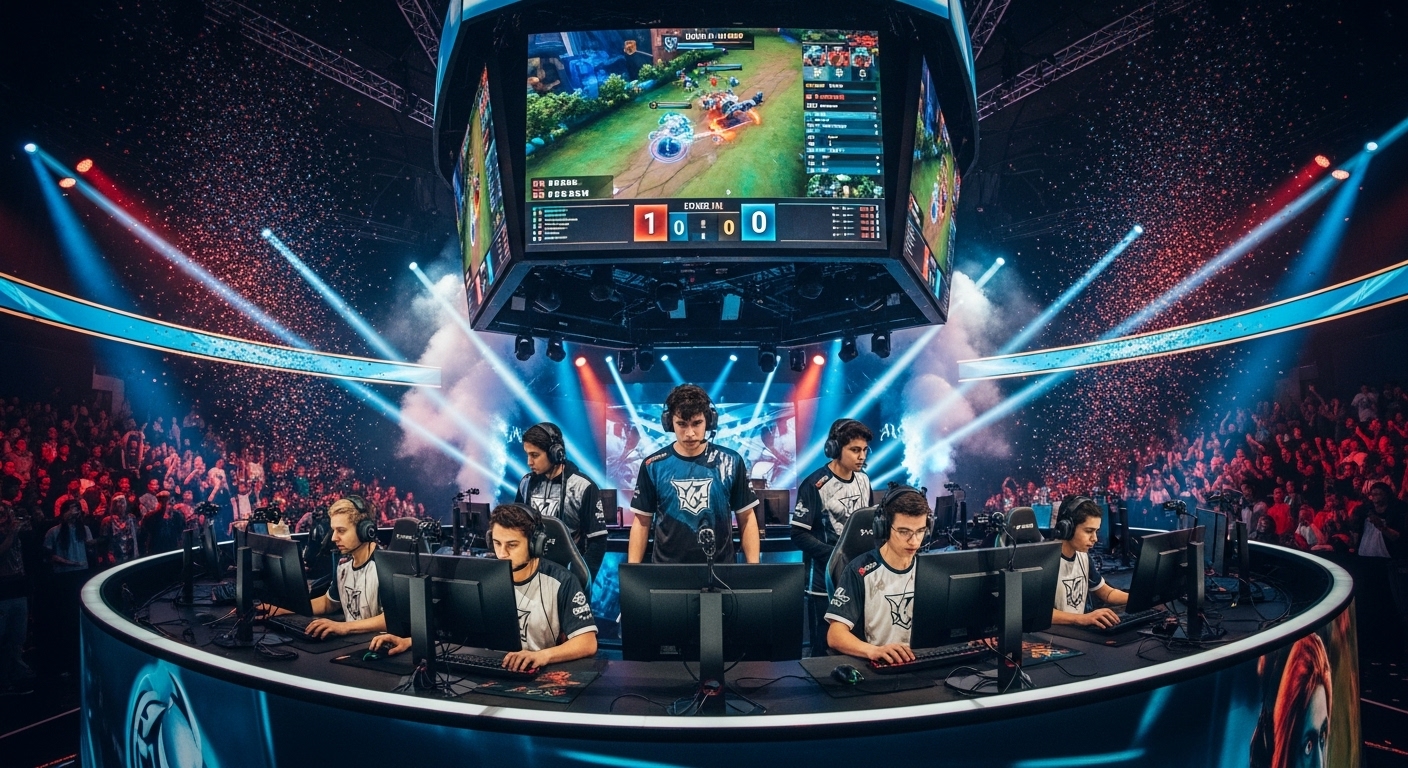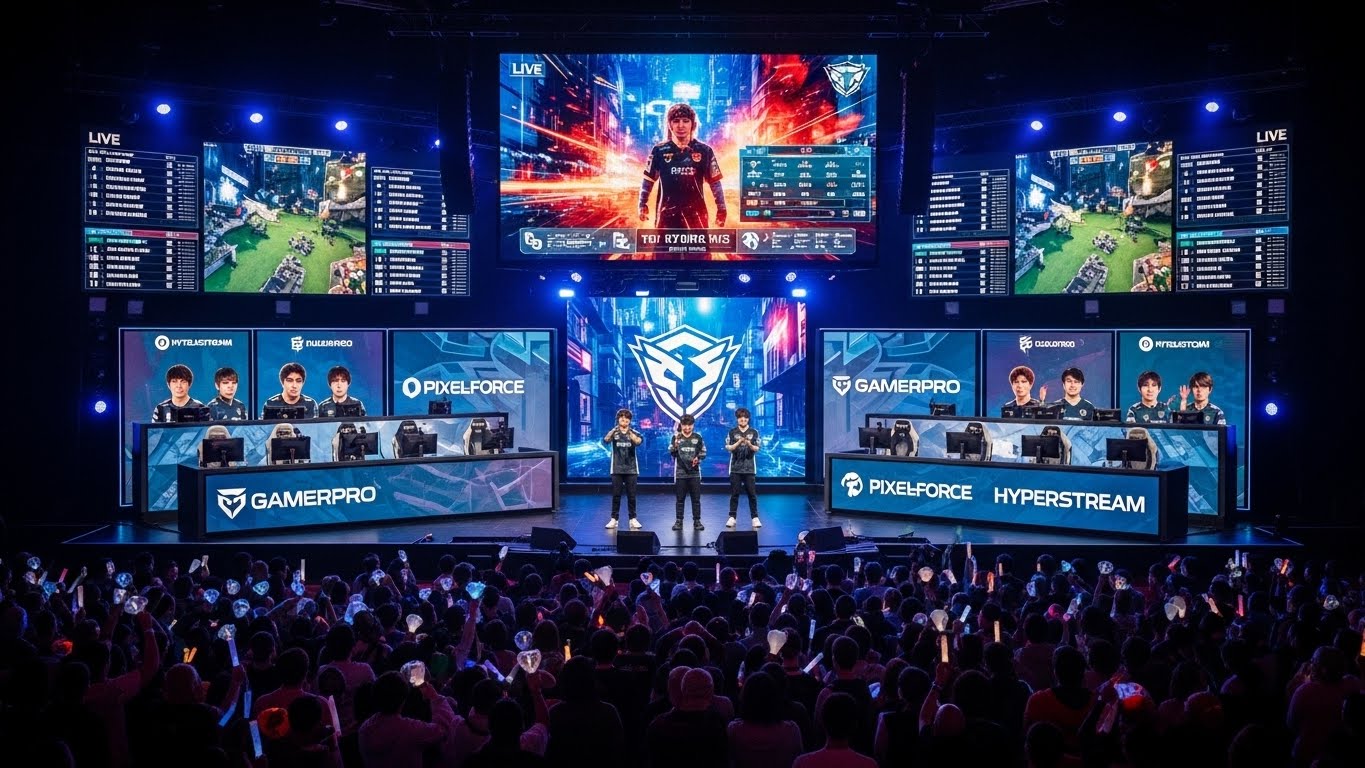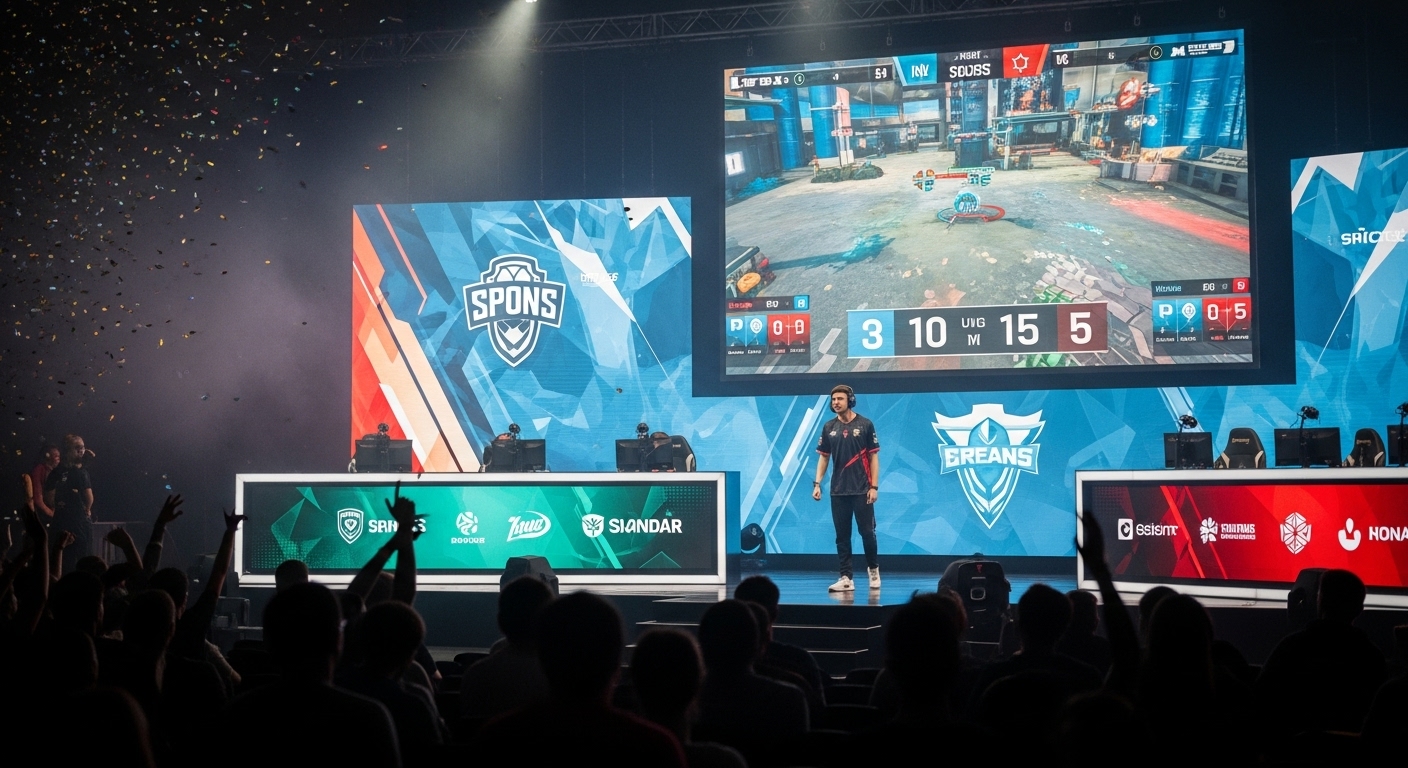
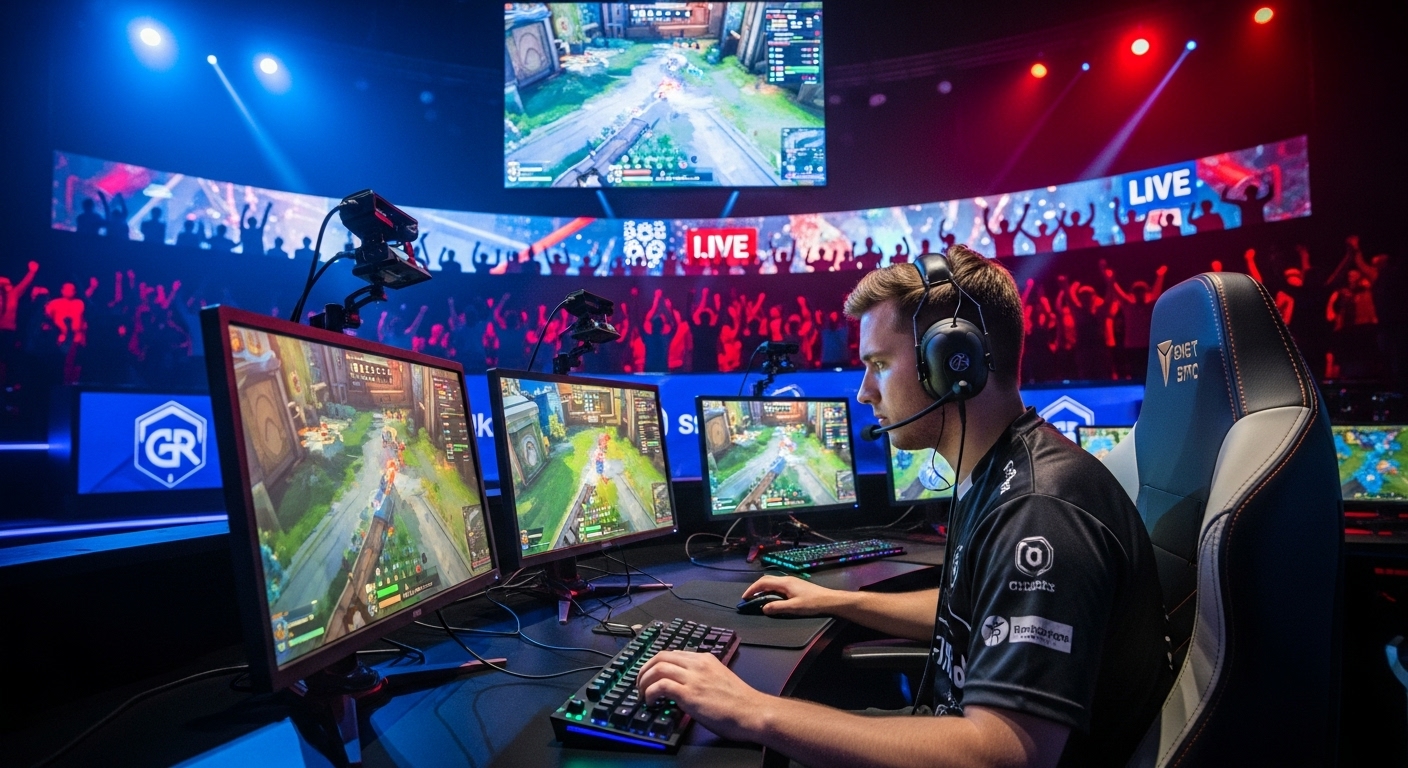
Esports has grown from a niche hobby into a multi-billion-dollar global industry. Competitive gaming now attracts professional players, sponsorships, and millions of fans worldwide. But succeeding in esports is not just about having fast reflexes or knowing the latest tricks in a game. It requires a combination of technical skills, mental agility, teamwork, and strategic thinking.
Whether you are an aspiring professional or a casual gamer aiming to improve your performance, understanding the essential skills needed in esports is crucial. This blog explores the top esports skills every player needs to compete at a high level and thrive in the competitive gaming world.
Mechanical Skills: Precision and Control
Mechanical skills are the foundation of esports performance. They refer to the player’s ability to control their character or in-game units effectively. This includes aiming accuracy, movement precision, timing, and executing complex combos or actions quickly.
In games like first-person shooters, mechanical skill can be the difference between landing a critical hit or missing an opportunity. In real-time strategy games, it determines how efficiently players can manage resources and units.
Developing mechanical skills requires consistent practice, muscle memory, and focus. High-level players spend hours refining these skills to ensure every movement and action is precise and efficient under pressure.
Game Knowledge and Awareness
Knowing the game inside and out is essential for competitive success. Game knowledge encompasses understanding maps, mechanics, item interactions, and character abilities. Awareness includes keeping track of opponents’ movements, predicting strategies, and recognizing opportunities in real time.
For example, in multiplayer online battle arena (MOBA) games, knowing which character counters another, optimal farming paths, and timing for objectives can provide a significant advantage. Similarly, in first-person shooters, map control and spawn points knowledge can dictate strategic positioning.
Players who invest time in mastering game knowledge and situational awareness can anticipate opponents’ moves and make smarter decisions during matches.
Strategic Thinking and Decision-Making
Esports is as much about mental acuity as it is about reflexes. Strategic thinking allows players to plan their moves, coordinate with teammates, and adapt to evolving in-game situations. Decision-making involves choosing the best course of action quickly, especially in high-pressure moments.
In strategy games, this skill translates to managing resources and planning attacks. In shooters, it involves choosing when to engage, retreat, or control specific areas of the map. Players with strong strategic thinking can influence the outcome of matches even when their mechanical skill is comparable to opponents.
Communication and Teamwork
Most esports titles are team-based, requiring strong communication and collaboration. Effective players can clearly convey information, such as enemy positions, objective status, or upcoming strategies. They also need to listen, coordinate, and adapt to the team’s plan.
Good teamwork skills foster synergy and trust among teammates. In high-stakes tournaments, clear communication and coordination often distinguish top-tier teams from average ones. Players must balance assertiveness with humility, sharing ideas while respecting teammates’ input.
Mental Resilience and Focus
Esports competitions can be intense and mentally draining. Matches often involve high stakes, long durations, and constant pressure. Mental resilience enables players to stay calm, focused, and perform consistently even under stress.
Focus helps players avoid distractions, maintain concentration, and execute strategies effectively. Resilience allows them to recover quickly from mistakes or losses, learn from setbacks, and maintain motivation during rigorous training and competitive play.
Developing mental resilience can involve mindfulness practices, structured routines, and cultivating a healthy approach to both success and failure.
Adaptability and Flexibility
Games constantly evolve with updates, patches, and meta shifts. Top esports players must adapt to new mechanics, strategies, and opponents’ play styles. Flexibility ensures that players can switch tactics mid-game, learn new characters, or adjust strategies in response to changing conditions.
Adaptability is particularly important in team-based games, where synergy with teammates can change from match to match. Players who can quickly adjust are better positioned to maintain competitiveness and exploit opponents’ weaknesses.
Communication Under Pressure
In esports, the ability to communicate effectively under pressure is crucial. Fast-paced games often require split-second decisions, and players must relay critical information quickly and accurately. Miscommunication can lead to lost opportunities, failed objectives, or even game-ending mistakes.
Training in calm, concise communication improves team coordination and reduces errors during high-intensity scenarios. Players who excel in this area often provide leadership and stability, helping their team perform cohesively.
Physical Health and Reflex Optimization
Though esports is primarily a mental and digital activity, physical health plays a significant role. Proper posture, hand-eye coordination, and reflexes are influenced by fitness, nutrition, and sleep. Injuries such as carpal tunnel syndrome, wrist strain, or eye fatigue can impair performance.
Professional players prioritize exercise, ergonomics, and recovery routines to maintain peak performance. Healthy habits improve focus, reaction time, and stamina, allowing players to compete at their best over extended sessions.
Analytical Skills and Learning from Mistakes
Top esports players constantly analyze their gameplay and learn from mistakes. Reviewing match footage, identifying patterns, and assessing opponents’ strategies enable players to refine their skills and make better decisions in future matches.
Analytical skills also extend to in-game decision-making, helping players recognize trends and anticipate opponents’ moves. Continuous learning and self-improvement are essential traits for anyone aiming to compete at the highest levels.
Creativity and Innovation
The best esports players are not just reactive but also creative. Innovation allows players to devise unique strategies, unexpected plays, and unconventional tactics that catch opponents off guard.
Creativity in esports can involve new approaches to objectives, combining character abilities in novel ways, or finding shortcuts and advantages in maps. Players who innovate inspire teams, elevate matches, and set trends that shape the competitive meta.
Conclusion: Mastering the Complete Skill Set
Success in esports requires more than just technical skill or fast reflexes. It demands a combination of mechanical precision, game knowledge, strategic thinking, teamwork, mental resilience, adaptability, and continuous learning. Players who cultivate these skills are better equipped to excel in competitive environments and maintain long-term careers in esports.
Esports is evolving rapidly, and as the industry grows, the demands on players will continue to increase. Mastering these core skills not only enhances gameplay but also prepares individuals for professional opportunities, whether as players, coaches, analysts, or content creators.
Aspiring esports players should focus on developing a balanced skill set, combining technical expertise, mental toughness, and collaborative ability. Those who do will thrive in the competitive gaming landscape, where talent, strategy, and perseverance intersect to define champions.