Introduction
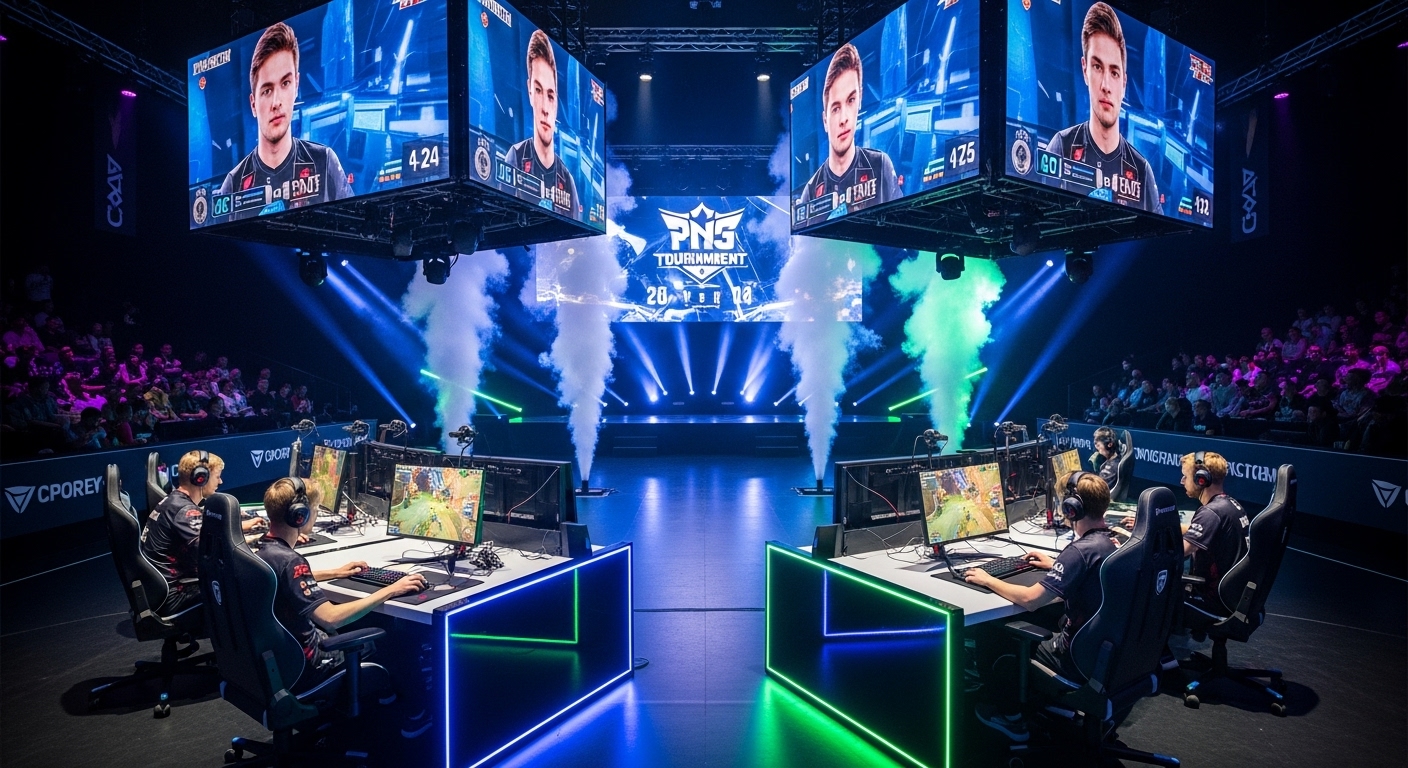
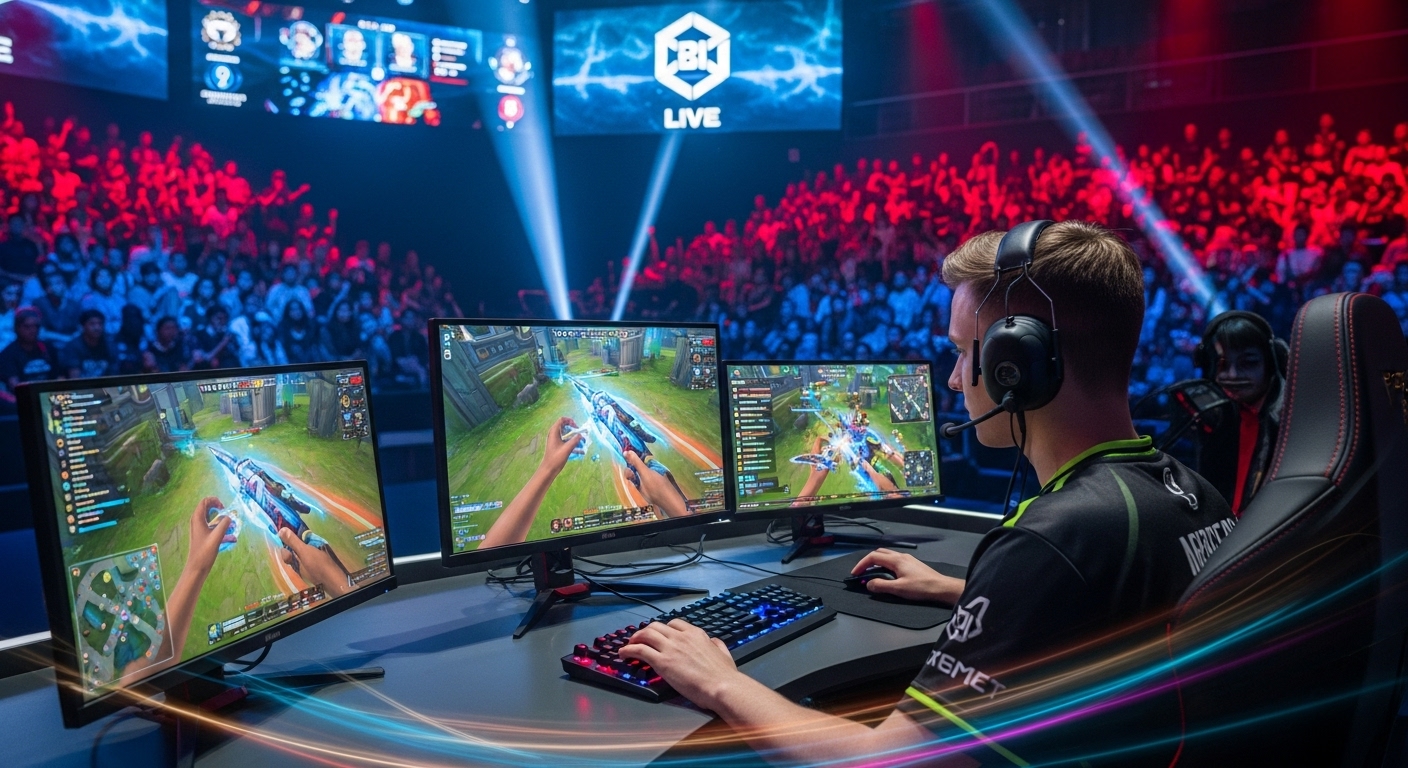
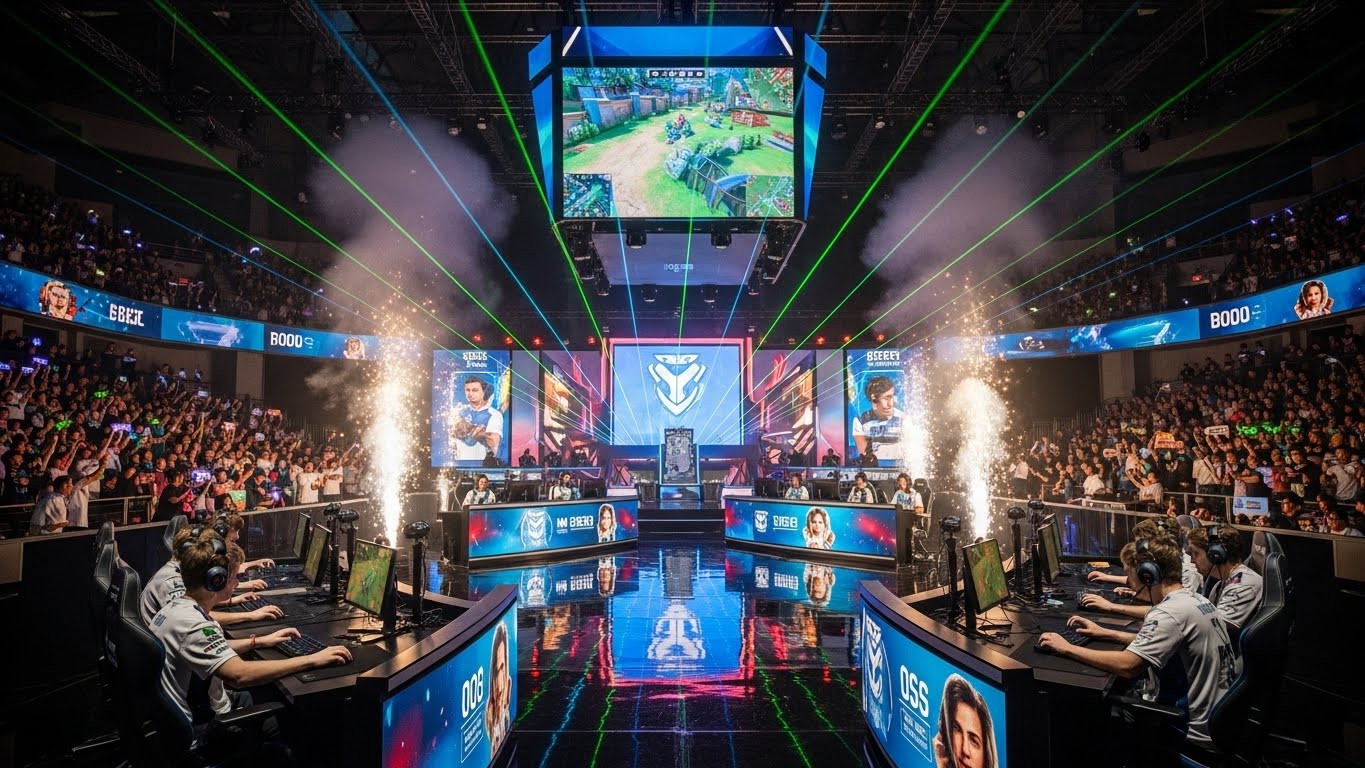
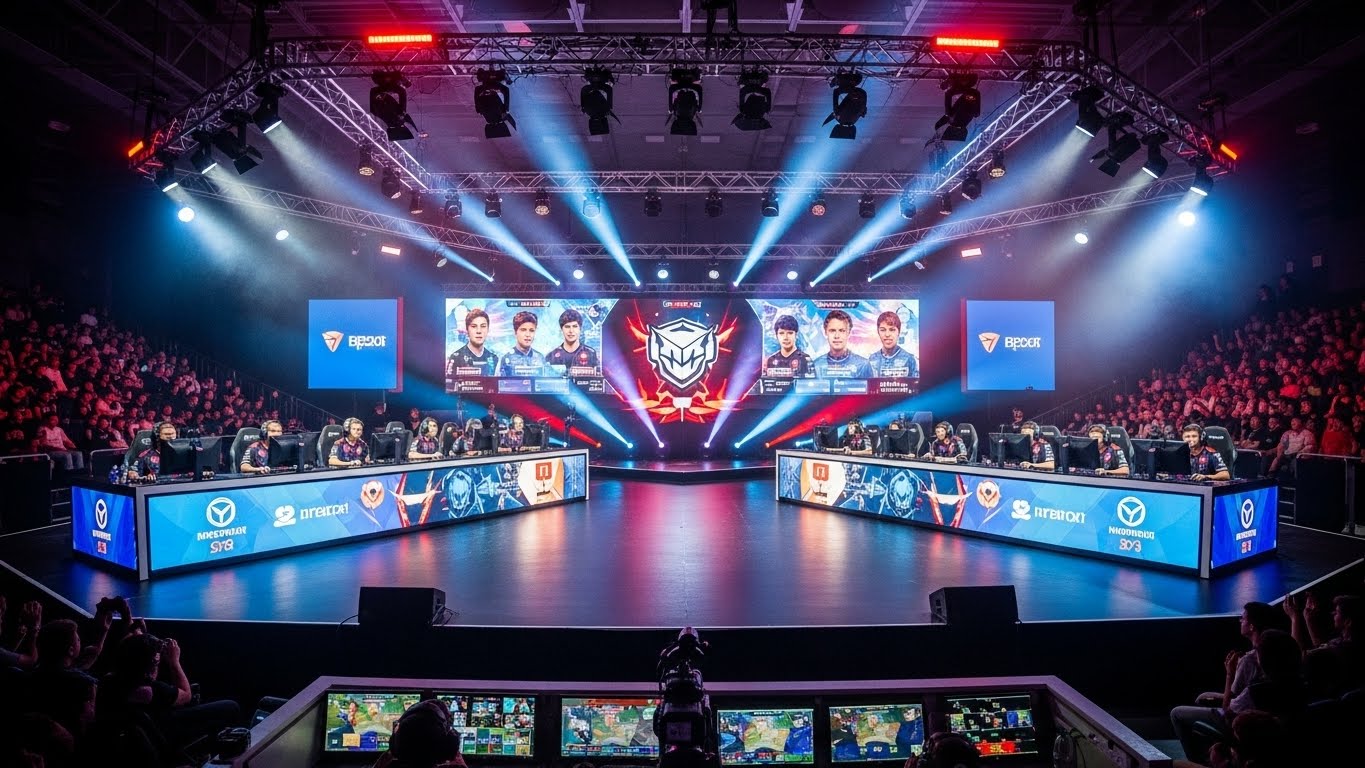
Esports, once a niche hobby confined to bedrooms and internet cafés, has evolved into a global cultural phenomenon. Competitive gaming now fills stadiums, attracts millions of online spectators, and offers professional careers to players, coaches, analysts, and creators. What separates esports from traditional gaming is structure: organized competitions, professional teams, governing bodies, and a passionate fan base that rivals any established sport. This blog explores how esports rose to prominence, why it resonates so deeply with modern audiences, and where it is heading in the years to come.
The Origins of Competitive Gaming
The roots of esports stretch back decades, long before high-speed internet or live streaming platforms existed. Early competitions were informal, often organized by arcade owners or game developers to promote new titles. Players gathered around machines, competing for high scores, recognition, or small prizes. As home consoles and personal computers became more common, local tournaments emerged, laying the groundwork for organized play.
The real turning point came with the spread of online multiplayer gaming. Players could now compete across cities and countries, forming communities that transcended geography. Games designed with competitive balance in mind encouraged ranking systems and ladders, making skill measurable and improvement visible. This combination of accessibility and competition set the stage for esports to grow beyond a hobby.
From Communities to Professional Leagues
As player communities expanded, organization followed. Amateur tournaments evolved into structured leagues with rules, schedules, and prize pools. Teams formed with dedicated roles, practice routines, and strategic planning. Sponsors recognized the potential of a young, engaged audience and began investing in events and players.
Professional leagues brought stability to the ecosystem. Regular seasons, playoffs, and championships created narratives that fans could follow year after year. Rivalries developed, legends were born, and memorable moments became part of esports history. This professionalization legitimized competitive gaming in the eyes of a broader audience, proving that esports demanded discipline, teamwork, and mental resilience.
The Role of Technology and Media
Technology has been central to the rise of esports. Advances in internet infrastructure allowed matches to be broadcast live to global audiences with minimal delay. High-quality production, commentary, and analysis transformed gameplay into a spectator-friendly experience. Viewers could understand strategies, celebrate highlights, and connect with players through interviews and behind-the-scenes content.
Social media amplified this connection. Fans interact directly with players, share opinions, and participate in discussions that shape the culture of esports. Content creators bridge the gap between professionals and casual players, explaining complex strategies in accessible ways. This constant flow of interaction keeps the community active even outside of tournament seasons.
Why Esports Appeals to a New Generation
Esports resonates strongly with younger audiences for several reasons. First, it reflects the digital-native lifestyle of modern generations. Games are not just entertainment; they are social spaces where friendships form and identities develop. Watching top players compete feels relatable because fans often play the same games themselves.
Second, esports offers diversity in genres and experiences. From fast-paced shooters to strategic team-based games and intricate simulations, there is something for every taste. Fans can choose the scenes that align with their interests, creating a personalized sports experience. This flexibility contrasts with traditional sports, which often require geographic or cultural proximity.
Finally, esports challenges traditional ideas of athleticism. While physical fitness matters, success relies heavily on reaction time, decision-making, communication, and emotional control. This broader definition of skill opens the door for more people to see themselves as potential competitors.
The Business of Esports
Behind the excitement lies a complex and rapidly evolving industry. Revenue streams include sponsorships, advertising, media rights, merchandise, and ticket sales. Brands partner with teams and events to reach engaged audiences who value authenticity and creativity. Successful organizations balance competitive success with strong branding and community engagement.
Players are at the center of this economy. Top professionals earn salaries, prize money, and income from personal branding. However, the path is competitive and demanding. Careers can be short, making education, financial planning, and post-retirement opportunities increasingly important topics within the community.
Challenges Facing the Esports Ecosystem
Despite its growth, esports faces significant challenges. Sustainability is a major concern, as rapid expansion can outpace infrastructure and governance. Clear rules, fair contracts, and player welfare standards are essential to maintain trust. Issues such as burnout, mental health, and work-life balance are gaining attention as the industry matures.
Another challenge is inclusivity. While esports is global, barriers related to access, representation, and harassment persist. Creating welcoming environments for players and fans of all backgrounds is crucial for long-term growth. Developers, organizers, and communities share responsibility in addressing these issues.
Esports and Education
An emerging trend is the integration of esports into educational settings. Schools and universities are forming teams, offering scholarships, and developing programs that combine gaming with studies in technology, media, and business. These initiatives recognize the transferable skills esports develops, such as teamwork, strategic thinking, and leadership.
Educational esports also emphasizes healthy habits and responsible play. Structured programs can teach time management, communication, and resilience, countering stereotypes that gaming is isolating or unproductive. As acceptance grows, esports may become a standard extracurricular activity alongside traditional sports and arts.
Cultural Impact Beyond Competition
Esports influences culture beyond the matches themselves. Fashion inspired by gaming aesthetics appears in streetwear and collaborations. Music, art, and storytelling draw from iconic games and moments. Language and memes born in esports communities spread across the internet, shaping digital culture.
Moreover, esports creates shared experiences across borders. Fans from different countries cheer for the same teams, celebrate victories together, and mourn defeats collectively. In a fragmented media landscape, this sense of global connection is powerful and rare.
The Future of Esports
Looking ahead, esports shows no signs of slowing down. Continued technological innovation will enhance how games are played and watched. Virtual and augmented experiences may blur the line between spectator and participant. As governance improves, the industry is likely to become more stable and transparent.
The relationship between esports and traditional sports will also deepen. Cross-investment, shared venues, and hybrid events are already common. Rather than replacing traditional sports, esports expands the definition of competition and entertainment, offering new ways to engage audiences.
Conclusion
Esports has grown from humble beginnings into a cultural powerhouse that reflects the values and habits of a digital age. It combines competition, community, and creativity in ways that resonate with millions worldwide. While challenges remain, the passion driving esports is undeniable. As it continues to evolve, esports will not only entertain but also influence how we understand sport, culture, and connection in the modern world.