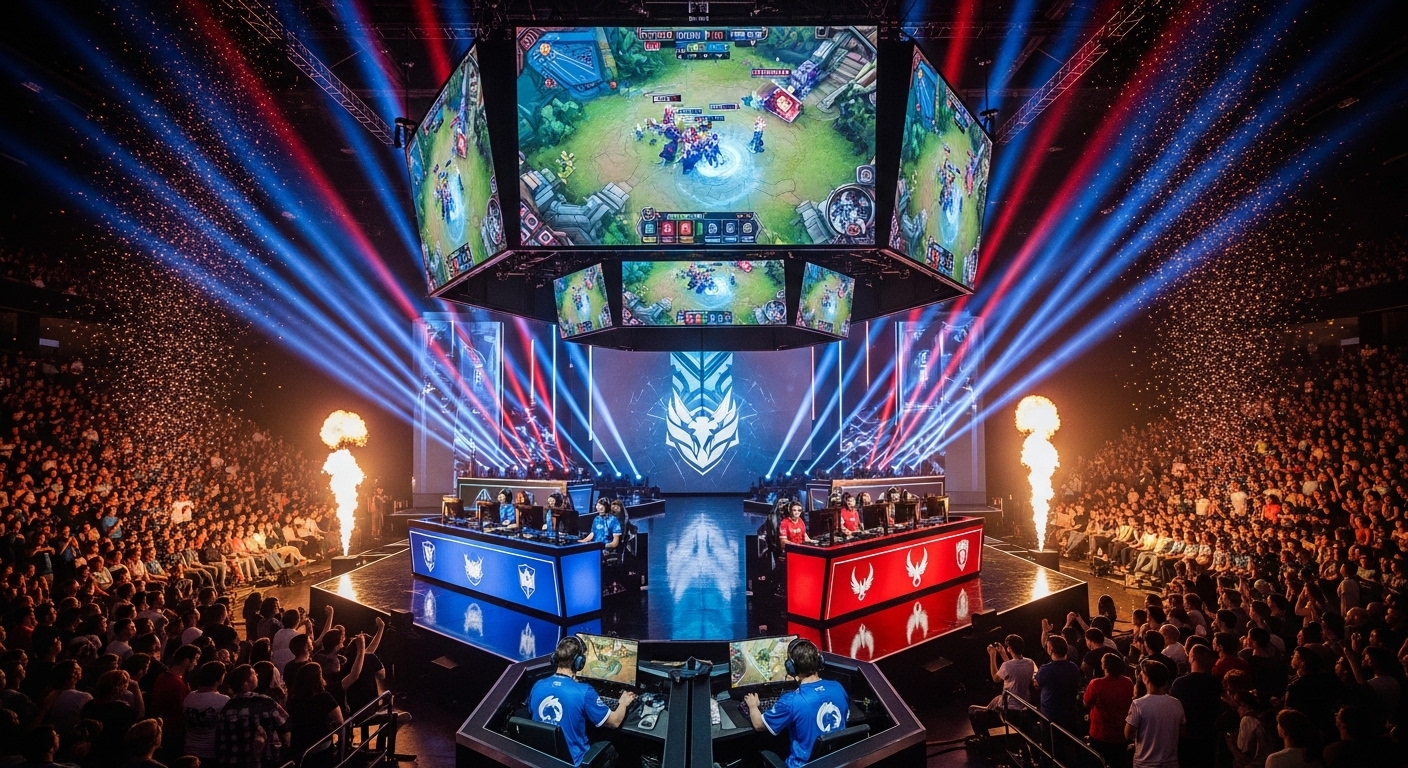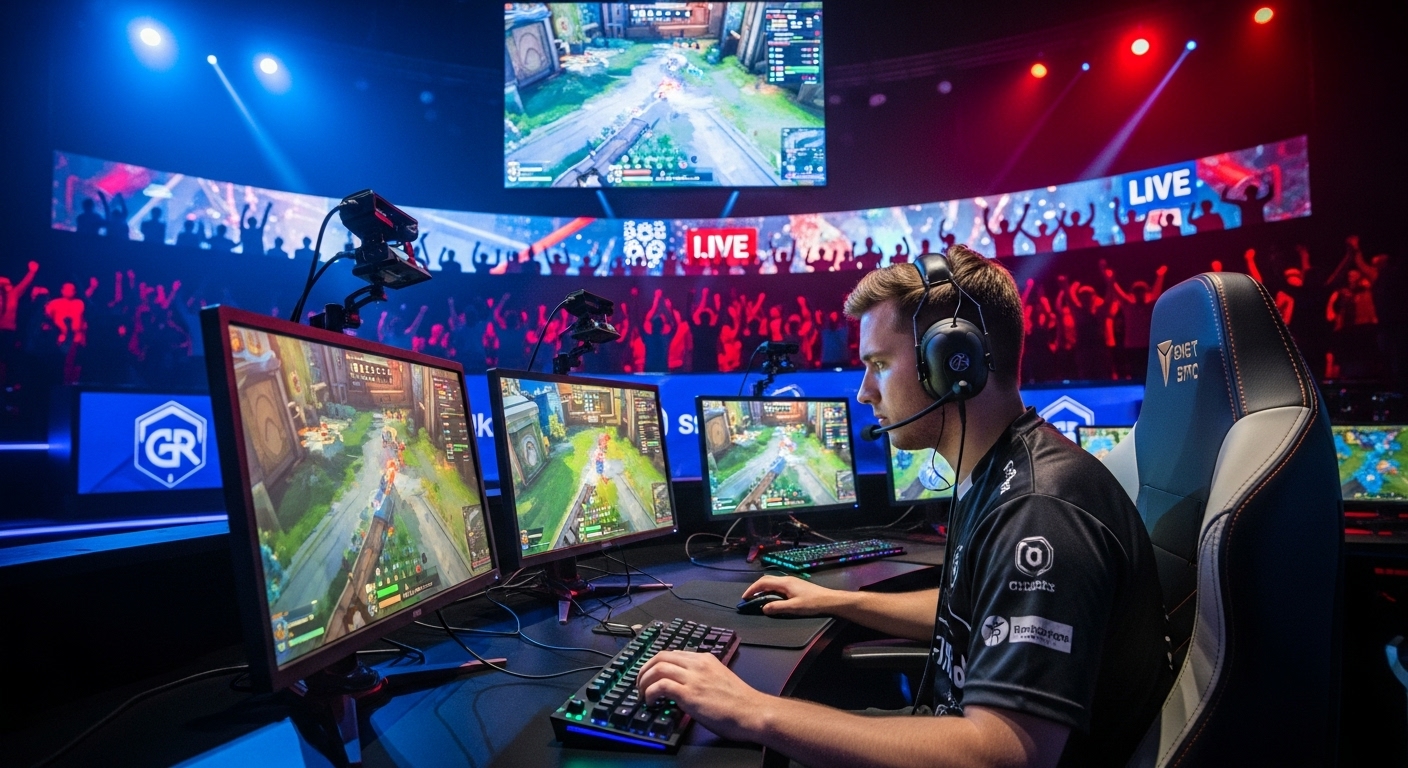
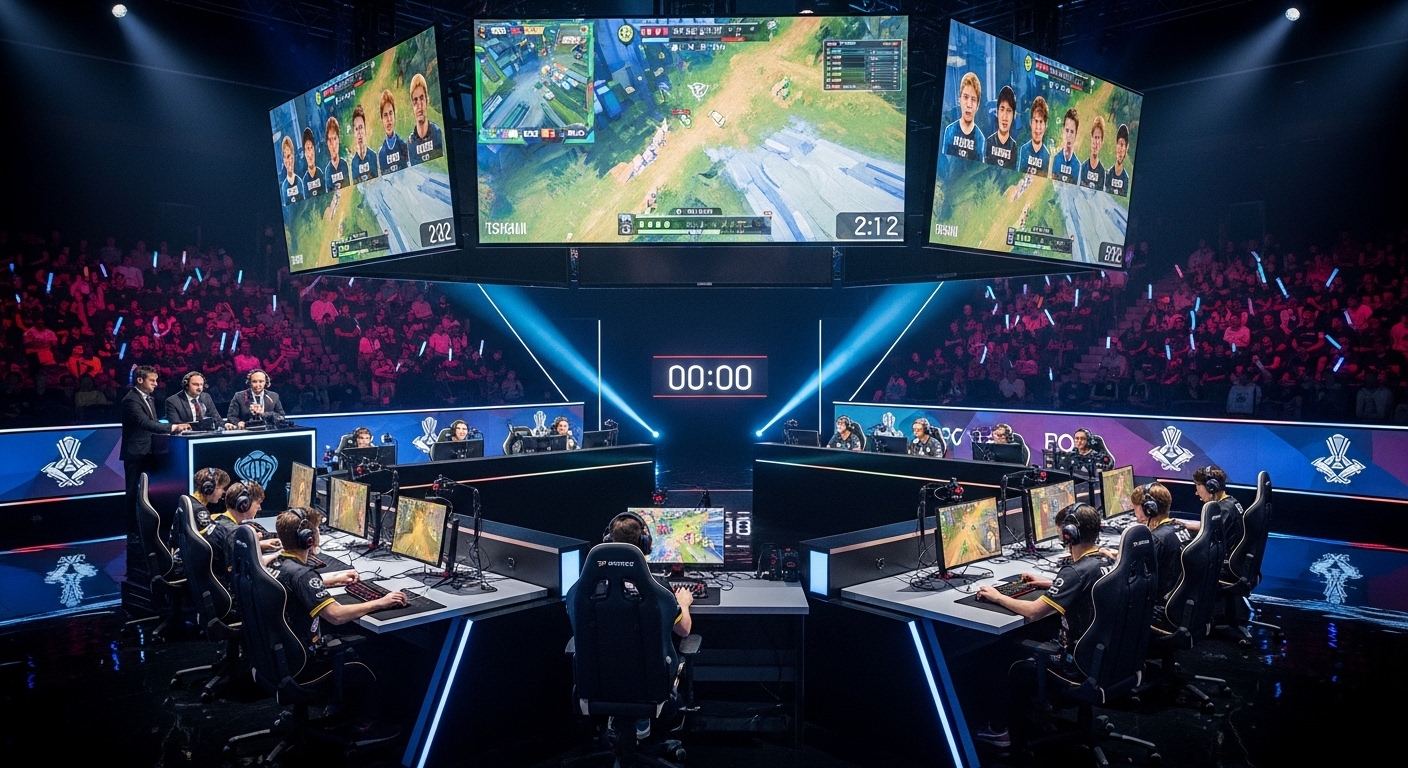
Esports, once a niche subculture of video gaming, has exploded into a global phenomenon over the past few decades. From small tournaments in local arcades to massive international competitions broadcast to millions of viewers, esports has undergone a transformative journey, garnering the attention of mainstream media, corporate sponsors, and a vast, dedicated fanbase. Today, esports is not just a hobby; it’s a multi-billion-dollar industry with professional players, teams, coaches, analysts, broadcasters, and organizers working tirelessly to create a competitive ecosystem that rivals traditional sports. This blog post will explore the evolution of esports, its impact on culture, and its future.
The Beginnings of Esports: A Brief History
The roots of esports can be traced back to the early days of video gaming. Competitive gaming as we know it began in the late 1990s and early 2000s with the rise of internet gaming. In the early 1990s, players could connect with others through local area networks (LAN) and play games like Doom, Quake, and Warcraft. However, it wasn’t until the late 1990s and early 2000s that online gaming became more accessible, thanks to the proliferation of faster internet connections and more advanced game servers.
In 1997, the first major esports tournament, the Red Annihilation tournament, was held for Quake. The event drew a small but dedicated crowd and set the stage for future competitive gaming. However, it was the launch of StarCraft in 1998 that truly paved the way for esports as we know it today, particularly in South Korea.
In South Korea, StarCraft quickly became a national pastime, with players earning professional status and competing in tournaments broadcast on television. The country became a hotbed for esports, and this early success created a blueprint for how esports would evolve globally. The Korean success in esports created a model where gaming wasn’t just for leisure; it became a career path for a select few who could master the art of competition.
The Rise of Esports in the 2000s
The 2000s marked a period of rapid growth for esports. Key tournaments like the World Cyber Games (WCG), Electronic Sports World Cup (ESWC), and Major League Gaming (MLG) became staples in the competitive gaming calendar. These tournaments showcased popular games like Warcraft III, Counter-Strike, Quake III Arena, and StarCraft—games that required a mix of strategy, skill, and teamwork.
One of the major breakthroughs during this time was the increasing involvement of corporate sponsors. Companies such as Intel, Samsung, and Nvidia recognized the potential of esports and began to support major tournaments. These partnerships helped boost prize pools, enhance production values, and provide professional players with the resources they needed to compete at the highest levels. Sponsorships from non-endemic companies, such as Coca-Cola and Red Bull, also played a significant role in elevating esports into the mainstream.
During the early 2000s, the concept of “streaming” was also introduced. Platforms like Twitch (launched in 2011) allowed players to broadcast their gameplay to a global audience. This changed the dynamic of esports, as it allowed players to not only compete in tournaments but also build personal brands, interact with fans, and make a living through sponsorships and donations.
The Mainstreaming of Esports
By the 2010s, esports had firmly planted itself in the mainstream. With the rise of platforms like Twitch, YouTube Gaming, and Facebook Gaming, competitive gaming was no longer confined to tournament halls and LAN parties. These platforms allowed esports events to reach millions of viewers worldwide. Esports was no longer just a niche interest—it became a global entertainment industry.
One of the key games that helped solidify esports’ mainstream status was League of Legends (LoL). Developed by Riot Games and released in 2009, LoL quickly became the dominant game in the esports scene. Its competitive scene, supported by the League of Legends World Championship, grew exponentially, drawing millions of viewers each year. The game also helped establish the idea of esports leagues, where teams of professional players competed in structured seasons with regular broadcasts. LoL’s success inspired other games to follow suit, including Dota 2, Counter-Strike: Global Offensive, Overwatch, and Fortnite.
Another major shift in esports during the 2010s was the involvement of traditional sports organizations. Teams like Fnatic and Cloud9 began partnering with traditional sports clubs, and esports players started receiving professional treatment similar to athletes in traditional sports. In 2016, for example, The Philadelphia 76ers bought the Dignitas esports team, marking one of the first major professional sports teams to invest in esports. Other sports organizations, including Dallas Cowboys and Paris Saint-Germain, followed suit in the years that followed.
The increase in viewership and sponsorships created an ecosystem where players, coaches, analysts, and broadcasters all began to be recognized as professionals in their own right. Esports was no longer a hobby for a select few but a full-fledged industry that attracted millions of fans worldwide.
Esports Culture and Community
One of the unique aspects of esports is its vibrant, passionate community. Competitive gaming brings together people from all walks of life—players, fans, coaches, analysts, commentators, and content creators—who share a love for the games they watch and play. This sense of community has fueled the growth of esports, with fans attending live events, participating in online discussions, and supporting their favorite teams and players.
The role of fans in esports cannot be understated. They are often the lifeblood of the industry, driving viewership, social media buzz, and team sponsorships. Fans in esports communities are often vocal about their favorite teams and players, discussing strategies, performances, and the latest tournaments on social media platforms, forums, and live streams. Fans also have the opportunity to interact with players directly, often through live streams or social media, which fosters a deeper connection between the two.
Another important aspect of esports culture is its global nature. While esports started in specific regions, it has now become a truly international sport. Teams and players come from all corners of the globe, and fans can watch competitions in their native languages. For example, League of Legends tournaments are broadcast in multiple languages, and games like Dota 2 have international events that feature teams from countries like the United States, China, South Korea, and Europe.
The Business Side of Esports
Esports has evolved into a multi-billion-dollar industry with a complex ecosystem that includes teams, sponsors, game developers, broadcasters, and media companies. The business side of esports is a crucial element of its success, as it enables professional players and organizations to thrive and continue to grow.
Sponsorships and Advertising
One of the largest sources of revenue for esports comes from sponsorships and advertising. Companies, both within and outside the gaming industry, are increasingly recognizing the value of associating their brands with esports. Companies like Intel, Coca-Cola, and Red Bull have been long-time sponsors of esports tournaments, while gaming hardware companies like Logitech and Razer have been involved in providing equipment for players and teams. This influx of sponsorships has helped elevate the production value of tournaments, allowing for larger prize pools, better broadcast quality, and enhanced fan experiences.
Media Rights
Media rights are another critical revenue stream in the esports business. As more people turn to streaming platforms like Twitch, YouTube, and Facebook Gaming, the value of exclusive broadcast rights has skyrocketed. Major tournaments and leagues often sign deals with streaming platforms, allowing them to broadcast events to global audiences. This has helped make esports more accessible to fans around the world.
Merchandising and Licensing
Another growing aspect of the esports business is merchandising. Teams now sell branded jerseys, clothing, and other merchandise, which are a significant revenue stream. These items allow fans to show their support for their favorite teams and players while also contributing to the financial success of the esports ecosystem.
Esports and Traditional Sports
Esports and traditional sports have often been compared, particularly in the context of the level of competition, the athletes involved, and the size of the audience. While esports may not yet match the global reach of traditional sports like football or basketball, it is closing the gap. In many ways, esports offers a unique alternative to traditional sports, appealing to younger, tech-savvy audiences who may not be as engaged with traditional athletic competitions.
The rise of esports has also led to debates about whether gaming should be considered a legitimate “sport.” While some argue that it requires similar skill sets—such as hand-eye coordination, strategic thinking, and teamwork—others are skeptical. Regardless of these debates, esports has undeniably carved out a place in the broader sporting landscape and has earned the respect of athletes, sponsors, and media outlets worldwide.
The Future of Esports
Looking ahead, the future of esports seems incredibly bright. With new technology like virtual reality (VR) and augmented reality (AR), the experience of esports competitions will only continue to improve. VR has the potential to revolutionize the way fans interact with their favorite esports teams, providing an immersive experience that was previously impossible.
In addition to technological advancements, the global reach of esports is expected to continue expanding. As more countries invest in esports infrastructure and education, new players, teams, and fans will emerge, further fueling the growth of the industry.
Esports is also expected to become even more integrated into mainstream culture. Universities and high schools are already offering esports scholarships and building dedicated esports arenas, while traditional sports teams continue to invest in esports leagues. As esports becomes more mainstream, it is likely that we will see even more collaborations between traditional sports organizations and gaming companies, as well as more crossovers between esports and entertainment industries such as music and film.
Conclusion
Esports has evolved from humble beginnings into a global phenomenon. The competitive gaming scene has grown rapidly over the past few decades, and its cultural impact cannot be understated. Today, esports is a multi-billion-dollar industry that continues to expand, offering players, fans, and sponsors new opportunities. As technology advances and the industry continues to mature, it’s clear that esports is here to stay and will continue to shape the future of entertainment and competition for years to come.