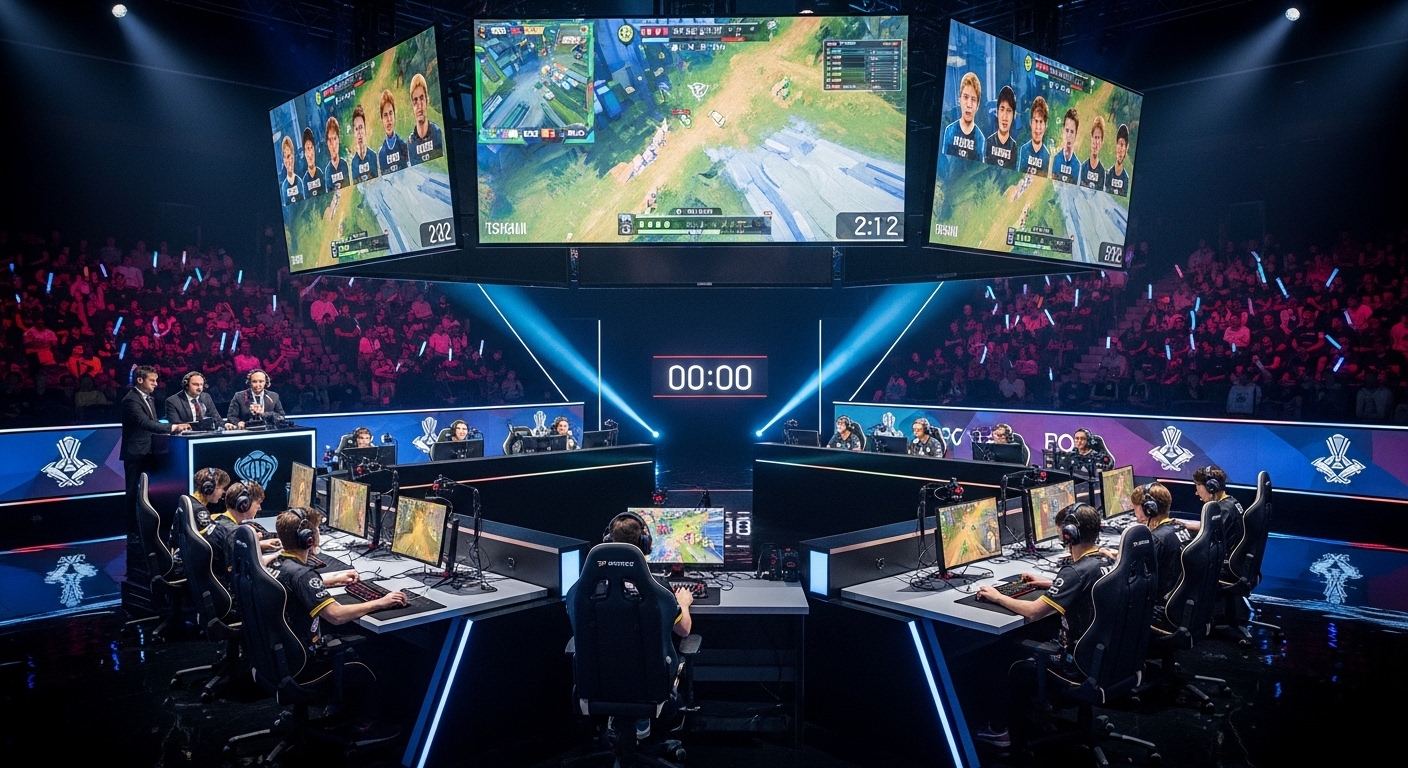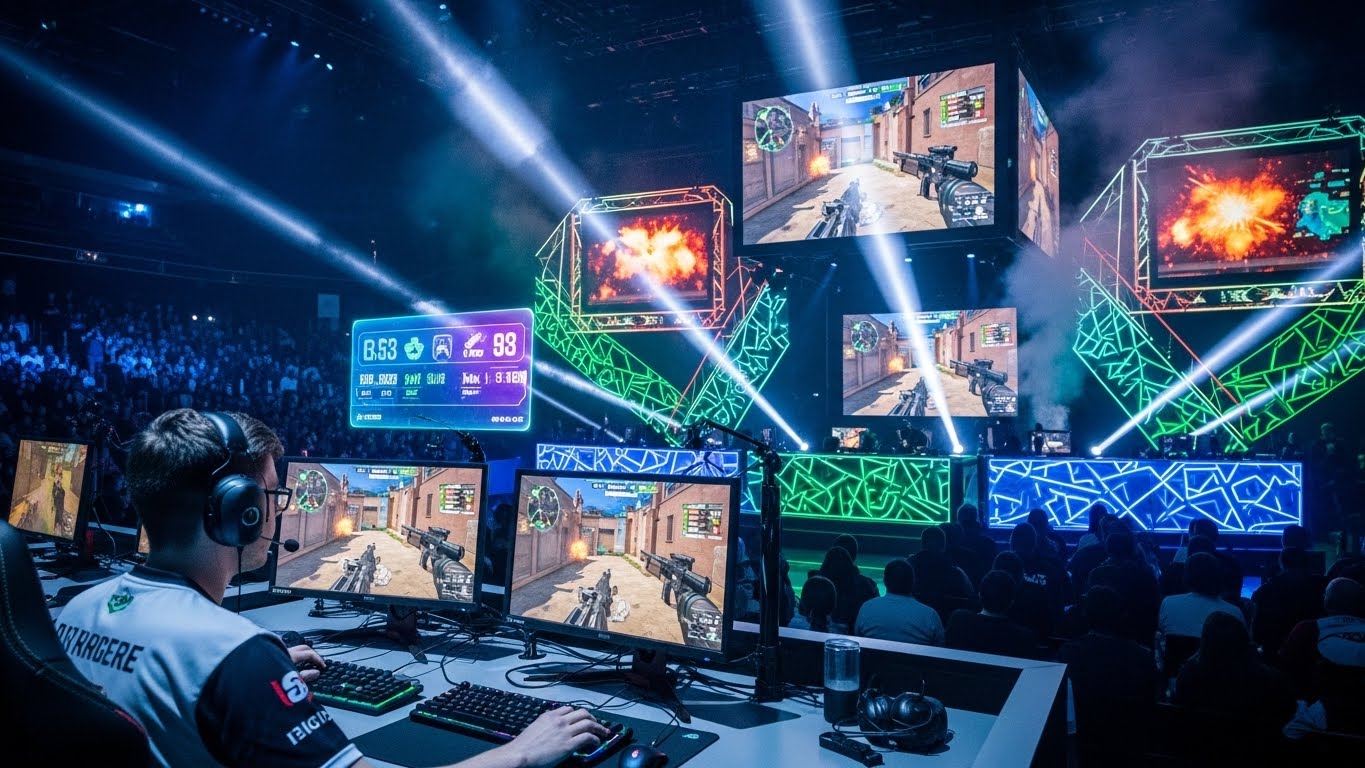
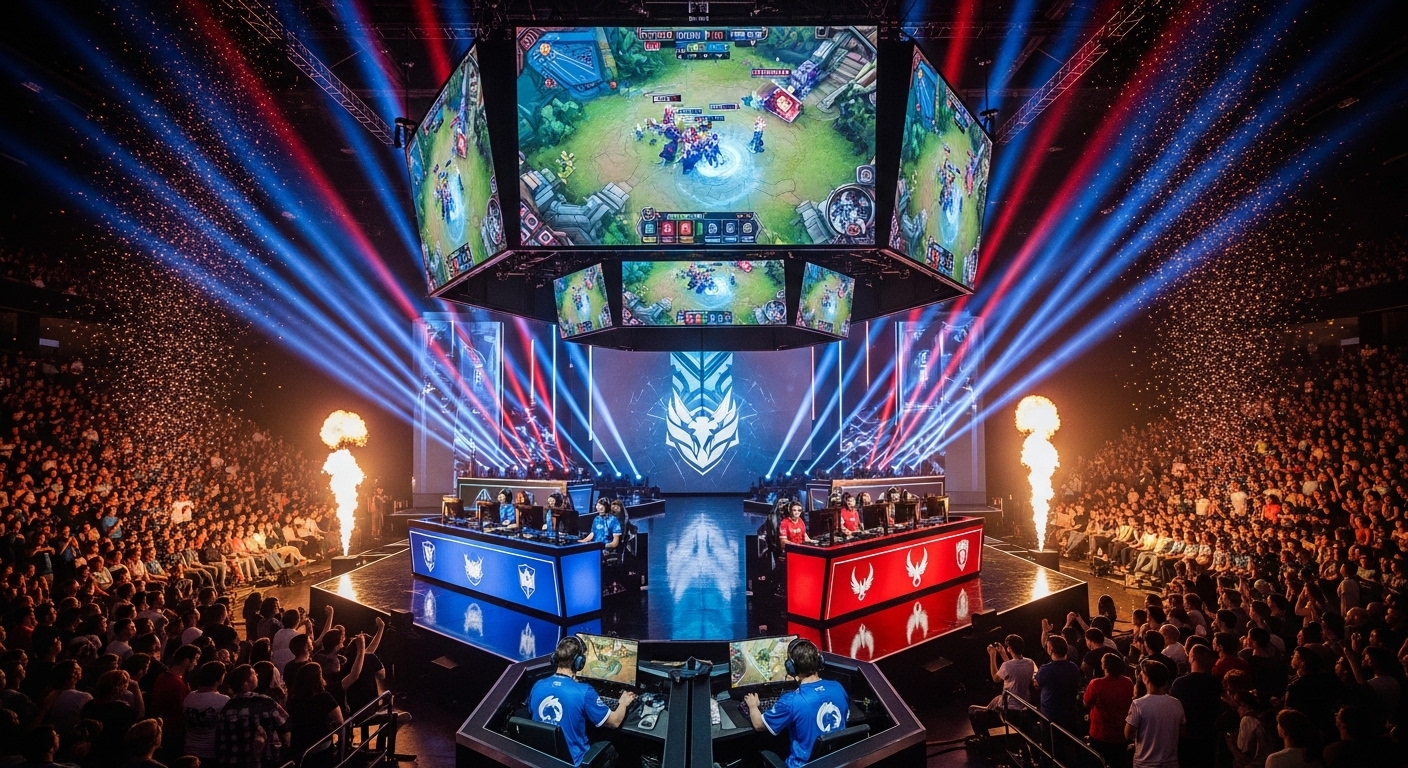
The world of esports has grown far beyond what anyone could have imagined just a decade ago. What once began as small-scale tournaments among friends has evolved into a global industry worth billions, influencing technology, entertainment, education, and even traditional sports. While the primary focus of esports is often competition and entertainment, there is another dimension to it that is equally powerful yet often overlooked—its ability to cultivate leadership and teamwork. Esports players, whether part of a professional team or a casual group, learn essential life skills that mirror real-world challenges. Among the most valuable of these are leadership and teamwork, which are at the heart of success not only in gaming but also in professional and personal life.
The Foundation of Team-Based Esports
Many esports titles are built around team coordination. Games like League of Legends, Dota 2, Counter-Strike, Valorant, and Overwatch all require players to work together toward a shared objective. Every player has a unique role, and success depends on how well each member executes their responsibilities while supporting their teammates. In these environments, leadership emerges naturally. Someone has to make the calls, organize strategies, and ensure communication stays clear.
These competitive setups mirror real-world organizational structures. There are leaders, strategists, communicators, and specialists—all functioning as a unit under pressure. This team-oriented design teaches players the importance of collaboration, accountability, and the balance between individual skill and collective effort.
Leadership in Esports: Taking Charge in High-Stress Situations
Leadership in esports is not about giving orders; it’s about guiding a team through fast-paced and unpredictable situations. In competitive gaming, decisions must be made within seconds, and one mistake can shift the outcome of a match. A good leader in this environment must possess calmness under pressure, adaptability, and the ability to motivate others even after setbacks.
For example, an in-game leader in a Counter-Strike team not only directs strategies but also reads the flow of the match, studies the opponents’ tactics, and adjusts accordingly. This ability to lead in real-time fosters critical thinking and situational awareness. Such leaders learn to analyze data, predict outcomes, and make quick, confident decisions—skills that directly translate into real-world leadership roles, whether in business, education, or community management.
The Role of Communication in Team Success
One of the cornerstones of both leadership and teamwork in esports is communication. Players constantly exchange information about enemy positions, resources, and tactics. This constant flow of information must be precise and concise, as there is no time for misunderstandings. Over time, players learn to communicate effectively under stress, using short, meaningful phrases and maintaining focus.
This communication skill extends beyond gaming. In professional environments, clear communication can determine the success of a project or team. Esports helps individuals refine their verbal and nonverbal communication, making them better collaborators in any setting. Leaders within esports learn how to encourage input, resolve disputes, and ensure everyone is aligned with the team’s objective—core principles of effective leadership.
Trust and Dependence: The Core of Teamwork
No esports team can win if its members do not trust each other. Each player has a specific role to play, whether it’s defending, attacking, or supporting. Success depends on everyone performing their duties effectively and trusting that others will do the same. This interdependence nurtures accountability and reliability, teaching players the importance of trusting their peers and being trustworthy themselves.
In games like Dota 2, for example, one poor decision by a single player can jeopardize the entire team’s strategy. This teaches individuals to take responsibility for their actions and understand how their performance affects the collective outcome. Over time, players internalize this sense of responsibility and learn to operate as dependable teammates both in and outside the virtual arena.
Problem-Solving and Critical Thinking Under Pressure
Esports environments are inherently dynamic. Strategies that worked in one round may fail in the next. Teams are constantly adapting, learning from mistakes, and finding creative solutions to new challenges. This fosters problem-solving and critical thinking abilities. Players must evaluate information, assess risks, and make quick judgments while maintaining team cohesion.
Leaders, in particular, develop the ability to stay composed under pressure. They learn to guide their team through adversity, turning setbacks into learning experiences. This mindset of resilience and adaptability is essential not only in gaming but in every professional and personal setting where challenges are inevitable.
Conflict Resolution and Emotional Intelligence
Just like in traditional workplaces, disagreements and conflicts are inevitable in esports. Players may disagree on strategies, feel frustrated with performance issues, or face emotional strain after losses. Effective leaders learn to manage these situations by understanding the emotions of their teammates, addressing conflicts early, and fostering an environment of respect.
Through constant exposure to high-stakes environments, esports participants develop emotional intelligence—understanding their own emotions and those of others. They learn how to calm tensions, motivate their peers, and keep morale high even when things go wrong. This ability to navigate emotional challenges is one of the most valuable leadership skills one can gain from esports.
The Importance of Strategy and Planning
Strategic thinking is at the heart of esports. Teams spend hours analyzing their opponents, practicing plays, and developing new strategies. This planning process involves leadership, coordination, and trust among team members. Leaders in esports often function like coaches or project managers, guiding their teams through training schedules, analyzing gameplay footage, and setting performance goals.
Through this process, players learn to approach challenges strategically rather than impulsively. They gain experience in goal-setting, progress tracking, and iterative improvement—all critical skills for effective leadership and teamwork in any field.
The Evolution of Leadership Roles in Esports Organizations
Beyond the game itself, esports organizations mirror corporate structures. There are team captains, coaches, analysts, managers, and executives—all working toward a shared vision. Within these structures, leadership is not confined to a single role. Team captains lead in-game; coaches lead training and development; managers handle logistics and morale. Each type of leadership contributes to the overall success of the organization.
This layered leadership approach teaches the importance of adaptability. A good leader knows when to take charge, when to delegate, and when to listen. Esports teams that thrive often do so because their leaders understand how to balance authority with collaboration—a principle that applies equally to startups, classrooms, and community projects.
The Role of Mentorship in Developing Leaders
Mentorship is another powerful aspect of leadership development in esports. Experienced players often take younger or less experienced teammates under their wing, guiding them through tactics, discipline, and mindset. This dynamic mirrors professional mentorship programs in the workplace.
Mentoring others not only strengthens the mentee’s skills but also deepens the mentor’s understanding of leadership. It requires patience, empathy, and effective communication. By teaching others, esports leaders refine their ability to manage people, foster growth, and build positive team cultures.
The Connection Between Individual Performance and Team Success
Leadership in esports is not about being the best individual player—it’s about making the team better. Great leaders understand that success depends on the synergy between all members. This encourages humility, collaboration, and a focus on collective achievement rather than personal glory.
Players learn that even if they excel individually, they cannot win without teamwork. This understanding builds humility and appreciation for every role in a team, from star players to support members. It mirrors professional life, where leaders must balance their own responsibilities with the success of the group.
How Esports Builds Resilience and Motivation
Competitive gaming can be mentally demanding. Players face losses, criticism, and burnout. Yet, through perseverance, they develop resilience and emotional strength. Leaders in esports often set the tone for how a team reacts to failure. Instead of assigning blame, effective leaders focus on improvement and motivation.
This resilience is vital for success in any area of life. Learning how to bounce back after defeat, maintain motivation, and keep a positive outlook under pressure are invaluable lessons that esports teaches in abundance.
Esports and the Psychology of Team Dynamics
Team dynamics in esports closely resemble those found in corporate and athletic settings. Factors such as trust, communication, leadership, and shared vision determine whether a team succeeds or fails. In studying team psychology, esports provides a living laboratory for understanding how people collaborate under stress.
Players learn about roles and responsibilities, the importance of feedback, and the power of shared goals. Leaders, in particular, discover how to motivate individuals with different personalities and play styles. This understanding of team psychology helps players grow not only as competitors but as professionals capable of thriving in group environments.
The Broader Impact on Education and Career Development
As esports continues to integrate into education systems worldwide, its role in teaching leadership and teamwork is becoming more recognized. Schools and universities are establishing esports programs that focus not only on gaming skills but also on character development. Students who participate in these programs often report improved communication skills, better problem-solving abilities, and a stronger sense of teamwork.
Moreover, the lessons learned through esports—strategic thinking, adaptability, and leadership—are directly applicable to many careers. Whether in business management, technology, or creative industries, the skills honed in esports prepare individuals for leadership roles in the real world.
Real-Life Applications of Esports Leadership
The parallels between esports leadership and real-world leadership are striking. Both involve managing time, people, and resources effectively. Both require the ability to make quick, informed decisions and to motivate others toward a shared goal.
A player who has led a team through intense tournaments learns valuable lessons about organization, discipline, and perseverance. These qualities can be transferred to leading projects, managing teams, or running businesses. The adaptability, empathy, and vision that esports cultivate are precisely the qualities that define successful leaders in any industry.
The Future of Leadership Development in Esports
As the esports industry matures, leadership and teamwork development will become even more central. Teams and organizations are already investing in leadership training, sports psychology, and mentorship programs to strengthen their rosters. Esports is evolving into a platform that not only entertains but educates and empowers.
In the future, esports may be viewed not just as a competitive field but as a powerful training ground for future leaders. The lessons learned through virtual battles—about communication, trust, and shared success—will continue to shape the leaders of tomorrow.
Conclusion: The Power of Esports Beyond the Screen
Esports is far more than a digital competition. It is a stage where leadership, teamwork, and human potential are tested and refined. Every match, every strategy, and every collaboration contributes to the development of essential life skills. Players learn how to lead, how to follow, how to communicate, and how to thrive under pressure.