
Introduction
The events industry has undergone a massive transformation in the past few years. What once revolved around physical venues, bustling crowds, and face-to-face networking has now expanded into a realm where virtual participation plays an equally important role. The rise of hybrid events — gatherings that blend in-person and digital attendance — has reshaped not only how people experience events but also who gets to attend them.
From esports tournaments and gaming expos to tech conferences and business summits, hybrid models have opened the doors to a global audience. This shift has not only increased accessibility but also changed how organizers think about engagement, inclusivity, and audience retention.
In this blog, we’ll explore in detail how hybrid events have changed attendance patterns, what benefits they offer, what challenges they pose, and how this new model is redefining the future of events across industries.
What Are Hybrid Events?
Before diving into their impact on attendance, it’s important to understand what hybrid events actually are.
A hybrid event combines both physical attendance and virtual participation. This means that while some attendees experience the event live at the venue, others can join remotely through digital platforms — watching live streams, engaging in chats, participating in polls, or even networking through virtual rooms.
This format bridges the gap between traditional in-person events and fully online ones, offering flexibility for both organizers and participants. Hybrid events became especially popular during the pandemic, but even after restrictions eased, many organizations realized the advantages of maintaining this blended structure.
The Evolution of Event Attendance
For decades, event attendance depended on geography, finances, and logistics. People had to travel, book accommodations, and dedicate time to attend in person. This limited access to those who could afford it or lived nearby.
The digital revolution changed that dynamic. Virtual events emerged as a solution, allowing global participation without travel costs. However, they lacked the human connection and excitement of being there in person.
Hybrid events merge the best of both worlds. They maintain the energy and networking potential of live experiences while embracing the convenience and accessibility of online formats. The result? A dramatic shift in how people attend, interact, and engage with events.
Expanding Accessibility and Reach
One of the most significant changes hybrid events bring to attendance is accessibility.
Breaking Geographic Barriers
In-person events were once limited to local or regional audiences. Now, thanks to hybrid formats, people from any corner of the world can attend without worrying about visas, flight costs, or hotel availability. A fan from South America can easily join an esports tournament in Europe through a virtual stream, interacting with the same content as on-site attendees.
Cost-Effective Participation
Travel and accommodation expenses can be a major barrier for students, emerging professionals, and fans. Hybrid events eliminate that obstacle, enabling participation from a wider economic range. This inclusivity increases overall attendance numbers and diversifies the audience.
Accessibility for People with Disabilities
Virtual participation also empowers individuals who may find physical attendance challenging due to health or mobility issues. With online access, they can still enjoy, learn, and connect without barriers.
The Psychological Impact on Attendance
Hybrid events have also changed the psychology of attending. People no longer have to commit to full physical attendance to feel involved. The flexibility of joining virtually reduces hesitation and makes it easier to decide to participate.
This flexibility is especially appealing for introverted attendees or first-timers who might feel overwhelmed by large gatherings. Hybrid options allow them to engage at their own comfort level, often encouraging them to eventually attend in person later.
Furthermore, the “fear of missing out” (FOMO) that drives attendance now operates in both directions. Physical attendees don’t want to miss exclusive online sessions, and virtual participants don’t want to miss live activities. This interplay increases overall engagement across both mediums.
Changing Demographics of Attendees
The shift to hybrid models has also diversified who attends events.
Younger Audiences
Younger generations — particularly millennials and Gen Z — are more tech-savvy and comfortable with online engagement. Hybrid setups align with their lifestyles, allowing them to multitask and manage their time more efficiently while still attending key sessions or tournaments.
Global Audiences
Hybrid events remove cultural and geographical limitations, introducing global diversity into events that were once regionally focused. Esports tournaments, for example, now attract audiences from dozens of countries simultaneously, enriching community interaction.
Corporate and Casual Mix
Hybrid events also encourage participation from both professional and casual audiences. For instance, a corporate team might attend online for learning, while fans join for entertainment. The overlapping interests create more dynamic, multi-layered event communities.
How Hybrid Events Increase Total Attendance
Contrary to early fears that virtual participation would reduce physical attendance, hybrid events have generally increased total audience numbers.
Dual Attendance Streams
By offering both in-person and online options, hybrid events tap into two separate audiences simultaneously. Even if physical attendance caps at venue capacity, virtual participation can expand infinitely, allowing events to scale without limitation.
Greater Marketing Reach
The hybrid model enhances visibility and reach. Livestreams, recorded sessions, and online discussions create continuous engagement before, during, and after the event. This not only attracts more attendees but also strengthens event branding and longevity.
Flexible Time Zones
Because many hybrid events offer replays or on-demand sessions, time zones no longer restrict attendance. A participant in Japan can view a keynote held in New York at their convenience, contributing to sustained global engagement.
The Role of Technology in Hybrid Attendance
Technology lies at the heart of the hybrid revolution. Without reliable platforms and digital tools, hybrid events wouldn’t be possible.
Streaming and Interactivity
High-quality streaming platforms allow real-time broadcasting of panels, competitions, and showcases. Chat features, emojis, polls, and interactive overlays create two-way communication, giving virtual attendees a sense of participation.
Virtual Networking Tools
Many hybrid events now include virtual networking lounges or matchmaking systems that connect attendees based on shared interests. This feature encourages meaningful connections that extend beyond physical walls.
Data and Analytics
Digital platforms provide valuable insights into viewer behavior — from attendance rates and engagement duration to preferred topics. Organizers use this data to improve future events and tailor experiences for both audiences.
Challenges of Hybrid Attendance
Despite its benefits, hybrid attendance presents challenges that organizers must address to maintain a balanced experience.
Engagement Disparity
In-person attendees often have access to spontaneous networking, while virtual participants may feel detached. To maintain fairness, organizers must ensure that remote attendees receive equal opportunities to interact, ask questions, and access exclusive content.
Technical Barriers
Not everyone has high-speed internet or familiarity with event platforms. Poor streaming quality or complicated interfaces can discourage virtual participation. Ensuring seamless user experience is crucial to sustaining hybrid attendance.
Event Fatigue
With the rise of online participation, “screen fatigue” has become a real concern. Attendees who spend hours watching live streams may lose interest faster than those physically present. Balancing session length, interactivity, and breaks can help mitigate this.
Hybrid Events and Esports Attendance
The esports industry provides one of the clearest examples of how hybrid events revolutionize attendance.
Expanding Fan Bases
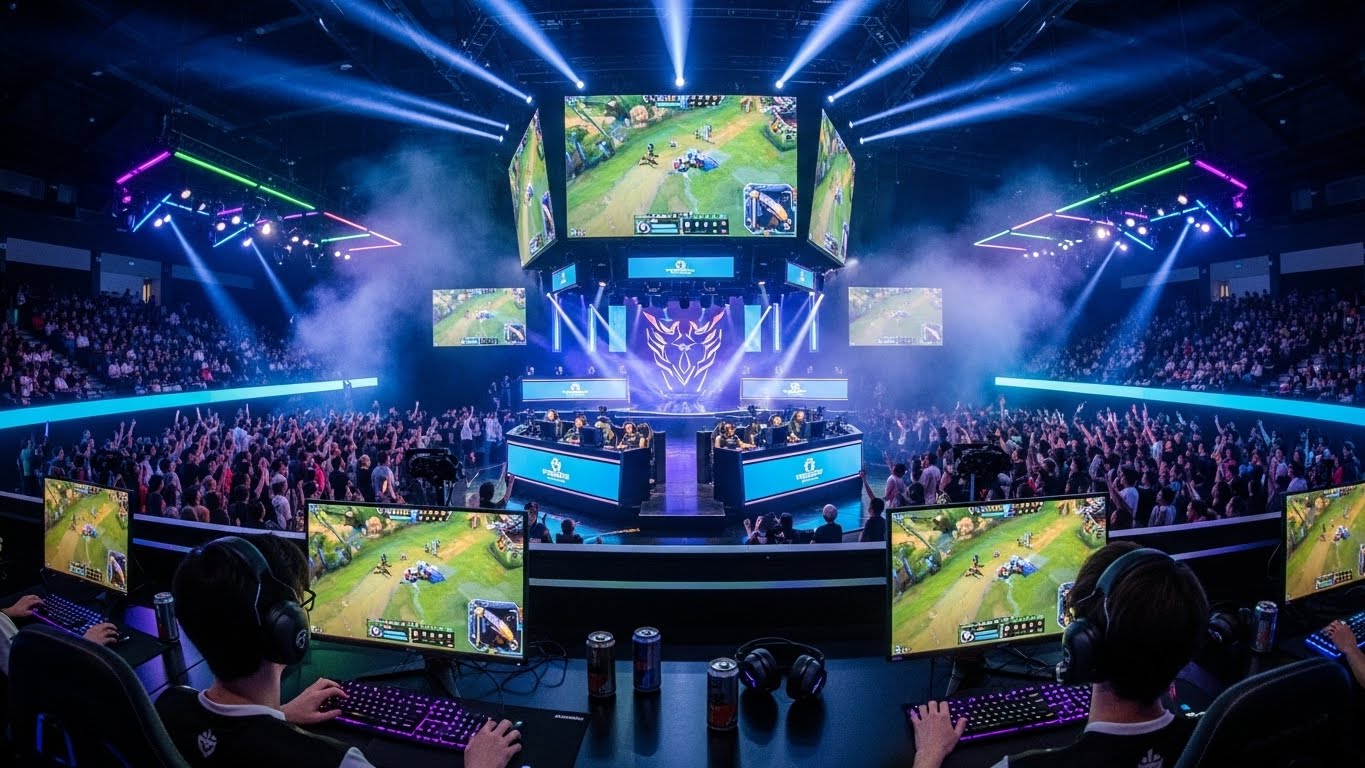
Esports tournaments that once filled arenas now reach millions more online. Fans who can’t travel to major venues like Seoul or Los Angeles still enjoy the same live matches, commentary, and player interviews from their homes.
Real-Time Global Engagement
Hybrid esports events often feature live chats, fan polls, and even digital merchandise sales. This interactivity keeps online audiences engaged while enhancing revenue streams for organizers.
Bridging Casual and Hardcore Fans
The hybrid model appeals to both casual viewers and dedicated fans. Casual fans can tune in for select matches or highlights, while hardcore followers can attend physically to experience the thrill of being in the crowd.
How Hybrid Events Influence Revenue Models
Attendance isn’t the only thing that changes — revenue streams evolve too.
Tiered Ticketing Systems
Hybrid formats enable flexible pricing: premium passes for in-person access, standard passes for online streaming, and free options for limited digital participation. This multi-tiered approach widens the audience while maximizing profit.
Sponsorship Opportunities
More attendees mean broader exposure for sponsors. Brands now benefit from both live venue visibility and digital impressions across streaming platforms, making hybrid events more lucrative for partnerships.
Extended Event Lifecycles
Recorded sessions and post-event content keep audiences engaged long after the event concludes, creating continuous marketing opportunities and recurring viewership.
The Social Dimension of Hybrid Attendance
Events are more than content — they’re about connection. Hybrid events change how people socialize and build relationships.
Online Communities
Virtual attendees often form online communities around event hashtags, chat groups, or social media platforms. These communities continue to thrive even after the event ends, reinforcing loyalty.
Networking Redefined
For professionals, hybrid events have made networking more accessible. Virtual meeting tools allow one-on-one interactions, scheduled chats, and global business exchanges that once required expensive travel.
Inclusion and Diversity
By removing physical and economic barriers, hybrid attendance promotes inclusivity. Voices from underrepresented regions or communities now have platforms to participate and be heard.
Sustainability and Environmental Impact
Another underrated advantage of hybrid attendance is sustainability.
Reducing the need for large-scale travel significantly cuts carbon emissions, venue waste, and resource consumption. Many organizations embrace hybrid formats as part of their environmental responsibility.
Hybrid events also allow for smarter resource allocation — smaller venues, less printed material, and lower logistical costs — all while increasing overall attendance numbers.
The Future of Hybrid Attendance
The hybrid model isn’t just a passing trend; it’s a long-term shift shaping the future of events.
Smart Event Technology
Artificial intelligence, virtual reality, and augmented reality will make hybrid participation more immersive. Imagine attending an esports tournament through VR goggles, feeling the energy of the crowd from your living room.
Personalization
Future hybrid events will rely heavily on data analytics to personalize experiences — recommending sessions, networking matches, and tailored content based on attendee preferences.
Permanent Hybrid Models
Even when in-person attendance returns to full scale, hybrid accessibility will remain essential. Organizers now recognize that excluding online audiences means losing engagement and growth potential.
Conclusion
Hybrid events have fundamentally changed what it means to attend. They’ve expanded audiences from local to global, democratized access to information and entertainment, and blurred the boundaries between physical and virtual participation.
By offering flexibility, inclusivity, and convenience, hybrid events have redefined success metrics for organizers — it’s no longer just about how many people fill the seats, but how many engage meaningfully across platforms.
Challenges like engagement gaps and technical hurdles remain, but the overall impact is transformative. Hybrid events have proven that connection doesn’t depend on proximity — it depends on creativity, accessibility, and shared enthusiasm.
As technology continues to evolve, the line between physical and virtual will fade even more. The future of attendance is not about choosing one or the other; it’s about combining both to create experiences that are broader, deeper, and more human than ever before.