Introduction: The New Era of Competitive Play
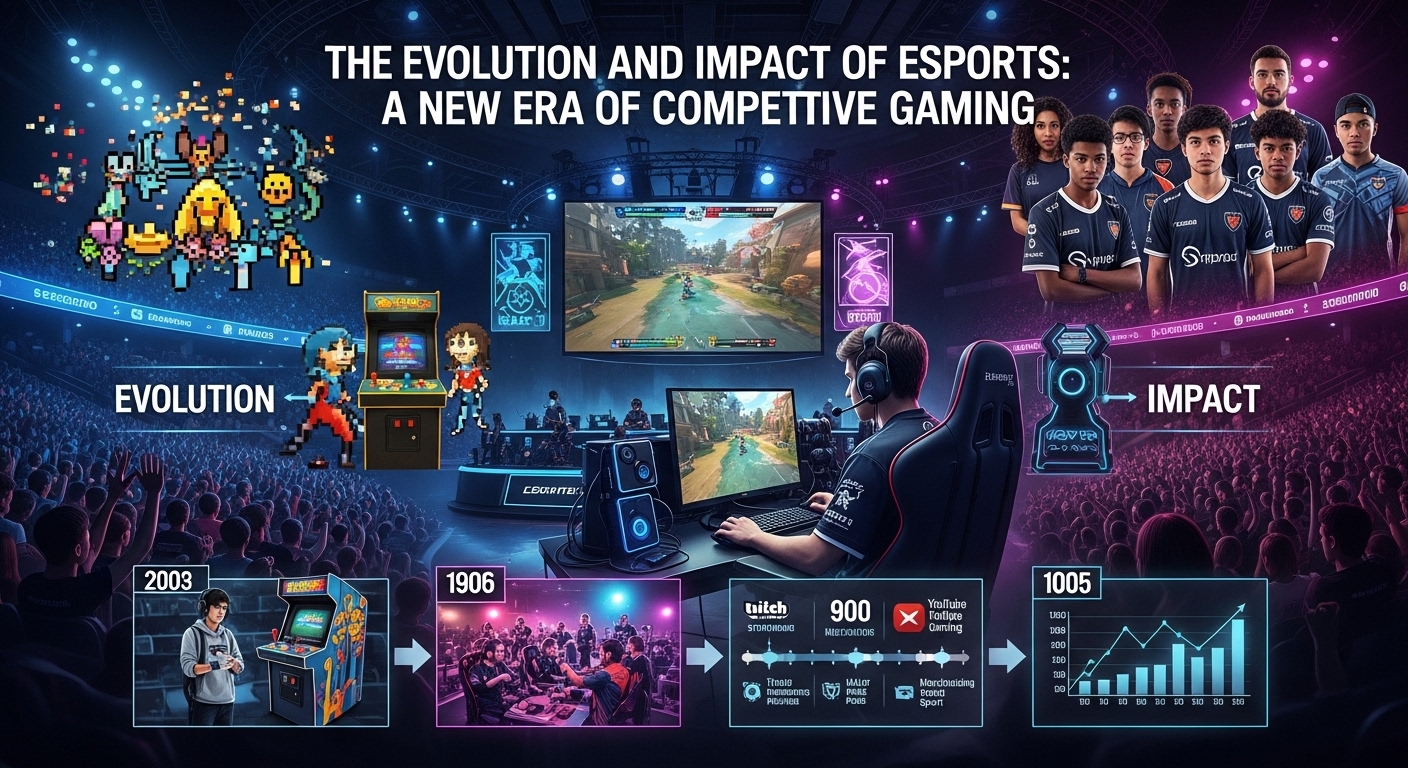
In the 21st century, the world has witnessed a new form of entertainment and competition emerge — Esports. Short for “electronic sports,” Esports represents organized, competitive video gaming where players and teams battle across virtual arenas watched by millions worldwide. What began as small LAN parties in basements and dorm rooms has evolved into an industry worth billions, drawing sponsors, professional athletes, and global audiences on par with traditional sports.
The story of Esports is one of passion, innovation, and the fusion of gaming culture with media technology. Its evolution parallels the growth of the internet itself, showing how digital communities can transform a pastime into a legitimate global phenomenon.
The Early Foundations of Esports
The origins of Esports can be traced back to the 1970s, long before high-speed internet and streaming platforms existed. In 1972, Stanford University hosted what is widely considered the first video game competition — a “Spacewar” tournament with a subscription to Rolling Stone magazine as the grand prize. This small event planted a seed for what would eventually become a multi-billion-dollar industry.
During the 1980s, arcade gaming brought competitive spirit into public spaces. Titles like Pac-Man, Donkey Kong, and Space Invaders gave rise to a culture of high-score chasers. Players competed for leaderboard glory rather than money, and magazines like Twin Galaxies began documenting these feats. The 1982 Space Invaders Championship, organized by Atari, attracted over 10,000 participants across the United States — a remarkable feat for its time.
However, it wasn’t until the 1990s that the concept of organized Esports began to solidify. The rise of PC gaming and network connectivity allowed players to face off in real time. Games like Doom and Quake pioneered the first-person shooter (FPS) competitive scene, while StarCraft became a national obsession in South Korea, setting the stage for the professional leagues that followed.
The Internet Revolution: Connecting Players and Audiences
The late 1990s and early 2000s marked a turning point for Esports. As internet access expanded, online multiplayer gaming exploded in popularity. Suddenly, competition was no longer limited by geography — players from around the world could connect and compete instantly.
This era saw the birth of major tournaments like the Cyberathlete Professional League (CPL) and the World Cyber Games (WCG). These organizations introduced professional standards, cash prizes, and sponsorships, legitimizing gaming as a career path for talented players. Titles such as Counter-Strike, Warcraft III, and Unreal Tournament defined the skill ceiling of competitive gaming.
At the same time, broadband internet made it easier for fans to follow their favorite teams. Early streaming platforms and forums allowed communities to form and share strategies. The groundwork for modern Esports infrastructure — broadcasting, sponsorship, and fan culture — was firmly in place.
The Rise of South Korea: The Birthplace of Modern Esports
While Esports was gaining traction globally, no country embraced it as wholeheartedly as South Korea. Following the 1997 Asian financial crisis, the government invested heavily in digital infrastructure, creating one of the fastest internet networks in the world. This technological advantage, combined with a passionate gaming culture, gave rise to a unique ecosystem of professional gamers, team houses, and televised tournaments.
Games like StarCraft: Brood War became cultural phenomena. Professional players were treated like celebrities, with fans lining up for autographs and television networks broadcasting live matches. Stadiums filled with cheering spectators as players executed precise strategies that mirrored chess-like complexity. This environment cultivated the first true Esports professionals, complete with coaches, analysts, and sponsorship deals.
South Korea’s model became the blueprint for Esports organizations worldwide, influencing how teams operate, how leagues are structured, and how fans engage with their favorite players.
The 2010s: Mainstream Explosion and Streaming Revolution
If the 2000s laid the foundation, the 2010s marked Esports’ meteoric rise into mainstream entertainment. Two key factors drove this growth: streaming technology and social media.
Platforms like Twitch, launched in 2011, revolutionized how audiences consumed gaming content. For the first time, anyone could watch professional tournaments or casual streams from their favorite players in real-time, often interacting directly through chat. This accessibility transformed Esports from niche to mainstream, blurring the lines between player, content creator, and celebrity.
Major titles defined the decade. League of Legends, Dota 2, and Counter-Strike: Global Offensive became pillars of the competitive landscape, each fostering massive international communities. Valve’s The International tournament for Dota 2 introduced record-breaking prize pools, funded by players through in-game purchases. Riot Games’ League of Legends World Championship filled stadiums across continents, culminating in live performances, fireworks, and millions watching online.
The growth of battle royale games like Fortnite further expanded Esports’ demographic reach. In 2019, teenager Kyle “Bugha” Giersdorf won $3 million in the Fortnite World Cup, thrusting the competitive gaming scene into mainstream news headlines.
Corporate Sponsorships and the Business of Esports
With massive viewership came corporate attention. Companies ranging from technology giants to fashion brands began investing heavily in Esports. Sponsorships, merchandise, and media rights deals created a booming industry projected to surpass $2 billion in annual revenue by the mid-2020s.
Traditional sports organizations also entered the scene. NBA franchises launched their own Esports teams under the NBA 2K League banner, while European football clubs such as Paris Saint-Germain and Manchester City fielded teams in games like FIFA and Rocket League. These collaborations bridged the gap between traditional sports fans and digital audiences, expanding Esports’ reach even further.
Esports organizations, such as Team Liquid, Cloud9, and Fnatic, became global brands, managing rosters across multiple games and operating with professional infrastructure. Coaches, psychologists, and nutritionists became integral parts of player development, mirroring the rigor of physical sports teams.
Diversity of Genres in Esports
Unlike traditional sports, which are defined by physical limitations, Esports spans an incredible range of genres. Each game demands different skills, strategies, and fanbases.
Multiplayer Online Battle Arenas (MOBA)
Games like League of Legends and Dota 2 dominate this category. These titles require deep strategic thinking, teamwork, and mechanical skill. MOBA tournaments attract millions of viewers, with complex metagames and dramatic narratives unfolding throughout competitive seasons.
First-Person Shooters (FPS)
Titles such as Counter-Strike 2, Valorant, and Call of Duty rely on precision, reflexes, and teamwork. FPS games often feature short, intense matches, making them ideal for live broadcasts. The tactical depth of these games keeps them consistently popular in both casual and professional play.
Battle Royale and Survival Games
Fortnite, PUBG, and Apex Legends brought a new twist to competitive gaming. These titles combine fast-paced action with unpredictable outcomes, where individual skill and strategy intersect in dynamic environments.
Fighting Games
Franchises like Street Fighter, Tekken, and Super Smash Bros. carry decades of history. Fighting game tournaments, particularly EVO (Evolution Championship Series), celebrate both skill and community, where underdogs can rise to fame in a single tournament.
Sports Simulations and Racing Games
Titles like FIFA, NBA 2K, and Gran Turismo have built dedicated competitive scenes, often supported by their real-world counterparts. These games blend realism with digital competition, attracting fans from traditional sports.
Esports Arenas and Live Events
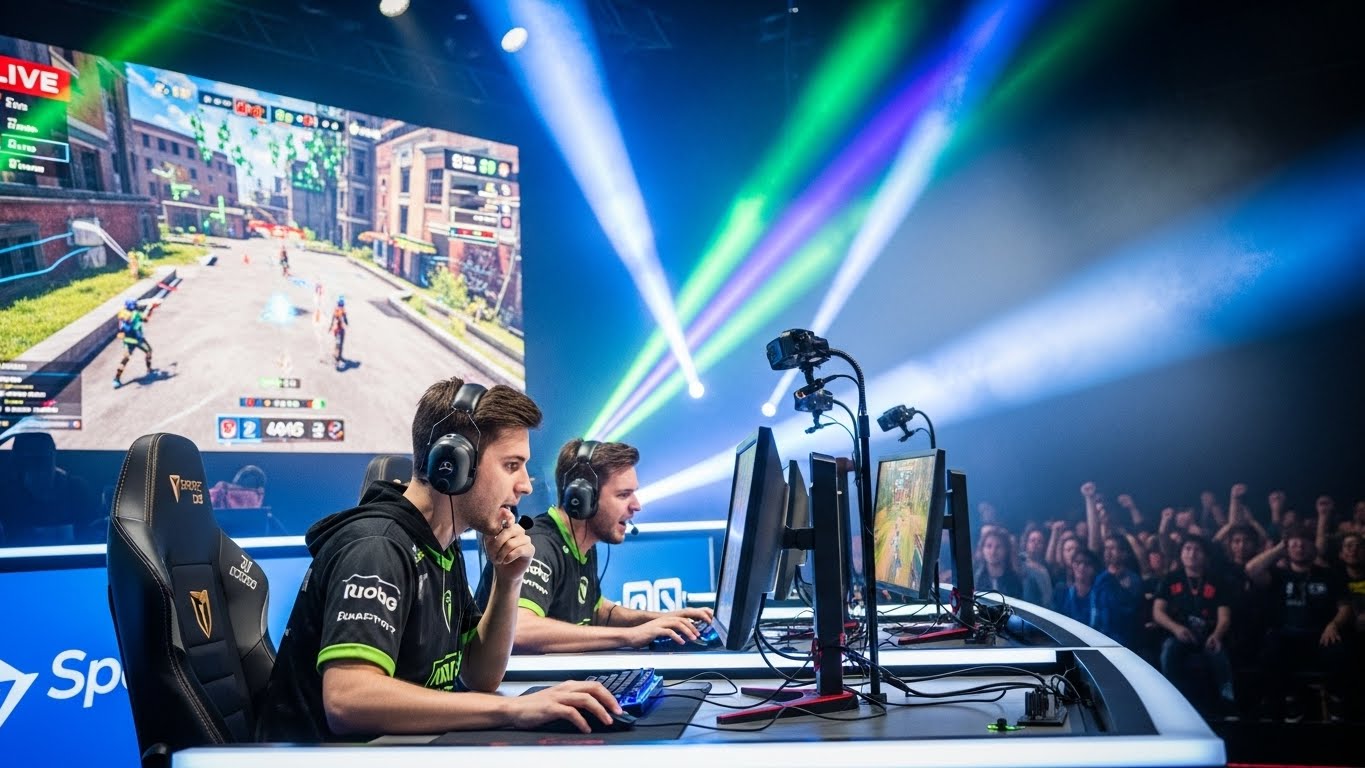
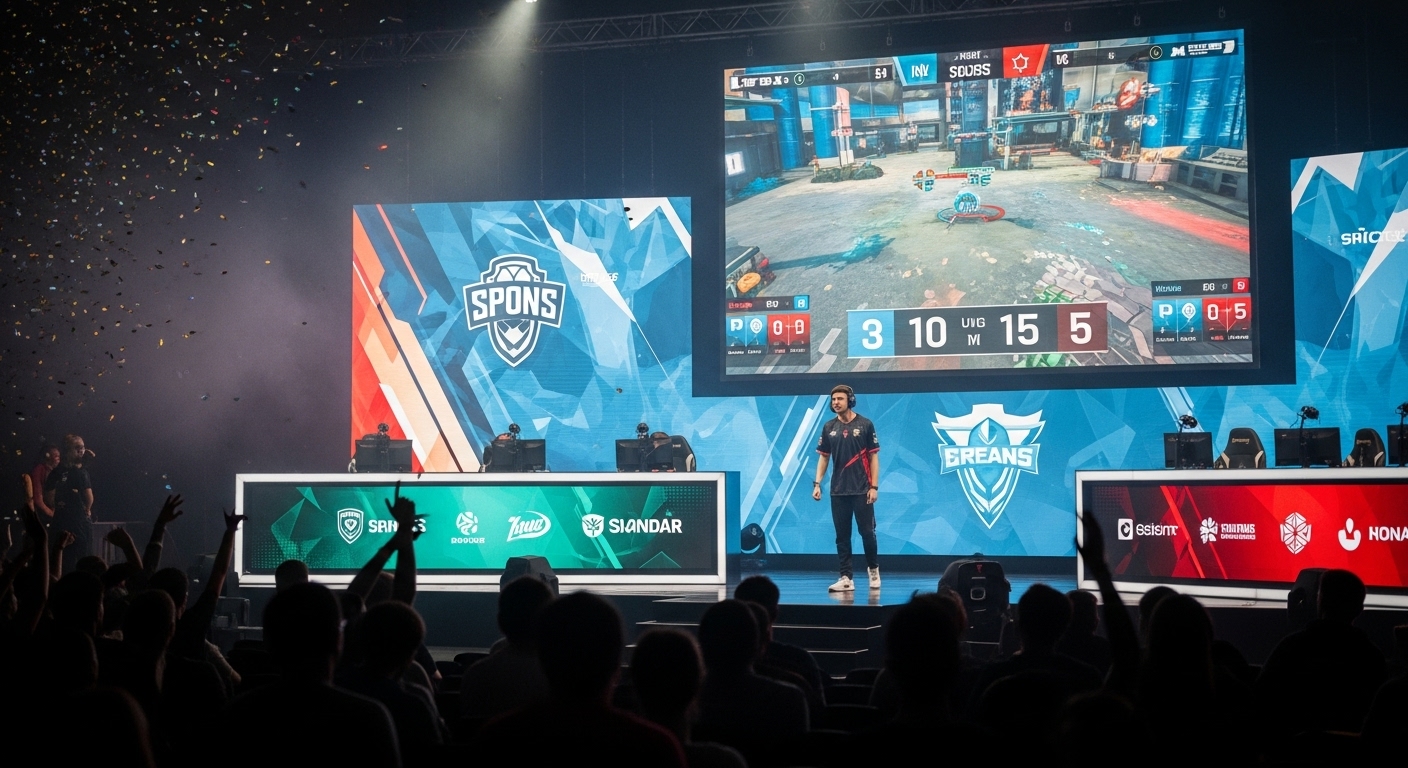
The visual spectacle of Esports is now comparable to major sporting events. Massive arenas host international tournaments with elaborate stage designs, synchronized lighting, and music performances. The League of Legends World Championship and The International are known for their grandeur, often featuring opening ceremonies that rival the Olympics in creativity and production value.
The COVID-19 pandemic posed a significant challenge to live events, forcing the industry to adapt. However, Esports’ digital nature allowed it to pivot more effectively than traditional sports. Online tournaments and remote broadcasts kept the community engaged during global lockdowns, showcasing the resilience and flexibility of the industry.
The Culture and Community Behind Esports
At its core, Esports is driven by community. Fans are not passive consumers but active participants — creating memes, analyzing plays, and contributing to online discussions. Platforms like Reddit, Discord, and Twitter have become central hubs for Esports discourse.
This participatory culture has also shaped the players themselves. Many professional gamers begin as fans or streamers before entering the competitive scene. This relatability fuels strong connections between players and their audiences, unlike the often-distant relationships seen in traditional sports.
Furthermore, Esports has fostered inclusivity and diversity. While still facing challenges with representation, initiatives supporting women’s leagues, LGBTQ+ gamers, and accessibility programs continue to expand the industry’s reach and cultural relevance.
The Academic and Career Pathways of Esports
What was once dismissed as “just gaming” has now entered educational institutions. Universities worldwide offer Esports scholarships, degree programs in game design and management, and competitive collegiate leagues. This academic recognition reflects the growing legitimacy of Esports as both a career and an industry sector.
Beyond players, Esports generates jobs in event management, broadcasting, marketing, data analytics, and software development. As the ecosystem matures, demand for skilled professionals in these areas continues to rise, making Esports one of the most dynamic employment landscapes of the digital age.
Challenges Facing the Esports Industry
Despite its growth, Esports faces significant challenges. Player burnout is a major issue — professional gamers often train for 10–12 hours daily, leading to physical and mental health concerns. The absence of standardized contracts and global regulations also leaves room for exploitation, particularly among younger players.
Cheating, match-fixing, and online toxicity pose additional threats. Maintaining competitive integrity is crucial for preserving audience trust. Organizations have begun implementing stricter anti-cheat systems, player welfare programs, and ethical guidelines, but the road to sustainability is still ongoing.
Monetization remains another complex problem. While viewership continues to grow, converting engagement into stable revenue has proven difficult. Prize pools and sponsorships generate headlines, but long-term profitability for teams and tournaments requires innovation in merchandising, content creation, and fan engagement.
The Future of Esports: A Vision Beyond Gaming
The future of Esports is boundless. With advances in virtual reality (VR), augmented reality (AR), and artificial intelligence (AI), the boundaries between physical and digital competition will blur even further. The concept of the “metaverse” could transform Esports into a fully immersive experience where spectators become participants in real time.
Cross-platform integration will make gaming more accessible, allowing players from different devices to compete seamlessly. Blockchain technology and digital collectibles may introduce new forms of fan ownership and engagement, such as tradable in-game assets or exclusive event tokens.
Governments and international organizations are also beginning to recognize Esports formally. Inclusion in multi-sport events like the Asian Games marks a step toward potential Olympic recognition. As regulation and investment grow, Esports could become the defining competitive platform of the 21st century.
Conclusion: The Game Has Just Begun
From dimly lit arcades to sold-out stadiums, Esports has traveled an extraordinary path. It reflects more than competition — it represents community, creativity, and the limitless potential of digital culture. While challenges remain, the momentum driving this global movement shows no signs of slowing.
Esports is not just the future of gaming; it is the future of entertainment, storytelling, and human connection in a digital world. As technology evolves, so too will the games we play and the arenas in which we compete. The next generation will not just watch the game — they will live it.