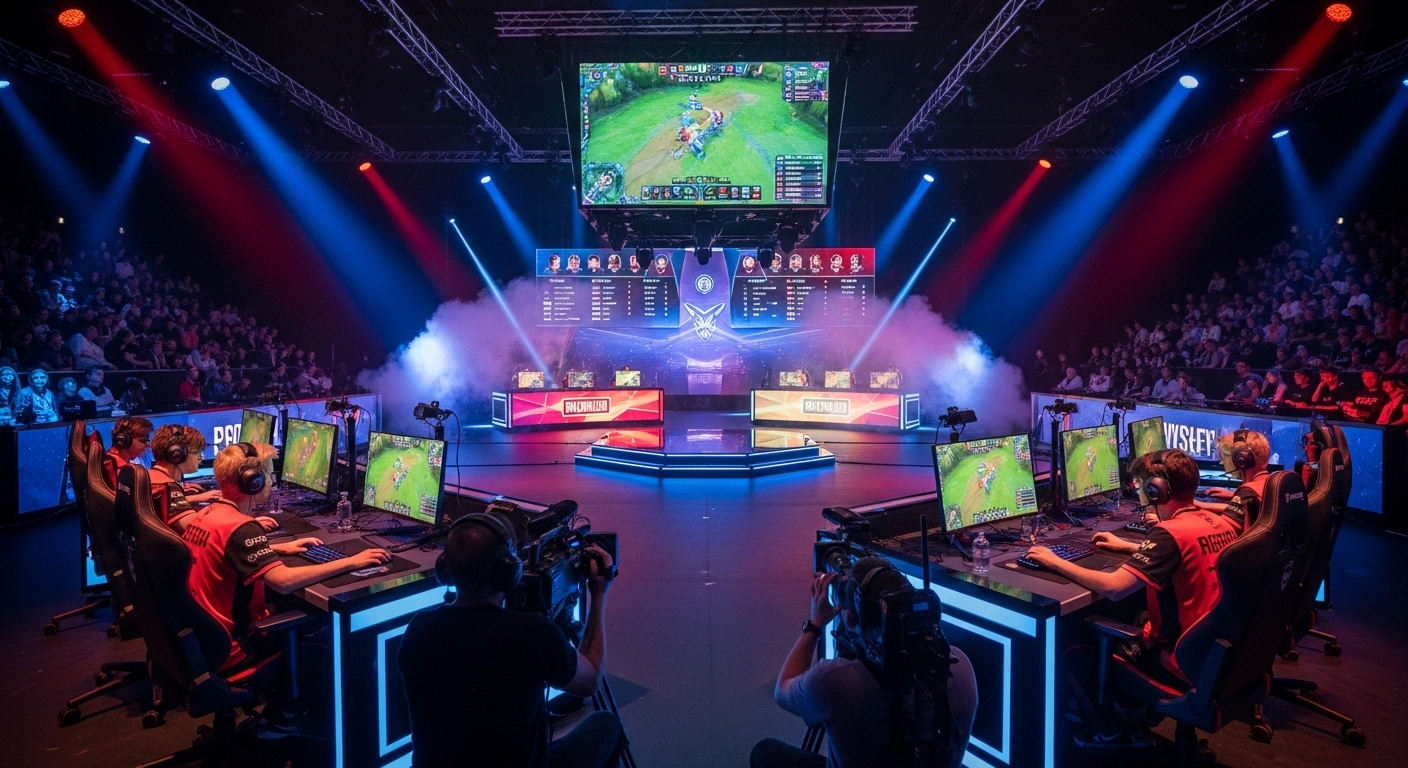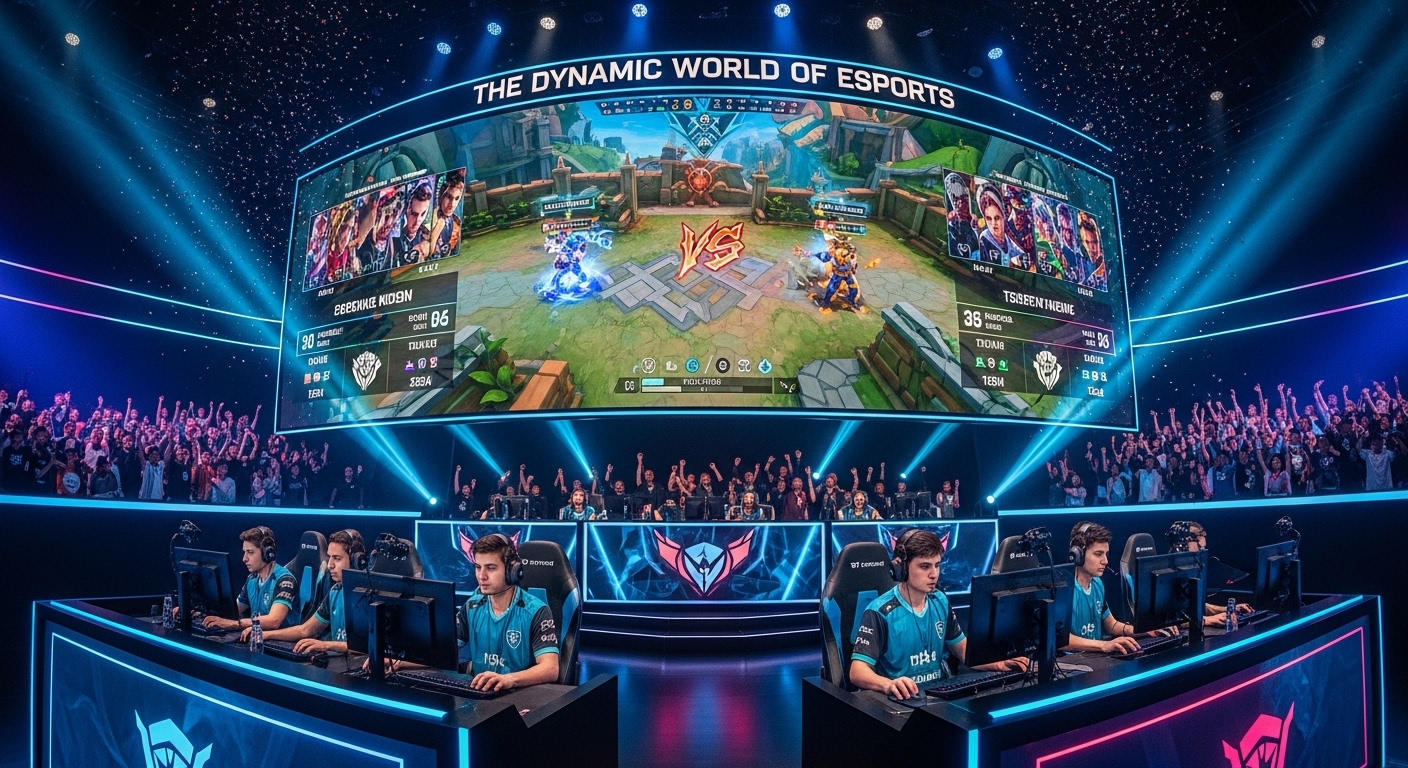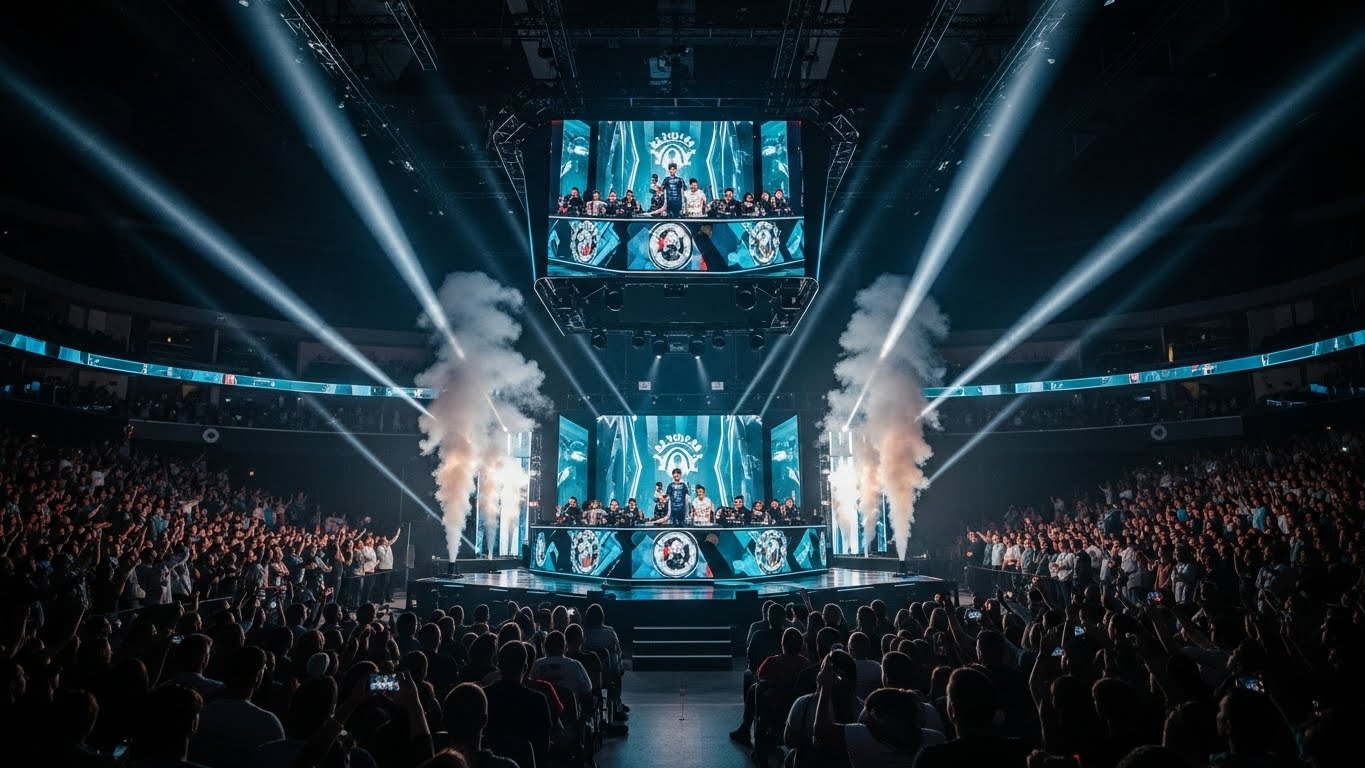
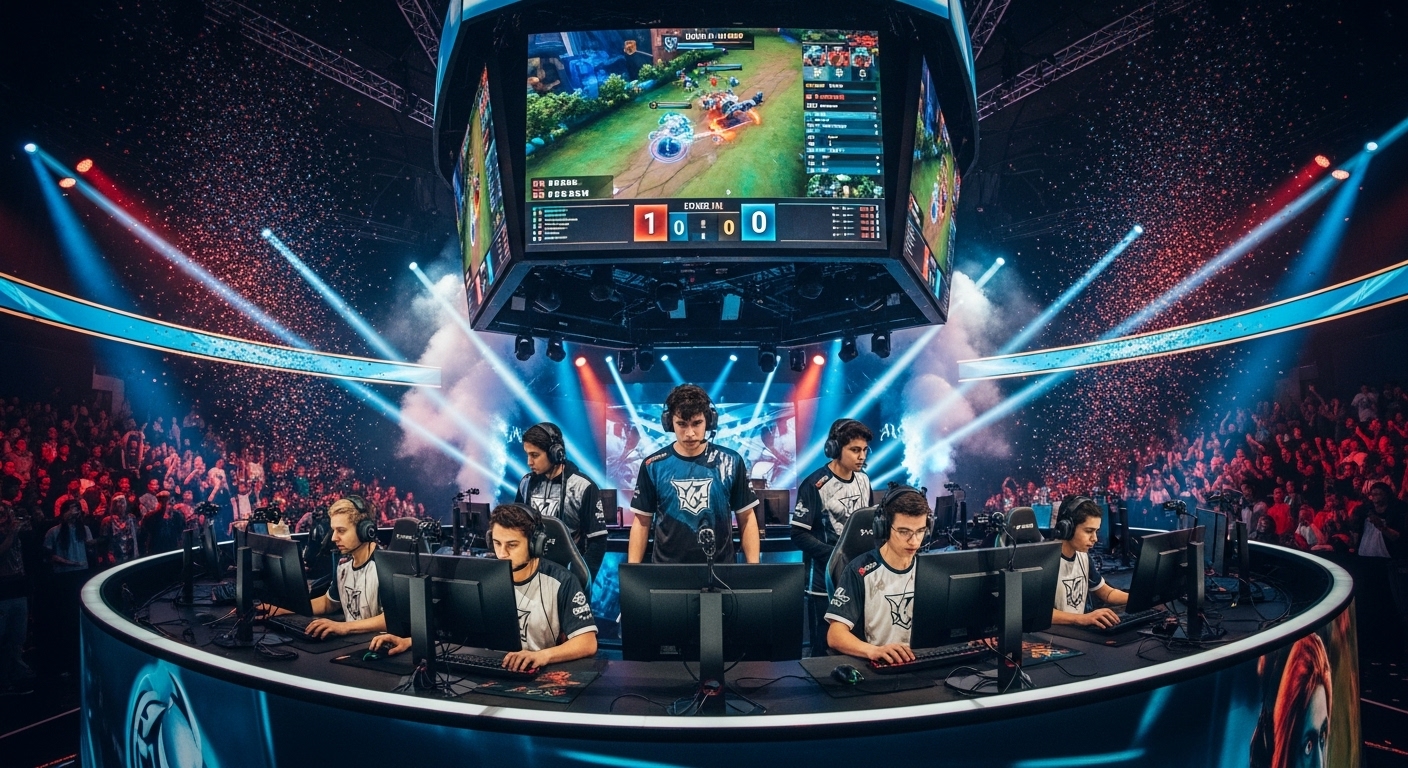
Esports, or competitive gaming, has transformed from a niche hobby into a global phenomenon. Millions of players, fans, and organizations participate in this digital sport, creating an industry that rivals traditional sports in popularity, revenue, and cultural influence. From grassroots gaming communities to professional leagues with multi-million-dollar prize pools, esports is reshaping how we think about competition, entertainment, and technology. In this blog, we explore the history, growth, impact, and future of esports.
The Origins of Competitive Gaming
The concept of competitive gaming dates back to the 1970s and 1980s, when arcades became social hubs and players competed for high scores. Classic games like Pong and Space Invaders laid the groundwork for organized competitions. The first notable video game tournament, held at Stanford University in 1972, featured Spacewar players vying for the ultimate prize: a year’s subscription to a gaming magazine.
Throughout the 1980s and 1990s, home consoles and personal computers became more accessible, giving rise to local multiplayer competitions. Early online games, such as Doom and Quake, allowed players to connect remotely and compete, sowing the seeds for what would become professional esports leagues. These early competitions proved that gaming could be more than casual fun—it could be a serious test of skill, strategy, and reflexes.
The Birth of Professional Esports
The late 1990s and early 2000s marked the emergence of professional esports. Multiplayer online games, particularly real-time strategy (RTS) and first-person shooter (FPS) titles, became competitive arenas. Games like StarCraft in South Korea fostered intense professional leagues, turning talented players into national celebrities.
The formation of organizations, sponsorships, and structured leagues formalized competitive gaming. Players began receiving salaries, teams developed branded identities, and events were broadcasted to audiences both online and in stadiums. This period established esports as a serious industry with professional standards comparable to traditional sports.
Esports Genres and Popular Titles
Esports spans multiple game genres, each offering unique challenges and competitive dynamics. Multiplayer online battle arena (MOBA) games, such as League of Legends and Dota 2, emphasize teamwork, strategy, and rapid decision-making. First-person shooters, including Counter-Strike: Global Offensive and Valorant, test precision, reflexes, and communication under pressure.
Battle royale games, like Fortnite and PUBG, combine survival skills with adaptability, while sports simulation games, such as FIFA and NBA 2K, allow players to compete in digital versions of real-world sports. Fighting games like Street Fighter and Tekken offer intense head-to-head competition. The diversity of esports genres ensures that there is a competitive arena for almost every type of player, appealing to a wide range of audiences globally.
The Global Esports Industry
The esports industry has grown exponentially, generating billions in revenue from sponsorships, advertising, media rights, merchandise, and tournament prizes. Professional teams and players have lucrative contracts, often backed by global brands seeking access to a young and engaged audience. Major esports tournaments, such as The International for Dota 2 or the League of Legends World Championship, fill stadiums and attract millions of viewers online.
Asia, particularly South Korea and China, has been a central hub for esports development, with government support, professional leagues, and cultural acceptance of gaming as a legitimate career. North America and Europe have also embraced esports, hosting large-scale tournaments, forming professional leagues, and integrating esports into educational programs. The globalization of esports demonstrates its universal appeal and influence across cultures.
The Role of Streaming Platforms
One of the most significant drivers of esports growth has been streaming platforms. Services like Twitch, YouTube Gaming, and other live-streaming platforms allow fans to watch competitions in real time, interact with players, and join global communities. Streaming has created opportunities for individual gamers to gain fame, monetize content, and build personal brands.
The interactivity of streaming sets esports apart from traditional sports. Viewers can comment, vote, and even influence aspects of the broadcast. This level of engagement creates a sense of community, allowing fans to feel closer to players and events. Streaming has also opened new revenue streams for the esports ecosystem, including subscriptions, donations, and sponsorship deals.
The Cultural Impact of Esports
Esports has become more than a competitive activity; it is a cultural phenomenon. Gaming personalities have become celebrities, influencing fashion, lifestyle, and even social trends. Cosplay, fan art, and esports-themed events contribute to a shared culture among fans, fostering creativity and participation beyond the games themselves.
Moreover, esports challenges traditional perceptions of sports. It demonstrates that competition is not confined to physical ability but can also include strategic thinking, coordination, and reflexes. This cultural shift is helping to legitimize gaming as a profession and a form of entertainment on par with traditional athletics.
Esports and Education
Educational institutions have recognized the potential of esports as a tool for learning and skill development. Schools and universities now offer esports scholarships, clubs, and academic programs focusing on game design, strategy, and competitive gaming management. Participation in esports can teach teamwork, communication, strategic thinking, and time management.
Additionally, esports programs help foster inclusivity and community engagement. Students who might not participate in traditional sports can find a sense of belonging and achievement through gaming. By integrating esports into education, institutions are nurturing the next generation of professional players, organizers, and industry leaders.
Health and Wellbeing in Esports
While esports offers numerous opportunities, it also presents unique challenges for players’ health and wellbeing. Long hours of practice, high-pressure competitions, and constant online exposure can lead to physical and mental strain. Issues such as eye strain, repetitive strain injuries, sleep disruption, and stress are common among professional gamers.
Organizations and teams have started addressing these concerns by incorporating physical fitness routines, mental health support, ergonomic setups, and structured training schedules. Professional esports now emphasizes holistic wellness to ensure that players can maintain performance, longevity, and quality of life.
Technological Innovations Driving Esports
Esports thrives at the intersection of technology and entertainment. Advancements in graphics, internet speed, and hardware performance have enhanced the quality and accessibility of competitive gaming. Virtual reality (VR) and augmented reality (AR) are beginning to create immersive experiences that could redefine esports in the future.
Artificial intelligence and data analytics provide insights into player performance, enabling coaches to strategize and optimize gameplay. Esports broadcasts now incorporate advanced graphics, instant replays, and real-time statistics, making competitions more engaging and professional. Technology is both the foundation and the engine driving the growth of competitive gaming.
The Business of Esports
The esports industry is a complex ecosystem, involving players, teams, organizers, sponsors, streaming platforms, and advertisers. Sponsorship deals and endorsements form a significant portion of revenue, with major brands investing in esports to reach younger, tech-savvy audiences. Merchandising, media rights, and tournament ticket sales also contribute to the business model.
Entrepreneurs have recognized opportunities in esports-related services such as coaching, content creation, event management, and software development. The economic potential of esports demonstrates that gaming is not just a pastime but a viable industry that generates employment, investment, and innovation on a global scale.
The Future of Esports
The future of esports is bright, with limitless potential for growth and innovation. Emerging technologies such as 5G networks, VR, AR, and cloud gaming will enhance accessibility, performance, and interactivity. Competitive gaming could expand into virtual arenas, interactive broadcasts, and even cross-platform competitions, engaging audiences in new ways.
Esports may also further integrate into mainstream sports culture. Universities, professional leagues, and media organizations are increasingly recognizing its legitimacy. With continued investment, innovation, and social acceptance, esports has the potential to become a dominant form of global entertainment, rivaling traditional sports in both influence and revenue.
Conclusion: Esports as a Modern Cultural Force
Esports is no longer just a hobby—it is a transformative cultural and economic force. From its humble origins in arcades to professional leagues with global audiences, competitive gaming has redefined the meaning of competition, entertainment, and community. It offers opportunities for education, career development, and creative expression while embracing technology in ways that traditional sports cannot.
The rise of esports demonstrates that passion, skill, and innovation can redefine industries and cultural norms. As technology continues to evolve, esports will grow more immersive, inclusive, and influential, inspiring future generations to engage, compete, and innovate in ways previously unimaginable. Competitive gaming is not just the future of entertainment—it is a reflection of human creativity, ambition, and connection in the digital age.